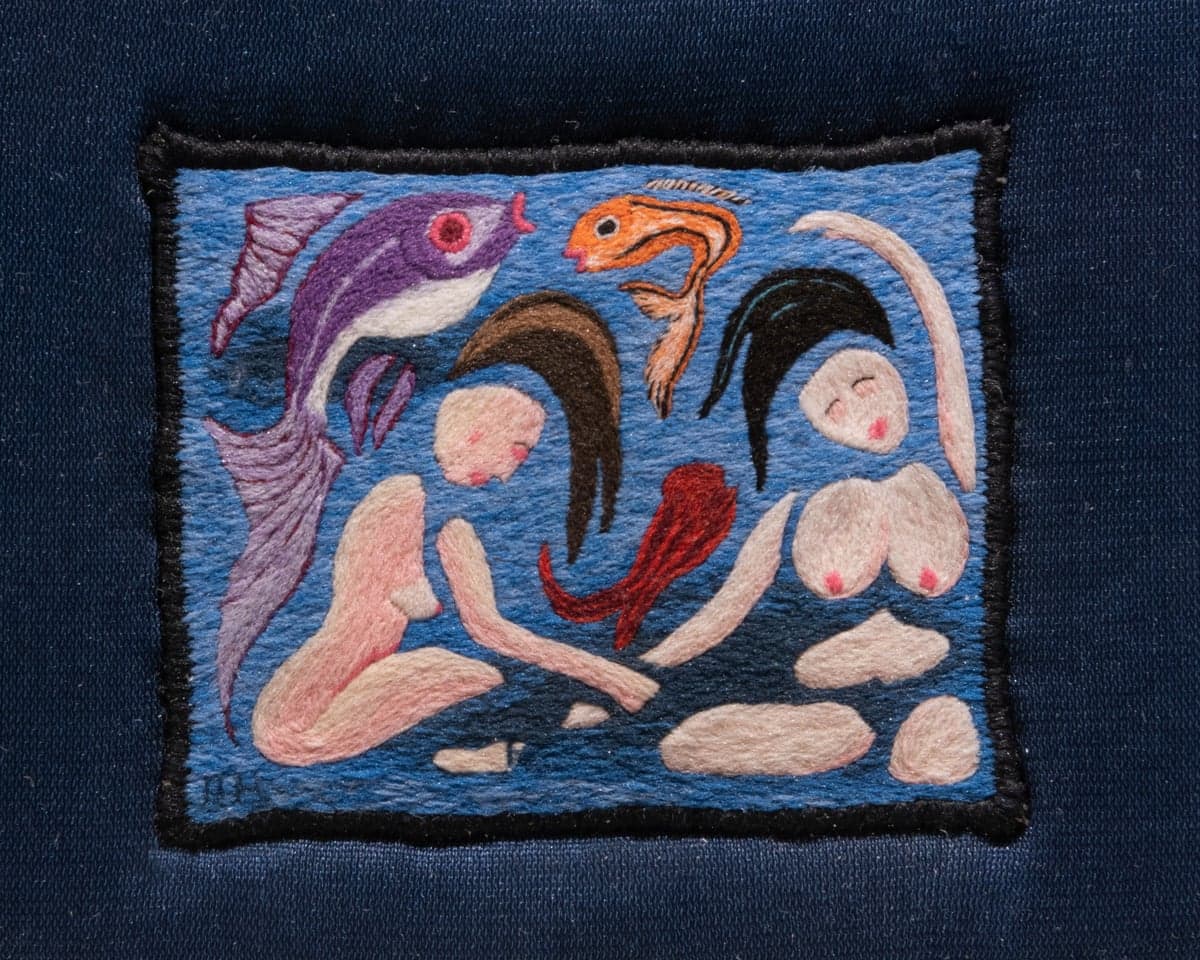
A charity is helping prisoners with rehabilitation by giving them the chance to create and sell their own artwork. Inmates at HMP Erlestoke in Wiltshire have taken part in the Prison Art Project scheme, supported by homeless charity ALABARÉ, with 50% of each sale going to the artist.
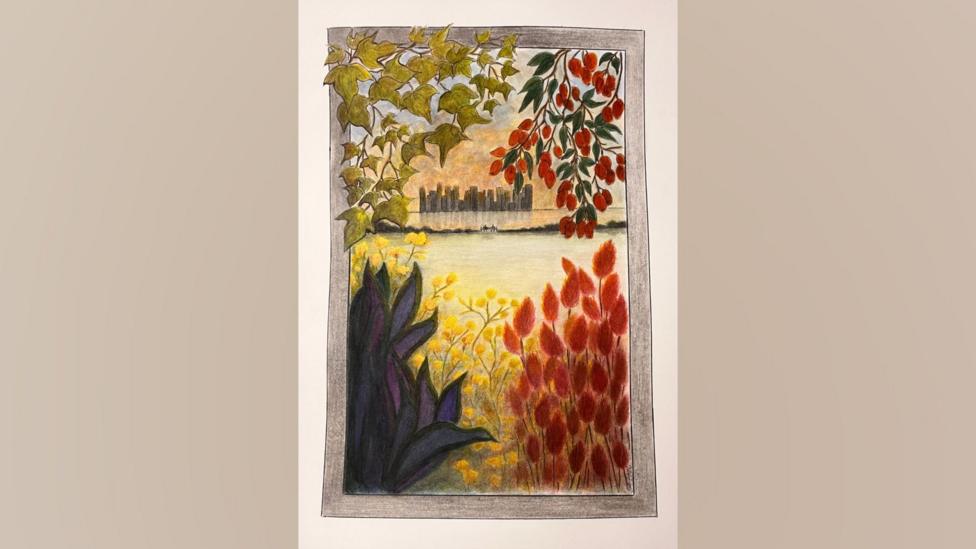
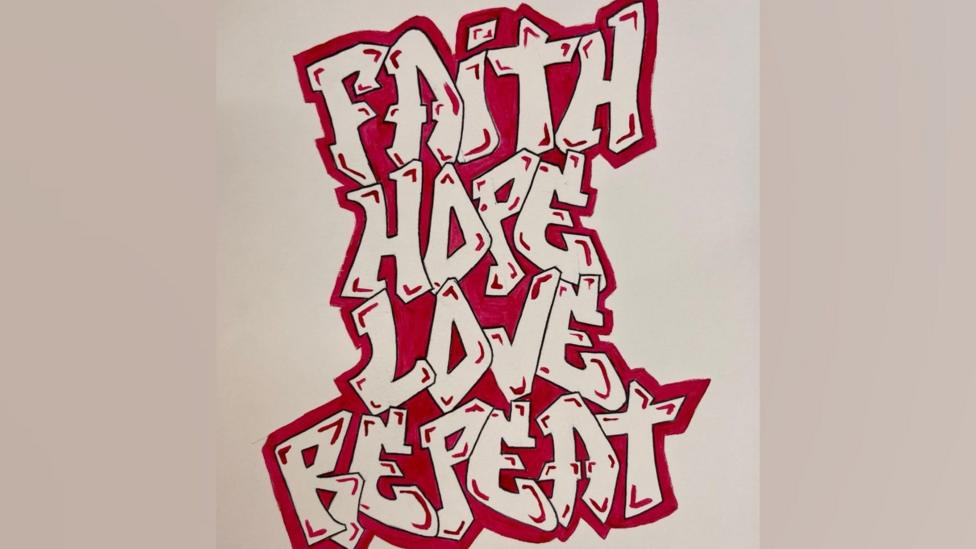
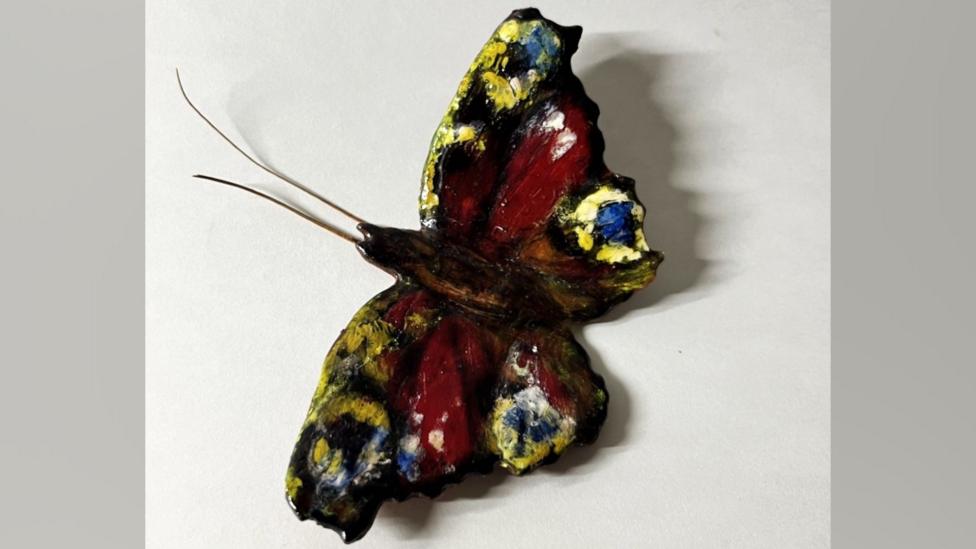
The work produced includes a self portrait of an inmate in his cell created with acrylics, pictures of landscapes, graffiti-inspired pieces and a 3D model of a peacock butterfly.
Many of the participants said creativity helped with their mental health and wellbeing, while others said it felt
"rewarding"to produce artwork.
Laura Joy, from the charity, said:
"Artwork really gives people a chance to do meaningful activity towards rehabilitation and to support better choices."
Participants are given an art pack containing supplies such as acrylics, pencils, watercolours and pastels, with the condition that they create up to four pieces of artwork.
If their work is purchased, the artist receives half of the profits and the remainder is used to fund the purchase of materials for others on the scheme.
The project has had more than 3,000 participants since it began in the 1970s.
There are currently 100 artists taking part from 37 prisons and young offender institutions across England and Wales, and more than 1,500 pieces of art are waiting to be uploaded and sold online.
Joy said the scheme was
"a way of giving back"and a way to give the artists a
"huge sense of pride".
She said:
"We know how underfunded and overcrowded prisons are and there are not opportunities in some prisons for the people in prison to study art.
"I'm delighted that participants are having their artwork seen outside of their cells and internal art classes.
"Many of the pieces have some incredible personal stories behind them and capture a world view that is often hidden."
The project is part of ongoing work to support prisoner rehabilitation through creative activity, with the scheme allowing participants to share work beyond their cells and internal art classes. The charity says the scheme gives people in prison a practical outlet, a chance to build confidence and an opportunity to contribute to a wider programme that can benefit both the artists and future participants.
Many of the pieces have personal stories behind them, and the charity says they offer a view of prison life that is often hidden from public sight.