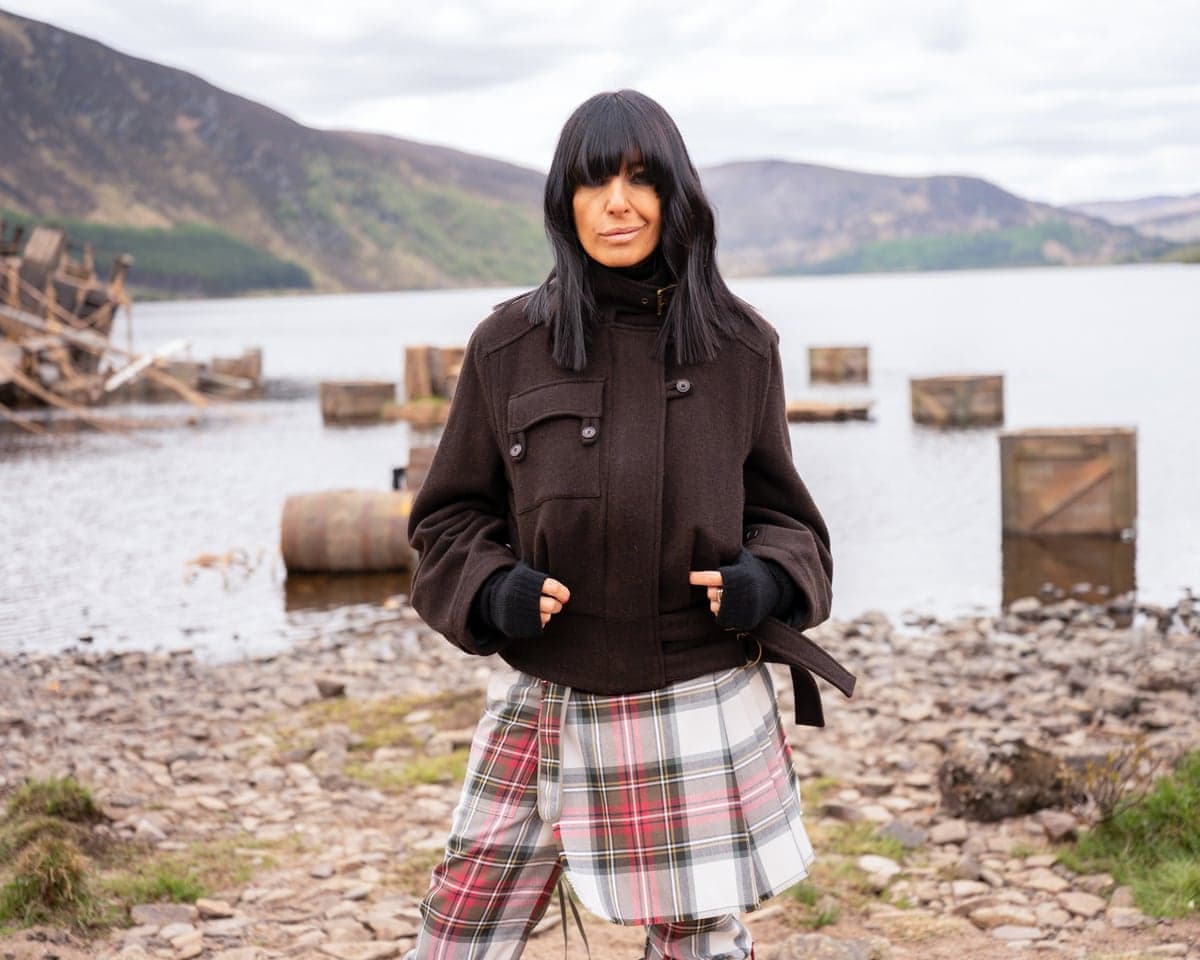
The most anticipated television release of the year has arrived, bringing with it a fresh cohort of famous faces competing for charity and national recognition. The new instalment of The Celebrity Traitors premiered with twenty-one contestants ranging from B-list to household names, gathered at Ardross Castle under the watchful eye of Claudia Winkleman, competing for a potential prize of up to £100,000 for their chosen charities.
The opening episode introduces viewers to an ensemble cast of actors, broadcasters, comedians, musicians and various other personalities as they enter a church decorated with masked guards and floral arrangements spelling out RIP and VIP at the altar. Young actor Sebastian Croft genuflects before proceeding down the aisle, immediately raising questions about whether such gestures constitute strategic positioning in a game built on reading character and intent. The format's power lies in its ability to make viewers scrutinise every action for hidden meaning.
Among the contestants, actor Ross Kemp exhibits visible anxiety throughout the episode, becoming increasingly paranoid and convinced that physical contact from other participants signals murderous intent. His struggle to maintain composure early in the competition provides one of the episode's most compelling character moments, suggesting that the psychological pressure of the game affects even seasoned performers.
What makes the format work?
The appeal of The Celebrity Traitors rests on observing whether famous personalities can maintain their public personas under pressure or whether the game strips away their carefully constructed images. Mathematician Hannah Fry, who describes herself as "dripping with prefect energy," faces the challenge of applying analytical thinking to social dynamics. Television presenter Julie Hesmondhalgh, meanwhile, expresses enthusiasm about forming connections with people she recognises from television, raising questions about whether such openness becomes a liability in a game predicated on deception.
The first series, which debuted in October 2025, established itself as a significant television event, with the national broadcaster reporting that the series averaged 14.9 million viewers, with the finale reaching 15.4 million. This success created considerable expectations for the new season.
How do the traitors reveal themselves?
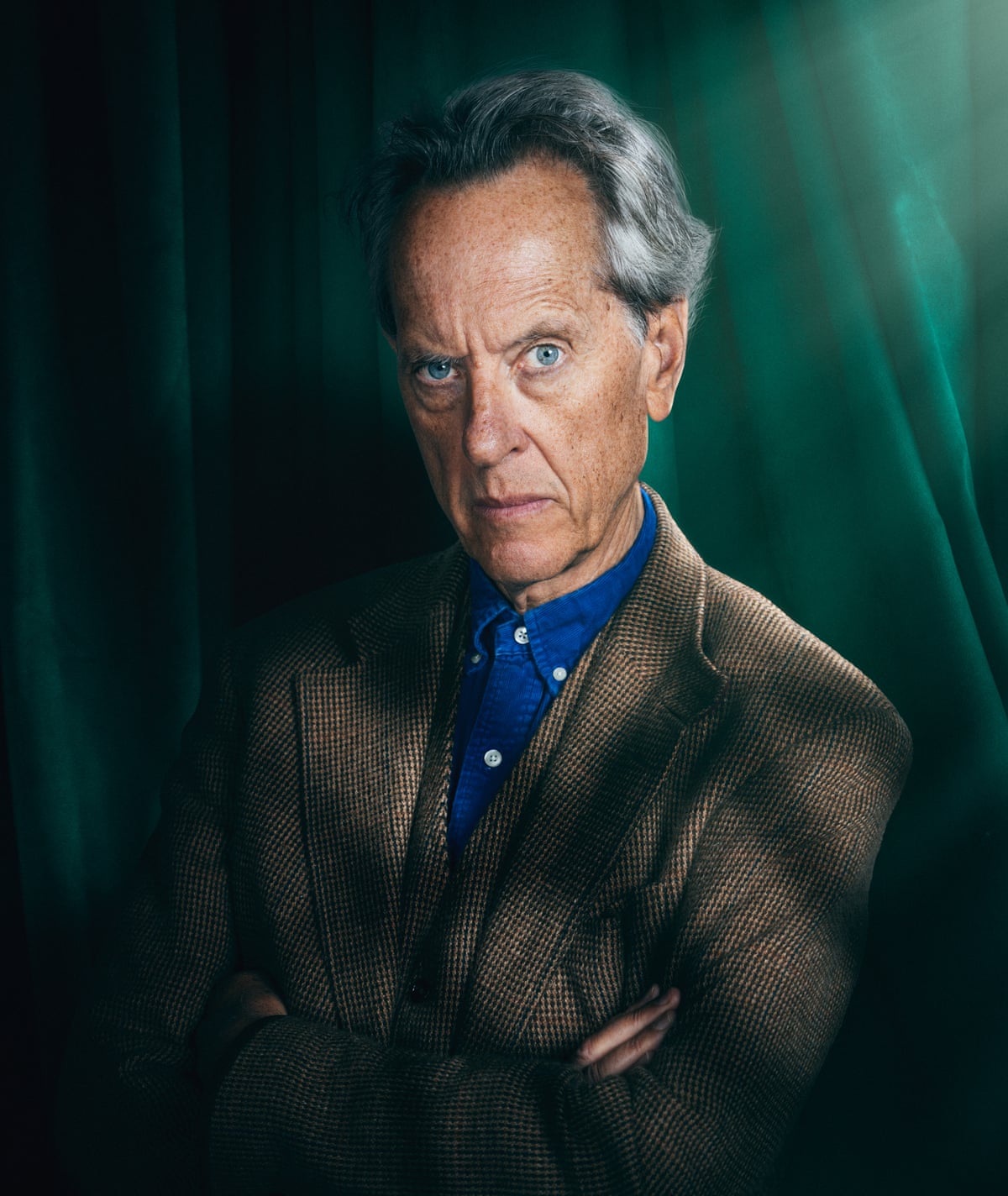
Actor Richard E Grant's trajectory in the opening episode demonstrates the unpredictability inherent in the format. Most participants harbour secret ambitions to be selected as traitors, viewing the role as advantageous. Grant, however, publicly expresses his desire to be chosen, stating "It would be the jackpot!" When the selection occurs and he is asked directly whether he is a traitor, he responds with unguarded enthusiasm: "I am a traitor!" This immediate and candid admission represents an unprecedented moment in the show's history, as Grant abandons any pretence of concealment.
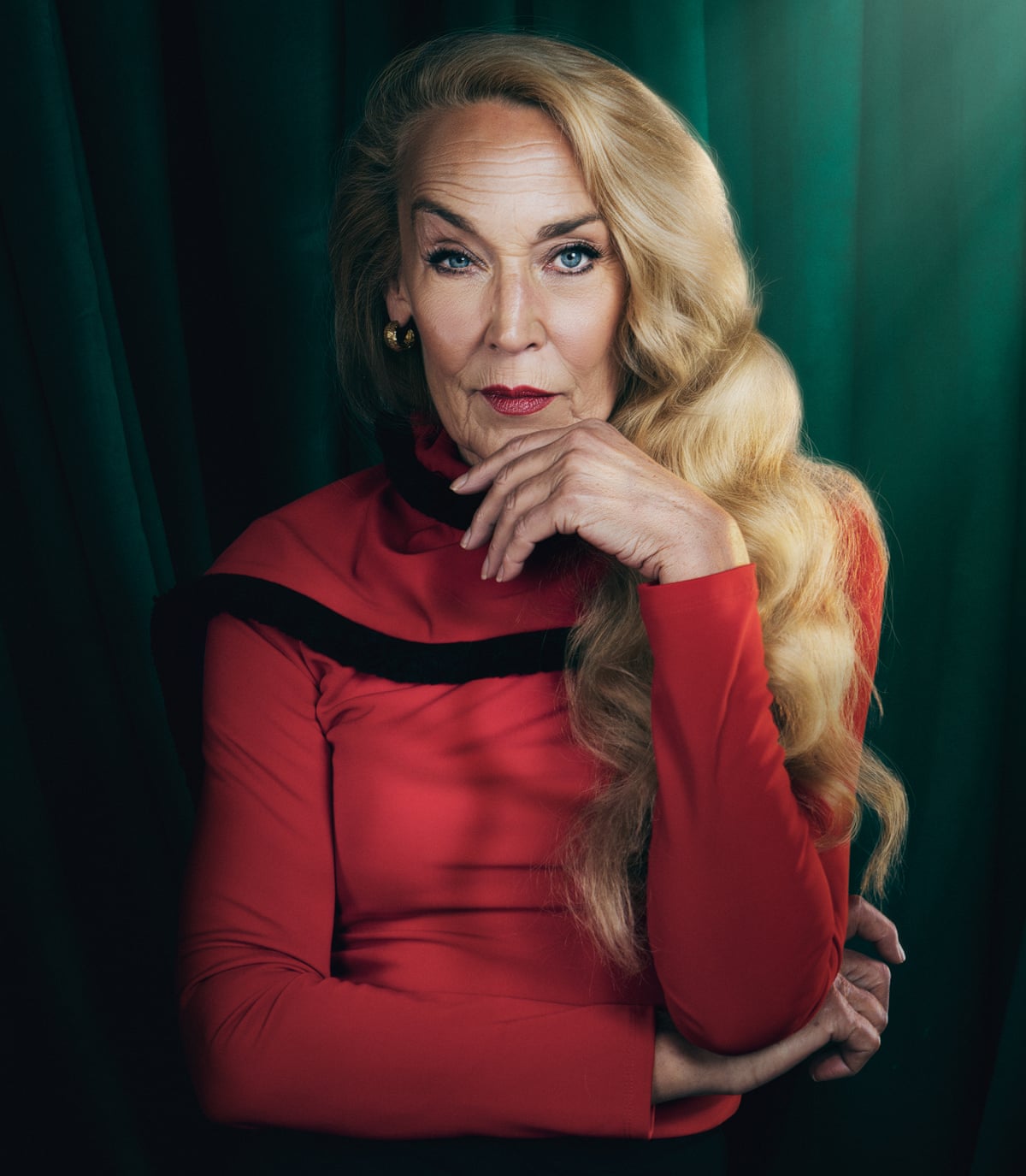
Actress Jerry Hall, who has known Grant for three decades, initially dismisses his confession as performative behaviour stemming from disappointment at not being selected, despite the fact that he has just been chosen. Grant spends much of the extended opening episode attempting to walk back his enthusiastic admission, recognising that his transparency has fundamentally altered the game's dynamics for him.
Who joins Grant as a traitor?
Grant's partner in deception is Love Island presenter Maya Jama, who declares "My villain era has begun!" The two must navigate one of the format's essential twists: selecting a third traitor from two candidates who present their cases. The candidates waiting in coffins are journalist Amol Rajan and comedian James Acaster. The episode concludes with the sound of a coffin lid closing, leaving viewers uncertain about which contestant has been eliminated.
Does the new series capture the original's magic?
The opening instalment suggests that while the format retains considerable appeal, the energy feels marginally diminished compared to the first series. The cast composition appears somewhat more restrained, and the initial chemistry between participants has not yet fully developed. However, the programme's foundation remains solid: Claudia Winkleman's distinctive presentation style and sartorial choices continue to anchor the proceedings, and the opening episode of any Traitors iteration typically represents the weakest entry, as relationships and strategic alliances require time to crystallise.
Several narrative threads have been established that promise future development. Questions linger about whether Jerry Hall will assert dominance within the group, whether former military officer James Blunt might emerge as an unexpected hero figure, and whether the real-life friendship between comedians Romesh Ranganathan and Rob Beckett will prove advantageous or create vulnerabilities. These seeds suggest that while the soil may be marginally less fertile than in the inaugural series, growth remains probable.
What happens next?
Episode two is scheduled for Friday 2 October at 8pm on BBC One, with the Traitors completing their full line-up and the celebrities undertaking their first mission. The series finale is scheduled for Friday 30 October, giving the competition four weeks to develop the interpersonal dynamics that ultimately determine whether the format succeeds in sustaining viewer engagement across its full run.