The Office of Rail and Road has rejected proposals for new direct train services from London to Wrexham and Rochdale, determining that the crowded west coast main line lacks sufficient capacity to accommodate the additional trains without compromising network reliability.
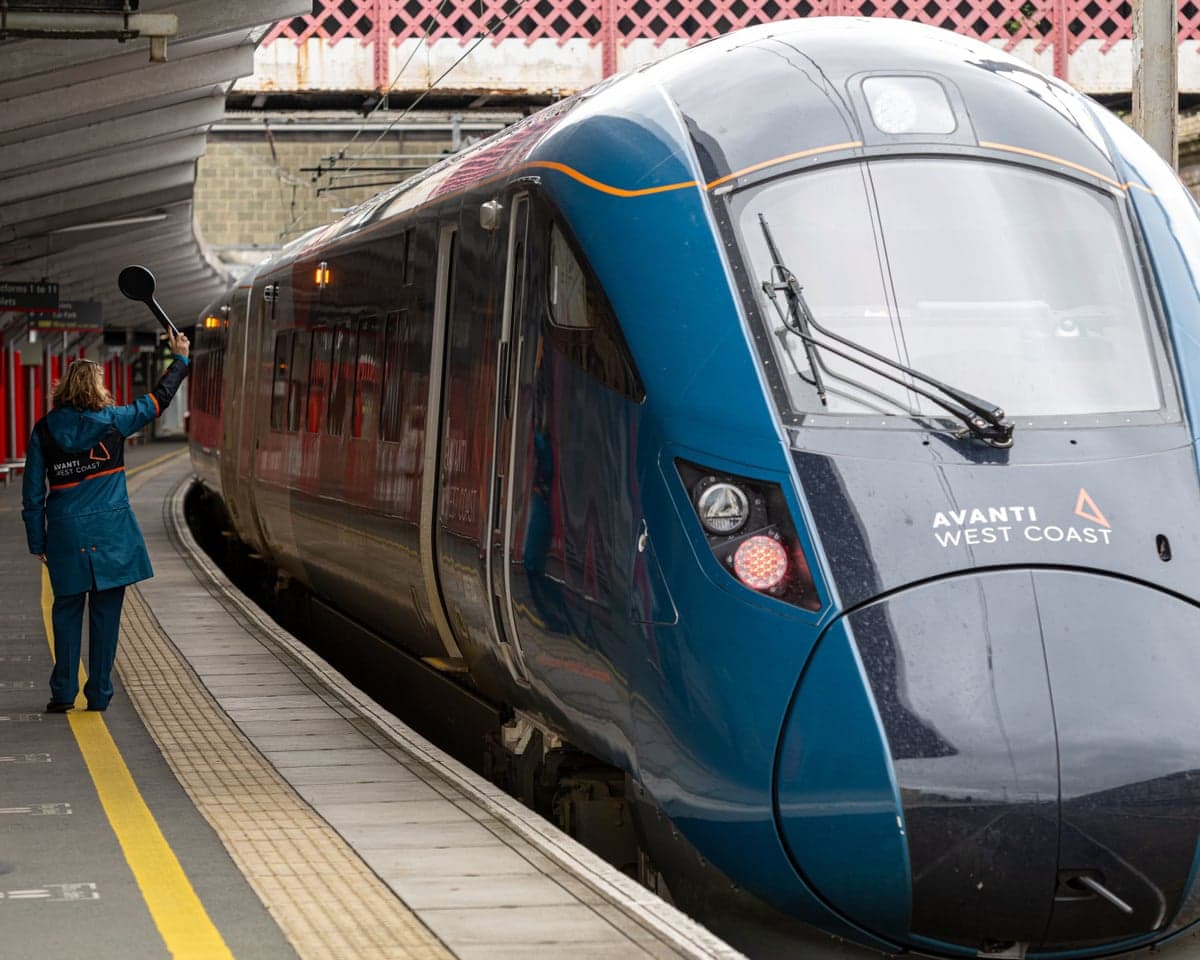
The regulator also refused to approve extra London-Blackpool services requested by Avanti West Coast. However, it did clear one additional London-Chester evening service operated by Avanti, a weekday 19:29 departure to Euston that will be permitted to run until December 2030. This service would otherwise have operated as a "ghost train", with crew and rolling stock returning north to the depot overnight without passengers.
The Wrexham, Shropshire & Midlands Railway Company (WSMR) had submitted a revised proposal for direct services to Wrexham after its initial application was rejected in 2025. The company had reduced the frequency of the planned service in response to earlier feedback, but the ORR concluded that even the scaled-back routes would still jeopardise the reliability of the wider railway network. According to industry reporting, WSMR expressed disappointment at the decision, noting that the company had spent more than two-and-a-half years addressing concerns raised by consultees and had secured backing from local residents, businesses, councillors and MPs.
Lumo's proposal for a new service between London and Rochdale, which had also been rejected in 2025 and subsequently revised, faced the same outcome. The proposed route would have included stops at Manchester Victoria, Eccles, Newton-le-Willows and Warrington Bank Quay, according to local reporting. Industry consultees had raised concerns about whether the Rochdale service could integrate with existing timetables and planned Manchester Taskforce infrastructure work, as well as whether sufficient capacity would remain available for diversions during engineering works.
Why has the regulator rejected these proposals?
The ORR determined that capacity and performance on the southern section of the west coast main line have not materially improved since similar applications were rejected in 2025. The regulator's assessment, supported by external reviews, found that the line is already operating under significant pressure with limited resilience.
Stephanie Tobyn, the ORR's director of strategy, policy and reform, explained the reasoning:
"New services, destinations and greater choice can bring real benefits for passengers and communities. But the west coast main line is already under significant pressure, with performance reflecting limited resilience on a heavily used part of the rail network. Our detailed analysis has shown that adding more trains to the current timetable would reduce the ability to recover when disruption occurs, increasing the risk of delays spreading and making reliability of the network worse for all passengers."
The regulator emphasised that gaps in the current timetable serve a critical function: they provide essential recovery time for trains when operational problems arise. Without these buffers, minor disruptions can cascade into widespread delays affecting all passengers using the network.
What is the broader context for these rejections?
Direct London-Wrexham services previously operated from London Marylebone between 2008 and 2011 as an open-access service but were withdrawn due to financial losses. The proposed new service would have allowed Wrexham to build on its recent economic momentum, driven partly by the ownership and investment of Hollywood actors Ryan Reynolds and Rob McElhenney in the local football club.
The rejections reflect a wider challenge facing private train operators seeking to expand services. Companies such as First Group, which operates Lumo, have been exploring new routes as the Labour government has renationalised major rail franchises in its transition toward Great British Railways. Avanti West Coast itself is scheduled to transition into public ownership on 7 March 2027 as part of this broader programme to return rail services to state control.
Key Facts
- The ORR rejected new direct services to Wrexham and Rochdale from London, citing insufficient capacity on the west coast main line
- Avanti's request for additional London-Blackpool services was also refused, though one extra London-Chester evening service was approved
- Both the Wrexham and Rochdale proposals had been revised and resubmitted after initial rejections in 2025
- The regulator determined that gaps in the timetable are essential for network recovery during disruptions and cannot be eliminated without risking wider delays
- Private operators are facing constraints as the government progresses its plan to bring rail services into public ownership