

Marketa Vondrousova, the 2023 Wimbledon champion, is now serving a four-year suspension after refusing an out-of-competition anti-doping test at her home on 3 December 2025, with the ban running until 21 June 2030, according to ESPN. The International Tennis Integrity Agency first announced the sanction on 22 June 2026, and the full 58-page reasoned decision followed a little over a week later, laying bare a chain of questionable decisions made by the 27-year-old on the night the doping control officer arrived at her flat.
The case builds on the ITIA's original ruling, which found no justification for her refusal despite her citing safety concerns, and on earlier reporting on the tribunal's rejection of her defence. The reaction from within the sport was swift: fellow player Ajla Tomljanovic publicly condemned the punishment, and her criticism of the anti-doping process fed into a wider debate about how the sport treats players during out-of-competition testing.
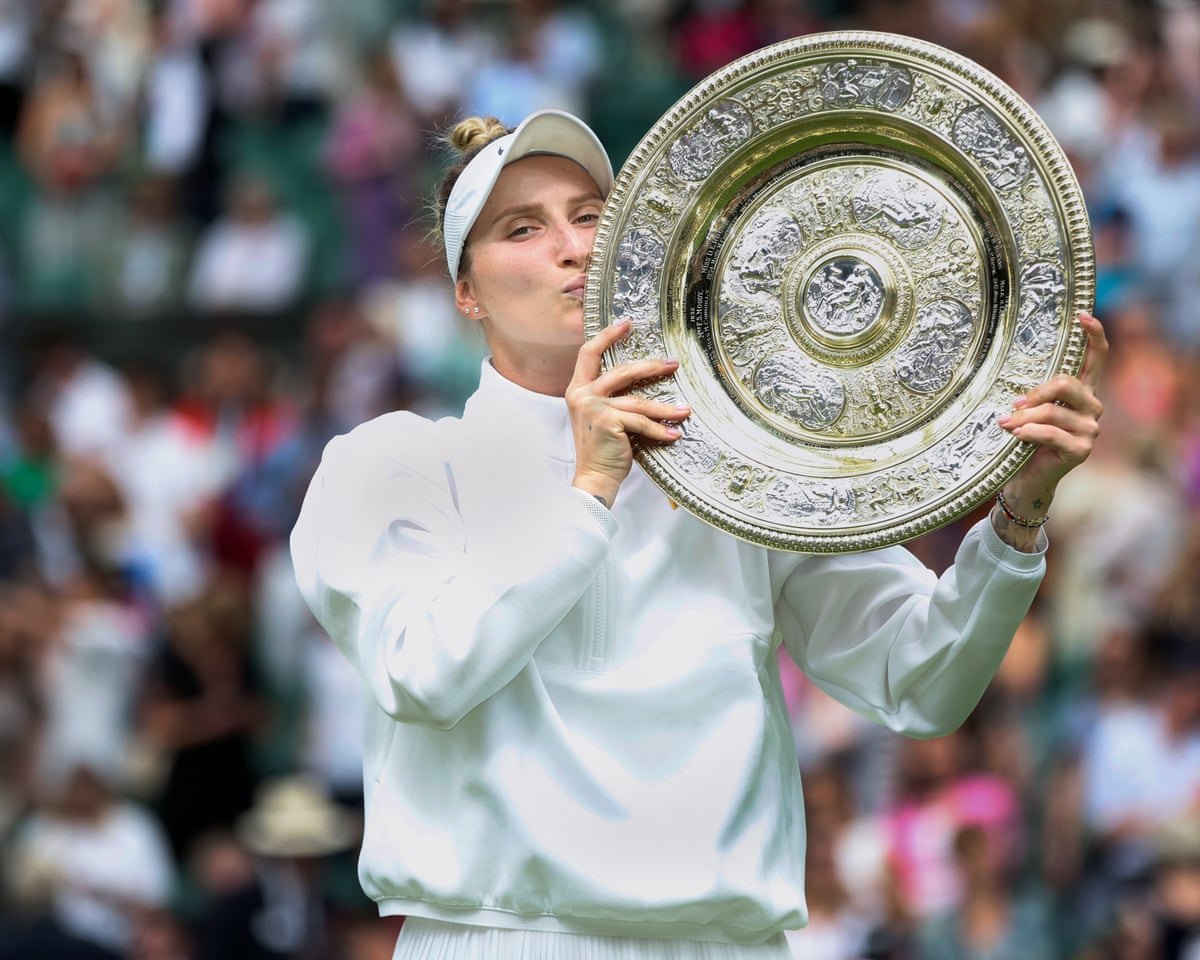
Throughout the months between the initial announcement and the release of the full decision, Vondrousova tried to shape the narrative herself, using social media posts and interviews to explain that she had felt unsafe when the officer knocked, that the officer had behaved improperly, and that her mental health had clouded her judgment that evening. Yet a text message she sent to her boyfriend shortly after the officer's arrival undercuts the fear defence and instead suggests irritation:
"So like here is ringing some cunt from the doping," she wrote.
What did the tribunal conclude?
The tribunal found there was no compelling justification for Vondrousova's refusal to be tested, after hearing testimony from both the player and the doping control officer, according to ESPN's account of the hearing. The panel's most persuasive conclusion was that Vondrousova simply did not understand the basic rules of the whereabouts programme, mistakenly believing testers could only arrive within her designated one-hour slot, and that her agent shared the same flawed understanding and acted on it. The alternative explanation floated by observers – that she knew something would be found and chose not to be tested – remains unproven but has not been dismissed given how self-destructive her actual choice turned out to be.
Her legal team leaned heavily on a claim of impaired cognitive function, arguing she was suffering from generalised anxiety disorder and an acute stress reaction on the night in question. That defence unravelled under scrutiny: of four written expert testimonies submitted, two doctors failed to appear for cross-examination, and a third conceded under questioning that he had never actually diagnosed her. Even taking her evidence at face value, the tribunal ruled it fell well short of the threshold required to excuse refusing a test.

How has Vondrousova responded since the ruling?
After the decision became public, Vondrousova posted on Instagram that she has "never doped" and pointed out that a test taken three days after the incident came back negative, according to ESPN. She had invoked the 2016 knife attack on compatriot Petra Kvitova at her own home as the source of her fear that night, a comparison widely criticised given that Vondrousova still felt comfortable enough to leave the building to walk her dog while the officer waited outside. reported that Vondrousova had not competed since January 2026 because of a shoulder injury at the time the ban was confirmed, meaning the suspension compounds an absence that had already kept her off tour, according to .
The case has also become a rallying point beyond Vondrousova herself. The Professional Tennis Players Association has used the ruling to push for greater player input into anti-doping regulations, and the episode has reignited debate about the privacy and safety of female players during out-of-competition testing, particularly when officers arrive outside a player's designated hours, according to . Under the World Anti-Doping Agency's code, players must supply a daily location and a one-hour testing window, but random testing can still occur at any time, a nuance that appears to have escaped both Vondrousova and her agent.
How does football handle doping cases differently?
On the same day the full Vondrousova decision emerged, the Football Association resolved a very different doping case: Chelsea winger Mykhailo Mudryk was cleared to return to competition after his four-year ban for testing positive for the banned substance meldonium was shortened. Where Vondrousova's case produced a lengthy, publicly available document detailing every step of the process, Mudryk's case has been shaped almost entirely by what the FA has chosen not to disclose. The FA never even confirmed that Mudryk had received a four-year suspension in the first place; that detail only became public when the Court of Arbitration for Sport revealed it in April, after Mudryk appealed.
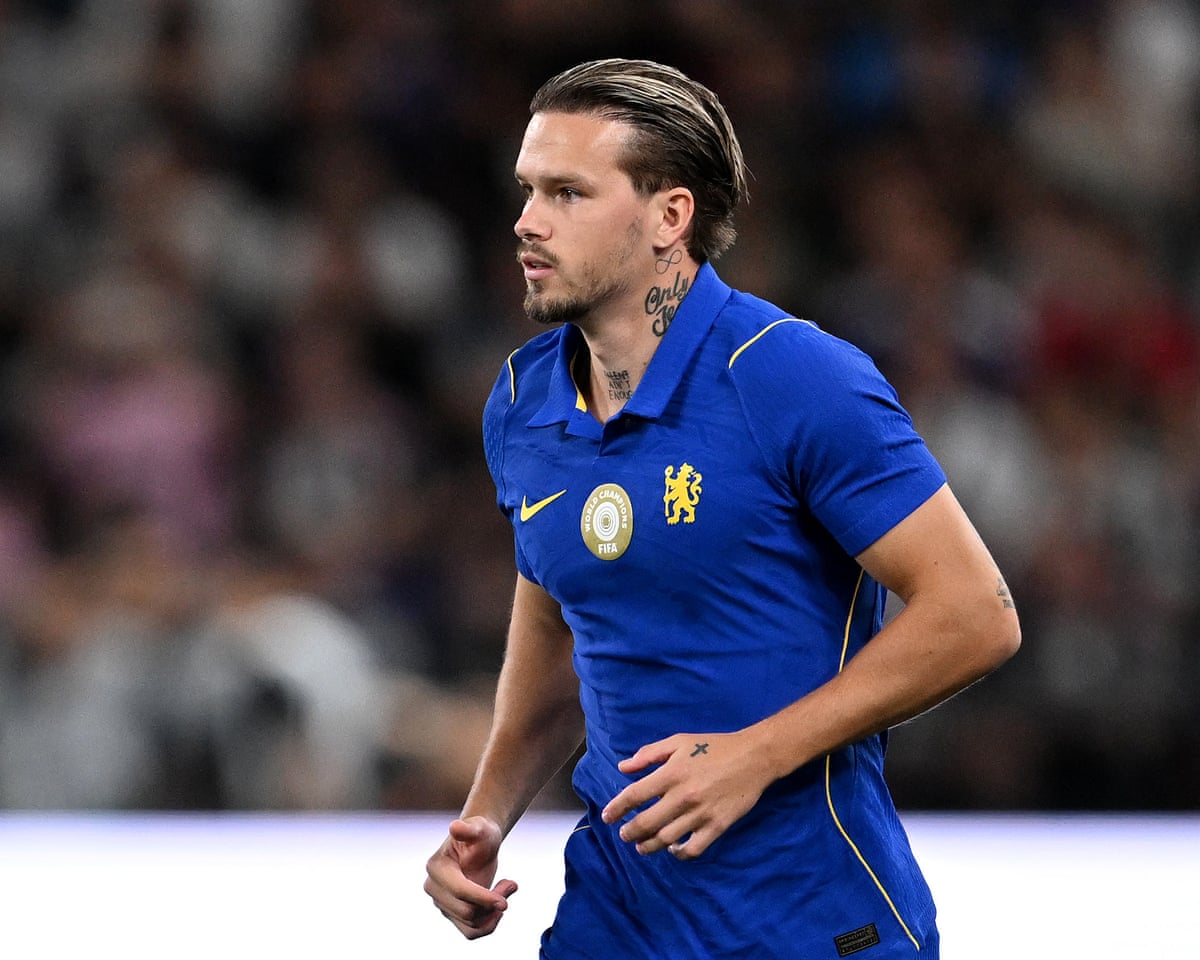
The FA's announcement on 31 July 2026 stated that it had reached a case resolution agreement with Mudryk and Wada, reducing his suspension, and that he had accepted the anti-doping rule violation while being permitted to return. As the Court of Arbitration for Sport's partial ruling on his appeal confirmed, Mudryk was free to play immediately. The FA's press release attributed the reduction to the low concentration of meldonium found in his sample, noting that it would not have been reportable under a new Wada technical document due to take effect in January, alongside unspecified "other circumstances of the case." No further detail was offered.
What followed was a rapid shift in focus away from the doping finding itself and toward how Mudryk might slot back into Chelsea's team, with little scrutiny of the secrecy under which football's governing bodies operate on anti-doping matters. Vondrousova's case is not an isolated example of the sharper transparency now expected in tennis, cycling and athletics, sports that have been pushed toward openness by damaging high-profile doping scandals. Football, sustained by its enormous popularity and relatively few headline doping cases despite the scale of competitive stakes involved, faces far less pressure to explain itself, a dynamic also visible in the murky circumstances surrounding Paul Pogba's 2024 doping ban before the Court of Arbitration for Sport intervened following his appeal.
What happens next?
Vondrousova retains the right to appeal her suspension to the Court of Arbitration for Sport, according to ESPN, though no appeal had been confirmed at the time of writing. Barring a successful challenge, her ban keeps her off tour until 21 June 2030, when she will be 31 years old, effectively threatening to end the competitive career of one of her generation's most gifted players. Mudryk, by contrast, has already resumed training and selection with Chelsea following the case resolution agreement, with no further sanctions pending.
Key Facts
- Vondrousova refused an out-of-competition test at her home at around 8pm on 3 December 2025.
- The ITIA announced her four-year ban on 22 June 2026; her suspension runs until 21 June 2030.
- Of four expert testimonies submitted in her defence, two doctors did not attend for cross-examination and a third had never diagnosed her.
- Mudryk's four-year meldonium ban was shortened via a case resolution agreement announced by the FA on 31 July 2026.
- Vondrousova can still appeal to the Court of Arbitration for Sport; Mudryk has already returned to Chelsea's squad.


