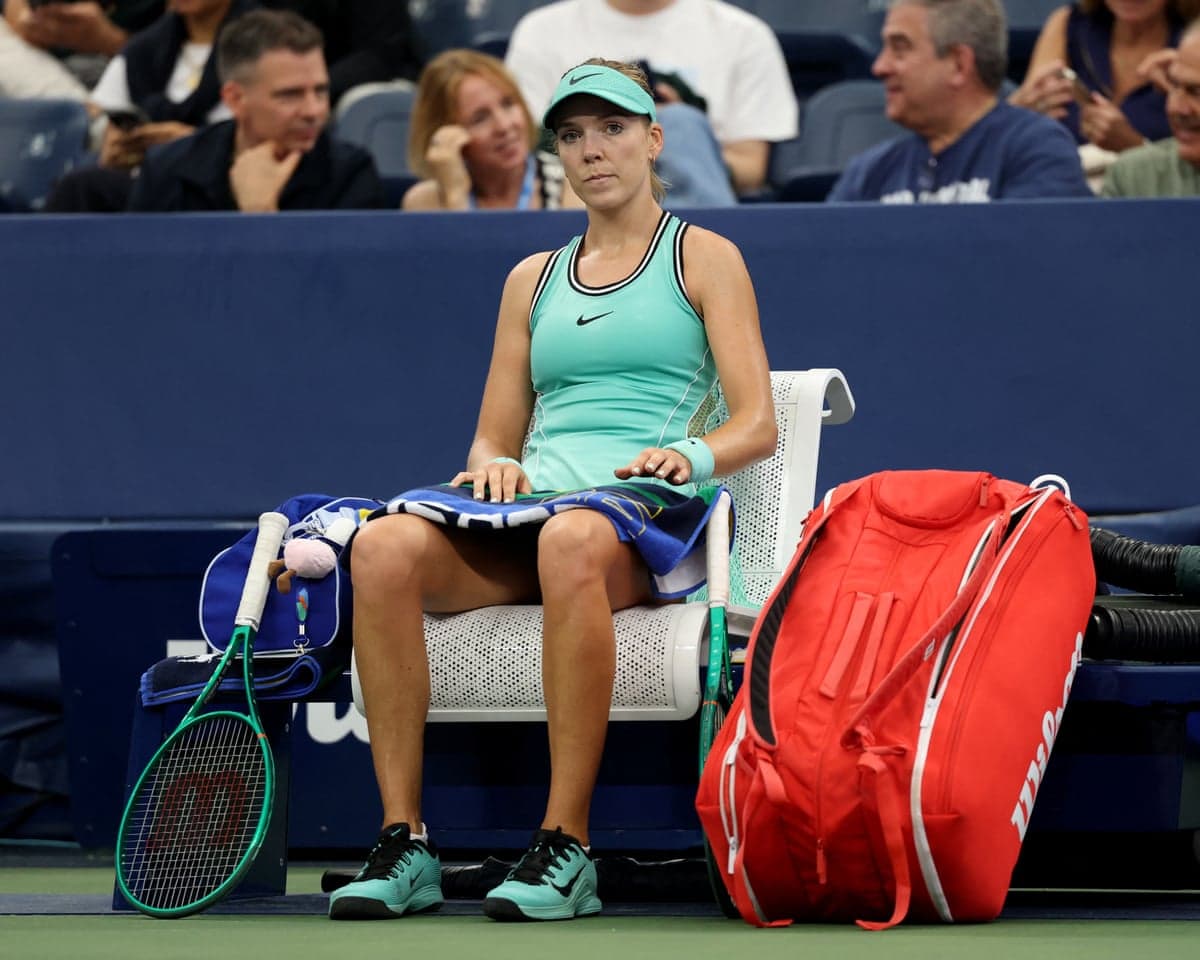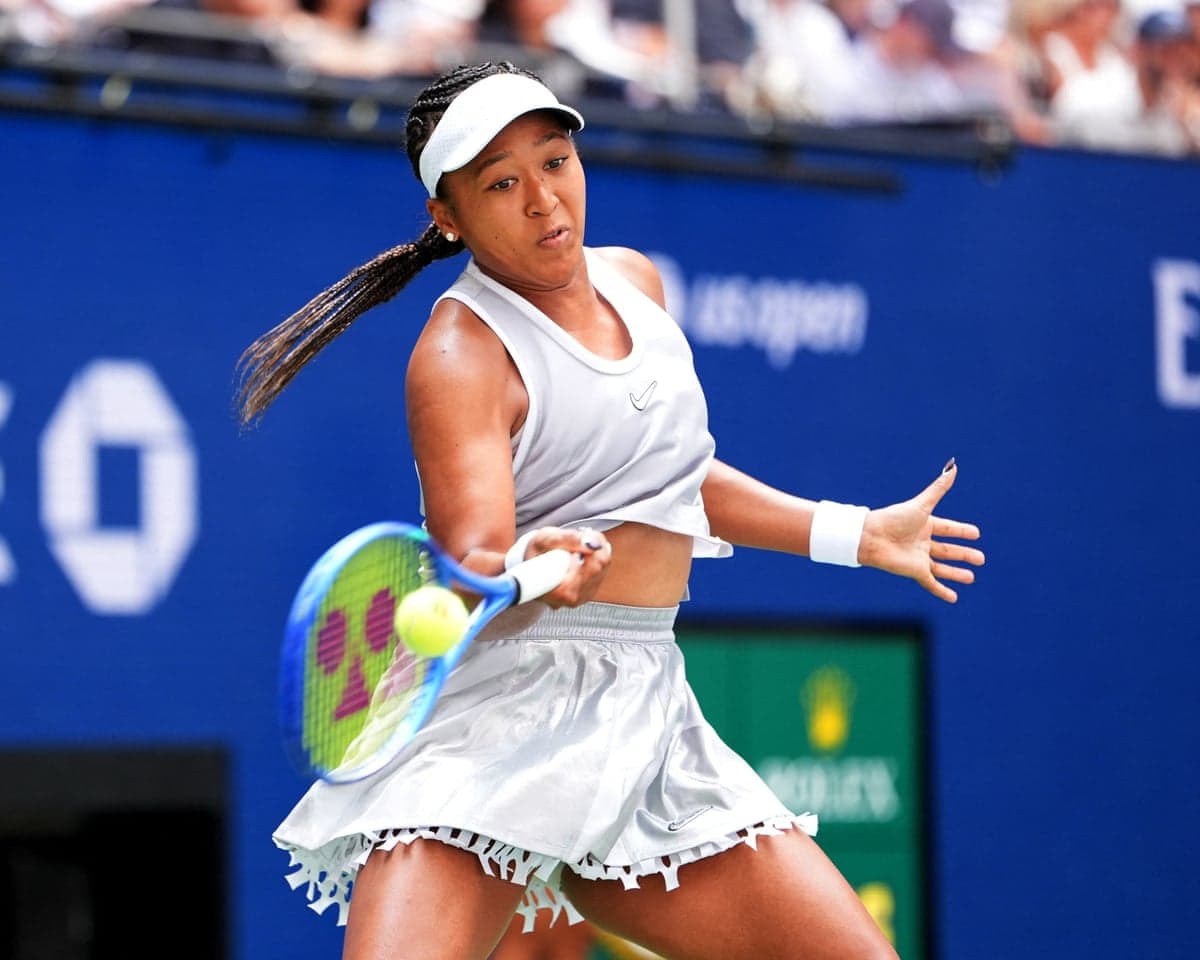
Naomi Osaka advanced to the third round of the US Open on Thursday, September 3, 2026, after grinding out a 6-2, 5-7, 6-1 victory over Katerina Siniakova in the Arthur Ashe Stadium day-session opener. The former champion, seeded 13th in the draw, recovered from dropping the second set to dominate the final frame and secure her passage forward.
For much of the match, Osaka appeared to be in complete control. She established a commanding position with a set and a break advantage, suggesting a straightforward path into the next round. However, tension crept into her game during the closing stages of the second set, allowing Siniakova to mount a comeback and force a decider. Osaka's ability to reset mentally and reassert her dominance in the third set proved decisive, demonstrating the resilience required to navigate the early stages of a grand slam tournament.
This was the fourth career meeting between the two players, with Osaka holding a 3-1 advantage in the head-to-head record. Osaka had defeated Siniakova in straight sets at Wimbledon in 2025, and the Czech player was competing in her fifth US Open second round appearance.
Osaka's path to the US Open has been marked by elevated expectations following an impressive showing on the international hard-court circuit. Before arriving in New York, she produced career-best performances on surfaces that have historically challenged her. She reached the fourth round at the French Open and the quarter-finals at Wimbledon, marking a significant improvement after years of struggling through the clay and grass seasons. Her performance at Wimbledon was particularly noteworthy, as she defeated world No. 1 Aryna Sabalenka in the fourth round—some of the finest tennis she has produced since winning her last grand slam title at the Australian Open in 2021.
However, the weight of heightened expectations has manifested in nervous performances during her opening matches in New York. In her first-round encounter against Anastasia Zakharova, Osaka squandered break opportunities in both sets before barely escaping in two tie-breaks with a 7-6 (6), 7-6 (3) scoreline. This second-round match followed a similar pattern, with nerves costing her the second set before she regrouped to dominate the third.
How does Osaka view her ability to recover from setbacks?
Osaka emphasised the importance of experience in navigating difficult moments during grand slam tournaments.
I'm quite fortunate to have a lot of high-quality matches that went in my favour. Especially whenever I think of going into the third set and I need to regroup … Then it's just like you can just pull from your memory bank for every certain situation that you need to get finished.She reflected on the advantages of maturity as a competitor, noting that her extensive catalogue of matches across different situations provides a valuable resource when facing adversity.
I think that's the best thing about being a more experienced player. You've been able to play so many different matches in different situations. Here, obviously, I've had a lot of good memories, and I hope to continue making them.

What role does fashion play in Osaka's public presence?
Beyond her on-court performance, Osaka continues to generate significant attention through her sartorial choices at major tournaments. Her outfits at this year's US Open pay homage to Allen Iverson, the former basketball player, with elaborate ensemble reveals that have become a defining feature of her grand slam appearances. These fashion statements have generated considerable discussion and, in some quarters, criticism.
The scrutiny surrounding her clothing choices reflects broader tensions in how Osaka is perceived publicly. For someone who describes herself as reserved and inoffensive, the level of antagonism directed toward her is disproportionate. Critics often characterise her as an attention seeker who should focus exclusively on tennis, while others invoke her 2021 mental health struggles—when she withdrew from the French Open citing anxiety around media obligations—as evidence of hypocrisy, despite the fact that she is now at a fundamentally different stage in her life and career.
Much of the criticism Osaka receives operates in bad faith, rooted in resentment over her anti-racist activism during the early 2020s. Having matured considerably and grown in confidence and stature, Osaka remains introverted by nature. She views fashion as a more accessible medium for self-expression than the public speaking and media engagement that her sport demands. Ultimately, she is an entertainer who runs around a court and strikes tennis balls for the enjoyment of her audience—a pursuit that carries no moral weight. The act of wearing elaborate dresses while competing is neither controversial nor outrageous.
What challenges lie ahead in Osaka's draw?
Osaka has been assigned one of the more demanding draws among the tournament's title contenders. Elena Rybakina, the second seed, looms as a potential fourth-round opponent, presenting a significant test should Osaka continue her progression. The immediate priority, however, remains reaching that stage by navigating the third round successfully.
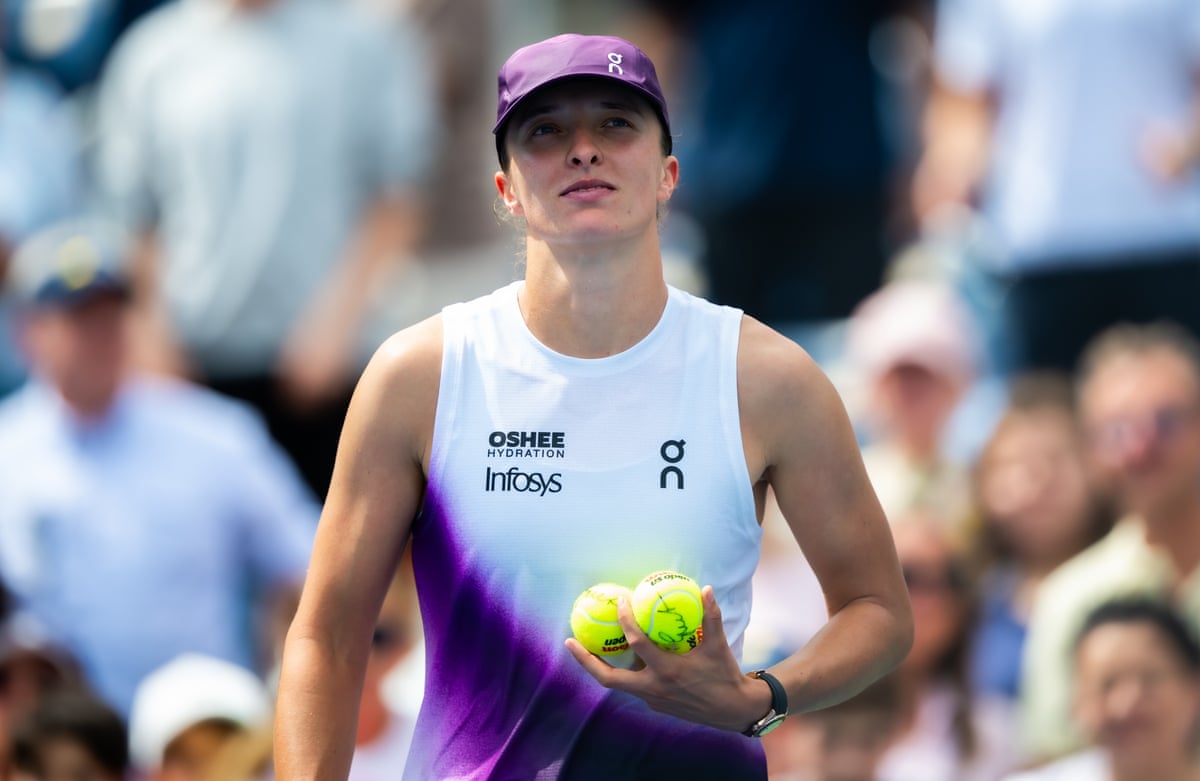
Meanwhile, other seeded players have advanced through the early rounds. Iga Swiatek, the eighth seed and 2022 champion, continued building momentum with a commanding 6-3, 6-2 victory over Nadia Podoroska in the second round.
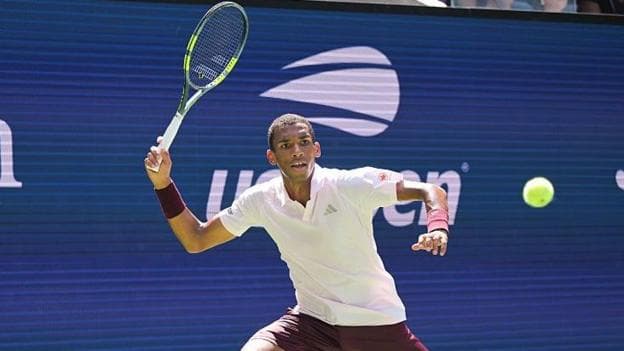
In the men's draw, third seed Félix Auger-Aliassime, who reached the semi-finals the previous year, struggled with dizziness and illness as he fell to Karen Khachanov 6-7 (5), 6-3, 6-2, 6-2. British qualifier Harriet Dart was defeated comprehensively 6-2, 6-2 by 25th seed Marie Bouzkova.
What comes next for Osaka?
Osaka's victory over Siniakova propels her into the third round, where she will face a yet-to-be-determined opponent. Her progression through the early stages of the tournament will be crucial in determining whether she can build on her recent form and mount a serious challenge for the title.