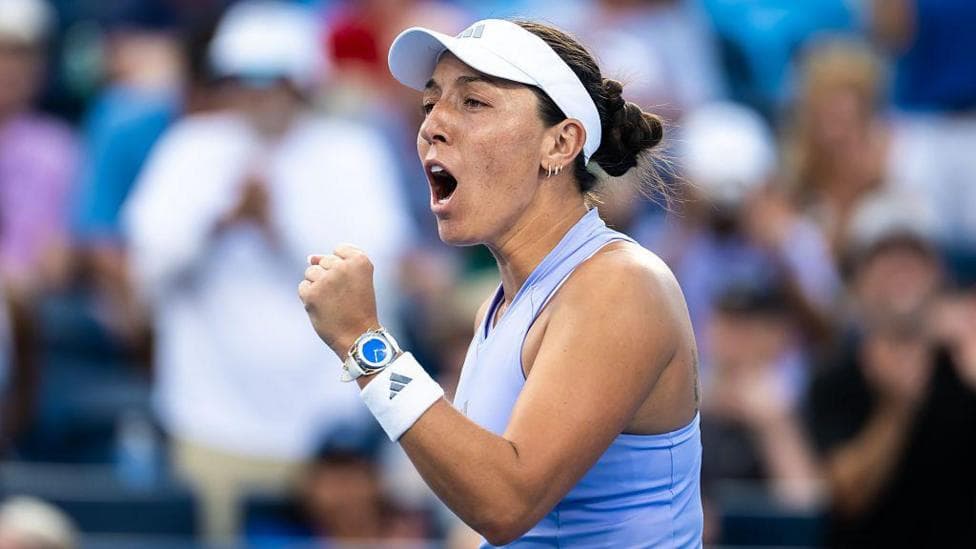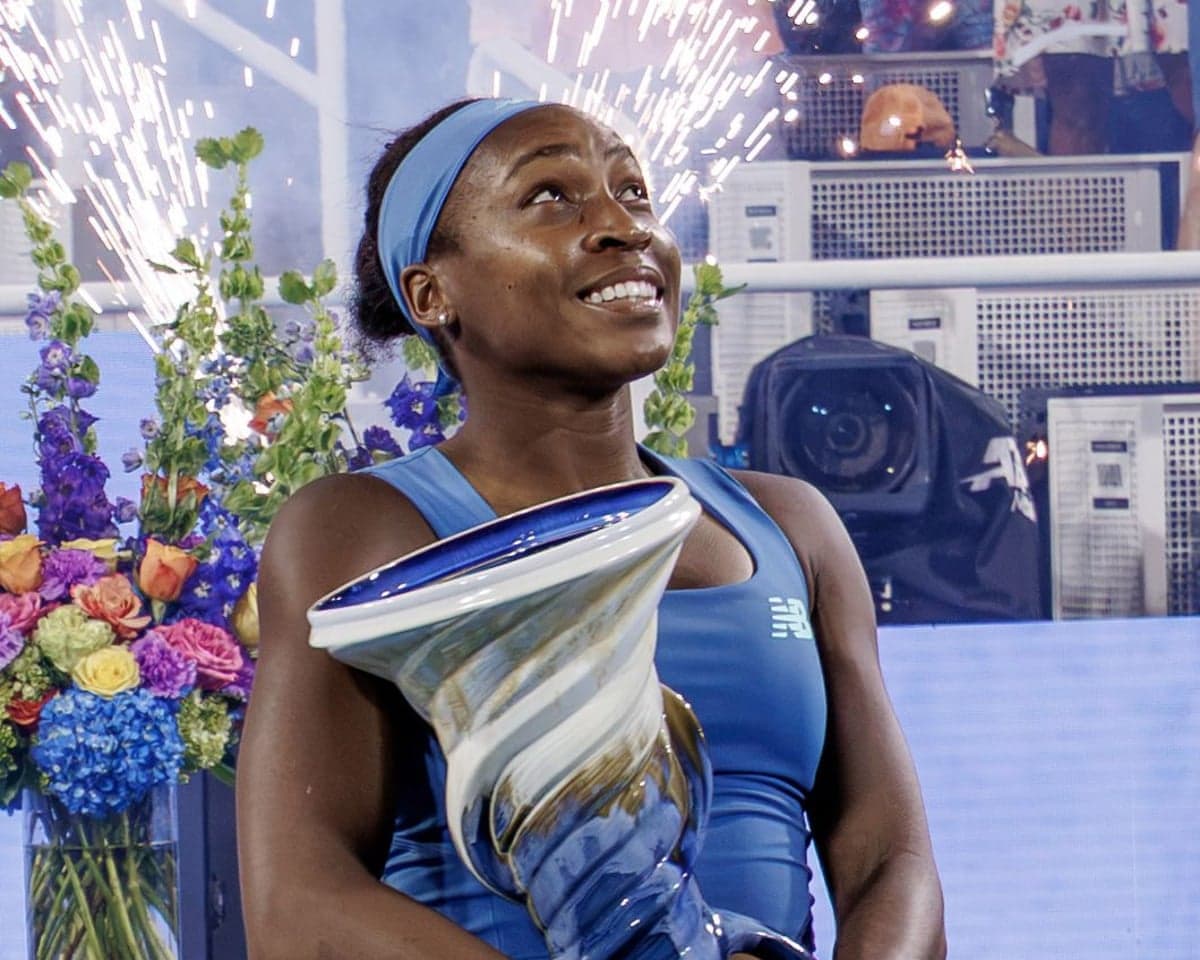
American tennis player Coco Gauff defeated third-seeded compatriot Jessica Pegula 6-2, 6-4 in the Cincinnati Open final, securing her first title of the season and second championship at the event in her career.
The victory represents a dramatic turnaround for Gauff, who arrived at the same tournament twelve months earlier facing a professional crisis. Her serve had become unreliable, marked by frequent double faults that undermined her confidence and performance across matches. Confronted with what felt like a declining trajectory, Gauff made an unconventional decision: she hired Gavin MacMillan, a biomechanics specialist, to fundamentally reconstruct her serving technique. The timing proved particularly challenging—she initiated this transformation just days before the previous year's US Open, one of tennis's most demanding tournaments.
The decision to overhaul such a fundamental aspect of her game on the eve of her most important competition drew intense scrutiny. During her second-round match against Donna Vekic at last year's US Open, the emotional toll became visible when Gauff cried on court. Yet she persisted through the difficult adjustment period, and the investment has now yielded tangible results.
I think it was a long journey, but I'm happy. I've obviously got more years of tennis to play, but I think last year I was just frustrated with my game, and I felt like I was declining, and it's not something any player wants to feel. You always want to feel like you're getting better. So last year I was in a weird predicament, I made sudden decisions that most people probably wouldn't do before a slam, but I think it's worth it. And obviously, I feel like it's night and day, the player I am from last year to now.
How has Gauff's serve transformed her game?
The biomechanical work with MacMillan has fundamentally altered Gauff's approach to serving. Rather than playing defensively—attempting to minimize double faults by reducing the proportion of second serves—she now possesses the confidence to attack aggressively. In the Cincinnati final, she repeatedly delivered first serves exceeding 120 miles per hour, allowing her to dictate points from the outset. This newfound offensive capability has complemented her already exceptional movement and defensive prowess, creating a more complete and threatening player.
Pegula acknowledged the difficulty of competing against Gauff when all elements of her game function cohesively.
It's just so hard when you play somebody that moves... I mean, she's the best mover on tour, I think by far. Just the way that she's able to defend out of the corners is better than anybody else, and that's truly her strength. So when she's doing that and able to move forward and able to serve well and return well, it becomes very difficult.

What was the path to Cincinnati victory?
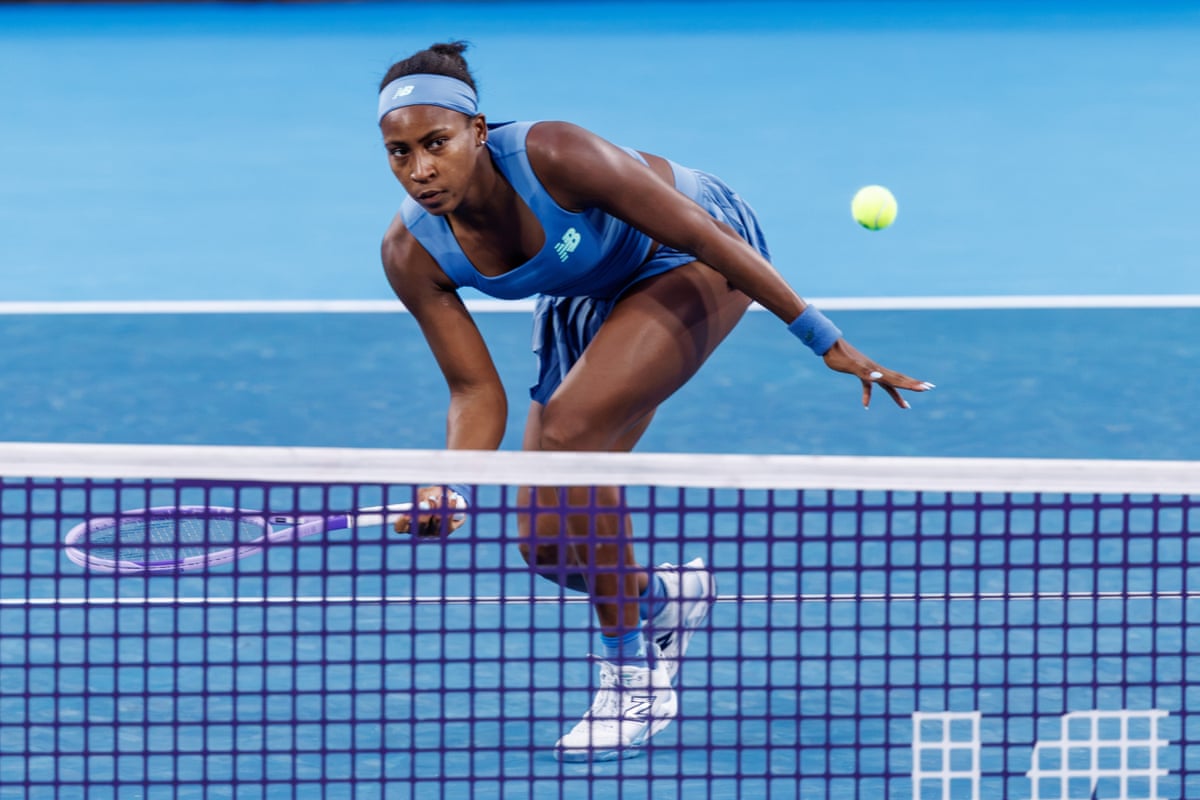
Gauff's run through the Cincinnati draw proved remarkably smooth by her standards. After dropping her opening set to Liudmila Samsonova, the fourth-seeded American won ten consecutive sets as she advanced through the tournament. This efficiency contrasted sharply with her typical pattern of engaging in extended three-set contests, a tendency that has become her trademark on the professional circuit.
The ease of her progression prompted Gauff to reflect on the toll her usual matches exact on those around her.
A lot of my supporters are like, 'I can't take these three set wins' and my mom's showing her heart rate going up and down. So hopefully I gave my team a little bit of a break this week. Can't say the same for New York. It's a grand slam, but I definitely was thinking about it. I was like, for the sake of my own mind and body, I was trying to get these done in two sets.
This tournament represented Gauff's fifth WTA 1000 semi-final appearance of the season and her third final at that level. The Cincinnati title marks her first championship of the year and her fourth career WTA 1000 crown, demonstrating sustained excellence across the sport's most prestigious events outside the four major championships.
What about Pegula's tournament run?
Although Pegula departed Cincinnati without the title, she compiled an impressive tournament of her own. The American defeated Sorana Cîrstea, Amanda Anisimova, and defending champion Iga Swiatek in consecutive three-set matches to reach the final. Her victory over Swiatek represented her most significant win of the season, showcasing her capacity to perform under pressure against the tour's elite competitors.
Pegula now heads to the US Open as one of the tournament's in-form players, carrying momentum from her Cincinnati run. Like Gauff and Toronto champion Swiatek, she arrives at the year's final major championship seeking to convert recent success into a maiden Grand Slam title. For Pegula specifically, capturing the US Open on home soil would represent a career-defining achievement.
What lies ahead for the top contenders?
The concentration of strong recent performances among American and international top-ranked players suggests the US Open will feature intensely competitive matches among the sport's elite. Gauff, Pegula, and Swiatek have all demonstrated their capacity to sustain high-level tennis across multiple tournaments, setting the stage for a compelling final major championship of the season. The women's game has been characterized by this depth of talent and competitive balance for several years, and the US Open promises to reflect that ongoing trend.