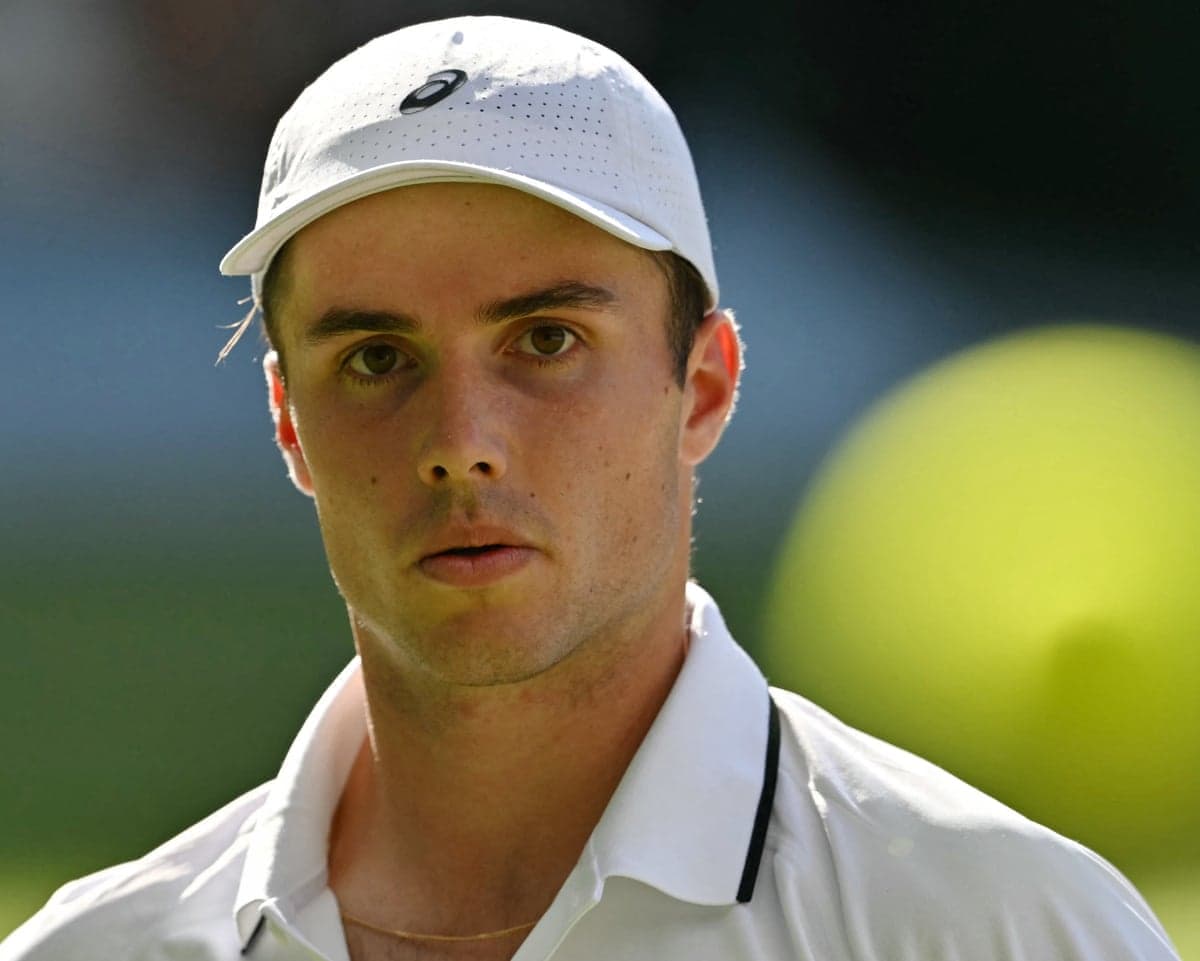
Twelve months ago, Arthur Fery was ranked around 300th in the world and wrestling with a persistent arm injury that threatened to derail his tennis career entirely. Today, the 24-year-old British player sits at a career-high No. 36 after an improbable run to the Wimbledon semi-finals, a transformation that has reshaped not only his ranking but his entire outlook on professional tennis. His journey from the depths of doubt to the cusp of the world's elite represents one of the sport's most compelling recent stories.
Fery entered Wimbledon ranked world No. 114 as a wildcard and climbed to a career-high No. 36 after his run, becoming only the fifth British man this century to reach the second week at Wimbledon. The contrast between his circumstances now and a year ago could hardly be starker. Yet beneath the euphoria lies a story of grinding perseverance through injury, self-doubt, and the relentless demands of professional sport.
The Long Battle With Injury
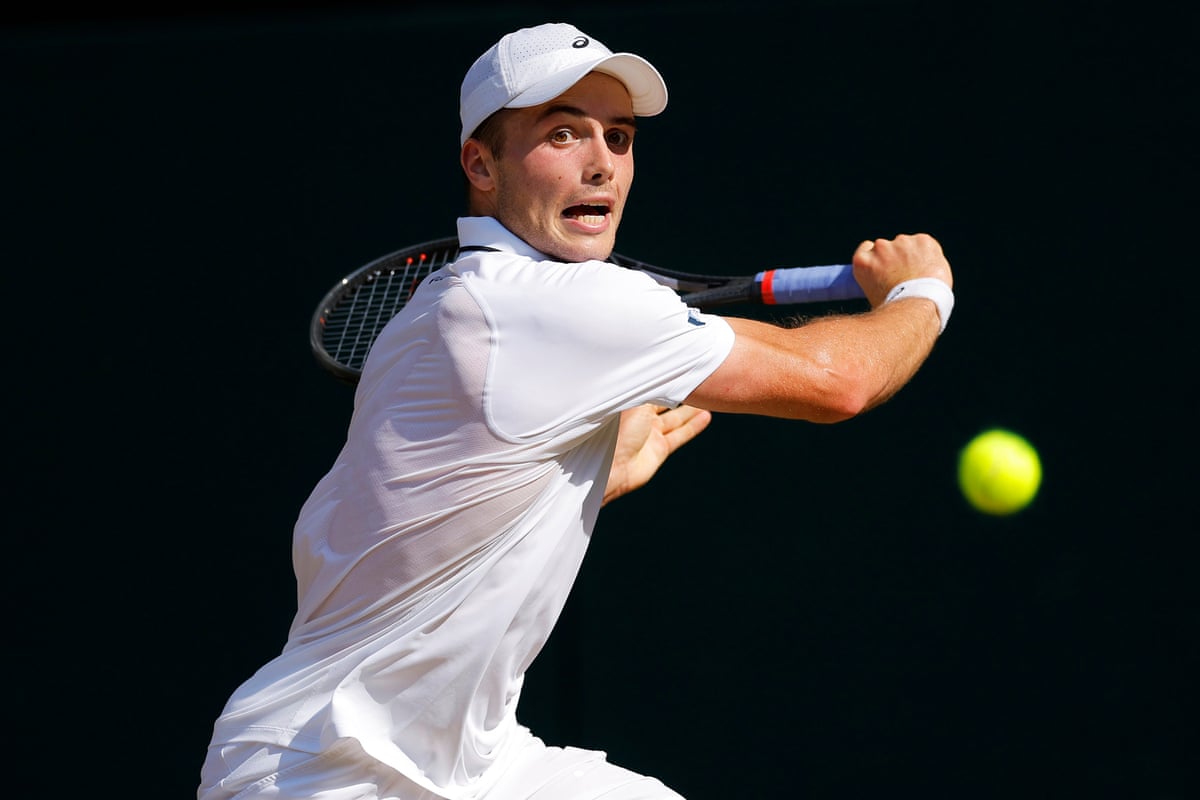
The arm injury that has haunted Fery's career for two years remains the defining challenge of his professional life. Between 2023 and 2025, he barely managed to play a full schedule, watching helplessly as his body prevented him from competing at the level he knew he possessed.
I came back from an arm injury before Wimbledon 2025. I won a round at Wimbledon so that would have pushed my ranking up. But this time last year I had an MRI scan because my arm was really painful again. I was battling arm pain for a long time.
The psychological toll of such prolonged physical struggle cannot be overstated. Fery admits that there were moments when he questioned whether the injury would force him to abandon tennis altogether.
There were some moments when I was thinking: 'Oh, this [injury] is what's going to make me stop playing tennis, or be the limiting factor in my career.'Yet he has learned to channel that adversity into mental resilience.
There was definitely a lot of doubt and some moments where you just can't find a way out, or see a way of improving things. It's difficult. But that helped shape me as a warrior who has a good mentality – even though I wish [the arm injury] had never happened.
His friend and fellow British player Jack Draper has endured a similar trajectory, though in reverse. Fourteen months ago, Draper had risen to world No. 4 and appeared poised to challenge for grand slam titles. An arm injury has since derailed his career, and he has slumped to No. 143. The two players maintain close contact, exchanging updates on their recoveries.
It's the same injury. We text because sometimes his arm's doing well and mine's not or vice versa. We always keep in touch and exchange thoughts because it's not an easy injury at all.
How Did Wimbledon Change Everything?
Fery's breakthrough at Wimbledon came as a shock to many observers, though not to the player himself. When he defeated world No. 10 Flavio Cobolli and other seeded opponents to reach the semi-finals, his composure under pressure surprised commentators who had barely heard of him weeks earlier. Yet Fery had always possessed belief in his abilities; the problem was that his body had not allowed him to demonstrate them consistently.
I always had belief in my level, but my body was stopping me from playing much. When you don't play much, you can't play at your top level. You need to practise and have matches under your belt to reach the best of your ability.
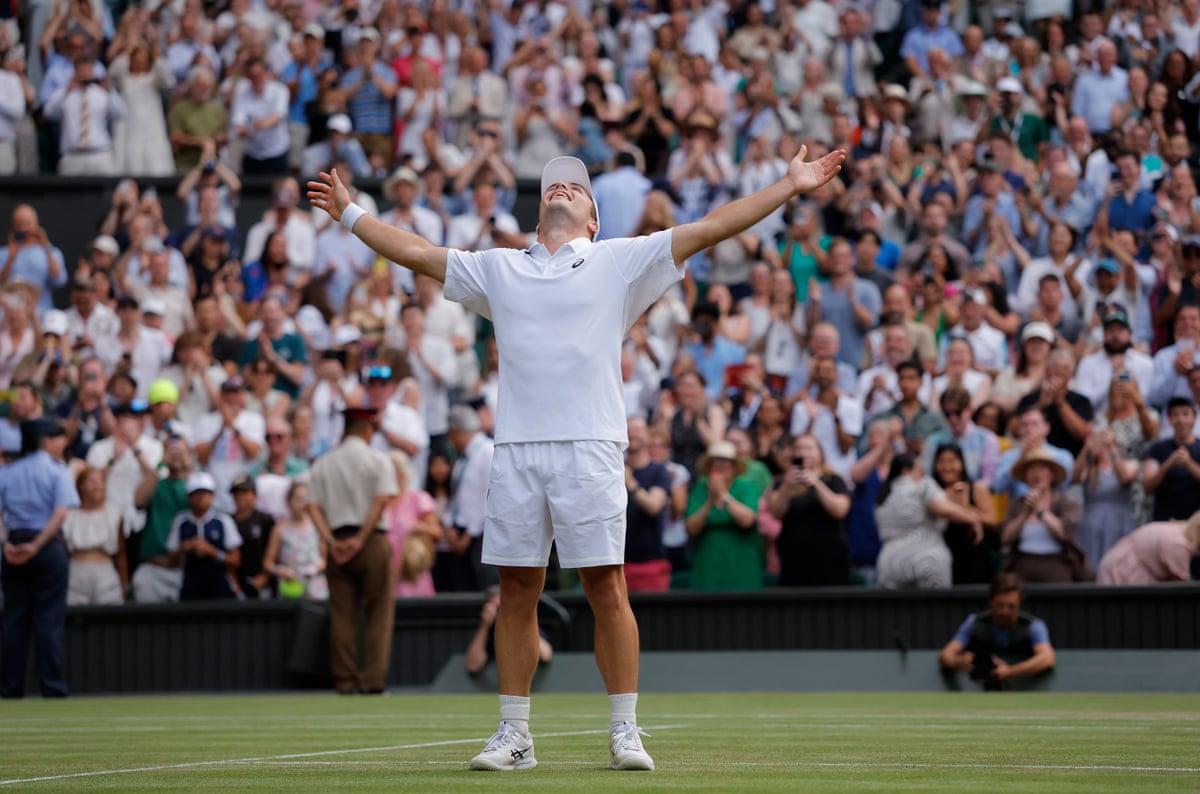
His favourite victory came in the third round on court 18, a five-set marathon against Grigor Dimitrov that lasted nearly five hours. Fery was on the brink of defeat twice, down a break at 4-1 in both the fourth and fifth sets, yet he clawed his way back to victory.
That was the most special because it was the match that made me break top 100. I was very close to losing in four sets, when I was a break [and 4-1] down in the fourth, and same again in the fifth, and I just clawed my way back. It was my first five-set match that I won, and it took almost five hours with everyone watching.
His approach throughout the tournament was methodical and grounded.
I played so many incredible players who had incredible careers at Wimbledon and managed to get through. I never thought that the semi-finals were possible. But I just took one match at a time and played the opponent, not the stage, and there was never a match up until the semis which I thought I couldn't win.
What Happened in the Semi-Final Against Zverev?
Fery's run ended against world No. 3 Alexander Zverev, the French Open champion, in the semi-finals. The match represented a step up in opposition that proved decisive. Fery remained competitive in the opening set, breaking Zverev early before being broken back, and took the set to a tie-break. However, his level dipped at a crucial moment.
I knew that day was definitely a step up in terms of opponent but I was able to stick with him in the first. I'd been broken early but I broke back and stayed him until the tie-break. Yes, my level dropped a little in that tie-break and his average level was so high, with his full quality so high on both wings and with the serve. If mine dropped by even 5% I was in trouble. I lost that tiebreak 7-0 and then it was tough to fully believe, 100%, like I did in my other matches.
Despite the loss, Fery has made peace with the outcome.
I hate losing and, no matter how good the opponent is, I always feel like I could have done better in most matches that I lose. But that one was definitely a bit easier to swallow, even though it would have been great to keep the dream going, and winning the tournament was only two matches away. But I had two of the three best players in the world to beat.The £900,000 prize money he earned for reaching the semi-finals represented a life-changing sum for a player who had been grinding through Challenger events just months earlier.

How Has His Career Progressed Since Wimbledon?
Fery's first tournament since Wimbledon came last week at the Cincinnati Open, where he reached the third round. The comeback was commendable, though ultimately unsuccessful. He reeled off five consecutive games in the second set before falling to Alex De Minaur. The prize money of $36,100 pales in comparison to his Wimbledon earnings, yet it represents genuine progress for a player who was barely competing a year ago.
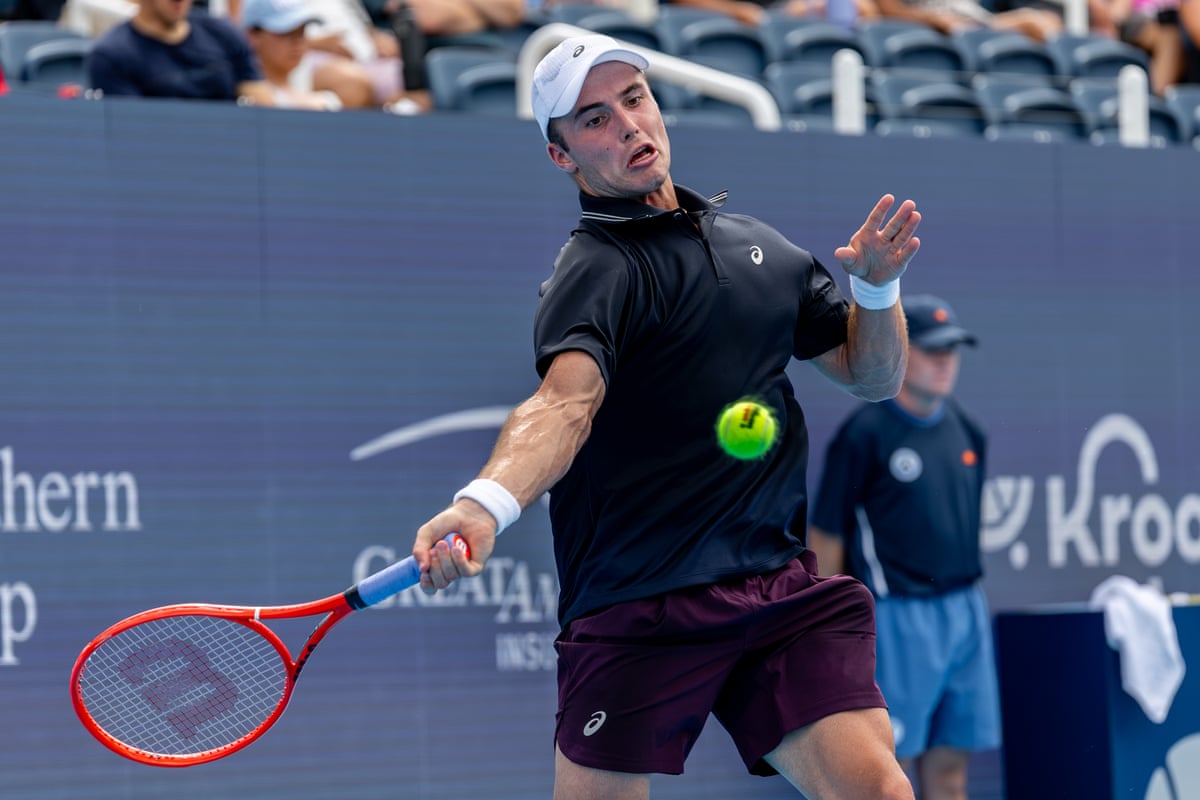
A year earlier, Fery did not even make the qualifying draw at Cincinnati. He recalls the surreal experience of being called up as a last-minute replacement.
It was very weird because I wasn't in the draw and then someone pulled out that morning and in 30 minutes I had to go from breakfast to the court. I beat Zachary Svajda in the first round, 7-6 in the third. Really tough match. I lost to [Martin] Landaluce in the second round of qualifying in three sets but I had some good sensations.
Those positive feelings carried through to Colombia, where Fery won his first ATP Challenger title in Barranquilla, earning $14,000 and climbing to No. 237 in the rankings. The victory, though modest in financial terms, represented a crucial breakthrough for a player battling injury and self-doubt.
Challengers are really difficult and everyone is really hungry to win and it's tough. The conditions are not as good as they are on tour – where everyone wants to be. So a lot of players there are tough to beat. The average level is a little lower than the ATP tour but the willpower and hunger to win is very high.
What Are His Goals for the US Open and Beyond?
Fery will make his main-draw debut at the US Open, which begins on 30 August, after the tournament named him a "player to watch" for 2026. He has only previously competed at two junior US Opens, losing in the second round in 2019 to Canadian Liam Draxl, 7-6, 6-1. Fery's remarkable recall for match details extends to that junior encounter seven years ago, when he was struggling with a racket that was too heavy for his frame.
I was using a racket that was way too heavy for me and I struggled big time on my strokes. I was tinkering with my racket for a valid reason but it went too far. I also remember it just being really hot and struggling physically, sweating so much.
Before Flushing Meadows, Fery will compete at the Winston-Salem Open from 23-29 August, earning direct entry into a Masters event for the first time in Cincinnati before the North American hard-court swing. His ranking now sits just outside the seeded positions at the US Open, a remarkable achievement for a player who began the year at No. 180.
Fery has set ambitious targets for his development.
We haven't spoken about ranking goals since Wimbledon. I started the year at No 180 and I wanted to be top 100 by the end of the year. I've got that done but I now need to stabilise as a top 30 player and then push on because there are a lot of things I feel like I do better than those players above me. But there are also lots of things where I'm not as good as them.
Where Can Fery Improve His Game?
Despite his breakthrough, Fery recognises significant areas for development. His clay-court game requires substantial work, and he must improve his ability to handle high balls and develop a more consistent serve. Playing multiple matches in succession remains a challenge, as does the mental resilience required at the highest levels of professional tennis.
At 1.75 metres tall, Fery is considerably shorter than many of his opponents, including Zverev at 1.98 metres. Yet he has learned to turn this apparent disadvantage into an asset.
But there are other things that I can do better than them when using my height. I return very well, I can move very well because of how low to the ground I am. But I need to work on my mindset, taking the ball early, using my hand skills, things like that.
What Lessons Has He Learned From Other British Players?
Fery has observed the trajectory of fellow British player Emma Raducanu, who won the US Open as a qualifier in 2021 but has since struggled with injuries and coaching changes. He recognises the importance of maintaining a stable support system to navigate the demands of professional tennis.
Yes, definitely. It's really important to have good people around myself. My coach, my parents, my agent are in it for the right reasons and are going to guide me down the right road even when there are so many more commitments. That's the first step towards not being distracted.
Since his Wimbledon breakthrough, Fery has noticed a shift in how other players regard him, though he remains grounded about the transient nature of sporting attention.
Yes and no. I've been congratulated quite a lot but the tennis schedule is pretty relentless and I feel like everyone forgets quite quickly, which is good, because it means you don't get stuck in one tournament or result. You always have to keep pushing forward. But it definitely feels good to be around the top players in the world.
Fery's story remains one of resilience and self-belief in the face of adversity. From battling a career-threatening injury to reaching a grand slam semi-final, his journey has demonstrated that sustained mental toughness can overcome physical setbacks. As he prepares for his US Open debut and the next phase of his career, the measured and thoughtful 24-year-old carries with him the hard-won wisdom that comes from fighting through doubt and pain to achieve his dreams.