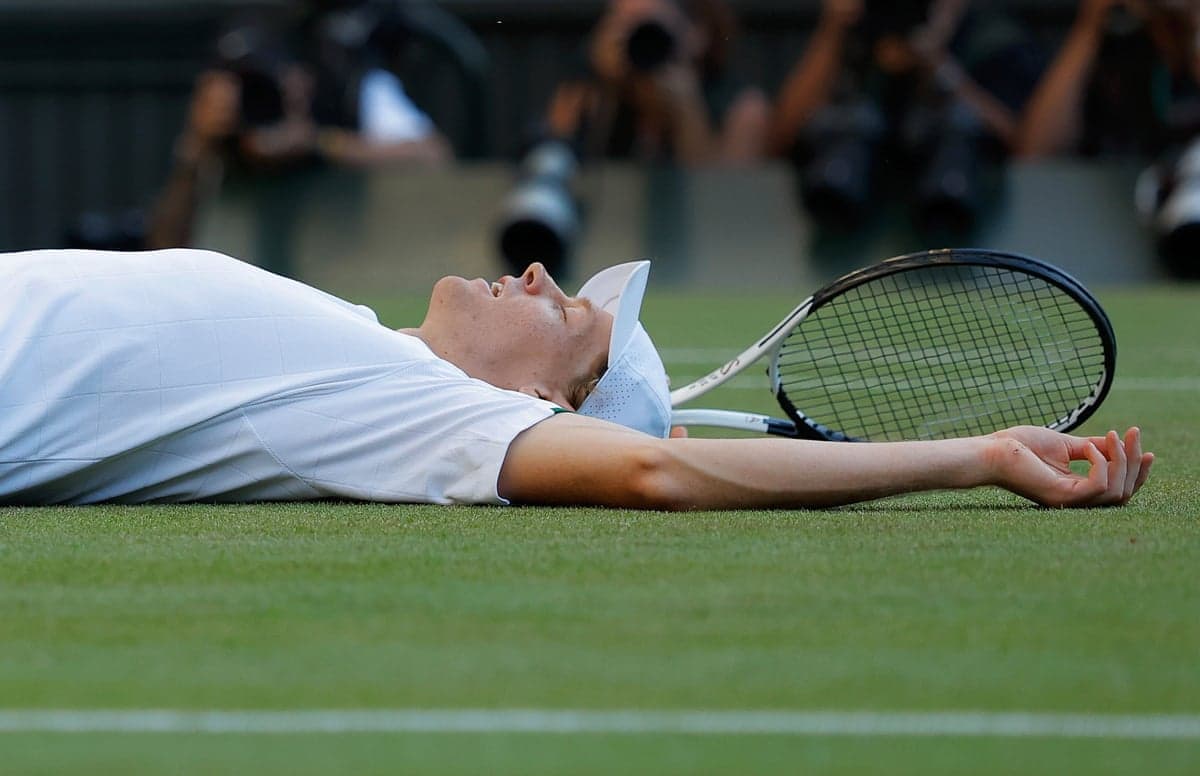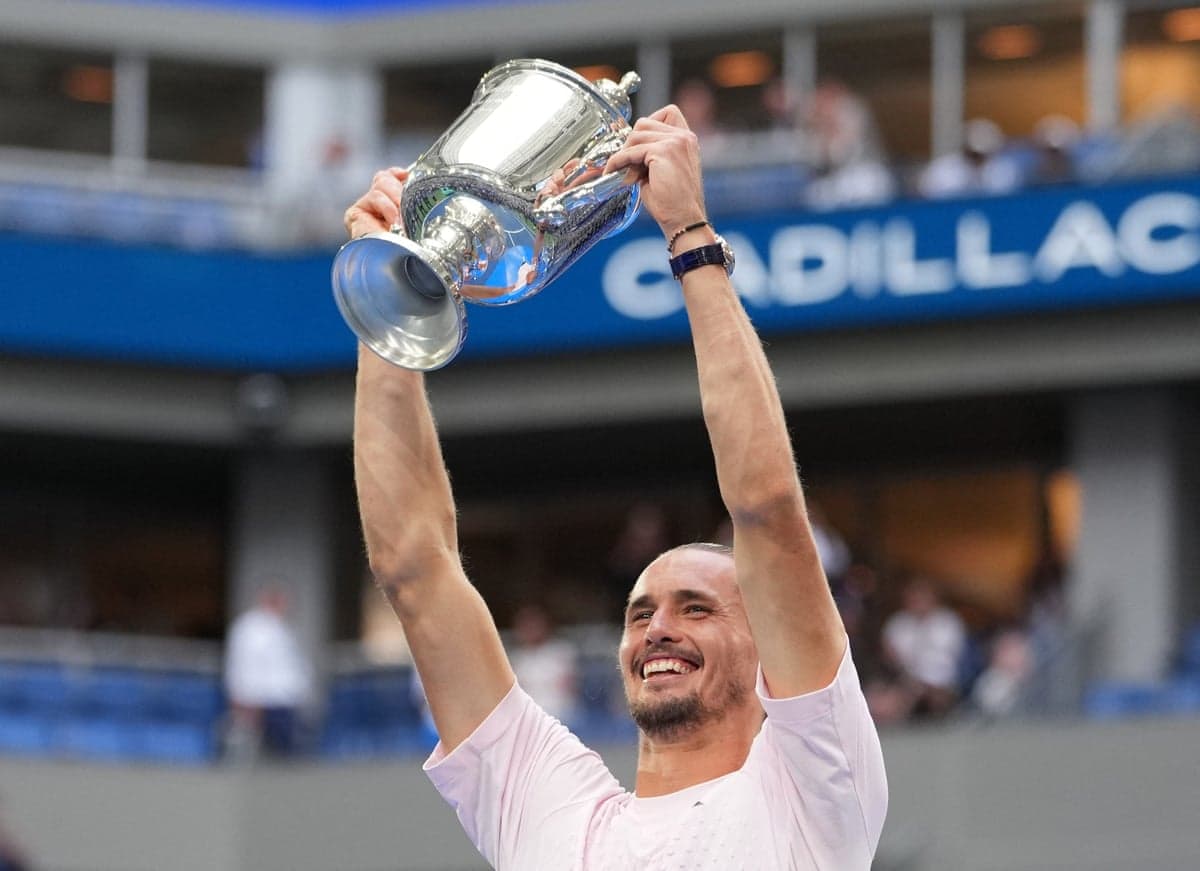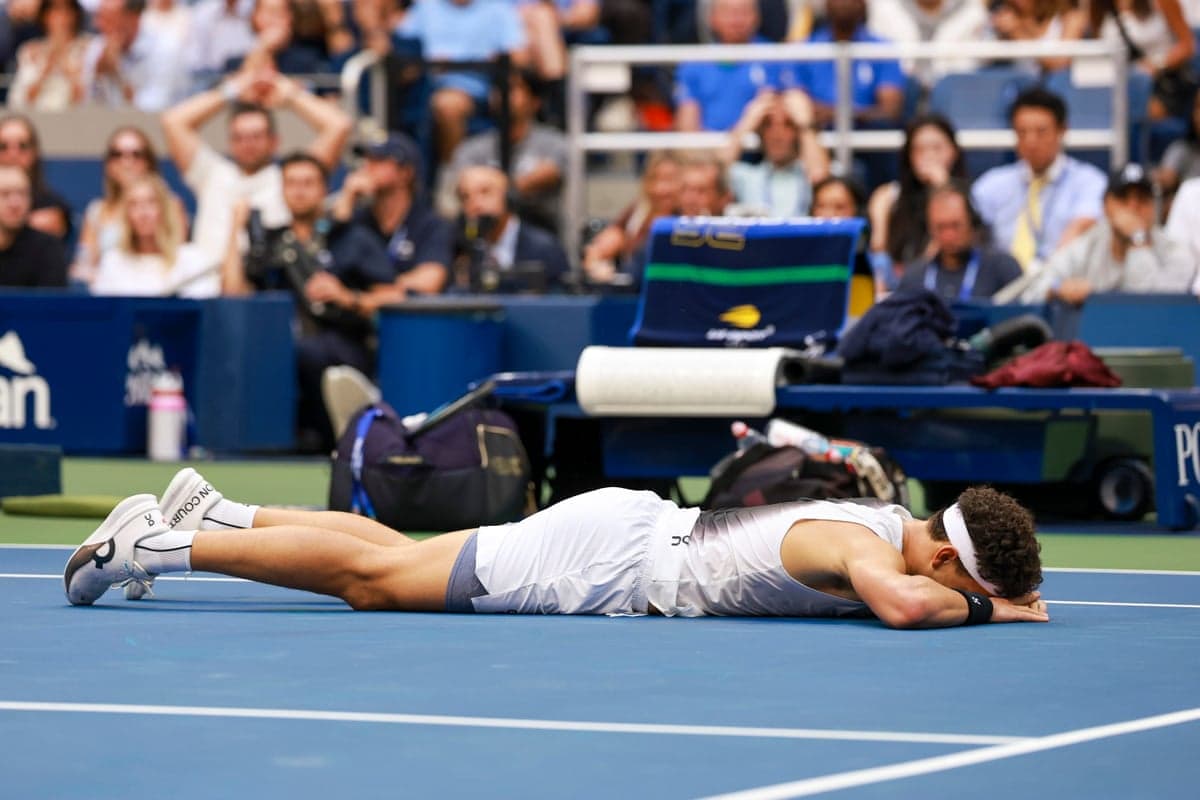
Alexander Zverev proved too dominant for Ben Shelton in the US Open men's final on 13 September 2026, claiming his second Grand Slam title of the year with a 6-3, 7-6(7-2), 5-7, 6-2 victory at Arthur Ashe Stadium. The defeat extended American men's grand slam championship drought to 23 years, with the last victory coming when Andy Roddick won the 2003 US Open—a month before Shelton was born.
Shelton, making his grand slam final debut, carried the weight of a nation's expectations into the match. According to reporting on the final, Zverev's victory denied Shelton the opportunity to become the first American man to win a major since Roddick and the first Black American man to claim a singles title since Arthur Ashe in 1975. The 23-year-old's loss to Zverev marked their fifth consecutive meeting without victory for the American.
In his post-match press conference, Shelton struggled to mask his disappointment.
Disappointed with how today went,he said.
Excited with the progress that I feel that I've made. But, yeah, this one stings 100%.
How did Shelton reach the final?
Shelton's path to the championship match demonstrated his rising status in professional tennis. He defeated fellow American Frances Tiafoe in the semi-finals in a four-set contest, then advanced past Dominic Thiem and Tommy Paul in earlier rounds. His journey to the final had energised American fans who believed the long championship drought might finally end.
The 23-year-old arrived at the tournament as a genuine contender, having won four titles during 2026, including a successful defence of his Canadian Open crown. His evolution as a player—particularly the development of his backhand slice and improved returning ability—had made him a formidable opponent. Shelton's coaching arrangement with his father, Bryan, a former world No. 55 who reached the French Open mixed doubles final, provided him with a significant advantage over his American peers.
Why did Zverev dominate the final?
Zverev's superiority on the day was evident from the opening moments. According to coverage of the match, the German's height, court speed and tactical awareness proved overwhelming. His ability to defend against lobs, neutralise Shelton's net attacks and draw his opponent into unfavourable baseline exchanges controlled the rhythm throughout.
Shelton's normally devastating serve malfunctioned at a critical moment. He committed four double faults and squandered four of six break-point opportunities, with one costly miss handing Zverev a decisive break in the fourth set just as Shelton had fought his way back into contention. The American's unforced errors mounted as the match progressed, particularly in extended rallies where Zverev's consistency proved decisive.

A pivotal moment arrived at 3-4, 30-30 in the third set. Shelton grew impatient during a baseline exchange, rushed the net on a driving forehand, and Zverev passed him cleanly down the line. As Shelton fell to the court, the weight of 23 years of American frustration seemed to crystallise in that single moment.
What does this mean for American men's tennis?
The drought that began when Roddick claimed his sole grand slam title has defined an era of American tennis marked by unfulfilled promise. For approximately 15 years, the search for a successor to Roddick dominated discourse around the sport. Mardy Fish emerged as a second-week slam threat before injuries derailed his career. John Isner reached the 2018 Wimbledon semi-finals. Jack Sock, the US Open junior champion, won the Paris Masters. Steve Johnson contributed to four college championships at USC. Yet none bridged the gap to grand slam glory.
By the time these players reached their peak years, the landscape had shifted dramatically. The dominance of Roger Federer and Rafael Nadal gave way to the Big Three era with Novak Djokovic's emergence, then to the Big Two of Jannik Sinner and Carlos Alcaraz. The narrative of the Great American Hope gradually faded from prominence. Frances Tiafoe's remarkable journey from sleeping in a tennis club storage room to competing at the highest level provided an inspirational storyline, while Taylor Fritz's appearance in the 2024 US Open final offered a moment of national pride. Yet neither translated into championship success.
Roddick himself has grown weary of the discourse surrounding the drought. On his podcast, he expressed frustration with the constant discussion:
One, at this point I hate talking about it. Two, I hate that other players have to talk about it. Three, I hate that, like, [John McEnroe] has to talk about it. For fuck's sake, he won a lot. I won one.
The contrast with American women's tennis underscores the disparity. Since Roddick's 2003 triumph, American women have claimed six singles titles at the US Open alone, maintaining a standard of excellence that echoes the achievements of previous generations. The men's game, by contrast, has failed to produce a champion of the calibre of Arthur Ashe and Stan Smith in the 1970s, John McEnroe and Jimmy Connors through the 1980s, or Andre Agassi and Pete Sampras in the 1990s and early 2000s.
What lies ahead for Shelton?
Despite the disappointment, Shelton's future remains bright. His ranking jumped to world No. 4 following the final, and at 23 years old, he possesses considerable time to refine his game and mount future challenges. The ATP Finals later in 2026 and the 2027 Australian Open represent immediate opportunities to build on his progress and demonstrate that this final appearance marks the beginning rather than the peak of his grand slam ambitions.
Zverev himself acknowledged Shelton's potential in his acceptance speech.
Ben, I already told you you're going to be back here many, many more times if I would have to bet my money on it,the German said.
I would bet that you would lift this trophy one day.
Yet as long as Alcaraz and Sinner remain entrenched at the summit of men's tennis, with Zverev positioned firmly in the tier below, the American drought shows no signs of ending. According to analysis of the final, Zverev's victory marked his second major of 2026 after winning the French Open, demonstrating the consistency required to break through at the sport's highest level. For American men seeking to end their championship drought, the standard has never been higher.