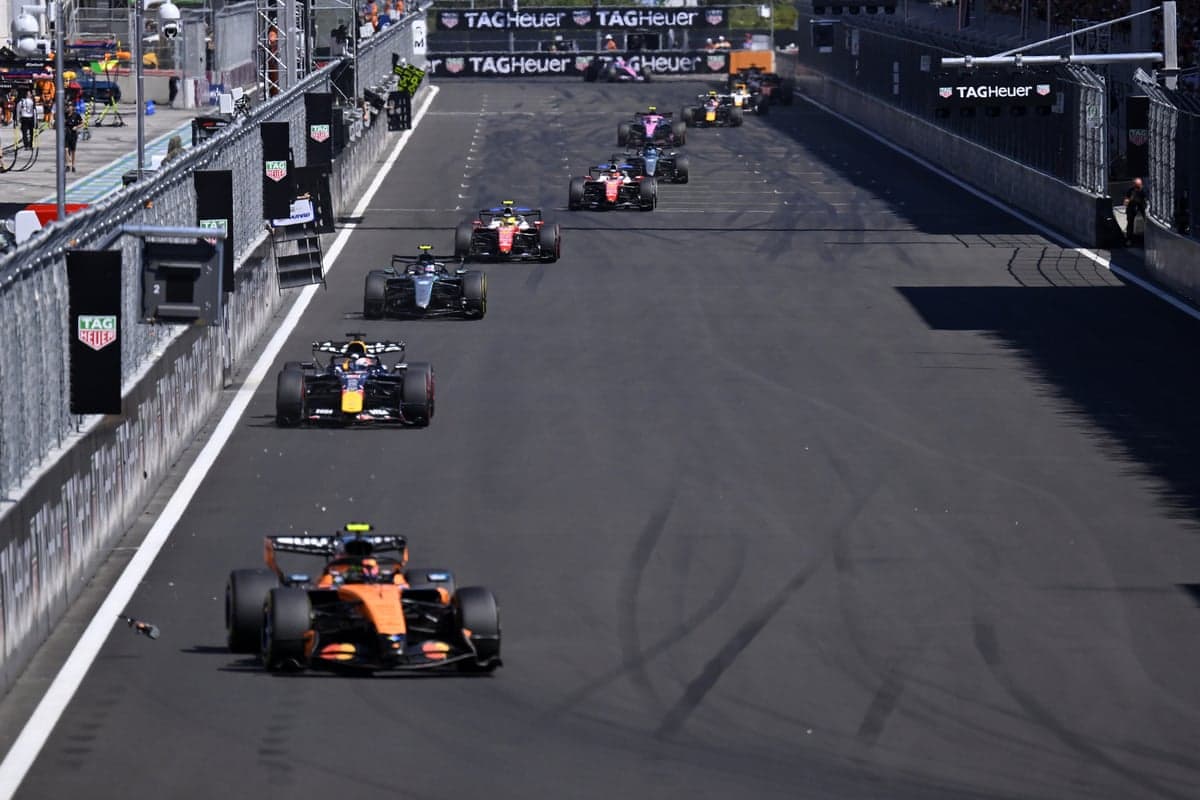
Formula One's newest circuit has already drawn criticism from drivers and team leaders following its inaugural Spanish Grand Prix, with discussions underway to fundamentally alter the layout before the race returns next year. The event in Madrid was marked by a procession of cars unable to pass one another, with overtaking attempts failing to reach double digits across the 57-lap race distance. The result left competitors frustrated and spectators underwhelmed by what was meant to be a landmark addition to the calendar.
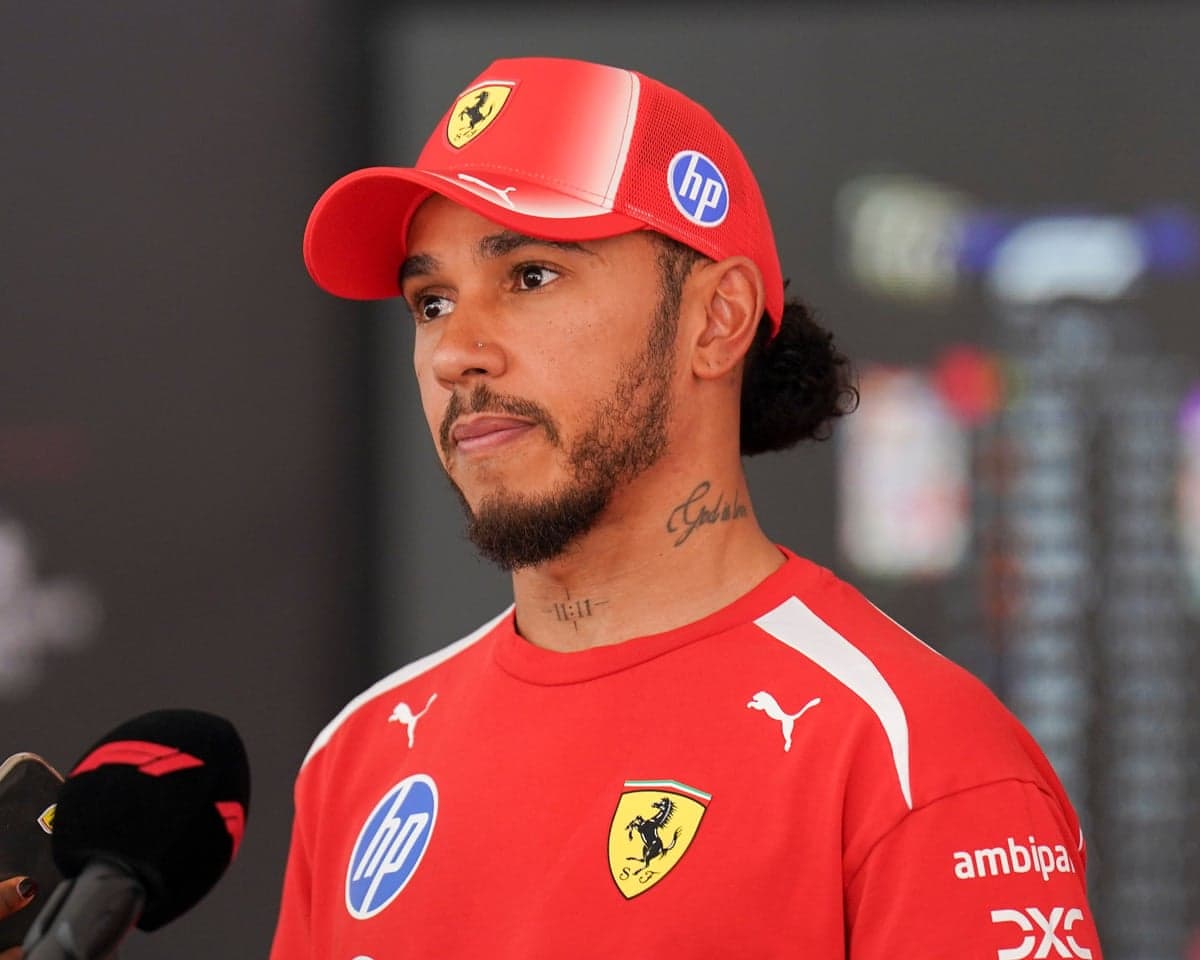
The defending world champion expressed his disappointment with the circuit's design philosophy.
"I don't know how someone looks at this design and goes: 'mint',"he said after finishing third.
"There's a lot of opportunity. They can make it into a track that's good for racing and I'm excited to come back here next year if they can make these changes. The fact you have to turn and brake basically defeats the whole object of racing. They can do some simple changes. I hope they do it because then it should be more exciting for everyone."
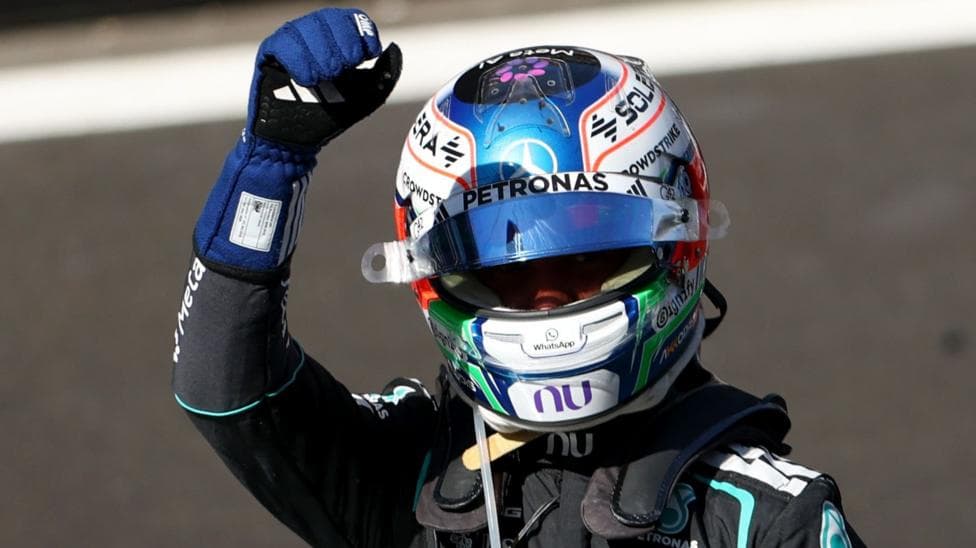
Audi driver Gabriel Bortoleto was equally blunt about the racing experience.
"I almost fell asleep as well,"he remarked, echoing the sentiment that the circuit had proven as dull to navigate as it was to observe.
What made the track so difficult for overtaking?
The Madring's fundamental problem lies in its geometry and braking zones, which prevent drivers from entering corners side-by-side. According to analysis of the race data, only a single-digit number of on-track passes occurred, with no position changes among the lead-group competitors. The circuit's 22-corner layout includes a Turn 5–6 chicane that was identified before the race as the best overtaking opportunity on the lap, yet even this section failed to produce meaningful racing action.
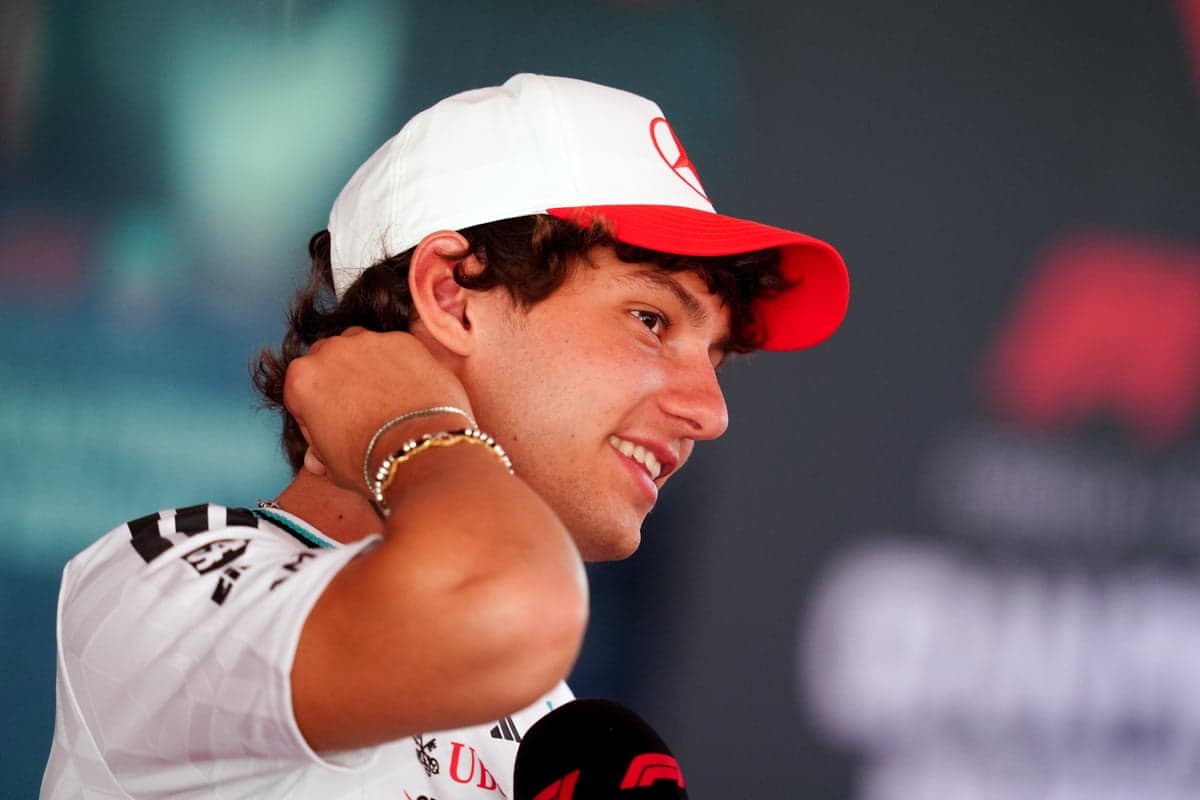
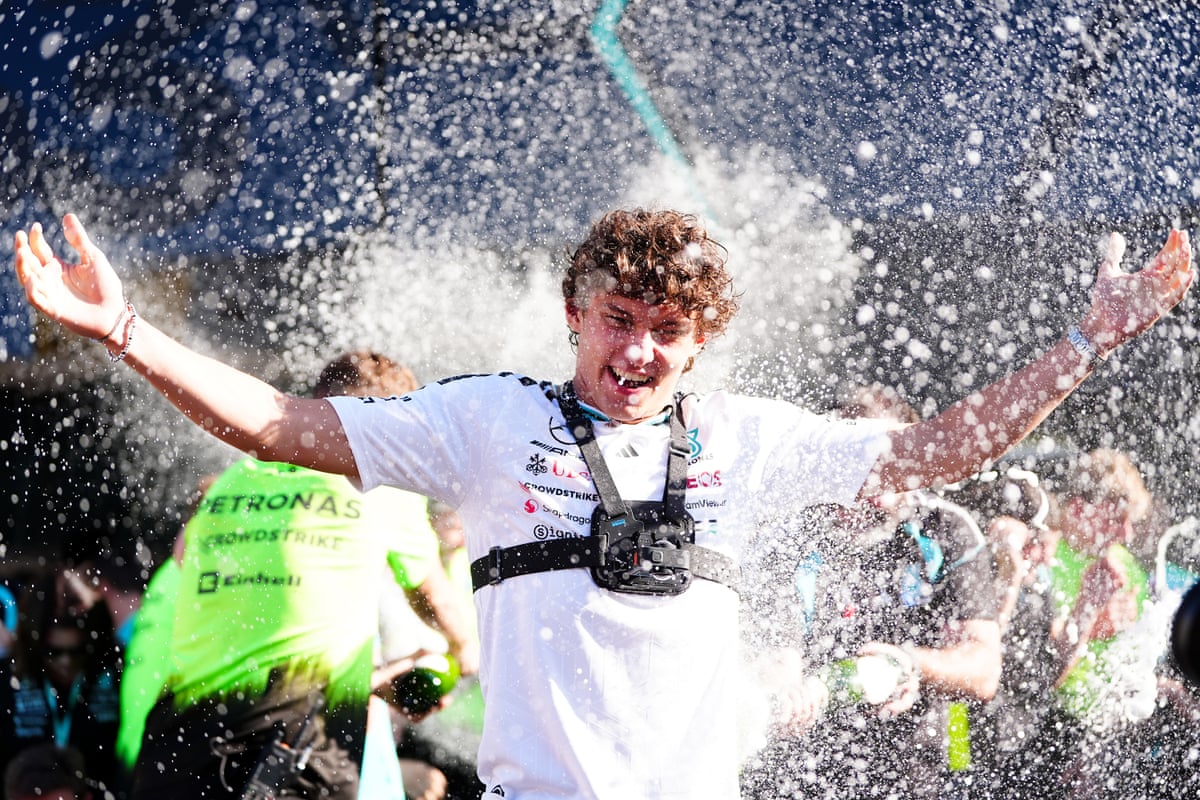
Kimi Antonelli, who won the race and now leads the world championship by 81 points over teammate George Russell with nine rounds remaining, pinpointed the core issue.
"There are some corners that need to be changed to create more overtaking opportunities because it's nice over one lap, but in the race you're just stuck behind,"he said. Max Verstappen, who finished second, concurred with this assessment.
"If you just drive a little bit in the middle, then you can't pass,"he noted. Verstappen had warned of the poor design from the moment he first drove the track in a simulator.

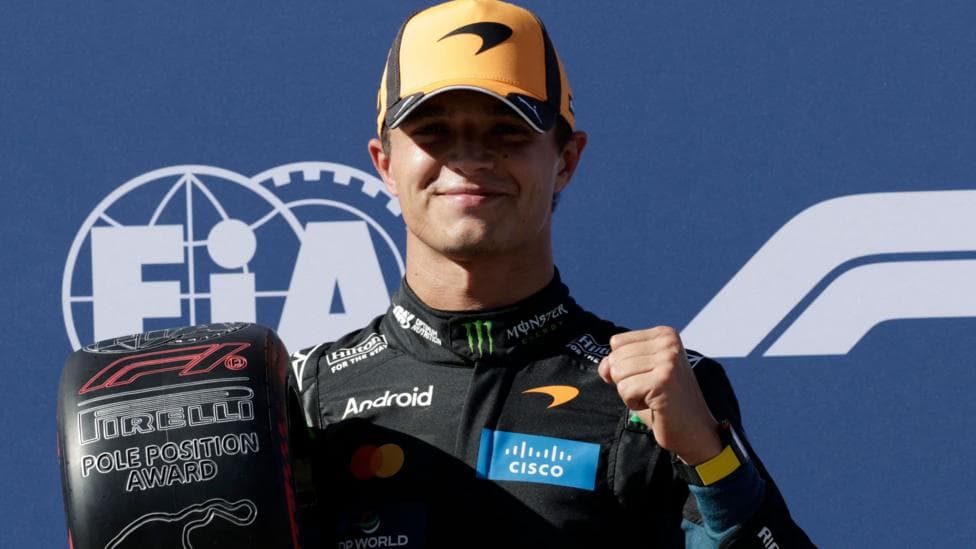
McLaren team principal Andrea Stella articulated the specific mechanical barrier to racing.
"It's a shame it's so difficult. It just requires a large, large lap time difference to be able to overtake. What F1 would like to review is whether there are some modifications required in order to introduce an overtaking possibility. At the moment the straight may be long enough, but there's absolutely no way the two cars can enter the corner together. It's basically impossible to attempt overtaking."
How was the circuit received in other respects?
The Madring, a hybrid circuit combining public roads with purpose-built sections, was constructed in north-east Madrid around a conference centre near the airport. From a logistical and spectator experience perspective, the venue proved successful. The event drew an estimated 352,000 fans across the weekend, with transport to and from the circuit managed effectively despite the large crowds. The circuit's defining feature, the banked La Monumental section, stretches approximately 500 metres with a 24% incline according to organisers, and was expected to accommodate around 45,000 spectators in grandstands.
Teams praised the facilities and space available at the venue. The track also presented a high-speed and technically challenging test during qualifying, with many drivers enjoying the single-lap experience. The circuit was built at a reported cost of approximately £71 million and was designed by Italian architect Jarno Zaffelli, who had stated he hoped
"people walk away recognising it's possible to build a street circuit that is not boring."That objective was not achieved in the race format.
What changes are being considered?
Mercedes team principal Toto Wolff confirmed that discussions about layout modifications began even before the race concluded.
"The tricky bit is doing a track that is spectacular for the drivers and then building it in a way that there is lots of overtaking,"he explained.
"I had a discussion with the CEO of the circuit and they are totally open-minded about next year. We've had the discussions with the FIA. What is it we should do? How is it that we should lay the track out when it comes to overtaking? There is a constant discussion and they are on it and understand we can tweak it a little bit."
According to reports from circuit officials, the venue is open-minded about changes for next year, with talks involving the FIA already underway about what should be altered. The Madring holds a 10-year contract to host the Spanish Grand Prix, covering the period from 2026 through 2035, giving organisers a substantial window to refine the circuit.
What happens next?
The next Spanish Grand Prix at Madring is scheduled for 11–13 September 2026 in the published event timetable. Before then, the circuit will work with the FIA and teams to identify and implement modifications that could restore competitive racing to the venue. Antonelli will travel to Baku in two weeks for the next round of the championship, where he will attempt to extend his commanding lead in the title fight.