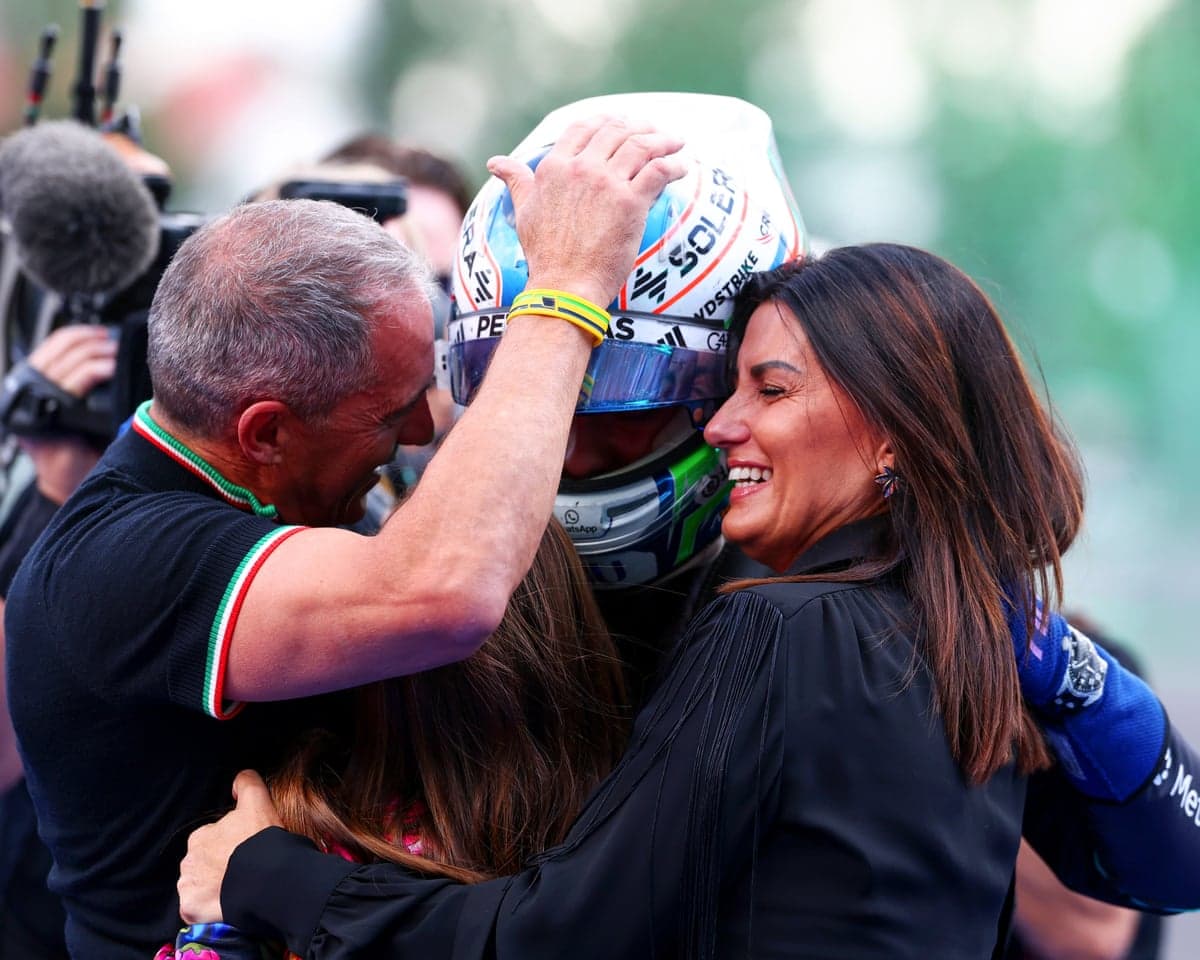
Kimi Antonelli secured the Formula One world championship with composed precision at the Mexican Grand Prix on 1 November 2026, finishing third as Max Verstappen claimed victory ahead of Lewis Hamilton. The 20-year-old Mercedes driver clinched the title with four races remaining in the season, becoming the sport's youngest ever world champion and the first Italian to win the drivers' crown since Alberto Ascari in 1953.
According to The Guardian, Antonelli's maiden F1 championship marks Mercedes' first drivers' title since Lewis Hamilton's victory in 2020 and the team's tenth overall. The Italian driver's achievement in his second season surpassed Sebastian Vettel's previous record as the youngest champion, set in 2010 when Vettel was 23 years old. BBC Sport reported that Antonelli broke Vettel's record by three years and 67 days, with the driver overcome with emotion on the radio as he learned of his achievement, initially unable to speak before saying: "Thank you so much. We did it. We did it."
Antonelli arrived at the Autódromo Hermanos Rodríguez needing only a top-nine finish to secure the crown. According to The New York Times, the driver held 365 points before the race, 123 ahead of George Russell, meaning just two points in Mexico would be sufficient to clinch the title. Despite qualifying only fourth, Antonelli delivered a controlled performance characteristic of his entire season, securing the championship with a podium finish.
How did Antonelli dominate the season?
The Italian driver established his championship credentials from the opening rounds, taking the lead after the third race at the Japanese Grand Prix on 29 March 2026. Mercedes' competitive machinery in the opening half of the season under the new regulations allowed Antonelli to build a commanding advantage. He won five of the first six races, outperforming his teammate George Russell, who had entered the season as the pre-season favourite.
Antonelli accumulated nine victories across the campaign, with points finishes in all but two races—both occasions caused by mechanical failures rather than driver error. His consistency proved decisive as Ferrari, McLaren and Red Bull mounted challenges. Even when rivals closed the gap, Antonelli maintained his stranglehold on the championship lead. A particularly impressive demonstration came at his home grand prix in Monza, where he secured victory from 19th on the grid, showcasing the racecraft that has defined his breakthrough season.
What happened in the Mexican Grand Prix race itself?
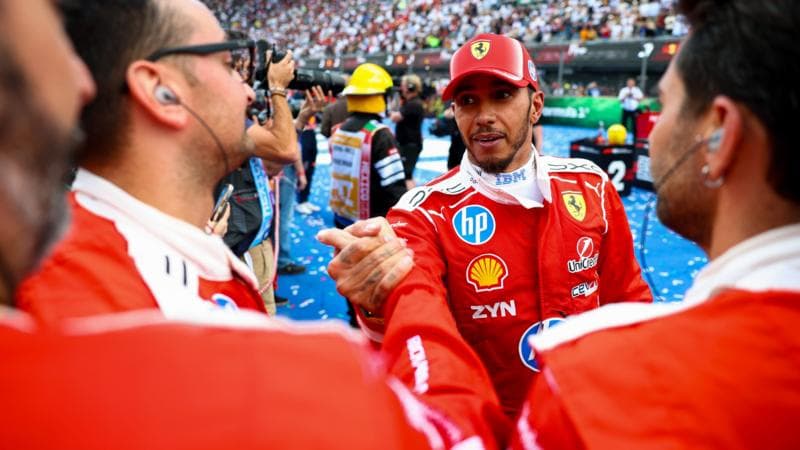
The race unfolded with considerable drama centring on Ferrari's internal dynamics. Charles Leclerc made an aggressive start and attempted to pass Lewis Hamilton for the lead at turn four, but cut the corner in the process. Rather than yielding the position, Leclerc retained the advantage and drew investigation from the stewards. Hamilton expressed visible frustration, believing his teammate had cost Ferrari a one-two finish and allowed Verstappen to ultimately seize the lead.
The stewards determined that Leclerc had gained an unfair advantage by leaving the track and imposed a five-second penalty to be served during his pit stop. Hamilton remained dissatisfied with the decision.
The problem is he's got clean air, and doesn't have to manage like the rest of us. He should just give the place back,Hamilton said.
The stewards are basically handing Charles this win.His frustration intensified when the race was halted, declaring:
We've got big problems. Big, big problems.
The red flag was triggered when Valtteri Bottas suffered a significant crash at turn one. His left front suspension failed at high speed, sending the car into the barrier. Bottas required time to exit the vehicle but managed to do so unaided and remained responsive on the radio, indicating no serious injury.
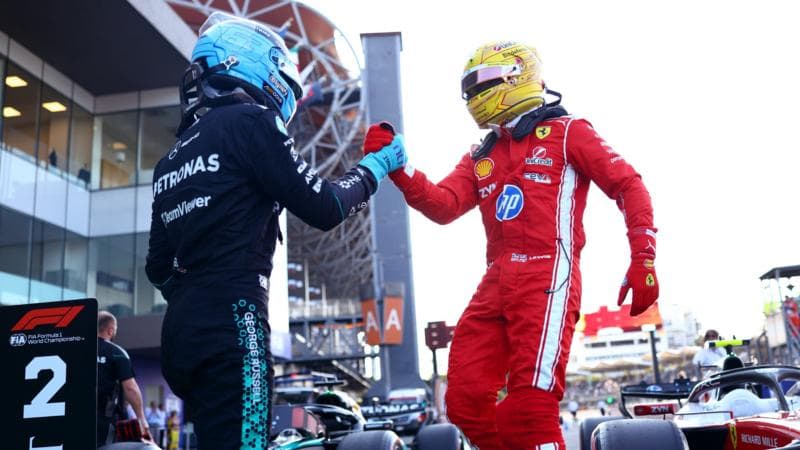
Following the restart, Hamilton moved up to second position while Antonelli advanced to third. Rather than merely securing the minimum needed for the title, Antonelli characteristically pushed forward, demonstrating the aggressive approach that has defined his season. Verstappen delivered an impressive performance to win from fifth on the grid, but Antonelli's third-place finish proved decisive for the championship. According to BBC Sport, the closing laps saw Antonelli running in a three-car train with Verstappen and Hamilton, none of the three able to make any moves, with less than two seconds covering all three cars as they crossed the line.
How did Antonelli keep calm amid late chaos?
Antonelli ran a steady fourth in the first stint, behind Leclerc, Verstappen and Hamilton, moving into the lead as others made their pit stops in front of him. He pitted for fresh tyres just a lap before the safety car, which allowed Mercedes to elongate his final stint. At the restart following Bottas' crash, Leclerc locked his left front wheel heavily as Verstappen and Hamilton battled for the lead in front of him, and Antonelli passed him at the start of the next lap. A second safety car with 12 laps to go, triggered by a collision between Arvid Lindblad and Oscar Piastri, set up the final sprint to the finish.
What does this achievement mean for Mercedes and the future?
Antonelli's title represents validation of Mercedes' long-term investment in the driver. The team recruited him into their young driver program at age 12, and promoted him to replace Hamilton last season—a difficult rookie campaign that tested his resolve. His transformation into a championship-winning driver in his second year demonstrates the adaptation and skill he has developed competing at the sport's highest level.
Verstappen's dominant run from fifth to victory suggests Red Bull's machinery is competitive with Mercedes, potentially setting up compelling battles between the two drivers in 2027.
What happens next?
According to Formula1.com, the next scheduled race is the São Paulo Grand Prix, taking place November 6–8, 2026, where Antonelli will defend his newly won status as world champion.
Key Facts
- Kimi Antonelli, 20, becomes Formula One's youngest world champion and first Italian winner since Alberto Ascari in 1953, breaking Sebastian Vettel's previous record by three years and 67 days
- Mercedes secures its first drivers' championship since 2020 and its tenth overall
- Antonelli clinched the title in his second F1 season with four races remaining
- The Italian won nine races during the season with only two non-scoring finishes due to mechanical failures
- Max Verstappen won the Mexican Grand Prix, with Lewis Hamilton second and Charles Leclerc fourth after a five-second penalty