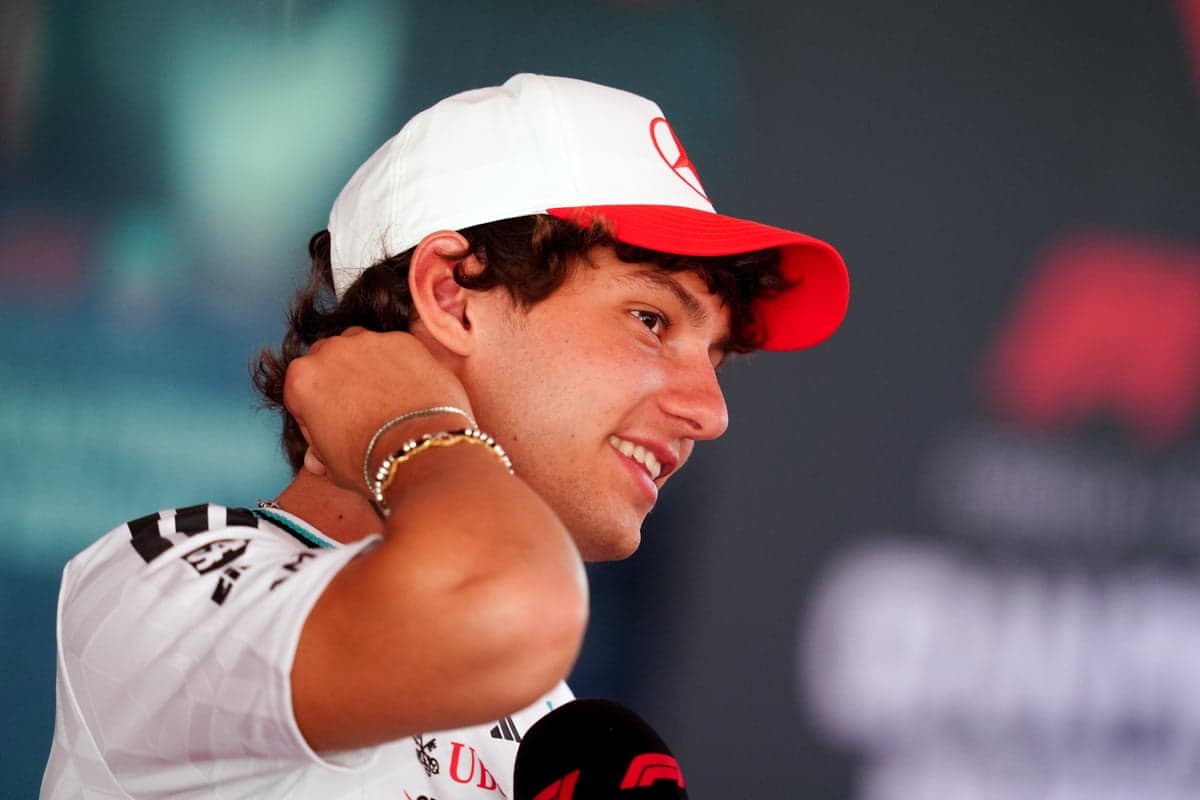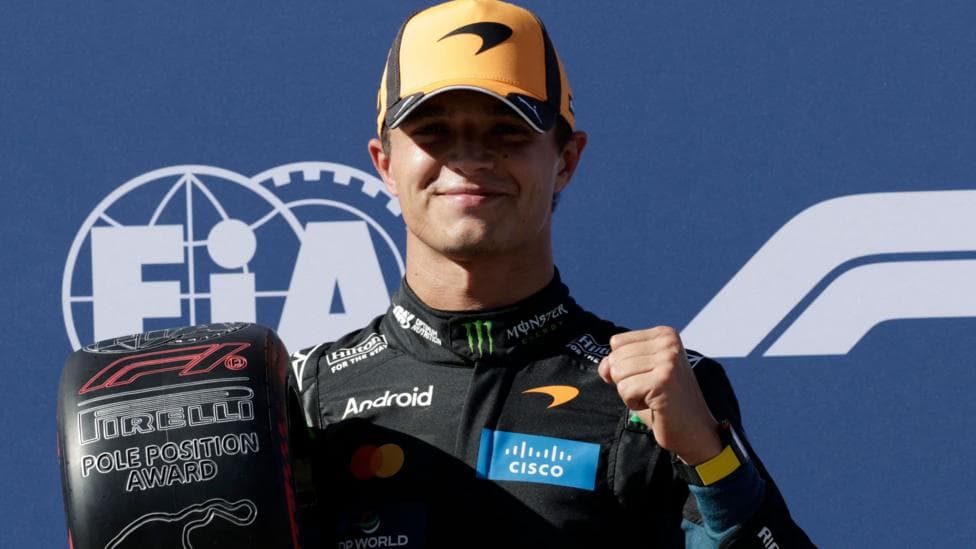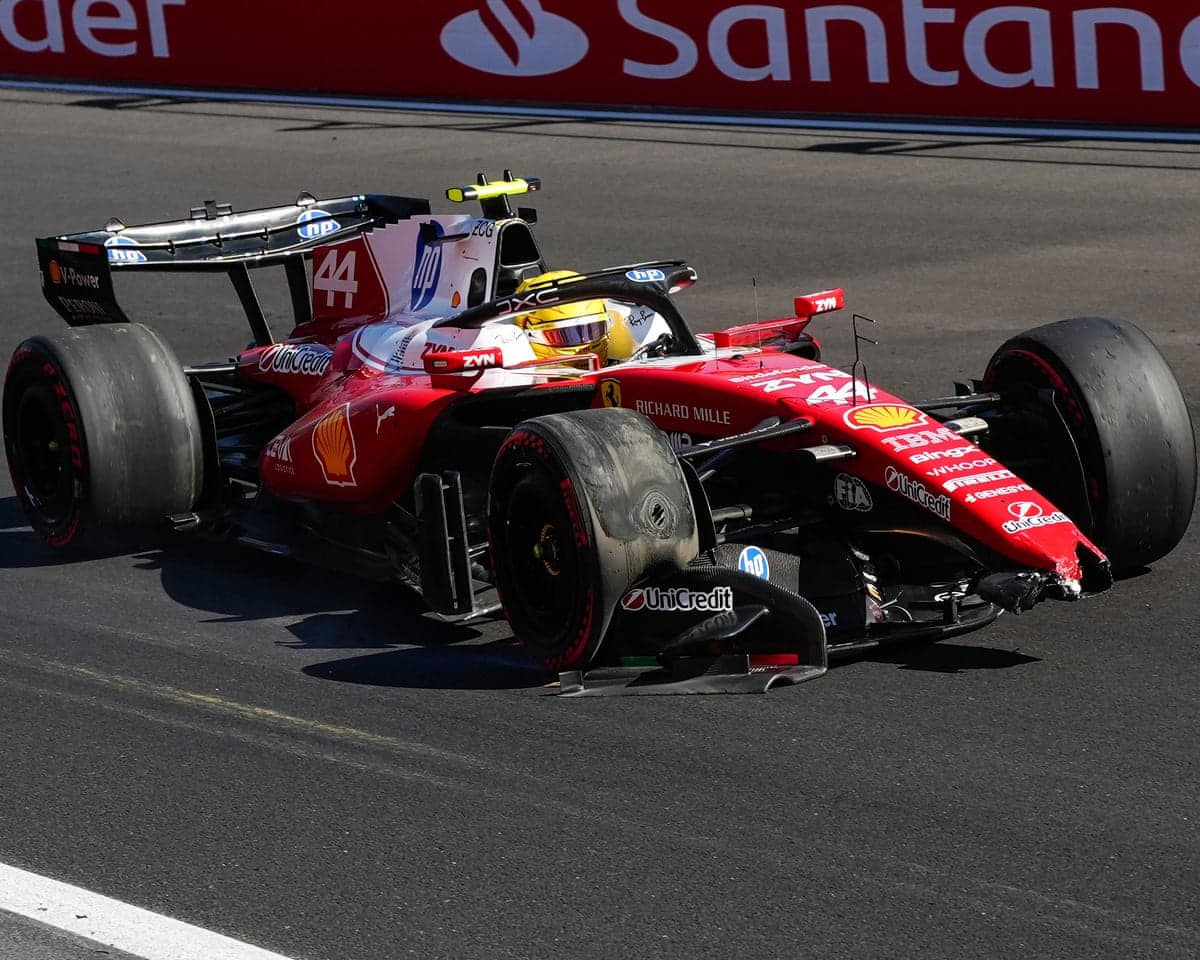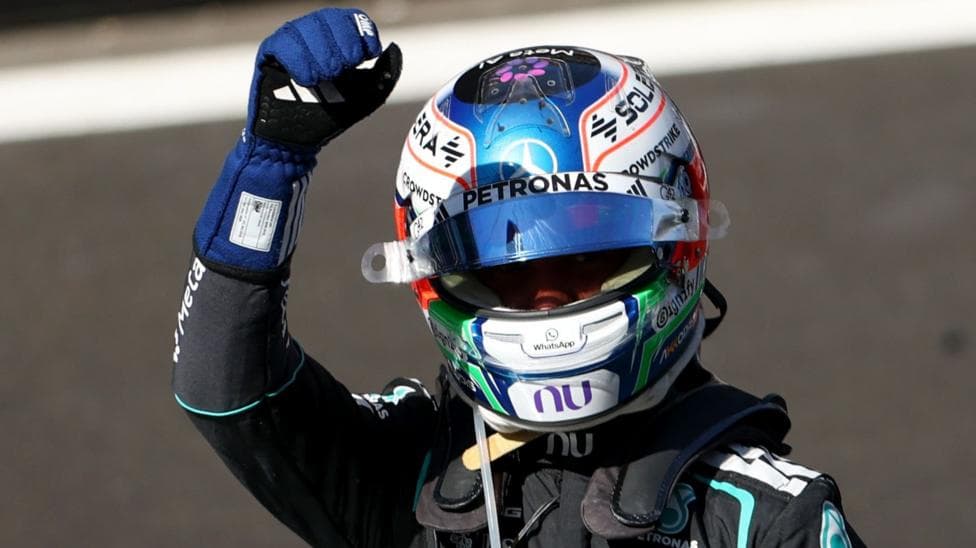
Mercedes driver Kimi Antonelli secured victory at the Spanish Grand Prix on 13 September 2026 after McLaren's Lando Norris suffered a costly sequence of misfortunes during a virtual safety car period that fundamentally altered the race's outcome. The result extends Antonelli's commanding position in the championship, with eight wins now accumulated across the 14 races contested this season. Red Bull's Max Verstappen finished second, with Norris ultimately claiming third place despite demonstrating superior pace in the closing stages.
The race marked the debut of the Madring, Formula 1's newest circuit located in Madrid between the city centre and the airport. According to ESPN, the venue is scheduled to host the Spanish Grand Prix through 2035 under a long-term agreement. The circuit's design proved immediately controversial, with only four on-track passes occurring after the opening lap, prompting widespread criticism of its overtaking limitations.
How did the VSC timing prove decisive?
The critical factor lay in Norris's position when the caution was triggered on lap 15 following Lance Stroll's Aston Martin stopping at Turn 20 with brake failure. Norris had already traversed the pit straight and passed the pit exit when the VSC was called, meaning he could not access the pits during the caution period. Conversely, Antonelli and Verstappen, positioned further back on track, had not yet reached the pit exit and were able to enter the pits under the virtual safety car, gaining approximately ten seconds compared to what a standard pit stop under green-flag racing conditions would have yielded.
When Norris finally reached the pits on the following lap, the VSC had already ended just before he arrived at the pit entry, allowing other competitors to accelerate back to racing speed. The stop itself compounded his misery, as McLaren's mechanics encountered difficulties with both right-hand side wheels, extending the stop to seven seconds rather than the standard two-second duration. Norris rejoined the race in fifth place, 6.3 seconds adrift of George Russell, with his prospects of victory effectively extinguished.
What was the championship situation heading into the race?
Antonelli's victory extends his substantial advantage in the title fight. The Italian now leads Russell, his Mercedes team-mate, by 81 points after Russell finished fifth following what proved to be a strategically confused race. Ferrari's Lewis Hamilton, running third in the standings, retired early on lap six with brake failure, leaving him 101 points behind Antonelli with significant ground to recover. Norris, despite his strong early performance, now trails Antonelli by 106 points with nine races remaining.
How did the race unfold at the front?
Norris established a commanding lead from pole position, controlling the opening phase of the race with apparent ease. He robustly defended against Antonelli into the first corner, with the Mercedes driver attempting to cut the chicanes at Turns One and Two, and again at Turns Five and Six, each time gaining the lead momentarily before being forced to relinquish it. After these initial skirmishes, Norris built his advantage methodically, reaching 5.6 seconds clear after ten laps, appearing to have the race under control until the VSC intervention on lap 15.

Ferrari's Charles Leclerc, who had been running fourth before the virtual safety car, remained on track during the caution, having started on hard tyres rather than the mediums selected by Antonelli and Norris or the softs chosen by Verstappen. Ferrari's strategy gamble involved keeping Leclerc out as long as possible in hopes of a second safety car that would allow a cheap pit stop. No such opportunity materialised, and Leclerc eventually pitted on lap 48 with nine laps remaining, resuming in fourth position behind Antonelli, Verstappen, and Norris. Leclerc ultimately finished fourth, with Russell completing the top five.
Could Norris mount a recovery?
Despite his fifth-place restart, Norris demonstrated the pace to recover positions on a circuit where overtaking opportunities are severely limited by design. He closed the entire deficit to Verstappen by the final stages and ran directly behind the Red Bull driver in the closing laps, applying sustained pressure. His closest opportunity came with two laps remaining when Verstappen encountered lapped traffic at Turn Five, but despite the Dutchman's momentary difficulty, Verstappen retained the position.
An incident two laps from the finish, where Verstappen cut a chicane while defending against Norris's advances, drew official scrutiny. Norris lodged a complaint that Verstappen should surrender the position, but stewards took no action on the matter. Norris ultimately crossed the line in third place, unable to find a way past on a track that offers minimal passing opportunities.
Why did the Madring's design attract criticism?
The new circuit's layout proved aesthetically modern yet strategically restrictive, with the absence of obvious overtaking opportunities constraining the racing spectacle and making track position paramount. The high-speed layout is compromised by braking zones angled into many of the corners, requiring drivers to brake while turning in, which removes the option of putting a car alongside by out-braking an opponent and allows for only one line into each corner that is easily defended by the leading car.
Verstappen had been outspoken in his criticism of the design before the race.
You can't overtake. They need to learn that it should never be that you have to steer, that you have to combine under braking, because it doesn't allow any kind of overtaking. In terms of track design, I think it can be better. Input from drivers in the future on track design can also help a lot.According to Gulf Today, the Madring was declared ready for its first Formula 1 event after Formula 3 testing in late August 2026, despite several red flags during those tests.
What were the defining themes of the race?
The Spanish Grand Prix illustrated several critical dynamics shaping the season. Norris's misfortune highlighted how fortune and timing can overwhelm even dominant performances, as his pole position and early control counted for nothing once the VSC was deployed. Antonelli's success reflected both the quality of his driving and the remarkable consistency that has delivered eight victories from fourteen races, establishing him as the clear championship favourite. The circuit's design, created from a clean sheet of paper, produced a layout that proved aesthetically modern yet strategically restrictive, with the absence of obvious overtaking opportunities constraining the racing spectacle and making track position paramount.
Key Facts
- Antonelli's eighth victory of the season extends his championship lead to 81 points over Russell
- Only four on-track passes occurred after the opening lap, highlighting the Madring's limited overtaking opportunities
- Norris's pit stop during the VSC period cost him track position from which he could not recover
- Hamilton's retirement on lap six leaves him 101 points adrift with nine races remaining
- The Madring will host the Spanish Grand Prix annually through 2035 under a long-term agreement