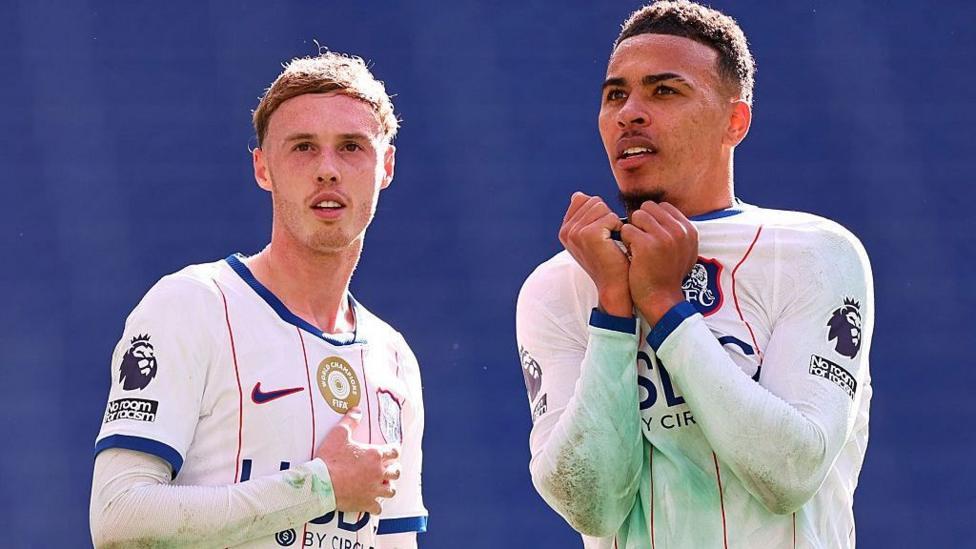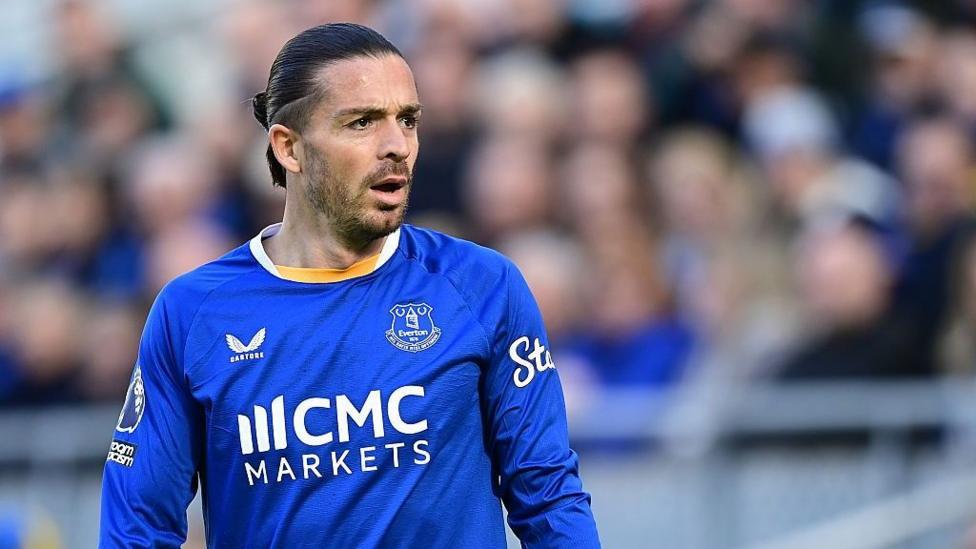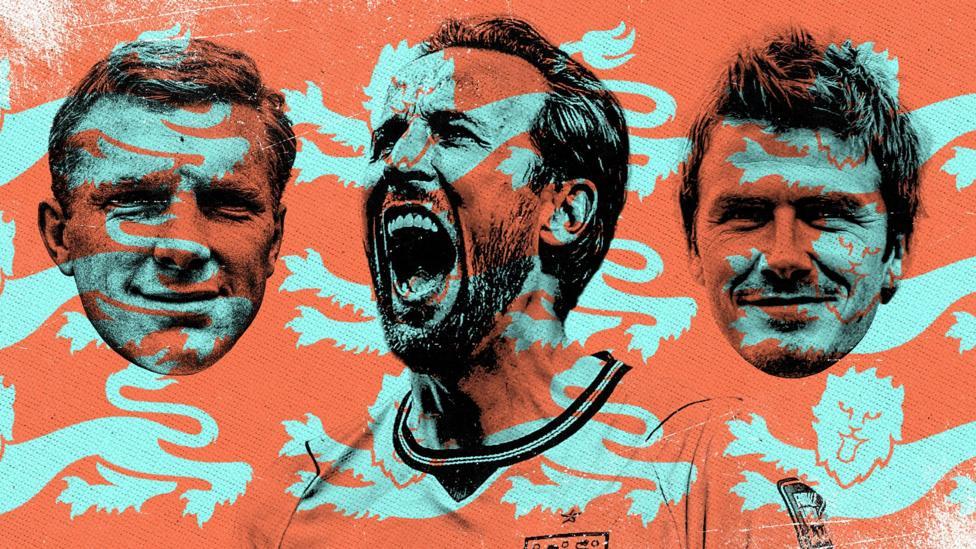
Harry Kane has now become England's most-capped men's player and the nation's all-time leading goalscorer, yet determining his place among the Three Lions' greatest ever performers remains a complex question that extends beyond individual talent to encompass broader cultural impact. According to BBC Sport, this ranking involves weighing memorable moments, longevity in the shirt, and the ability to perform when it matters most.
The debate over England's finest players spans generations and positions, making any definitive list inherently contentious. Ballon d'Or winners Stanley Matthews, Kevin Keegan and Michael Owen possess undeniable credentials, as do technical masters Glenn Hoddle, Chris Waddle and John Barnes. Midfielders Paul Scholes, Steven Gerrard and Frank Lampard might have featured more prominently had previous managers fully unlocked their potential. Yet true greatness demands more than individual brilliance—it requires sustained excellence, transformative moments and an enduring legacy in an England shirt.
The omission of Geoff Hurst, who delivered England's most iconic performance in 1966, and Jimmy Greaves, whose tournament was cut short by injury, underscores how difficult these choices become. Similarly, assessing players whose finest football predated major continental competitions—Eddie Hapgood, Tom Finney, Nat Lofthouse, Dixie Dean—introduces a historical dimension that resists easy comparison. With only ten positions available, the following represents a considered assessment of England's greatest players.
David Beckham: The Global Icon Who Delivered
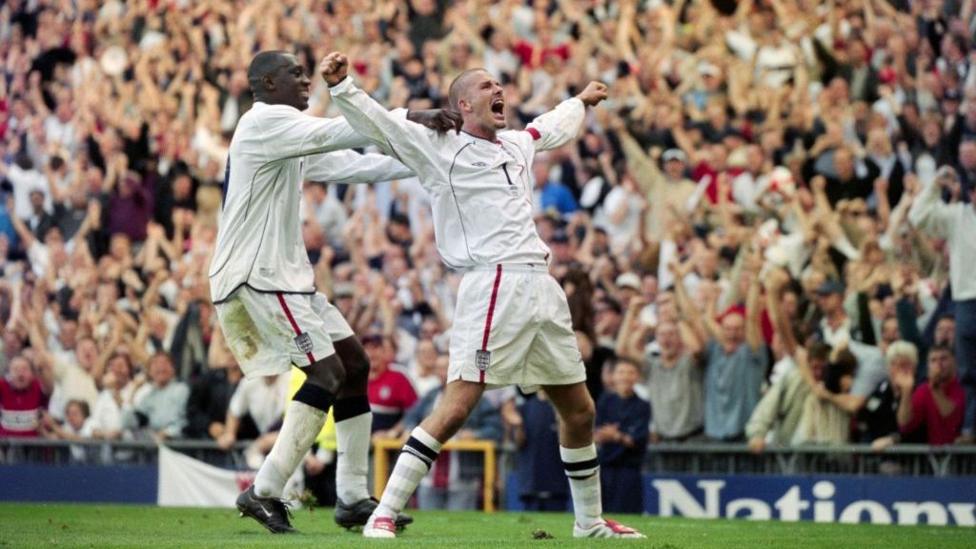
David Beckham transcended football as a celebrity and cultural phenomenon, yet his on-pitch credentials matched his off-field profile. The midfielder was the face of the Three Lions for a generation, and he demonstrated remarkable resilience by overcoming the intense backlash following his red card against Argentina in 1998. At crucial moments, Beckham seemed to single-handedly carry England, most memorably striking a 93rd-minute free-kick against Greece that secured qualification for the 2002 World Cup.
His former Manchester United team-mate Gary Neville described him as the "most influential player out of England in transforming football". Across 115 caps, Beckham scored 17 goals, including five from free-kicks. Beyond his England career, he was part of United's 1999 Treble-winning side and finished as Ballon d'Or runner-up before embarking on a genuinely global career spanning Real Madrid, LA Galaxy, AC Milan and Paris St-Germain.
Paul Gascoigne: The Loveable Genius
Few England players forged a deeper emotional connection with supporters than Paul Gascoigne. Fans cried with him during the 1990 World Cup semi-final, celebrated his spectacular strike against Scotland, and desperately willed him to connect during the Euro 96 semi-final defeat by Germany. Gascoigne won 57 caps and scored 10 goals, and at his peak he transcended football as a cultural phenomenon during the summers of 1990 and 1996, having joined Serie A's elite between those tournaments.
Creative, unpredictable and vulnerable, Gascoigne represented a loveable but flawed genius. Long-term injuries meant he missed Euro 92 and the 1994 World Cup, though he helped England qualify for France 98 before being controversially dropped from the final squad—a rejection that led to him famously wrecking manager Glenn Hoddle's office. His legacy rests not merely on statistics but on the indelible mark he left on the national consciousness.
Billy Wright: The Pioneer Captain
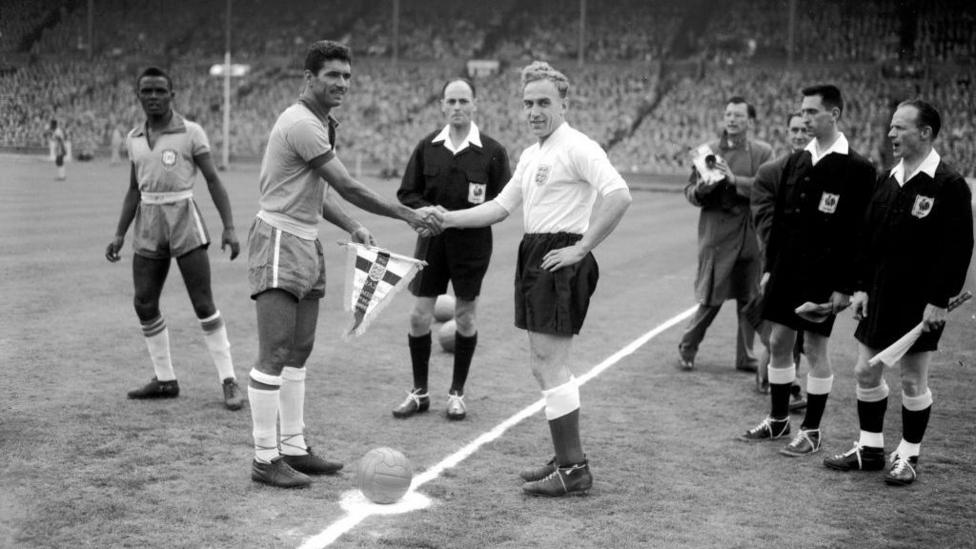
While goalscorers typically dominate headlines, Billy Wright merits inclusion as a defensive stalwart who set standards for captaincy and longevity. The first men's player to surpass a century of international caps, Wright made a remarkable 70 successive appearances over eight years and captained England on 90 occasions—a joint-record that stood until Harry Kane recently surpassed it. Across three World Cups, Wright demonstrated exceptional durability for his era.
A true one-club man at Wolverhampton Wanderers, Wright won three league titles, the FA Cup and helped inspire the birth of the European Cup after Wolves' unofficial "world championship" victory in 1954. He finished as Ballon d'Or runner-up to Alfredo di Stefano in 1957, cementing his status as one of football's finest defenders of the mid-twentieth century.
Jude Bellingham: The Prodigy's Trajectory
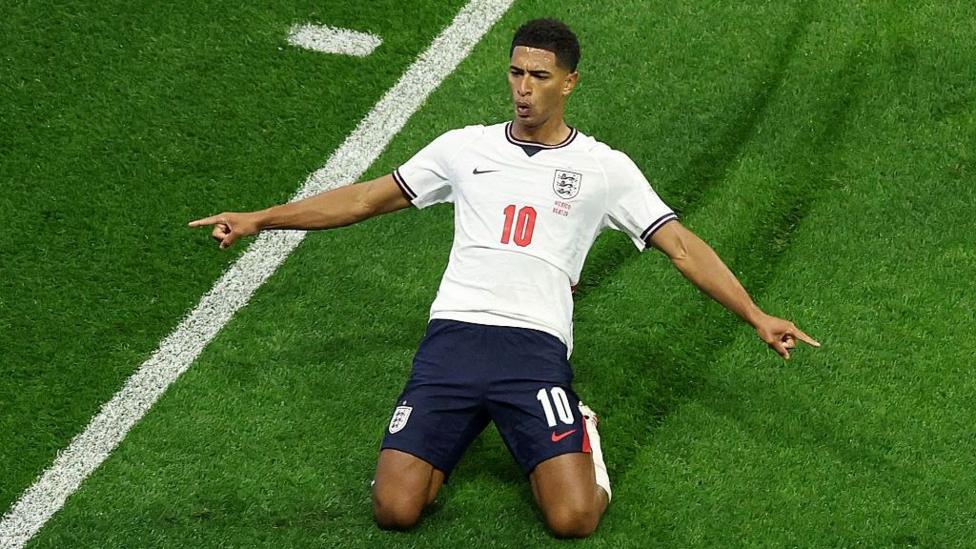
Including a player still in his early twenties may seem premature, yet Jude Bellingham's impact for England and Real Madrid already justifies consideration among the nation's greats. A Champions League winner, the midfielder has appeared at four major tournaments for the Three Lions, becoming the youngest player to do so at Euro 2020 when aged just 17. His performances in helping England reach the Euro 2024 final and secure third place at the 2022 World Cup demonstrated maturity beyond his years.
Bellingham has delivered those unforgettable moments that nations collectively remember: a last-gasp overhead kick against Slovakia in 2024, a quickfire double at the Azteca against Mexico in 2026, and a 93rd-minute quarter-final winner against Norway. His seven goals at the 2022 World Cup exceeded any previous Three Lions player in a single edition, with his solo effort against France exemplifying technical excellence. According to Sky Sports, the former Birmingham and Dortmund man has already collected 61 England caps and netted 14 times, with ten of those goals arriving at major tournaments. Roy Keane has suggested Bellingham possesses the potential to become one of the "greatest of all time".
Wayne Rooney: The Precocious Talent
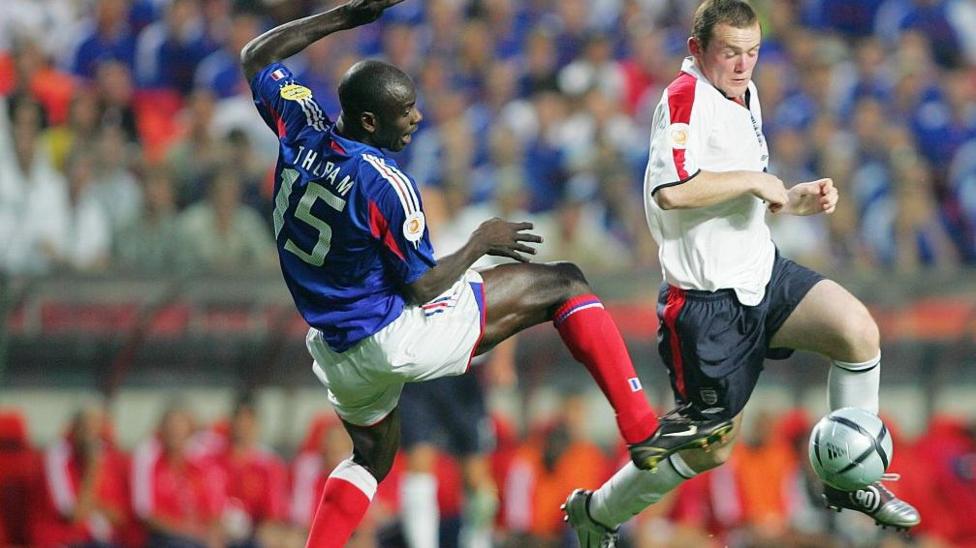
In terms of natural ability, Wayne Rooney ranks among England's greatest ever talents. Bursting onto the scene at Euro 2004 as an electric 18-year-old—having become England's youngest player and scorer the previous year—he convinced fans and media that the teen sensation could carry the Three Lions to glory in Portugal. He physically dominated World Cup winner Lilian Thuram in England's opening match against France, before scoring twice against both Switzerland and Croatia.
Rooney's trajectory might have been dramatically different had injury not struck during the quarter-final against Portugal. Though he could not replicate his initial Euros impact—suffering a red card at the 2006 World Cup, suspension during Euro 2012's group stage, and managing only seven goals across six major tournaments—he remained an all-rounder who contributed far more than goalscoring statistics suggest. Rooney won multiple trophies with Manchester United, became the club's all-time leading goalscorer, and concluded his 15-year England career with 53 goals from 120 caps.
Gordon Banks: The Safest Hands
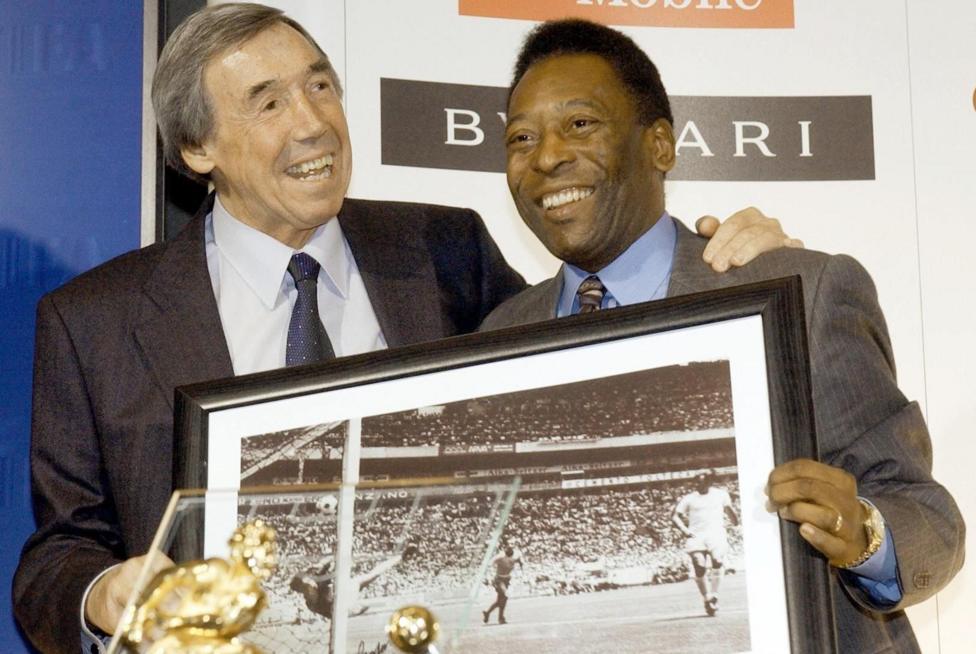
Any assessment of England's greatest players must include a goalkeeper, and Gordon Banks stands as the finest custodian ever to wear the Three Lions shirt. A World Cup winner in 1966, Banks produced one of sport's most iconic moments four years later with his save from Pelé against Brazil—a moment the Brazilian legend acknowledged by calling him a "goalkeeper with magic". Banks spent the majority of his career at Leicester and Stoke, winning a League Cup with each club, and earned 73 England caps between 1963 and 1972.
His extraordinary athleticism and reflexes saw Banks named FIFA's best goalkeeper for five consecutive years from 1966 to 1971. The friendship that developed between Banks and Pelé following their 1970 encounter transcended football, with the Brazilian's respect for the goalkeeper's abilities evident in their subsequent interactions.
Gary Lineker: The Clinical Finisher
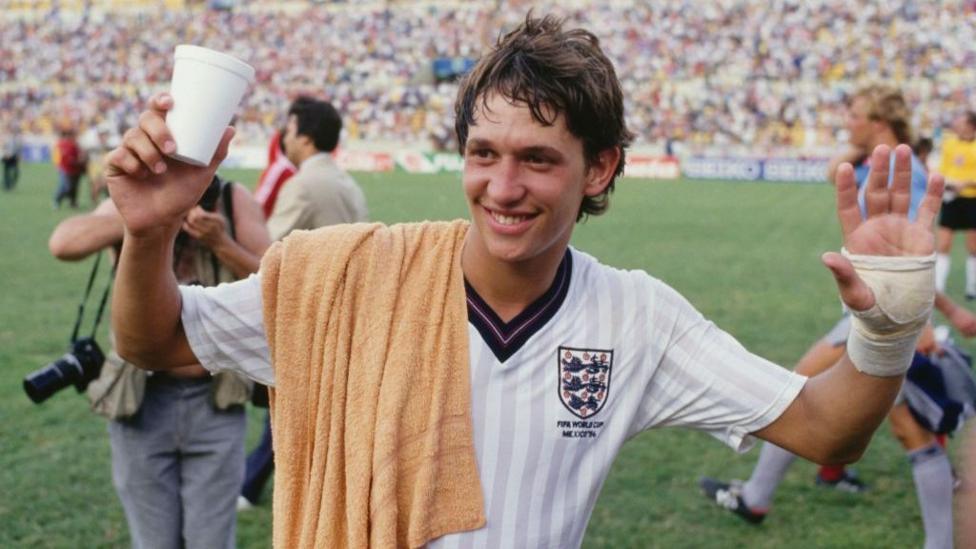
Gary Lineker's early club career failed to deliver the silverware his prolific goalscoring deserved. He netted 40 times for Everton but finished as league and FA Cup runner-up in his sole season there before joining Barcelona, where he scored a Clasico hat-trick and won the Copa del Rey and Cup Winners' Cup. He later added an FA Cup with Tottenham in 1991. Across spells with Leicester, Everton, Barcelona, Spurs and Nagoya Grampus Eight, Lineker accumulated 283 club goals while famously never receiving a red card.
Yet Lineker's greatest legacy stems from his England contributions. He won the Golden Boot as the Three Lions reached the 1986 World Cup quarter-finals—a performance that earned him Ballon d'Or runner-up status that year—before netting four more goals as England reached the 1990 semi-finals. He equalized against West Germany before England's penalty shootout exit. Having missed a spot-kick against Brazil, Lineker finished one goal short of Bobby Charlton's then-record tally when his international career ended after Euro 92, having scored 48 goals in 80 games.
Harry Kane: The Modern Record-Breaker
Harry Kane stands as undoubtedly England's most important and influential player of his generation—the national team's functioning becomes difficult to imagine once the captain retires. Kane became England's most-capped men's player on 12 November 2026 when he earned his 126th cap against Croatia, surpassing Peter Shilton's previous record of 125 appearances. The Bayern Munich striker, who won the Ballon d'Or in October 2026—becoming the first English winner in 25 years—has been scoring goals for his country for nearly 12 years, with his first strike arriving just 79 seconds into his debut off the bench against Lithuania in March 2015.
Kane's goalscoring trajectory has far exceeded Rooney's benchmark. Entering the November 2026 international window, Kane had scored 91 England goals in 125 appearances—38 more than Rooney's 53. These goals have arrived on football's biggest stages: 21 across three World Cups and three European Championships, including the 2018 World Cup Golden Boot. Kane has come closer to winning a major tournament than any England men's captain since Bobby Moore, reaching two World Cup semi-finals and back-to-back Euros finals. Team-mate Bellingham has called him the "greatest player that has ever played for England", while former England goalkeeper Paul Robinson observed: "I think we'll appreciate him even more in another 10, 15, 20 years when you look back and see what he has achieved."
Bobby Moore: The Complete Defender
In many respects, Bobby Moore represents the template for the modern elite defender. Cool under pressure, elegant in possession, and blessed with an exceptional passing range off both feet, Moore combined technical mastery with impeccable positioning and timing. His West Ham and England team-mate Geoff Hurst reflected: "Nobody out-ran him and nobody out-jumped him." Moore's finest defensive moment came at the 1970 World Cup when his tackle on Jairzinho exemplified the poise and precision he brought to defending.
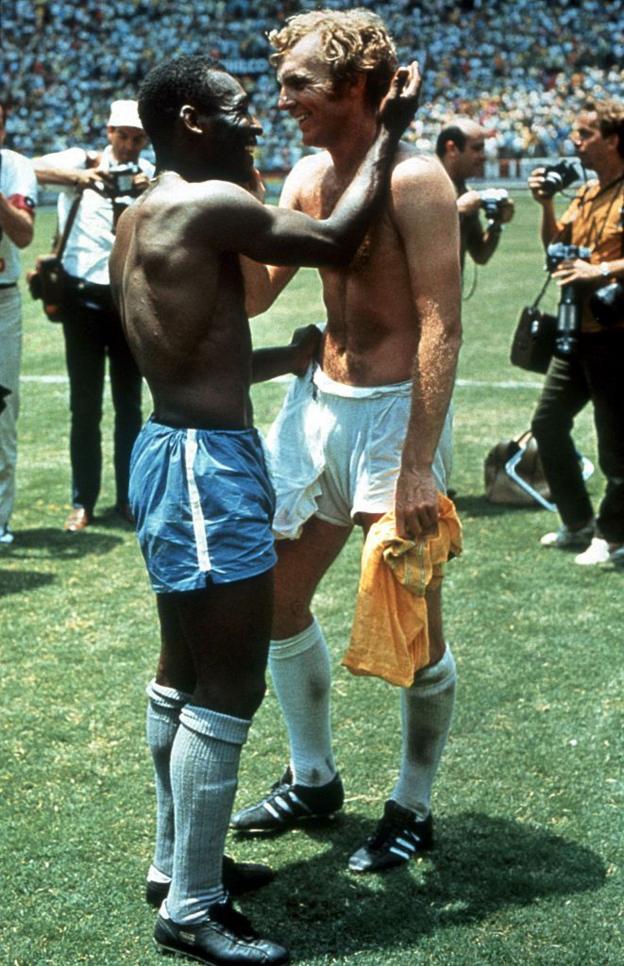
Beyond his defensive brilliance, Moore proved an influential and composed leader—a player built for major occasions. England manager Sir Alf Ramsey called him: "My lieutenant on the field, a cool, calculated footballer I could trust with my life." The Barking-born centre-back won the FA Cup and European Cup Winners' Cup with West Ham, but his defining achievement came leading England to World Cup glory in 1966 at just 25 years old, having become his country's youngest captain three years earlier. At the 1970 World Cup, Moore remained imperious as England reached the quarter-finals before losing to West Germany. The final group match against Brazil, then the planet's most exciting side, produced some of sport's most recognisable images—not only Moore's tackle and Banks' save but the defender exchanging shirts with Pelé after the final whistle. The Brazilian's assessment proved definitive: "The greatest defender I ever played against."
Bobby Charlton: The Buccaneering Legend
For more than half a century, Sir Bobby Charlton's England goalscoring record remained unmatched. His 49-goal tally, concluded with a strike against Colombia in 1970, stood until Wayne Rooney surpassed it in 2015—a 55-year gap that underscores the magnitude of Charlton's achievement. As Alan Shearer observed, Charlton was "not only a great goalscorer but a scorer of great goals", and he played a pivotal role in England's 1966 World Cup triumph, netting three times en route to the final.
Charlton's performances during that tournament exemplified his complete attacking prowess. A scampering run from the halfway line followed by a trademark long-range strike into the corner at Wembley gave England's campaign momentum against Mexico, before he scored twice against Eusebio's Portugal in the semi-finals. Manager Ramsey identified Charlton as his "lynchpin" as England defeated West Germany in the final, performances that earned him the Ballon d'Or later that year and runner-up finishes in successive years thereafter. Across 106 England caps, Charlton was a Manchester United star whose club-record 249 goals were eventually surpassed only by Rooney.
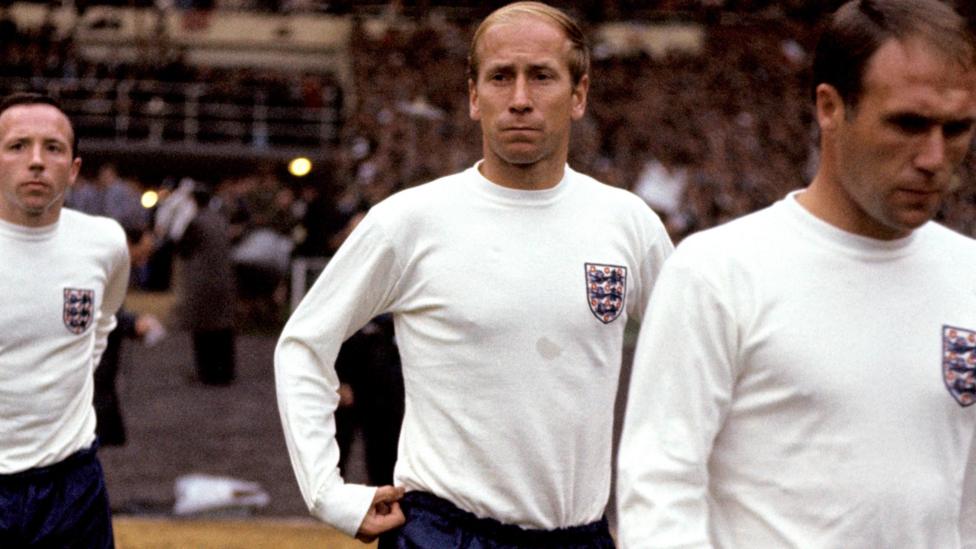
Charlton's career carried profound historical weight. A survivor of the Munich air disaster on 6 February 1958—which killed 23 people including eight players and three staff members—Charlton won three league titles, an FA Cup and, most poignantly, the European Cup in 1968. Gary Lineker previously told BBC Radio 5 Live: "England's greatest ever player. He was unique. Wherever you go in the world, even if they didn't speak the language, they knew two words - Bobby Charlton."
What Happens Next
Kane's record-breaking achievement comes as England prepares for continued international competition. The Three Lions are scheduled to face Spain away in the UEFA Nations League on 15 November 2026 at the Metropolitano Stadium in Madrid, offering Kane further opportunity to add to his historic goal tally and cap count.