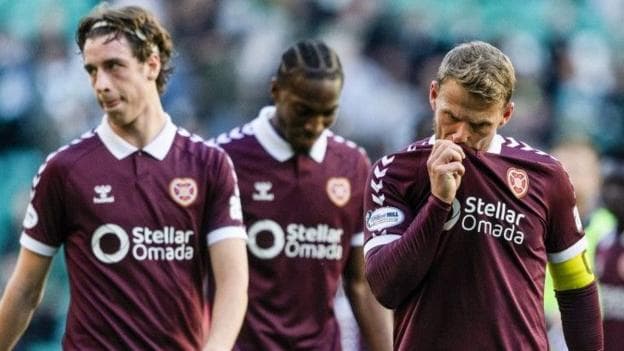
Celtic dismantled Hearts 7-1 at Celtic Park on 18 October 2026, exposing fundamental defensive frailties in the Tynecastle club's title challenge. According to BBC Sport, the visitors conceded twice in the opening 10 minutes, four goals by the 40th minute, and a fifth before half-time in what became a catastrophic afternoon. Sky Sports reported that the defeat left Celtic four points clear at the top of the Scottish Premiership, while Hearts remained third.
The scale of the collapse prompted scrutiny of manager Wouter Vrancken's tactical approach. Former Hearts midfielder Andy Halliday questioned whether the Belgian coach would alter his methods if given the chance to replay the fixture, suggesting his post-match analysis—which focused on player errors rather than strategic decisions—indicated he would not. The performance echoed earlier heavy European defeats by Sturm Graz and Benfica, where Hearts' open, attacking setup proved vulnerable against superior opposition.
Hearts had arrived at Celtic Park seeking redemption after a devastating 3-1 defeat at the same venue in May that ended their title hopes. Under Vrancken's management, the club had shown marked improvement, stringing together 13 matches with just one defeat and accumulating a goal-laden attacking record. Yet the Celtic Park scenes suggested that run masked underlying defensive vulnerabilities.
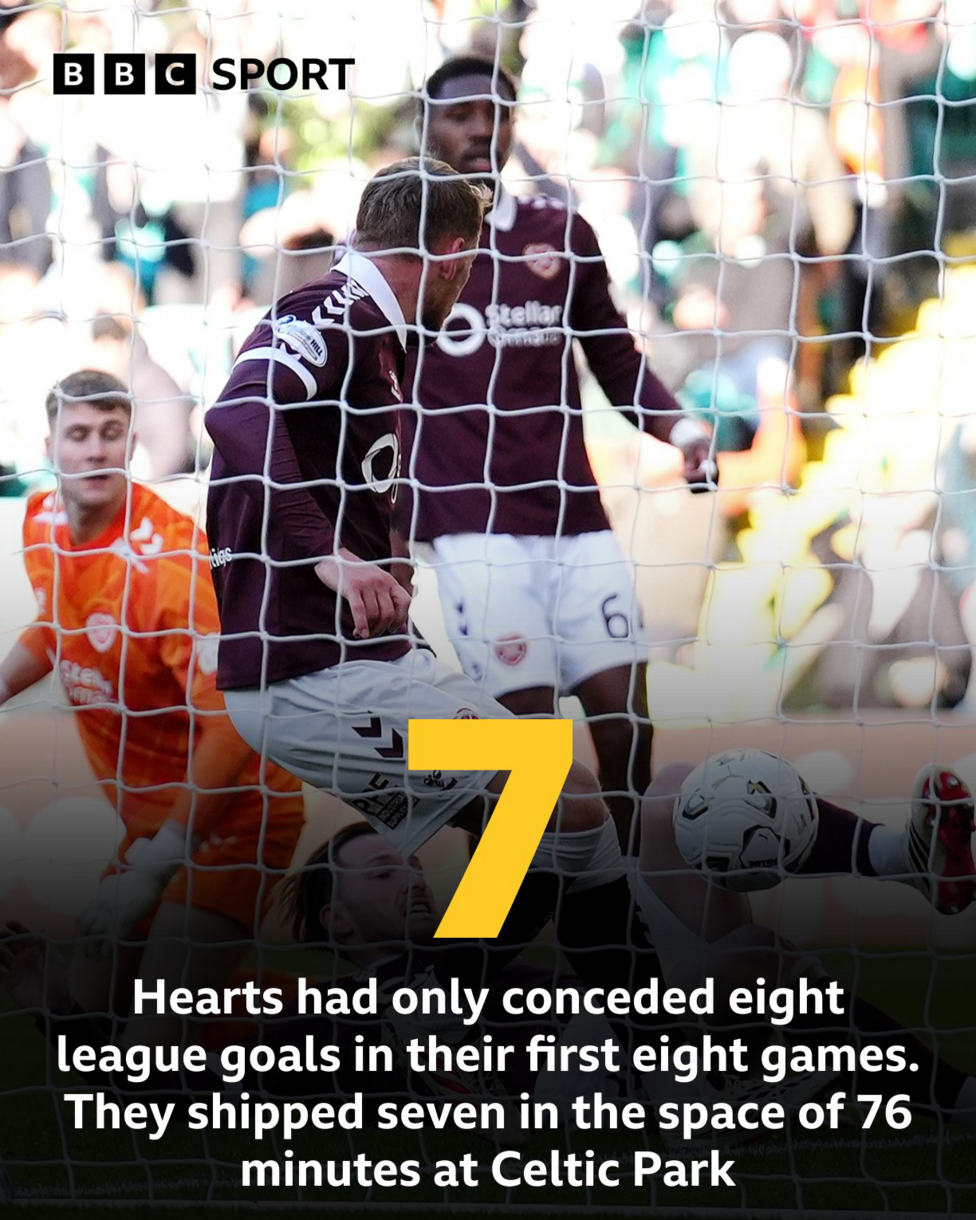
According to Sky Sports, Lawrence Mendy scored Hearts' sole goal in the 41st minute, while Celtic's seven came from Kieran Tierney, Benjamin Nygren (twice), Callum Osmand (twice), Camilo Durán and a James McCart own goal. The clinical finishing compounded the damage inflicted by Hearts' structural weaknesses.
What did Vrancken say about the defeat?
Vrancken attributed the loss to individual player mistakes rather than his own tactical decisions. Speaking to BBC Sport Scotland, he stated:
"We made a few individual mistakes. Two set-plays killed our game at the start. All of their goals were individual mistakes and then it's difficult to win a game. In the set-play moments, you have to be on top of your toes, you have to be on front foot to attack the ball. Against individual mistakes, you can't do too much."
He added:
"Only thing that cannot happen is that everybody starts doubting now in his own qualities. Also, when you are one of the guys that made a mistake, just learn from it. After Monday, it has to be gone because there's another game to come."
The Herald Scotland reported that Vrancken later acknowledged Hearts had made the game "too easy" for Celtic and that his side were "totally exposed" after the two early corners, though this admission came after initial comments emphasising player culpability.
What criticism emerged from former players?
Former Tynecastle defender Ryan McGowan suggested that many Hearts players "went missing" and that Vrancken's instructions "went completely out their ears." His assessment pointed to a breakdown in execution rather than a flaw in the manager's planning.
Former Scotland striker Kris Boyd, however, criticised Hearts' fundamental approach to the match. He said on Sky Sports:
"I've never seen defending like that in all my life. Hearts are still trying to go toe-to-toe with Celtic on 89 minutes. You've got to pay respect to Celtic. If you go man-for-man, they will demolish you and that's exactly what happened there."
Halliday developed this theme, arguing that Vrancken bore responsibility for the tactical setup.
"There was no accountability. He was talking about players' errors, rather than his own errors, which were pretty glaring for me. Anyone who's watched Celtic this year will know they target the front post from set-pieces, but Hearts' set up didn't try to negate that. I've praised Vrancken to the hilt—and I still think they'll finish in the top three—but my worry is if he had the opportunity to play that game again, I don't think he'd do anything differently and what he said just proved that."
Did Hearts have any previous success against Celtic?
The defeat represented a dramatic reversal of recent form. Before this collapse, Hearts had accumulated seven points from four league matches against Celtic in the previous season—the most by any side other than Rangers. This record suggested the club possessed the tactical tools to compete with the Parkhead side, making the 7-1 scoreline all the more shocking.
What did supporters make of the performance?
Fan reaction ranged from concern about Vrancken's inflexibility to frustration at individual errors. One supporter noted: "My concern is the Hearts manager never seems to change his formation when things are not working out. He needs to be flexible at times, or we'll see these scorelines a lot with bigger teams." Another expressed alarm at the defensive organisation: "Relegation material. This result has been coming for a while now. Manager has no Plan B. Our defence is a shambles. Sorely missing Halkett, Spittal and Renaud."
However, some supporters defended Vrancken's tactical approach, arguing that Hearts' possession statistics and shot count suggested the system itself was not flawed: "If the tactics were wrong, Hearts wouldn't have had more of the ball, more passes, more shots etc. Individual errors cannot be the manager's fault."
What happens next for Hearts?
Vrancken indicated that Hearts would process the defeat over the following days before shifting focus to their next fixture. According to the Scotsman, the manager said his side would turn their attention to Thursday's game after taking time to absorb the scale of the loss. The immediate priority became restoring confidence and addressing the defensive vulnerabilities exposed at Celtic Park before facing their next opponent.