Sunderland face a stark paradox as they prepare for a glamorous trip to face AC Milan at the San Siro in the Europa League on 10 December, yet remain rooted to the bottom of the Premier League table after nine matches. According to BBC Sport, the club's 3-1 defeat to Coventry City has left them in a precarious position domestically, despite their impressive European form. The contrast between their continental ambitions and their domestic struggles encapsulates a season that has spiralled dramatically from their surprise promotion campaign.
The Black Cats have won just one Premier League match since 30 August, when they defeated Fulham two days after their Europa League group stage qualification was confirmed. That solitary victory now feels like a distant memory as the club has accumulated six defeats and two draws across their opening nine league fixtures. Coventry's win lifted them out of the relegation zone, while Sunderland remained bottom of the table, and the situation worsened when Omar Alderete received a second yellow card in stoppage time, leaving the visitors with 10 men.
The fixture list ahead presents an immediate crisis. Before their Milan adventure, Sunderland must navigate a treacherous sequence of league matches against Chelsea at home, Aston Villa away, Tottenham at home, Liverpool away, and Newcastle away, interspersed with European commitments including a home game against Dinamo Zagreb. The match against Nottingham Forest, scheduled just three days after the San Siro trip, may ultimately prove far more consequential than the glamorous European encounter.
Why has the defence collapsed so dramatically?
The most striking deterioration has been at the back. Last season, Sunderland boasted the fourth-meanest defence in the Premier League, conceding fewer goals than all but Arsenal, Manchester City, and Brighton. After nine matches last term, they had shipped just seven goals. This season, they have already conceded 17 goals in the same number of games—a figure that took 15 matches to reach last year.

Only Ipswich Town and Crystal Palace have a worse defensive record than Sunderland's current tally. The problems have been compounded by individual errors, with seven goals conceded stemming directly from defensive mistakes. Against Coventry, the opening two goals resulted from a failure to deal with a cross and Luke O'Nien losing possession to Taiwo Awoniyi in the build-up to the second goal. Sunderland have also been without defender Dan Ballard since September's international break due to a hamstring injury, removing a key presence from the backline.
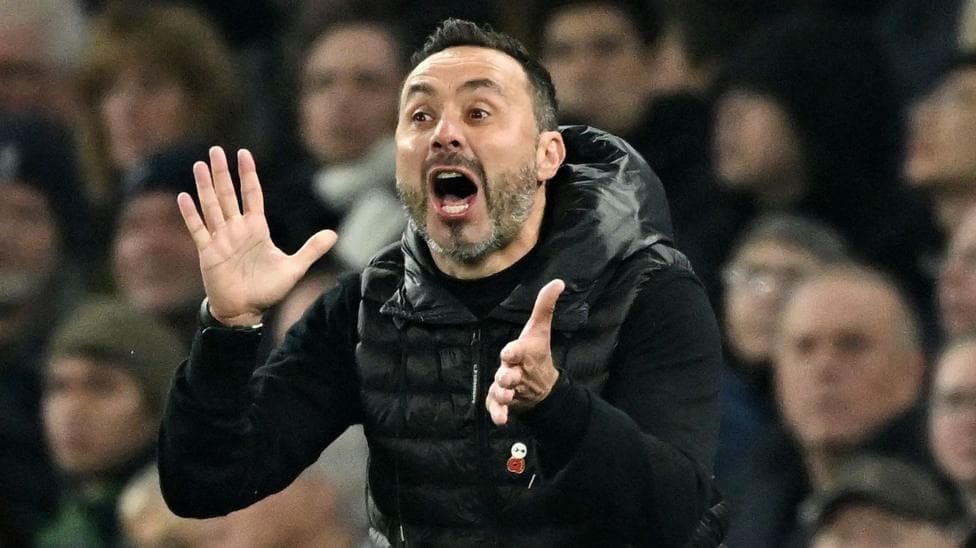
Manager Regis Le Bris acknowledged the scale of the problem after the Coventry loss.
Bad result. Ups and downs, I think, is the summary of this game and the season so far. We can play good football, and create some good chances, but we also made many unforced errors. At this level, especially in the Premier League, the opponent can seize every single opportunity, and [Coventry] did that. It's not a question of luck, it's a question of us.
How have cup competitions affected league form?
A troubling pattern has emerged linking European and cup football to league struggles. Sunderland have taken just one point from six league games since their Europa League and Carabao Cup campaigns began, despite winning four of five cup matches. The defeat to Coventry came immediately after a 3-2 midweek victory over Brentford in the Carabao Cup, which has set up a quarter-final against fellow strugglers Crystal Palace.
In Europe itself, Sunderland have performed admirably. They sit ninth in the Europa League standings with two wins and a draw from three games, with only goal difference keeping them outside the top eight and automatic passage to the last-16 stage. They have conceded just two goals across their three European matches, a stark contrast to their domestic fragility. This disparity raises questions about whether the demands of competing on two fronts are proving too much for a squad that was not expected to face such challenges this season.
What is the attacking problem?
While defensive frailties dominate the narrative, Sunderland's attacking output has also become a concern. They have scored just seven goals in nine league matches, with only Nottingham Forest managing fewer among the bottom half of the table. This represents a continuation of last season's struggles in front of goal—only relegated Burnley and Wolves had a lower expected goals difference than Sunderland last term, and only three teams scored fewer than their 42 goals across the entire campaign.
The combination of defensive vulnerability and limited attacking threat has created a perfect storm. Captain Granit Xhaka expressed his frustration following the Coventry defeat.
Very disappointed. We are not doing the things that we have been speaking about; we are not doing the things that we are doing in training. Again, so many mistakes. We have no chance to win any games like this.
Xhaka later expanded on the challenges facing the squad.
Football isn't one day good, one day bad. We didn't have [European football] last season. When we lost once last season we came back, but we are doing so many simple mistakes, and if you do mistakes in this league you get punished. And we are getting punished every weekend. I don't know exactly what the problem is. Is it concentration, is it other things? Of course, we are now bottom of the league, but in football you need to think positive. You need to show courage even if you make mistakes when you play, but that's not the case at the moment.
Can Sunderland recover from this position?
There are limited positives to extract from the current situation. Sunderland have already faced three of the division's strongest teams in Arsenal, Manchester City, and Brighton, while earning spirited draws against Brentford and Leeds. However, such observations feel hollow when the club sits bottom of the table with a negative goal difference and mounting pressure.
Manager Le Bris has maintained faith in his squad's ability to turn the situation around. According to reports, he said he had no doubt that his players still backed him, while acknowledging the team needed to improve. The manager's confidence will be tested severely in the coming weeks.
Xhaka echoed this sentiment of defiance despite the dire circumstances.
It's a difficult position where we are, but a situation where we can show our character, show our desire together to come out from here. I believe that we can still do it, and let's focus on the next one now.
The scale of the challenge cannot be overstated. Sunderland's last comparable winless run in the Premier League extended to 10 games between February and April 2017, a period that tested the club's resolve. The current sequence, while shorter, has been accompanied by a defensive collapse that suggests systemic problems rather than temporary bad fortune.
What comes next for Sunderland?
Sunderland are due to host Dinamo Zagreb in Europe before their next league match, a home game against Chelsea. The fixture congestion and the quality of opposition ahead means that without an immediate improvement in both defensive solidity and attacking efficiency, the gap between Sunderland and safety could widen significantly before the San Siro trip arrives. The European adventure that once seemed like a reward for last season's success now threatens to become a distraction from a genuine battle for survival.