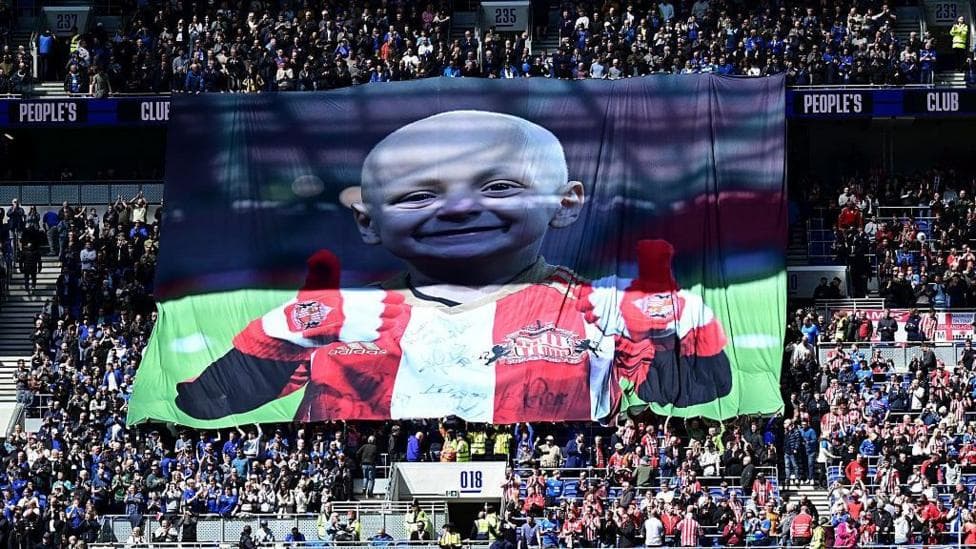
Calum Ferguson achieved what thousands of young footballers dream of when he represented his boyhood club, Inverness Caledonian Thistle, in the Scottish Premiership. Yet the 31-year-old now views his career trajectory as a cautionary tale about youth development in Scotland. According to BBC News, Ferguson graduated from Caley Thistle's academy at 18 but appeared in just two first-team matches before moving to lower-league clubs and eventually to Canada and New Zealand in search of top-flight opportunities.
Ferguson's experience reflects a systemic problem that Scottish football has only recently begun to confront. Now working as a development officer with Alba Football Alliance, he argues that the sport continues to market an unrealistic vision to young players and their families.
"Parents believe their boy, or their girl, will get to the first team - that they will be a star in football,"he explained.
"You just fall away from the game and your life changes overnight."

How severe is Scotland's homegrown player shortage?
The scale of the problem became impossible to ignore when all 42 SPFL clubs convened in St Andrews during September to address why so few young Scottish players are reaching elite level. Data presented at the summit revealed that Scottish players under 21 accounted for just 4.1% of minutes played in the Scottish Premiership—a figure that starkly contrasts with comparable leagues elsewhere.
In the Danish Superliga, a league of equivalent size, young domestic players made up 15.1% of playing time. The disparity was even more pronounced when examining starting lineups: in the opening round of Scottish Premiership fixtures this season, only 28% of starters were born in Scotland. By contrast, in Norway, homegrown players comprised 72% of starting elevens on their opening weekend.
What can Norway's model teach Scottish football?
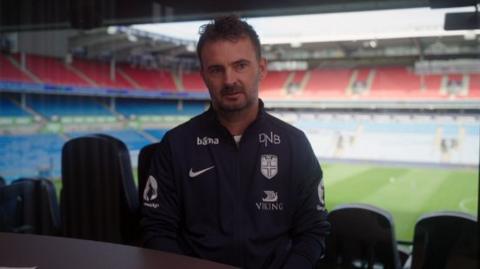
Norway's success stems partly from strict regulatory measures. The Norwegian league mandates that every club's full squad must include 16 homegrown players, while matchday squads are limited to a maximum of nine foreign players. Nicklas Fuglestad, a 20-year-old who regularly plays for Viking FK in the Norwegian city of Stavanger, credits these rules with creating genuine opportunities for young talent.
"Everyone I know is very happy with how the Norwegian football league operates,"he says.
"It makes it a bit easier for a young player to move up from the academy and make the step into A-league football."

Viking FK's transformation illustrates the potential of prioritising youth development. After being relegated to the second division nearly a decade ago, the club refocused on developing academy talent. They finished as champions last year and have since qualified for the Champions League group stage, where they recently fielded eight Norwegian players, four of whom came through their academy system, with three additional academy graduates appearing as substitutes.
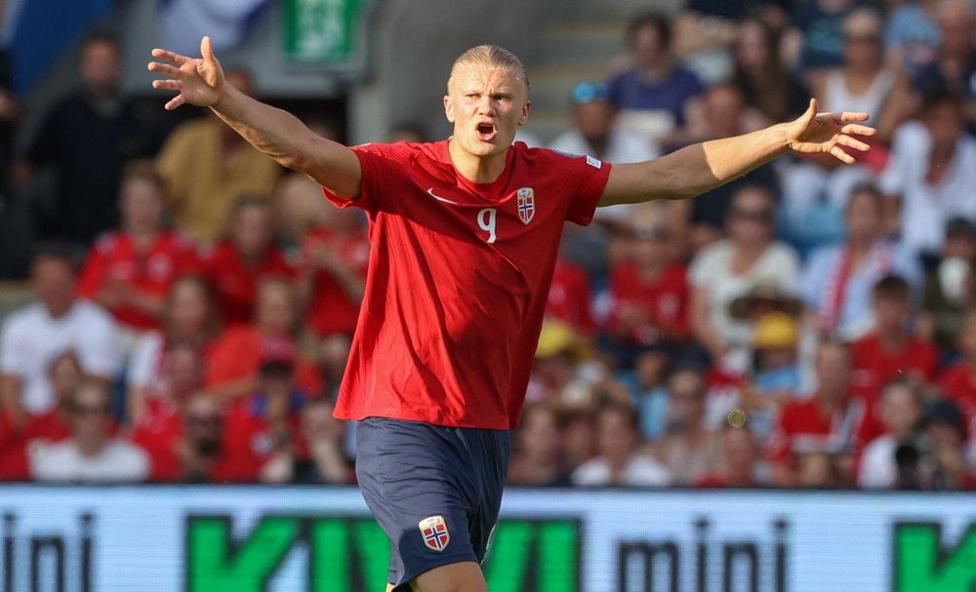
With both Viking FK and Bodø/Glimt competing in Europe's premier club competition this season, Norway appears to be experiencing a golden generation. The national team's World Cup quarter-final appearance—an achievement extending well beyond the contributions of striker Erling Haaland—demonstrates the broader strength of the player pipeline.
Is regulation the whole story?
However, quotas alone do not explain Norway's resurgence. Håkon Grøttland, head of player development at the Norwegian Football Federation, emphasises that two major structural changes over the past 25 years have been equally transformative: the expansion of artificial pitches and substantial investment in coaching and talent development infrastructure.
Artificial pitches converted football from a seasonal summer sport into a year-round activity, fundamentally changing Norway's football culture. Between 2016 and 2025 alone, 539 artificial pitches were constructed, with another 586 redeveloped. Nearly all remain open and free to use outside official match times. Grøttland explains:
"In the period 2010 to 2020 we used a lot of resources, hired a lot of talent coaches, and built some talent systems in Norway, where I think it's quite unique because it's a system that link grassroots football and top club football together."
That system is Landslagskollen—the National Team School (NTS)—established in 2013 following Norway's failure to qualify for Euro 2012. Rather than functioning as a traditional academy or centralised boarding school, it operates as a national development structure connecting grassroots clubs, regional districts, elite clubs, and the federation. Eleven of the 15 players who featured in Norway's 2-1 victory over Brazil in the World Cup round of 16 this year had progressed through the NTS pathway from under-15 or under-16 level.
What reforms is Scottish football proposing?
At the St Andrews summit in September, the Scottish FA proposed a combination of quotas and financial incentives to increase playing time for young Scottish players. The governing body put forward three specific recommendations:
Two Scotland-eligible under-21 players must start in all Scottish Cup matches; two Scotland-eligible under-21 players must start in all Premier Sports Cup matches; and clubs should field Scotland-eligible under-21 players for an average of 60 minutes in each league game across all four SPFL divisions, equivalent to 6% of available minutes.
According to BBC Sport, the SFA is making £1 million available to incentivise clubs to provide more playing time to young Scotland-eligible players. Additionally, clubs that fail to meet the league target could lose 10% of their final-placing prize money.
Two votes were scheduled to determine the fate of these proposals. The first, concerning Scottish Cup rule adoption, was originally planned for October at the SFA's annual general meeting but did not occur. The SFA now indicates this vote is expected in mid-December. The second vote is due at the SPFL's annual meeting this month. Adoption of the league and Premier Sports Cup recommendations requires 11 out of 12 top-flight clubs to vote in favour—a notably high threshold.
Livingston has publicly backed the SFA's proposals and indicated it would vote in favour, while noting it would have supported mandatory requirements if sufficient support could be secured.
Are managers willing to take the risk?
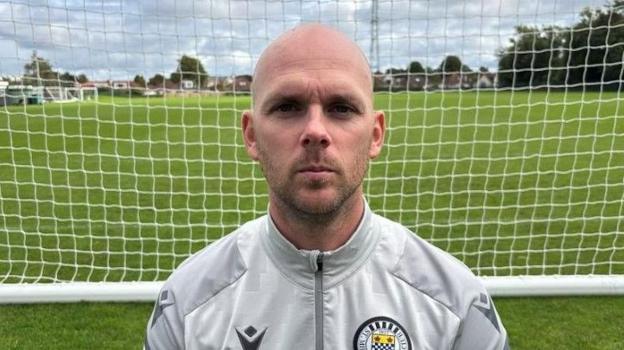
A common objection to fielding young players is the perceived risk to competitive results. Managers operating in the Scottish Premiership face intense pressure, knowing that a handful of defeats could cost them their employment. St Mirren manager Craig McLeish, who took the role on an interim basis in March before securing a permanent contract in summer, represents a different perspective. By the time BBC Eòrpa interviewed him in September, he had handed debuts to six homegrown players.
McLeish, who spent years working in academy football, argues he cannot occupy his current position without providing opportunities to young players who demonstrate readiness.
"Yeah, you've got a longer term contract but you know that can be short-lived,"he acknowledged.
"It's results based and I'm totally fine with that. I don't fear the negative outcome that can come."
McLeish also expressed reservations about whether the SFA's proposals go far enough, though he acknowledged that more stringent measures would likely fail to secure sufficient votes.
"It's probably a little bit unfortunate, the governance in this country, that we can't just be told by one power, look this is what's happening,"the 36-year-old said.
What does recent history show about Scottish talent?
In recent years, several top-tier players including Andrew Robertson, John McGinn, and Ryan Christie all received substantial grounding in the Scottish Premiership before progressing to greater achievements at elite European clubs. Their trajectories demonstrate that the Scottish top flight remains capable of developing talent, provided sufficient opportunities exist.
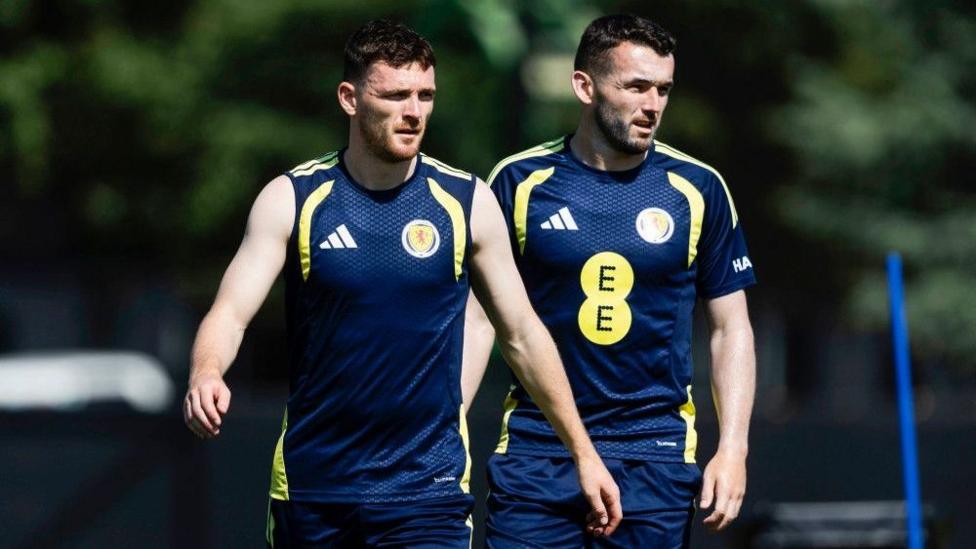
Despite ongoing concerns about youth development, the Scottish Premiership itself has proven increasingly entertaining. Last season delivered one of the most compelling title races in years, suggesting that competitive quality need not be sacrificed by integrating more young players into regular action.
What happens next for Scottish football?
The SFA's proposals were originally scheduled for votes at an SFA general meeting in October and the SPFL annual meeting in November. If approved, implementation would begin in the 2027–28 season. However, the SFA is reportedly reconsidering aspects of its plan after Premiership clubs raised concerns, including whether to adjust the age limit from under-21 to under-23.
Recent data offers some encouragement. The SPFL reported that Scotland-eligible under-21s played 94,229 minutes in the 2025–26 KDM Evolution Cup, a dramatic increase from 21,489 minutes the previous season. The SPFL has also expanded the KDM Evolution Trophy's role for Premiership B teams, guaranteeing them at least six matches, and changed rules to permit 15-year-olds to participate in the trophy and in league and League Cup matches. Club cooperation agreements have further enabled young players to move between Premiership clubs and lower-league teams, allowing them to play for both in the same week.
The Scottish FA is also engaging directly with agents to build consensus. The Daily Record reported that Craig Mulholland was scheduled to meet approximately 30 agents at Hampden on 30 October to discuss the proposals and strategies for helping young Scottish players progress.
Scotland's national team endured a disappointing group-stage exit at the World Cup, yet the achievement of returning to the tournament after 28 years represented significant progress. The question now centres on whether the next generation of players can be developed through reformed domestic structures. The Tartan Army will not welcome another 28-year absence from the global stage, making the decisions taken in the coming weeks critically important for Scottish football's future.