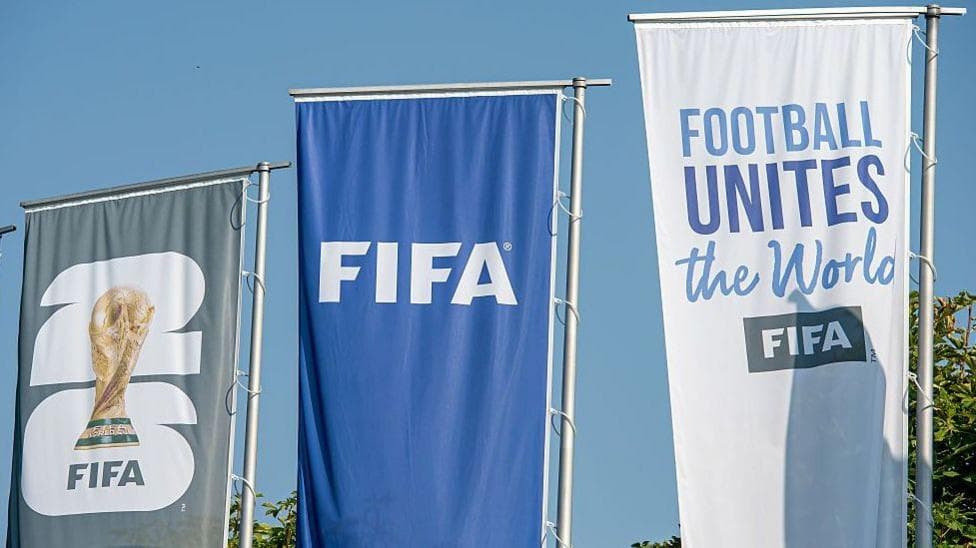
The Premier League has joined Spain's La Liga, Germany's Bundesliga, and Italy's Serie A in demanding sweeping governance changes at FIFA, accusing president Gianni Infantino of promoting ideas that exploit the sport's structure. The four leagues issued a joint statement calling for "fundamental" reform to make world football's governing body "transparent, objective, proportionate and inclusive", arguing that FIFA's current model concentrates excessive power in the hands of its president without meaningful checks and balances.
The intervention comes as Infantino faces mounting pressure over his failed attempt to sell a 20% stake in FIFA's commercial operations, including World Cup-related rights. According to , the plan sparked global backlash and forced Infantino to propose an independent external review of FIFA's governance framework. The four leagues issued their fresh call for reform on 25 September 2026, signalling that Infantino's initial response falls short of what they believe is necessary.
What specific changes are the leagues demanding?
The four leagues have outlined three core demands for FIFA's restructuring. First, they want FIFA to establish a permanent body representing key stakeholders—including leagues, clubs, and players from both men's and women's football—that would have "a meaningful role" in FIFA's decision-making process rather than serving merely in an advisory capacity.
Second, they are calling for "evidence-based decision-making", requiring that any major proposal be subject to an independent assessment evaluating its impact on all stakeholders. Third, they demand a clear separation between FIFA's regulatory role and its commercial function, with "robust institutional safeguards" to preserve trust and accountability. This would include ensuring that ethics, financial oversight, and electoral bodies operate "genuinely independent of the FIFA administration and presidency".
Why are the leagues taking action now?
The statement references what the four leagues describe as "one of the biggest abuses of power in FIFA's history"—the failed investment scheme. Although stakeholders ultimately forced the withdrawal of the plan, the leagues argue that the underlying governance problems remain unresolved. They point to a specific incident in which FIFA suspended United States forward Folarin Balogun at the World Cup, only to reverse the decision after US President Donald Trump called Infantino requesting a review, as evidence of how political interference can undermine FIFA's regulatory independence.

The leagues emphasize that governance concentrated in a single office without effective checks and balances "is not fit for purpose". According to the BBC, Infantino has acknowledged the need for reform and proposed time-limited consultations with confederations, member associations, and other stakeholders, with FIFA's Council set to consider the proposal on 15 October 2026.
What is the history of tension between the leagues and FIFA?
This latest action builds on longstanding disputes between Europe's top leagues and FIFA. Two years ago, the Premier League, La Liga, Bundesliga, and Serie A—along with players' union Fifpro—filed a legal complaint with the European Commission against FIFA, alleging "abuse of dominance" over the expansion of the international fixture calendar and a lack of meaningful consultation. FIFA denied the allegations and accused some leagues of "hypocrisy" and acting "without consideration to everyone else in the world".
The leagues counter that their legal action reflects a flawed governance framework in which FIFA uses its regulatory authority to advance its own commercial objectives without accounting for the impact on the economic and social sustainability of national competitions. They argue that this pattern must change.
What happens next in FIFA's leadership?
Despite calls from three confederations for him to step down, Infantino has announced he will stand for re-election in March 2027. Potential opponents have until 18 November 2026 to find an alternative candidate. The four leagues are using this moment to push their agenda, stating: "Now is the moment to decide not only who will lead FIFA, but also how FIFA should be led." They want candidates to publicly support their reform proposals and ensure that "the voice of every league is heard" in the process.
According to Al Jazeera, the Council discussion scheduled for 15 October 2026 will determine whether FIFA commissions the independent governance review and how broad the stakeholder consultation process will be. Infantino's letter, sent to FIFA's 211 member association presidents, specifically invites ideas on the roles of the president, the Bureau, the Council, and the Congress, as well as ways to improve transparency, participation, and accountability in major strategic initiatives.
The statement is signed by Richard Masters, chief executive of the Premier League; Marc Lenz, CEO of the Bundesliga; Javier Tebas, president of La Liga; and Luigi De Siervo, CEO of Serie A. Their unified position underscores the depth of concern among Europe's most powerful football institutions about FIFA's current governance model and their determination to shape the outcome of the coming leadership election.
Key Facts
- Four major European leagues are demanding fundamental FIFA governance reform, citing concentrated presidential power and lack of stakeholder accountability.
- The push follows backlash over Infantino's failed plan to sell a 20% stake in FIFA's commercial operations, which was withdrawn after global criticism.
- FIFA's Council is scheduled to consider an independent external review proposal on 15 October 2026.
- Infantino will seek re-election in March 2027, with potential challengers having until 18 November 2026 to declare candidacy.
- The leagues want any future FIFA president to publicly commit to their reform proposals, including permanent stakeholder representation in decision-making.