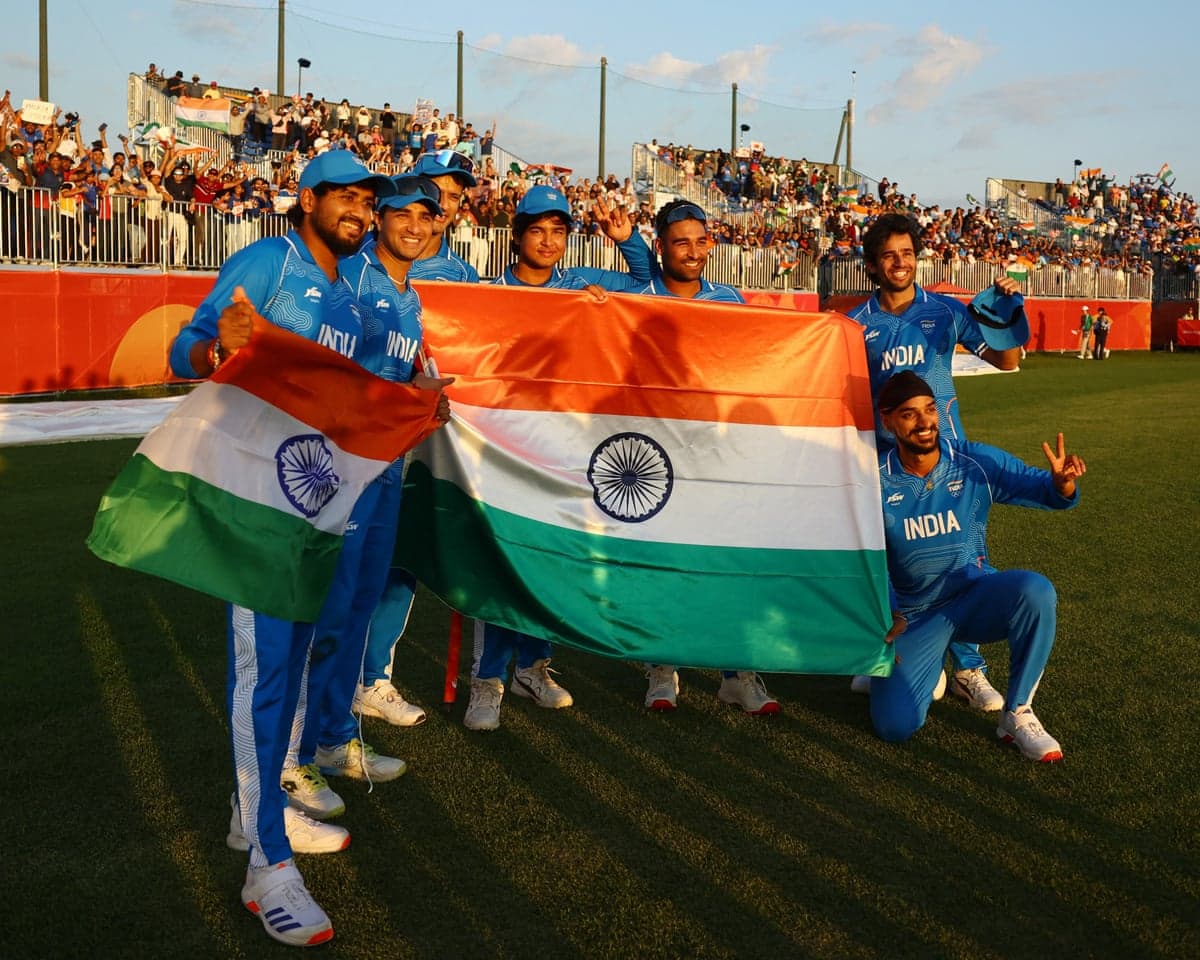
India secured the men's cricket gold medal at the Asian Games by defeating Pakistan by 19 runs in a Twenty20 final held on neutral ground in Nagoya, Japan on 3 October 2026. The T20 world champions compiled 211 for six across their 20 overs, with Abhishek Sharma contributing 61 and Tilak Varma remaining unbeaten on 51, while Pakistan's reply fell short at 192 for six despite Hasan Nawaz's commanding 96.
The two nations, whose political tensions restrict their meetings to international tournaments on neutral venues, marked the occasion with a notable absence of the customary pre-match handshakes between captains. Following their victory, India's players celebrated by parading their national flag around the converted baseball field at Korogi Park Athletic Stadium, a venue that represented new territory for both teams and their hundreds of millions of television viewers across South Asia.
According to official Games records, this triumph extended India's dominance in men's T20 internationals against Pakistan to 15 wins against 3 defeats, underscoring their superiority in the format.
How did India build their total?
After choosing to bat first, India's opening pair set an aggressive tone immediately. Vaibhav Sooryavanshi announced his intentions with consecutive sixes off Saad Masood's second over, which yielded 24 runs, though the 15-year-old batting prospect departed four deliveries later for 15. His opening partner Abhishek Sharma took centre stage, reaching his fifty off 28 balls to enthusiastic applause from supporters who brought South Asian cricket atmosphere to the Japanese stadium.
India reached 81 for two at the end of the powerplay as Abhishek dominated the bowling before falling in the eighth over. Abhishek's innings of 61 came from 28 deliveries and featured seven sixes, establishing a strong platform for India's innings. His performance was aided by Pakistan's fielding lapses, as he was dropped twice and survived a run-out opportunity when Ahmed Daniyal's throw sailed past both the stumps and wicketkeeper with him stranded at 46.
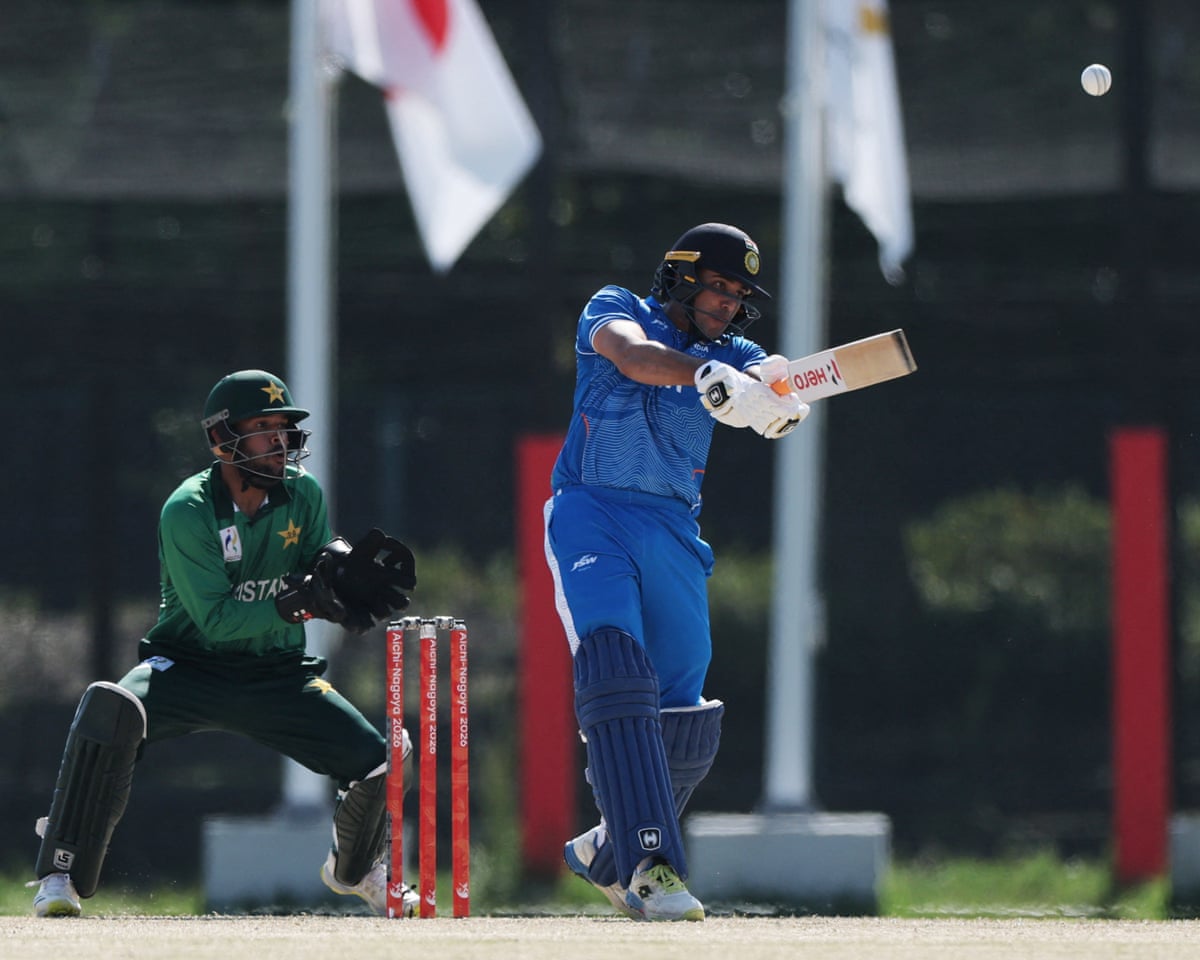
India's momentum appeared to stall when Ishan Kishan departed for 20 and captain Shreyas Iyer fell for 21, leaving the team at 133 for five in the 15th over. However, Tilak Varma's explosive finishing proved decisive. The batter struck four sixes while Shivam Dube contributed 27 runs with two maximums, combining for an unbroken 62-run partnership across five overs that propelled India past the 200-run mark. Tilak's unbeaten 51 came from just 22 deliveries and featured three fours and four sixes, showcasing the aggressive approach that defined India's innings.
How did Pakistan respond?
Pakistan's chase began promisingly as Sahibzada Farhan and Maaz Sadaqat combined for 33 runs across 3.4 overs. However, Pakistan soon slipped to 39 for three, placing them in early trouble. When Sadaqat departed for 23, Pakistan appeared vulnerable, but Hasan Nawaz had other plans. The batter accelerated significantly, racing to his fifty off 28 balls with five sixes as he read the pitch's pace and bounce with increasing confidence.
Hasan's partnership with Saim Ayub flourished, accumulating 87 runs before Shivam Dube induced Ayub into a false stroke that Washington Sundar caught running in from square leg, leaving Pakistan at 126 for four at the start of the 15th over. Despite this setback, Hasan maintained his aggressive approach, bludgeoning seven maximums in total, though Pakistan's required rate became increasingly steep.
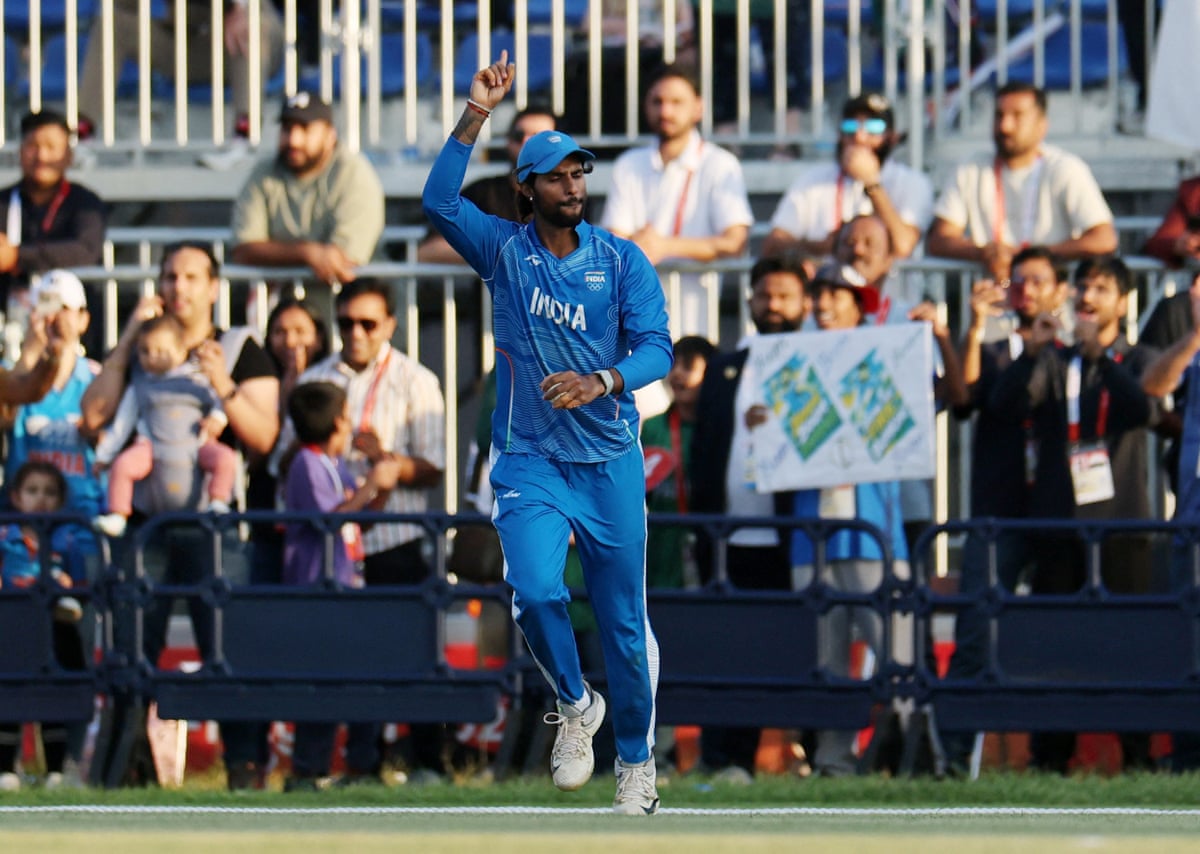
When Washington Sundar dismissed Abdul Samad to long-on, Pakistan required 52 runs from the final three overs at 168 for five with two overs remaining. India's captain Shreyas Iyer recalled Jasprit Bumrah for the penultimate over, which cost only 11 runs and left an improbable 33 needed from the final six deliveries. Dube bowled the last over, and though Hasan reached 96 off 51 deliveries with seven sixes and five fours, he fell attempting one final boundary off the last ball, ending Pakistan's hopes of an unlikely victory. The India bowlers shared the wickets, with spinners Axar Patel and Washington Sundar both taking 2-29, while all-rounder Shivam Dube took 2-33.
What was the broader context?
This victory represented India's second consecutive men's and women's cricket double at the Asian Games. According to official Games records, the Indian women's team defeated Sri Lanka by 147 runs in their final on 22 September, mirroring the men's success and extending India's dominance in cricket at the Games. This achievement follows India's successful defence of the men's title, having won both the men's and women's gold medals at the Hangzhou 2023 Asian Games.
Pakistan's last victory over India in T20 internationals came during the 2022 Asia Cup, when they won by five wickets with Mohammad Rizwan scoring 71, making this defeat particularly significant in the context of their recent head-to-head record. Sri Lanka claimed the bronze medal after defeating Bangladesh by 63 runs in the third-place playoff.
Key Facts
- India's 211 for six proved decisive against Pakistan's 192 for six in the Twenty20 final held on neutral ground in Nagoya, Japan on 3 October 2026
- Abhishek Sharma's 61 from 28 balls with seven sixes and Tilak Varma's unbeaten 51 from 22 balls drove India's total, while Hasan Nawaz's 96 from 51 balls with seven sixes came close but fell short for Pakistan
- The victory extended India's T20 international record against Pakistan to 15 wins and 3 defeats
- India completed a second consecutive men's and women's cricket double at the Asian Games, with both teams claiming gold medals
- The captains declined the traditional pre-match handshake, reflecting the political tensions that restrict these nations' meetings to international tournaments on neutral venues