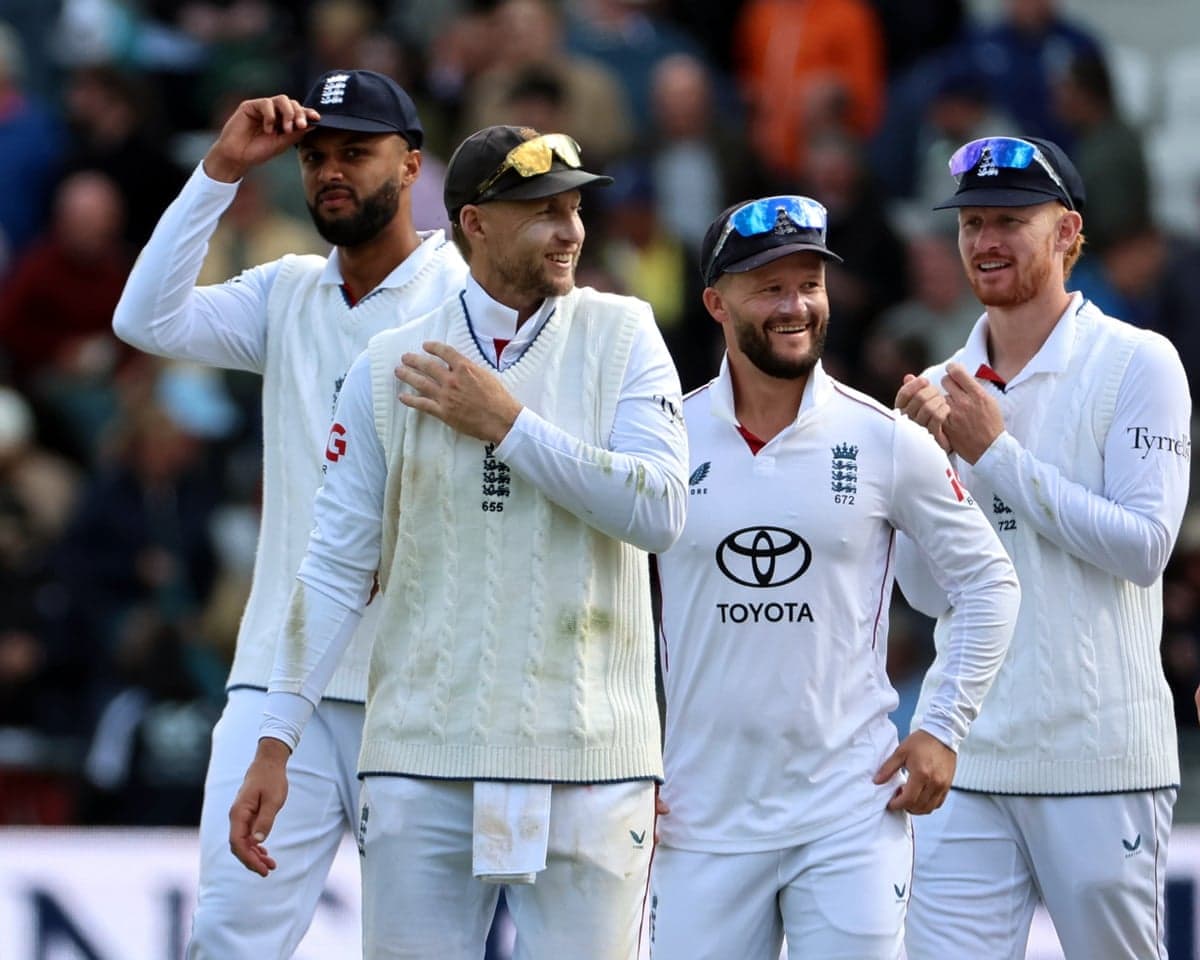
England's Test cricket summer has been tumultuous, but the upheaval may ultimately prove beneficial for a team learning to function without its former captain and coach. After weeks of instability—including a disciplinary issue involving centrally-contracted player Brydon Carse, who was arrested outside a bar in Derby on Saturday night following a Durham match before being released without charge—the team now has an opportunity to reset under fresh leadership.
The chaos began when Ben Stokes, England's talismanic captain, withdrew from a Test mid-series following a disciplinary sanction, transforming a series defeat into an unexpected departure. Head coach Brendon McCullum was subsequently removed from the red-ball role shortly after both men had been publicly backed to continue. The result has been a disorienting summer marked by uncertainty and, at times, visible bewilderment among the playing group.
Joe Root has now assumed the captaincy on a permanent basis and is working with an interim head coach operating remotely, a far cry from the stability narrative that ECB leadership had previously promoted. Yet beneath the surface turbulence lies potential for genuine improvement.
How has the team's mood shifted?
The departure of Stokes, while destabilising in the short term, may have removed a source of emotional volatility that had begun to weigh on the squad. Stokes is an exceptional cricketer whose passion and intensity once galvanised the team, and players thrived in his presence. However, his emotional swings—particularly evident during the Pakistan tour in the previous winter, when he became frustrated enough to apologise for his conduct, and again this summer when he abruptly withdrew after pledging his commitment to Test cricket—had begun to create an unpredictable environment.
The team's psychological state had become tethered to Stokes' temperament in ways that ultimately proved limiting. Root, by contrast, is likely to provide steadier leadership, with less pronounced peaks and troughs in mood and decision-making.
What is changing in the coaching structure?
McCullum's removal marks a significant tactical shift. The ECB recognised that while his appointment had injected positivity into English cricket and transformed the mindset of senior players, the "Bazball" philosophy—characterised by aggressive, attacking cricket—had reached its limits. The team had failed to secure a marquee series victory, key moments had been squandered, and younger players had not developed as hoped in that environment.
Stephen Fleming, appointed as the new head coach, will not assume his role until next summer, leaving Marcus Trescothick as interim coach for the upcoming Pakistan series. Fleming's reputation as a meticulous tactician and former Test captain suggests the pendulum will not swing too far in the opposite direction. His existing relationship with McCullum, who remains in charge of England's white-ball team, should help mitigate the complications that typically arise from split coaching structures.
Where is the selection showing signs of health?
One area where genuine progress is visible is in the squad selection process. Rather than automatically retaining favoured players regardless of form, England is now building genuine competition for places. At Headingley, beyond Root and the exceptional Harry Brook, there is meaningful rivalry for positions.
Jordan Cox impressed with a controlled yet confident 73 from the number three position, though Jacob Bethell has been ruled out of the Pakistan series through injury, with Cox set to move up the order to number three. Dan Lawrence and Emilio Gay are also pressing their claims, meaning Cox's position is not guaranteed. Jamie Smith, the improving wicketkeeper, requires runs to consolidate his place, adding another layer of competition.
How does the bowling attack look?
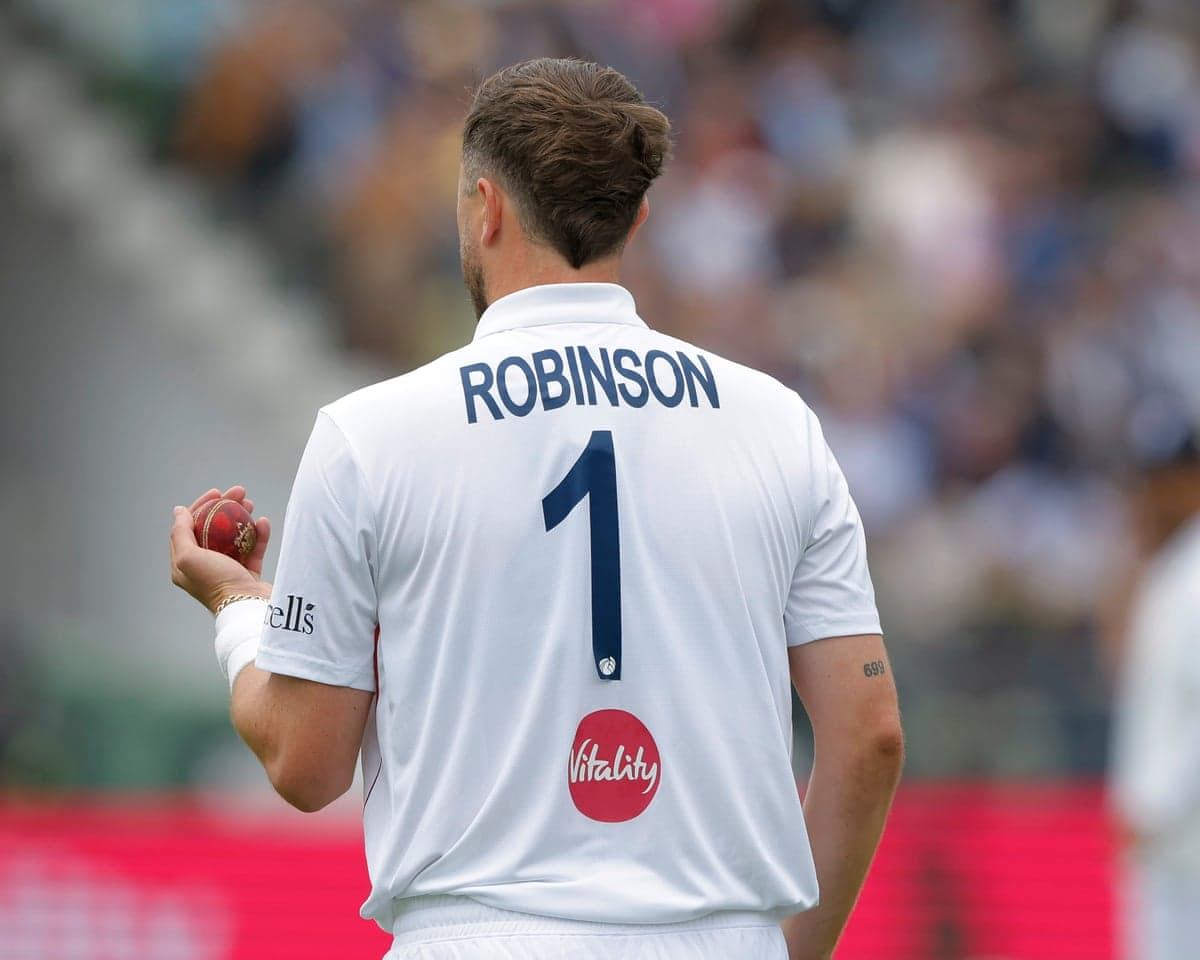
Without Stokes' all-round contribution, the bowling attack faces a structural challenge: the difficulty of accommodating a frontline spinner. However, in English home conditions, a four-pronged pace attack offers genuine excitement. The squad for the first two Pakistan Tests includes Jofra Archer, Gus Atkinson, Shoaib Bashir, Brydon Carse, Sam Cook, Ollie Robinson and Josh Tongue, providing multiple options and depth.
Could Stokes return in the future?
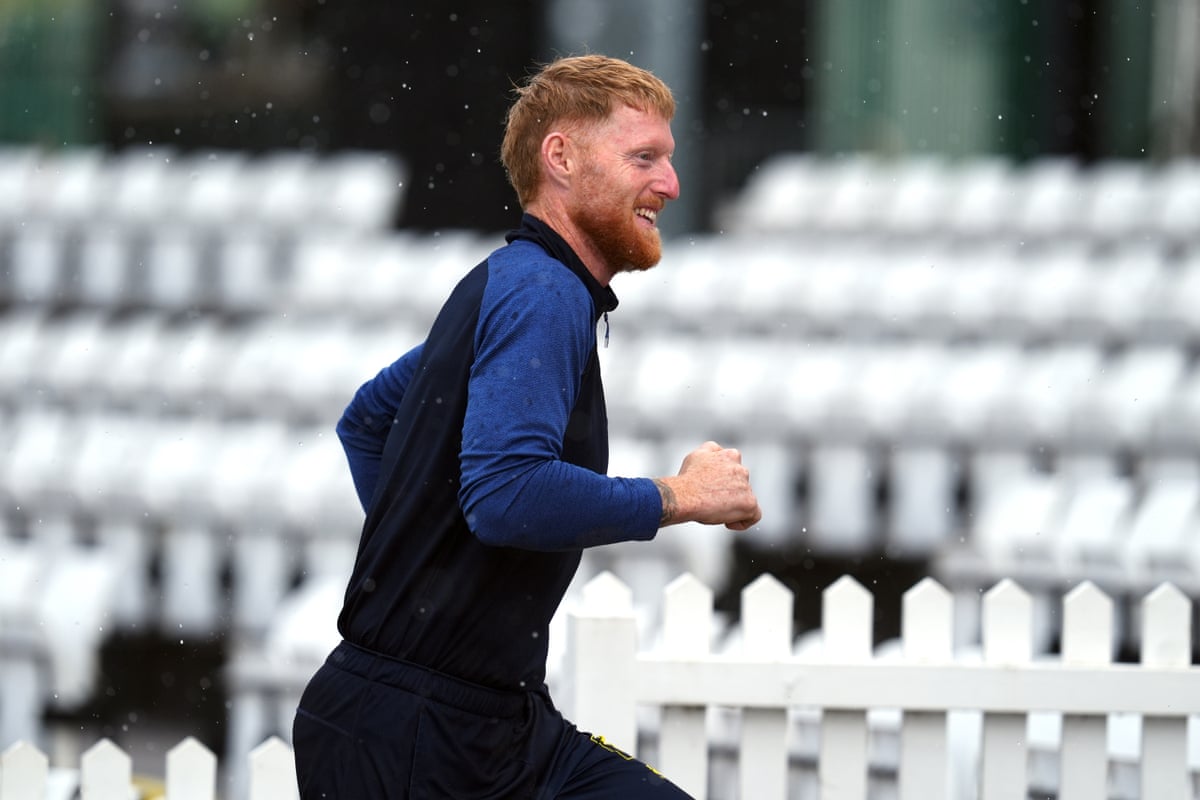
Stokes declined to commit in June to playing under another Test captain, yet a return for next summer's Ashes series remains plausible given his close relationship with Root. His recent appearances for Durham have shown a player who appears relaxed and liberated, suggesting he may have simply needed a break from international cricket rather than a permanent retirement.
What happens next?
England faces Pakistan in a three-Test series beginning on 19 August 2026 at Headingley, with the second Test scheduled for 27 August at Lord's and the third for 9–13 September at Edgbaston. This series represents the team's first Test outing since Stokes' departure and McCullum's removal, offering a genuine opportunity to establish a new identity under Root's captaincy and Trescothick's interim coaching.
For all the disruption of recent weeks, the darkest moment may indeed have passed. The team now has space to breathe, rediscover itself under calmer leadership, and begin rebuilding its Test credentials.