
Nearly three decades after rapper Tupac Shakur was gunned down in Las Vegas, a 63-year-old former gang leader is finally facing a jury over his death. Duane "Keffe D" Davis has pleaded not guilty to murder with a deadly weapon with intent to promote, further or assist a criminal gang, and if convicted he could spend the rest of his life in prison without parole. Jury selection began this week in Clark County District Court, with opening statements set to begin on 17 August 2026.
The case is expected to dig deep into the violent rivalry between East Coast and West Coast hip-hop, and the street gangs whose feuds spilled into the music industry throughout the 1990s. Prosecutors say the trial could feature testimony from celebrity witnesses, including Suge Knight, the former head of Death Row Records and widely considered the last living witness to the shooting. Yet the entire prosecution largely rests on a single piece of evidence: a memoir co-written by Davis himself, portions of which he now claims were fictionalised.
What sparked the East Coast-West Coast rap rivalry?
The conflict that eventually consumed Tupac began on the streets of Los Angeles, where the Bloods, associated with the colour red, and the Crips, associated with blue, waged a long-running turf war. That local gang rivalry bled into a much bigger cultural clash — the East Coast versus West Coast feud that defined hip-hop in the 1990s, embodied by two competing labels: Suge Knight's Death Row Records and Sean "Diddy" Combs' Bad Boy Records.
Author Jeff Pearlman, who wrote Only God Can Judge Me: The Many Lives of Tupac Shakur, points out the irony at the heart of the story.
"The funny thing about it is Tupac is actually an East Coast rapper," said Jeff Pearlman.
Born in New York City, Tupac relocated to northern California as a teenager and only became associated with the West Coast sound after signing to Death Row Records alongside artists such as Snoop Dogg and Dr Dre.
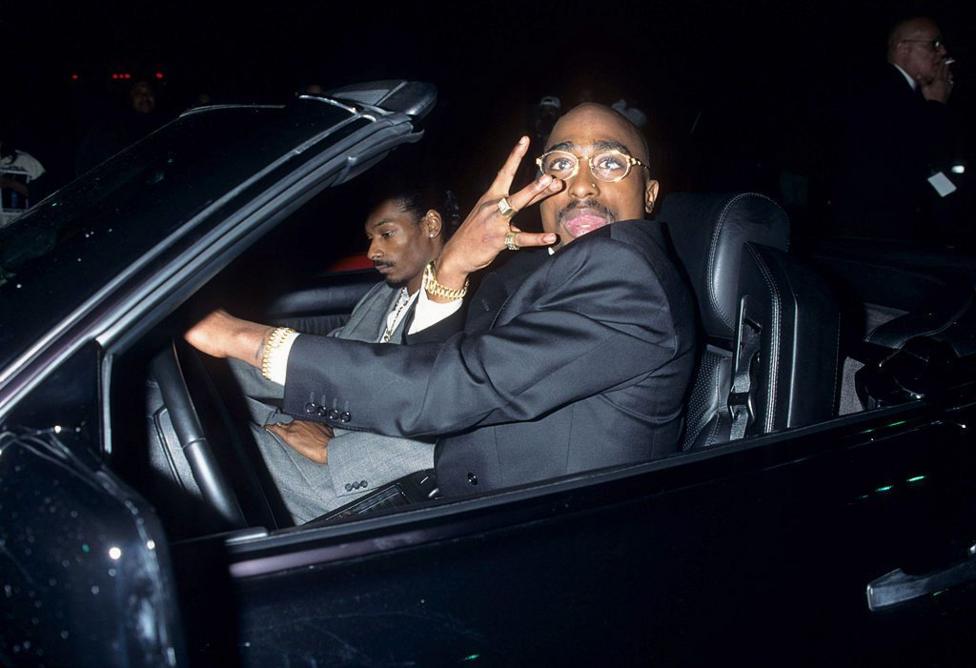
Santi Elijah Holley, author of An Amerikan Family: The Shakurs and the Nation They Created, argues that the Death Row image never captured the full picture of who Tupac was. His mother, Afeni Shakur, was a member of the Black Panther Party, and he was raised within the black liberation movement.
"His activism was his art, his lyrics," Holley said.
Tupac went on to appear in several Hollywood films and released All Eyez on Me, widely regarded as hip-hop's first double album, which sold more than five million copies. Released just months before his death, the record cemented his standing in gangsta rap, a genre that glamorised the violent realities of street crime and drug dealing. After he was shot on 7 September 1996, Tupac's death transformed him into something close to a martyr for the very lifestyle his music depicted.
How was Tupac killed?
The fatal chain of events began when Tupac and Suge Knight attended a boxing match between Mike Tyson and Bruce Seldon at the MGM Grand in Las Vegas. Surveillance video from that night shows Tupac and members of his entourage — reportedly linked to the Mob Piru Bloods — assaulting a man named Orlando Anderson, who police allege belonged to the South Side Compton Crips.
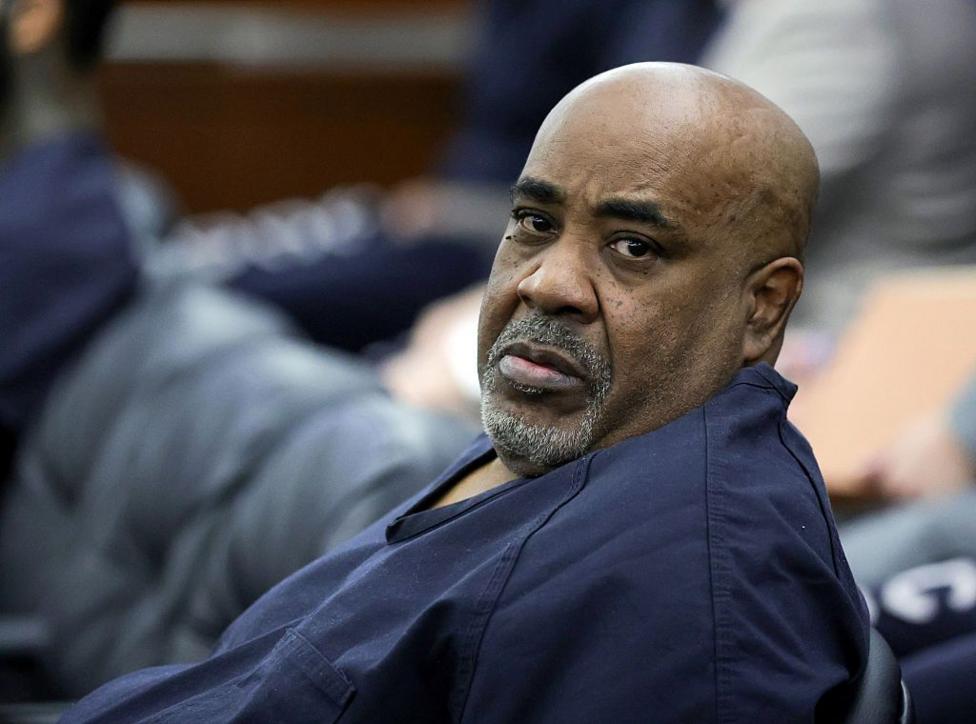
Roughly three hours later, Tupac was riding as a passenger in Knight's BMW when a white Cadillac pulled up alongside the car and opened fire. He was struck four times and died six days later. For close to thirty years afterward, his killing remained one of the most notorious unsolved murders in American history.
Investigators have offered several explanations for the decades-long delay. Las Vegas police say witnesses were reluctant to co-operate, while people in Tupac's circle have said officers initially treated them as suspects rather than victims and overlooked promising leads. Detectives identified Orlando Anderson from the MGM footage within weeks of the shooting and questioned him, but he denied any involvement and was never charged. He was killed in a separate, unrelated shooting in 1998.
Police say they followed thousands of tips over the years, but the investigation repeatedly stalled because of vanishing witnesses — several of whom were themselves killed in gang violence — thin physical evidence, and an unwritten street code discouraging co-operation with law enforcement. It was only when Anderson's uncle, Duane Davis, began speaking publicly that the case regained momentum.
Who is Duane "Keffe D" Davis, and what evidence links him to the murder?
Ironically, it was the killing of another hip-hop icon that ultimately helped reopen Tupac's case. Just months after Tupac was murdered, Christopher Wallace — known as Biggie Smalls or the Notorious B.I.G. — was killed in a drive-by shooting in Los Angeles. The two rappers had become symbols of their rival labels, with Tupac representing Death Row and Biggie fronting Bad Boy Records. Biggie's murder remains unsolved to this day, with no arrests ever made.
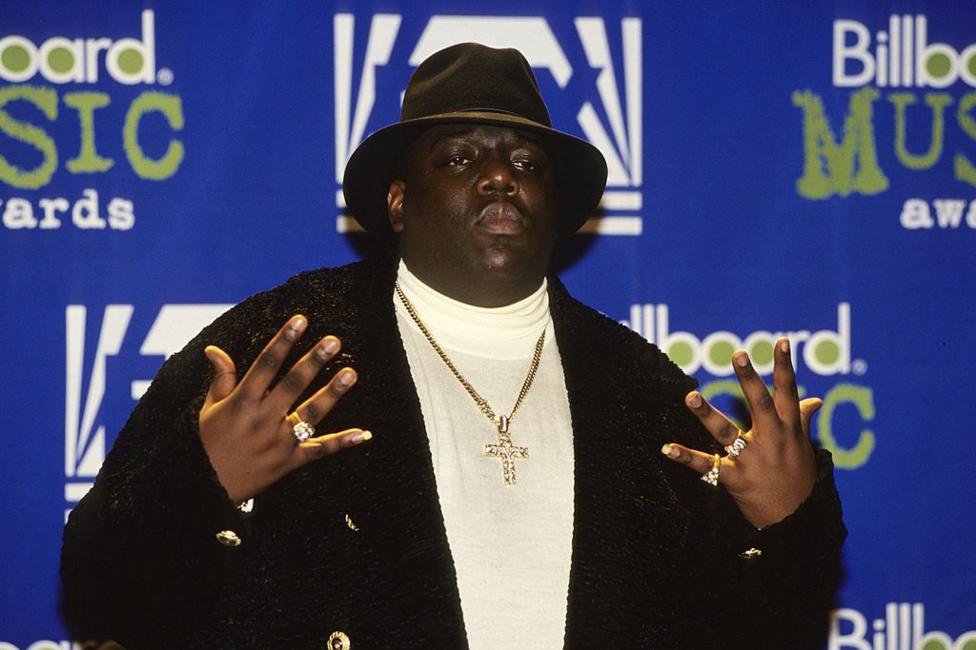
In the mid-2000s, the Los Angeles Police Department revisited the Biggie investigation and interviewed Davis, who had attended a party with Biggie shortly before his death. Davis told investigators he had no information about that killing, but he did disclose that he had been in the car when Tupac was shot — reportedly in exchange for a promise that he would not be charged. That arrangement held for years, until Davis chose to go public with what he knew, including admitting his leadership role within the South Side Compton Crips.
In 2019, Davis co-authored a memoir titled Compton Street Legend, in which he claimed not only to have been present in the vehicle at the time of the shooting, but to have personally passed the gun used to kill Tupac into the backseat of the Cadillac. He has never claimed to have fired the weapon himself. Davis also discussed the shooting extensively in media interviews, prompting Las Vegas police to describe his public statements as having "reinvigorated" the long-dormant investigation.
Detectives then spent roughly two years corroborating Davis's account. In 2023, they searched his home, seizing multiple computers, two tubs of photographs and a range of Tupac-related material, including an old issue of Vibe magazine. He was arrested later that year. Prosecutors allege that the shooting was ordered in retaliation for the assault on Davis's nephew, Orlando Anderson, hours earlier, and that Davis orchestrated the killing and supplied the weapon to further the aims of the gang he led. Because his memoir and media interviews arguably violated the immunity deal he had struck with police, a judge ruled that the agreement no longer protected him, clearing the way for his arrest.
What new evidence has emerged ahead of the trial?
In a significant pre-trial ruling reported just days before jury selection opened, a Nevada judge decided that a 2008 police interview with Davis can be admitted as evidence at trial, according to an Associated Press report. That decision gives prosecutors an additional recorded account from Davis to weigh against his more recent denials.
The case is being overseen by Judge Carli Kierny in Clark County District Court, and the trial itself is expected to stretch on for as long as five weeks, according to a report on the proceedings. Separately, in April 2026, Tupac's stepbrother Maurice Shakur filed a wrongful death lawsuit in Los Angeles against Davis and unnamed co-defendants, arguing that new leads point toward a wider conspiracy behind the killing, according to a report from the Los Angeles Times.
What is Davis's defence, and who might testify?
Davis and his legal team maintain that his memoir was co-written and that certain passages were embellished or invented for commercial purposes, insisting the book should not be treated as a factual confession. In an interview last week with a local television station, Davis denied being in Las Vegas at the time of the shooting and distanced himself from the book that credits him as an author.
"I did not write that book," Davis told Fox 5. "A ghost writer wrote that."
He has also indicated he may choose to testify in his own defence. Trial attorney Shaun Kent said the case is unusual because the strongest evidence against Davis originated from Davis himself.
"This is what makes this case so fascinating. The two biggest pieces of evidence against Keffe D came from Keffe D."
"Keffe D has the right to take the stand and say 'I made all this up. I lied to sell copies of the book. I lied to the police. I'm a liar but I did not murder Tupac.'"
Davis has also claimed on multiple occasions that Bad Boy Records founder Sean "Diddy" Combs offered him $1 million to kill both Tupac and Suge Knight. Combs, who is currently serving a 50-month prison sentence following his conviction on two counts of transportation for the purposes of prostitution in New York, has repeatedly denied any involvement in Tupac's death.
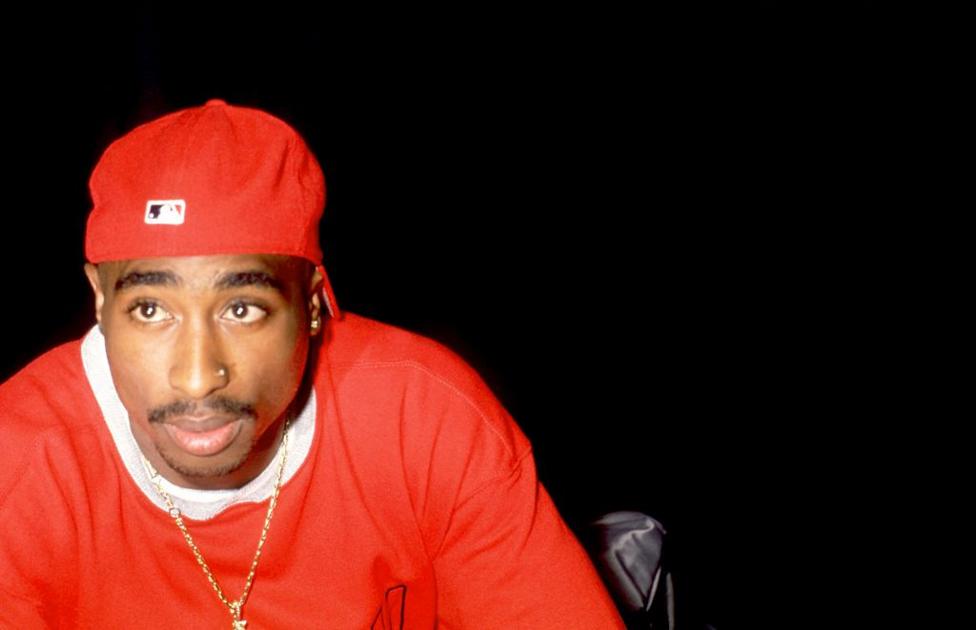
Prosecutors have compiled a witness list exceeding 200 names, including members of Tupac's family, former Las Vegas mayor Oscar Goodman, and former Los Angeles police detective Greg Kading. Suge Knight also appears on the list, though it remains uncertain whether he will actually testify, given his past statements that he would not co-operate.
"This would be huge as he has never offered law enforcement any information that would lead to the conviction of anyone," Kent said. "This trial is going to be a legal scholar's Super Bowl."
What happens next?
Jury selection is continuing this week, with opening arguments scheduled to begin on 17 August 2026. Given the estimated five-week length of proceedings and the scale of the witness list, the trial is likely to remain a closely watched courtroom drama well into the autumn. Listeners following the case in detail can also track it through a podcast titled "Fame Under Fire: The Tupac Murder Trial."

Key Facts
- Duane "Keffe D" Davis, 63, faces murder with a deadly weapon with intent to promote, further or assist a criminal gang, and could receive life without parole if convicted.
- Tupac Shakur was shot on 7 September 1996 in Las Vegas and died six days later; his case went unsolved for nearly 30 years until Davis's 2023 arrest.
- A Nevada judge has ruled a 2008 police interview with Davis admissible as evidence, according to an Associated Press report.
- The trial, overseen by Judge Carli Kierny, is expected to last up to five weeks, per .
- Opening statements are scheduled for 17 August 2026, with prosecutors listing more than 200 potential witnesses.


