A mother whose teenage daughter was struck in the head by a horse purchased through Facebook is among five buyers who claim they were sold unsuitable or medically unfit animals by the same seller. The incident, which left the 13-year-old with concussion and a visible hoof mark on her helmet, has raised serious questions about the lack of regulation in the horse-trading industry and the risks faced by young riders.
Fiona, whose name has been changed to protect her daughter's identity, bought the 14-year-old horse from Tasha Lee Hopkins in December 2024. The animal was advertised on the Facebook group CT Sports Horses, which Hopkins runs alongside another person and markets as selling
safe sports horseswith six-month warranties. During a riding lesson at an arena in south Wales, the horse bucked, bolted with Fiona's daughter partially mounted, and then kicked her in the head.
For a moment, I thought she was dead,Fiona recalled.
I thought she had broken her neck.Her daughter was taken to hospital by ambulance and spent approximately two weeks recovering at home.
You could see on the side of her helmet, the hoofmark where she got kicked in the head,Fiona said.
I was thinking, 'oh my gosh she's going to be paralysed.' It was just awful.
After the incident, Fiona discovered that the horse had never been properly trained for riding. She traced the animal's original owner, who revealed they had owned it since it was two years old and had never ridden it during that time—information Hopkins allegedly failed to disclose at the point of sale.
I trusted Tasha. I believed what she said and she sold us a horse that wasn't fit for purpose, it wasn't fit for a child to be riding,Fiona said.
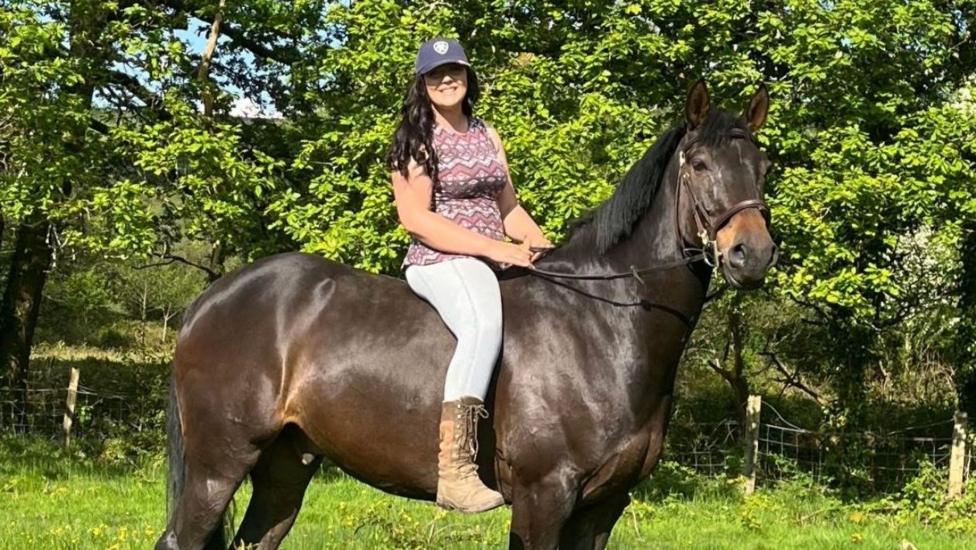
How serious are horse-kick injuries?
Head injuries from horse kicks can be life-threatening. An inquest in County Longford found that a woman who died after being kicked in the head by a horse in 2021 suffered severe craniocerebral trauma, underlining the potential severity of such incidents. The risks are particularly acute for young and inexperienced riders who may lack the skills to anticipate or avoid dangerous animal behaviour.
What other buyers claim happened to them?
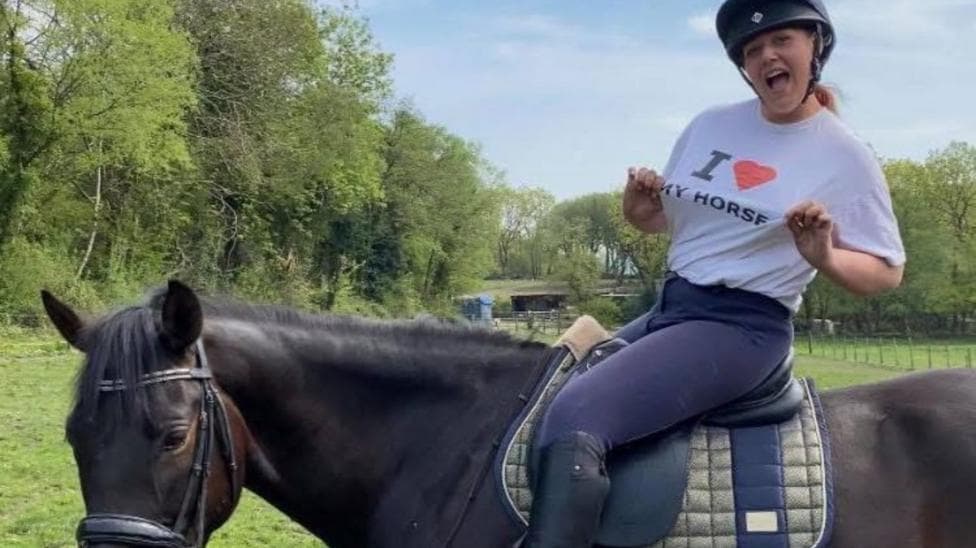
Kayleigh Sweet purchased a horse named Otto for £6,250 in March 2024 after seeing an advertisement on Facebook. Hopkins told her the animal had recently been examined and cleared by a veterinarian and was a
perfectly sound five-year-old.Within a week, Sweet noticed Otto had gone lame and was struggling to walk.
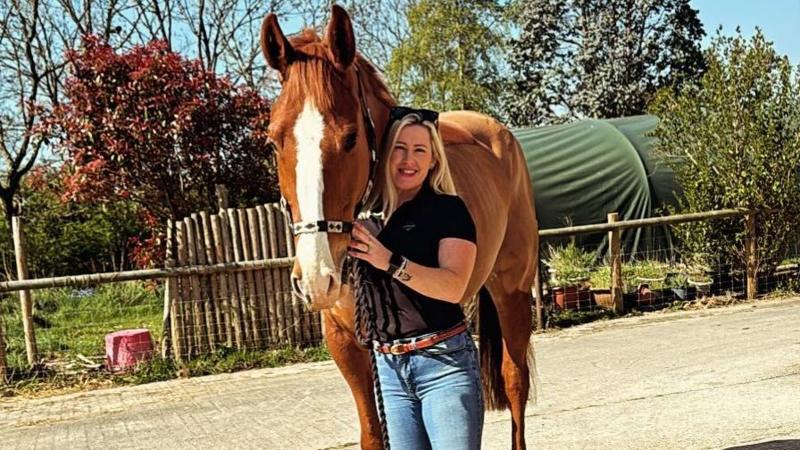
When Sweet examined Otto's medical records, she found
no history, no vaccinations, nothing, and that's really unusual.She then contacted Otto's original owner, who disclosed that the horse had been diagnosed with chronic arthritis in his leg when he was three years old. The previous owner said a veterinarian had advised them to have the horse put down, as it was not suitable for riding. Instead, the horse had been kept as a companion animal before eventually being sold and ending up with Hopkins.
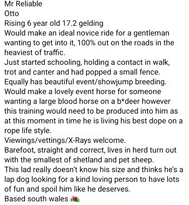
Sweet's own veterinarian confirmed the arthritis diagnosis. When she informed Hopkins, the seller refused to honour the six-month warranty.
I just had to relive it all over again and it's horrible,said Sweet, who had previously lost another horse to the same condition. Sweet took legal action, and in a recent hearing at Swansea County Court, Hopkins was ordered to pay £11,000 in damages and expenses, with payment due in October 2025. Otto was returned to Hopkins during the proceedings, and Sweet does not know what has become of him since.
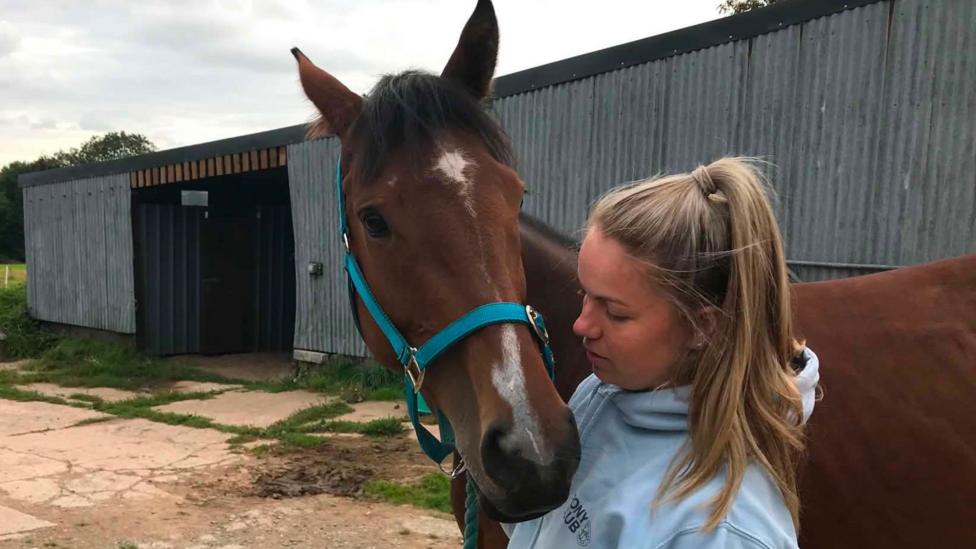
Another buyer, Hayley Vaughan, purchased a horse called Bonnie for £1,400 from Hopkins in 2019 for her then 16-year-old daughter Amber. After Amber rode the horse only once, the family called a veterinarian because the animal appeared uncomfortable. X-rays revealed Bonnie had a serious back injury and a painful spinal condition.
The vet said there was no way she could ever be ridden,Vaughan recalled. When the horse subsequently kicked out with both hind legs in the stable—a sign of pain—the veterinarian told Vaughan:
don't you ever let your child ride that horse.

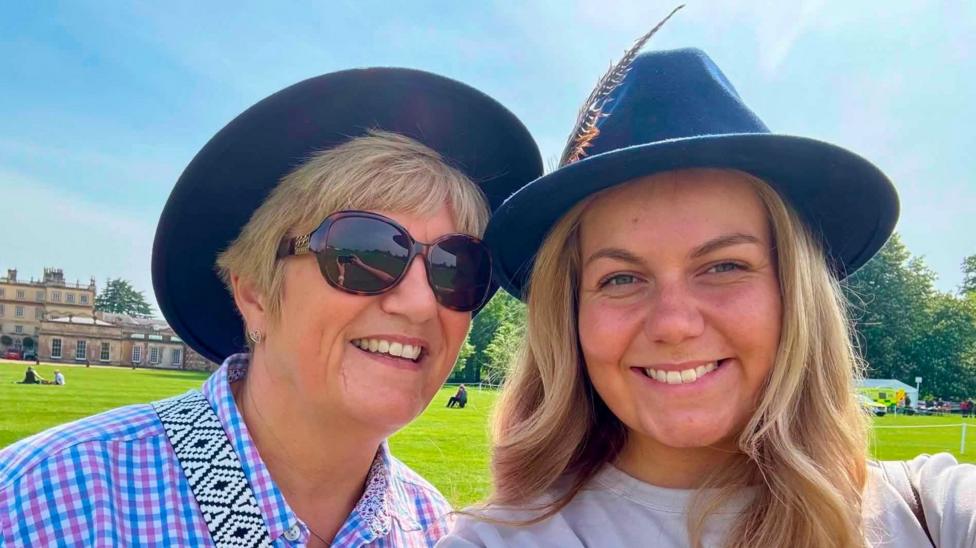
When Vaughan contacted Hopkins after the discovery, the seller offered to take the horse back but refused to refund the purchase price.
There was no way I was giving that horse back to her. I wish I'd had the courage to take her to court,Vaughan said. She found Bonnie a retirement home but lost the money she had spent on the animal.
A third buyer alleged she was sold a horse for riding that had an undisclosed broken back. The BBC has identified at least seven women with concerns about Hopkins' operation over the past seven years, though Hopkins has not responded to requests for comment.
Why is horse trading unregulated?
Unlike other animals such as dogs, there are no regulatory or voluntary industry standards governing horse trading. World Horse Welfare has warned of "too many cases" where horses that cannot be ridden are given away or sold "until they end up in a really poor situation" and emphasises that it is
vitalthat sellers and prospective buyers conduct thorough due diligence.
The organisation recommends that all prospective buyers view the horse in person, arrange a pre-purchase examination by their own veterinarian, and ride the animal if appropriate. None of the five women who claim they were mis-sold horses by Hopkins had arranged a pre-purchase veterinary examination before completing their purchases.
A 2024 episode of BBC Radio 4's A Wild Ride featured a parent who bought a child's first horse and later discovered it was allegedly dangerous and stolen, indicating that concerns about horse-selling practices in this ecosystem extend beyond Hopkins' operation.
What safeguards do horse passports provide?
Horse passports are intended to record an animal's medical history and ownership details. However, they remain in paper format, which some buyers say can lead to key information about a horse's medical history being omitted or obscured during sales. Sweet is calling for horse passports to be converted to a digital system to prevent such gaps.
Just be really vigilant, do your homework, go through the passport,she advised other buyers.
You've got to do your research.
I don't think I'll ever find peace until there's some underpinning security for animals and for people when it comes to processes like this,Sweet said.
People should have the truth from day dot and things aren't masked, because you can quite easily get a replacement passport for a horse that has nothing in it.
The Welsh government acknowledged the issue in a statement:
While paper passports remain a legal requirement, we recognise the opportunities digital technologies may offer to strengthen equine identification records.
What action has been taken?
The BBC presented all allegations to Hopkins, but she did not respond to questions. The platform Meta, which owns Facebook, was asked about the CT Sports Horses group and associated advertisements. Meta stated it has
removed the content brought to our attention for violating our policies.
Sweet's legal victory represents one of the few instances where a buyer has pursued court action against Hopkins. However, the broader issue of unregulated horse trading remains unresolved, leaving buyers vulnerable to purchasing animals unsuitable for their intended purpose or with undisclosed medical conditions that could endanger riders, particularly young and inexperienced ones.