The Defence Secretary has urged members of the public and businesses to develop contingency plans for natural disasters, cyber attacks and state-sponsored terrorism, emphasising the need for greater awareness of emerging threats to the UK. According to BBC News, Wes Streeting stressed that households and organisations must think strategically about how they would respond to such crises, and that the government is launching a "national resilience conversation" to build public awareness and preparedness.
The government's initiative includes practical guidance for households, such as maintaining stocks of food, bottled water and first aid supplies. This follows earlier warnings from Environment Secretary Dame Angela Eagle about the need to prepare for extreme weather as a powerful El Niño event develops over the Pacific Ocean.
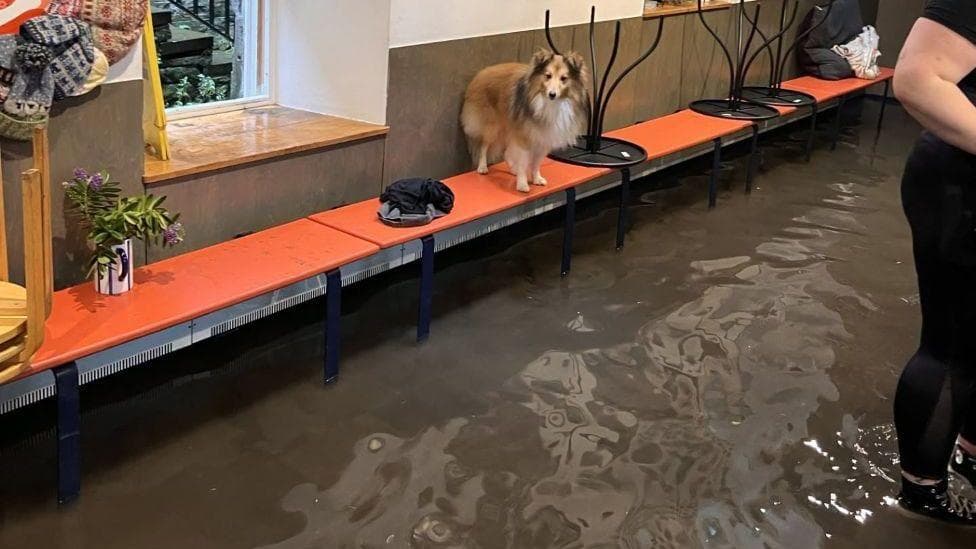
Speaking at the opening of the UK Gun Hall Plant in Telford, Shropshire on Thursday—where the government announced the return of tank gun barrel production to the UK—Streeting highlighted the "everyday challenges" that households face. He pointed to wildfires that burned during the summer and flooding expected during the winter months.

What specific threats is the government warning about?
The Defence Secretary identified "increasingly sophisticated cyber attacks" on businesses and supply chain disruption caused by "hostile state actors or terrorists" as key concerns. He illustrated the potential impact with a concrete example:
"How would we cope if the payment systems at the local supermarket went down?"Streeting framed these as the types of "everyday challenges and threats that we could well face," arguing that it is appropriate for the government to ask the country to prepare and for everyone to contribute to national resilience.
What does the government's preparedness campaign involve?
The government's "Be Ready" campaign encourages households to stock supplies sufficient to survive for three days, including non-perishable food, bottled water, a torch, sleeping bags and first aid items. Additional guidance recommends keeping cash at home, along with an FM radio and a power bank, and the campaign website provides a downloadable preparedness checklist. The advice also suggests having an FM radio tuned to national or local stations for updates during outages, and writing down the frequencies of stations used for news.
The government published updated household emergency-preparedness advice on 22 October, launching the first stage of a three-year "Be Ready" campaign. The campaign also advises households to to the Priority Services Register so utility companies can identify customers who may need extra help during an emergency.
How will this improve emergency response?
Security Minister Dan Jarvis MP said the advice will enable emergency services to prioritise people who need more support during crises, and hopes it will "improve our resilience as a nation". He noted that similar campaigns in European countries, including France, Ireland and the Netherlands, have made such preparedness advice "a normal part of everyday life".
What vulnerabilities has the government identified?
A National Audit Office report warned that Britain's food supply chain is vulnerable to plant or human disease outbreaks, cyber-attacks and extreme weather. The NAO stated that the Department for Food, the Environment and Rural Affairs has not done enough in recent years to improve supply chain resilience, and that UK households are less prepared for emergencies than those in several other countries such as Finland and Sweden.
The government's national security strategy, launched last year, warned that the UK must "actively prepare for the possibility of the UK coming under direct threat, potentially in a wartime scenario". The strategy identified Russia's war against Ukraine and "Iranian hostile activity on British soil" as examples of the confrontational environment the nation faces.
What is the government's broader resilience strategy?
Building national resilience means reducing reliance on others and ensuring UK supply chains and energy security can be maintained "even in times of crisis". The Resilience Action Plan, published in July 2025, sets three objectives: continuously assess UK resilience, enable resilience across society, and strengthen the resilience system. The government has reviewed all 23 emergency-response capabilities and is addressing systemic findings to improve preparedness.
What happens next?
The three-year "Be Ready" campaign will continue to roll out gradually rather than as a one-off information push. The government says this phased approach will allow it to build awareness and engagement over time, though no specific next milestone or date has been announced for future stages of the campaign.
Key Facts
- The government's "Be Ready" campaign launched on 22 October and will run for three years, encouraging households to stock three days' worth of supplies including food, water, first aid items, cash, torch, FM radio and power bank.
- A National Audit Office report found Britain's food supply chain vulnerable to cyber-attacks, disease and extreme weather, with UK households less prepared than those in Finland and Sweden.
- The Defence Secretary warned of threats including cyber attacks on payment systems, supply chain disruption from hostile actors, and extreme weather events including wildfires and flooding.
- The government's Resilience Action Plan reviewed all 23 emergency-response capabilities and aims to reduce UK reliance on others while maintaining supply chains and energy security during crises.
- Similar preparedness campaigns in France, Ireland and the Netherlands have made emergency preparation advice a routine part of everyday life.