

Record-breaking temperatures highlight UK’s climate unpreparedness
As western Europe endures a heat dome, scientists warn of the severe risks posed by extreme heat. Reports of wildfires and heat-related deaths of over 1,000 people in France starkly illustrate the threat to human life and reveal that vulnerability varies among populations. The heat warning covering most of southern England and Wales for Wednesday and Thursday marks only the second such alert ever issued in the UK.
With the UK’s June temperature record of 35.6°C expected to be surpassed, hundreds of schools have closed, and Network Rail has advised against non-essential travel. Temperatures in France and Spain are forecasted to be even higher before the heat wave subsides. However, the UK’s relative inexperience with intense heat compared to Mediterranean countries presents unique challenges.
Like reducing emissions, adapting to the climate crisis is essential. Some of the world’s poorest countries, which contribute least to greenhouse gas emissions, face the most severe threats from excessive heat, wildfires, droughts, storms, floods, and rising sea levels. Their governments left last year’s COP30 negotiations frustrated by the lack of urgency in funding to support adaptation efforts. This situation must change.

Globally, community resilience often depends on voluntary networks, such as neighbors and relatives checking on each other. The UK’s Climate Change Committee (CCC) acknowledged this in its recent adaptation report. However, its strongest message was directed at government ministers. The committee warned that adaptation plans across all four UK nations are insufficient to prevent the most damaging impacts of an anticipated 2°C global temperature rise by 2050 and a possible 3-4°C increase by the century’s end.
The committee’s report was described by its authors as rooted in
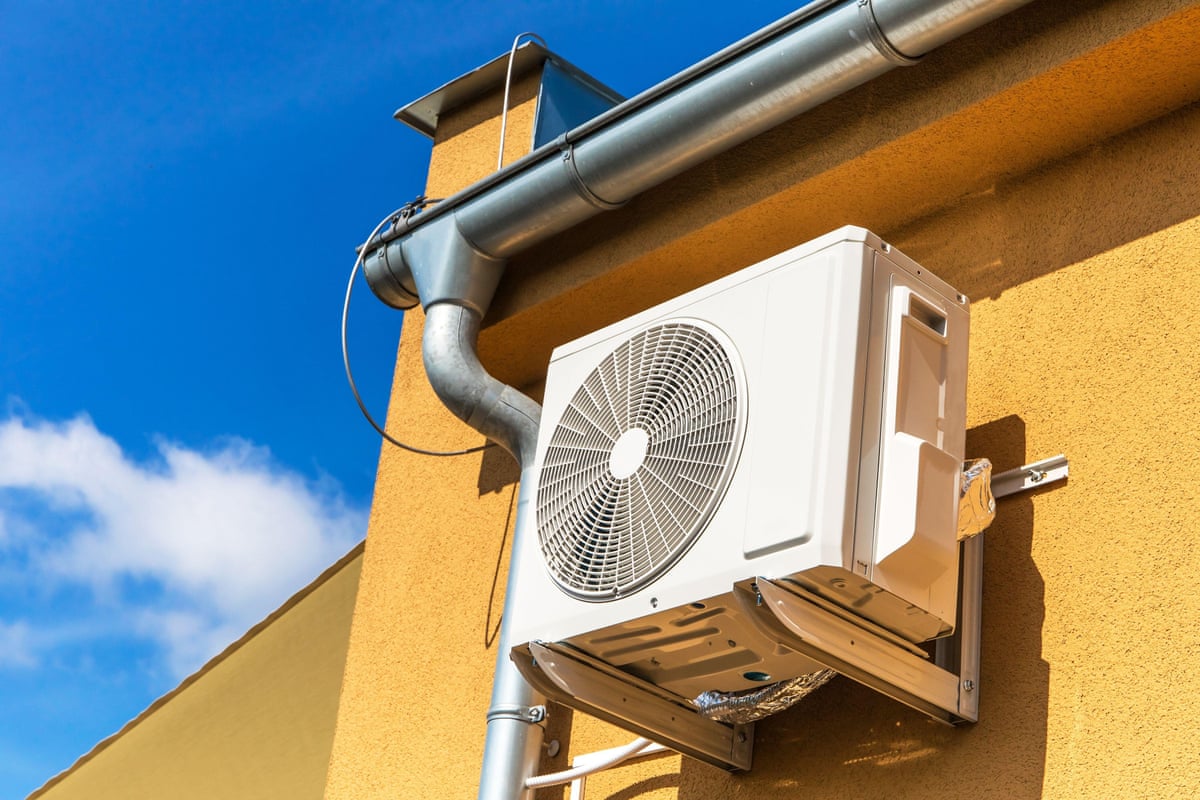
“hope, not fear”. For the first time, it included concrete recommendations to signal the urgent need to shift from intentions to actions, emphasizing the escalating risks to lives and livelihoods if preparations are not accelerated. It proposed prioritizing air conditioning in care homes, hospitals, and schools to protect vulnerable groups such as the elderly, the ill, and disabled people, as well as to safeguard education. Combining air conditioning with solar panels was recommended to maximize energy efficiency and prevent increased carbon emissions from cooling measures.
The committee emphasized that all new infrastructure must be designed to withstand 3-4°C of warming, despite the UK’s commitment under the Paris Agreement to avoid such an increase. It also called for reforms in the food system, improved flood risk and water supply management, and nature restoration initiatives, including tree planting in urban areas where temperatures tend to be highest.
Following a muted response from ministers, there is hope that this week’s heat wave will sharpen focus, including that of Andy Burnham. The UK’s next national adaptation plan is due in two years. As Burnham outlines his proposals, alongside other candidates to succeed Sir Keir Starmer, he must decide whether to endorse the committee’s recommendation for approximately £11 billion in annual spending, divided between public and private sectors, or explain any refusal. With next year expected to be the hottest on record, partly due to the prevailing weather system, a robust adaptation plan running concurrently with the green transition is urgently needed.


