Two architecturally significant council housing estates in south London that faced demolition threats for over a decade have secured a reprieve following a change in local political control.
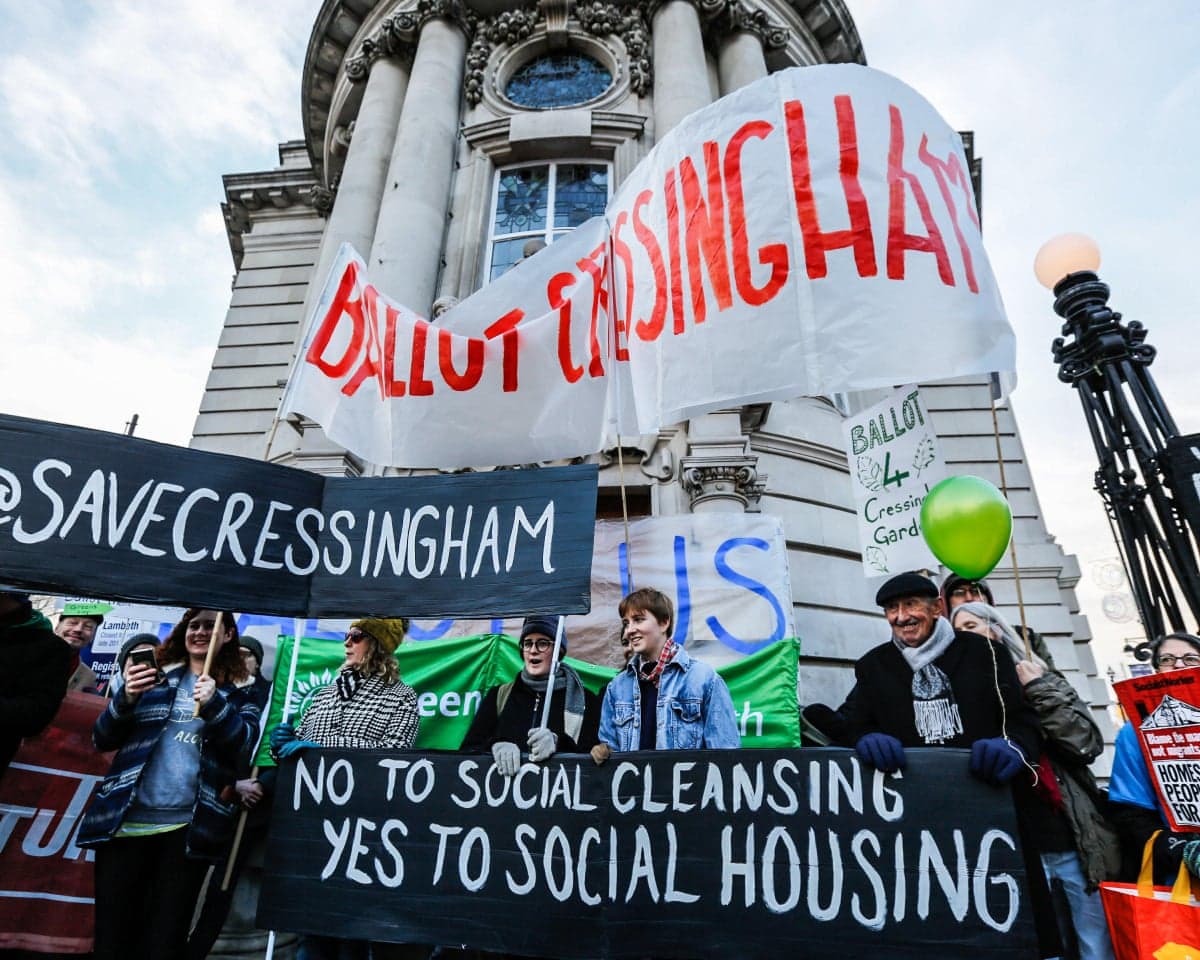
Residents of Cressingham Gardens and Central Hill have waged a sustained campaign to preserve their homes, arguing that the low-density 1960s developments represent important design achievements and remain valued by their occupants. The previous Labour-controlled Lambeth council had pursued demolition on the grounds that the estates required substantial repair work and that redevelopment would generate additional social and affordable housing.
The political landscape shifted when the Green Party secured the largest number of seats in May elections and assumed control of the council as a minority administration. The new leadership opposes the demolition strategy, and the plans are expected to be formally reversed at a cabinet meeting scheduled for 21 October 2026.
Why did the council want to demolish these estates?
Lambeth's previous administration argued that both estates were in poor condition and that clearing them would create much-needed social and affordable housing stock. However, a review by Sir Bob Kerslake, the former head of the civil service, challenged this rationale. According to his assessment of Homes Lambeth, the now-defunct body that managed council housing, the net increase in social rent homes resulting from redevelopment would have been minimal.
Sir Bob reported that
feedback was uniformly negative, with residents citing
inconsistent policy, delays and poor communication. He concluded that
levels of trust in the council are exceptionally lowas a consequence of the prolonged uncertainty.
What is the architectural significance of these estates?
Both estates were designed by a team of Lambeth-based architects who deliberately moved away from the tower block model toward lower-rise housing that prioritised community interaction and natural light.
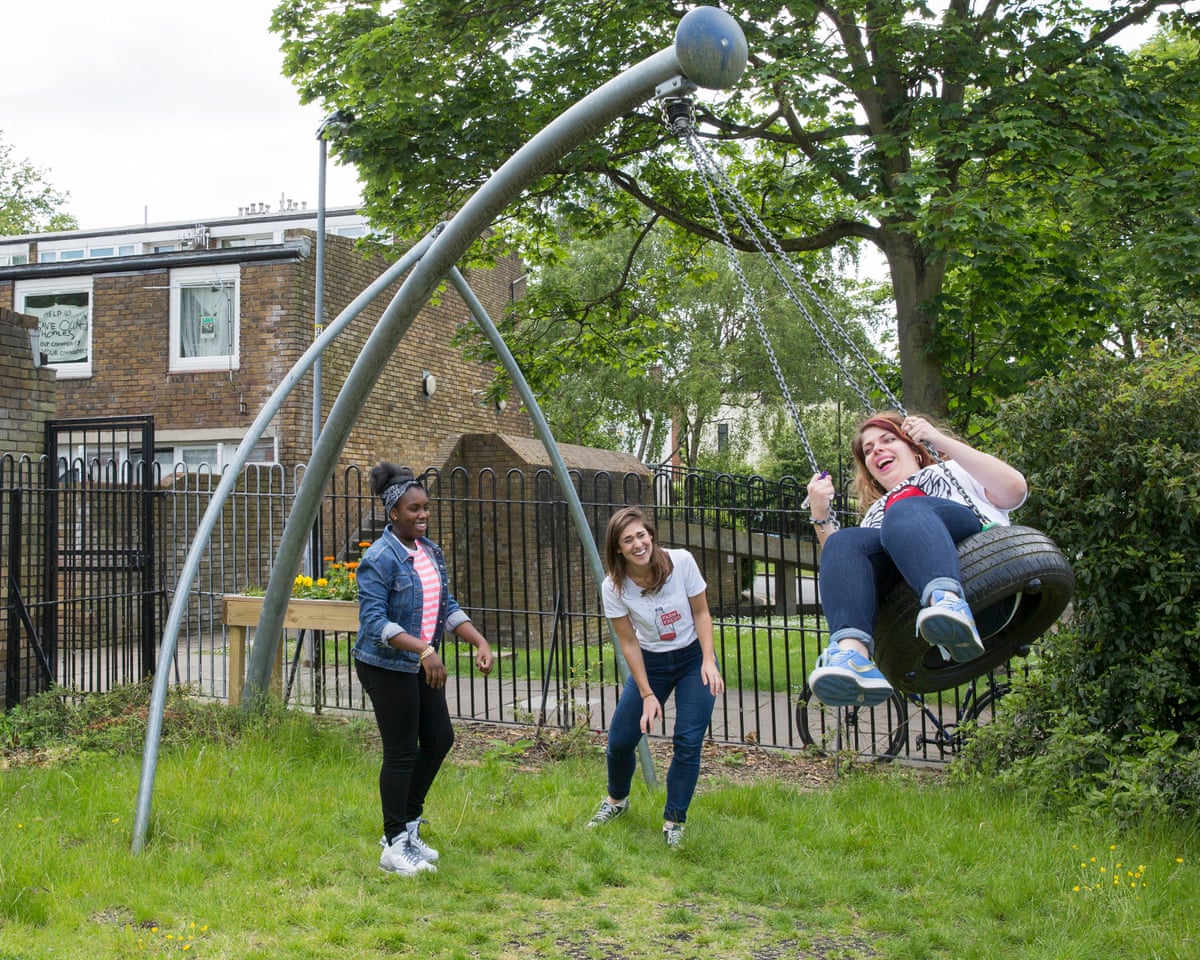
Cressingham Gardens, situated adjacent to Brockwell Park, was conceived to foster neighbourliness through its layout, with front doors positioned to face one another and dedicated green spaces for children's play.
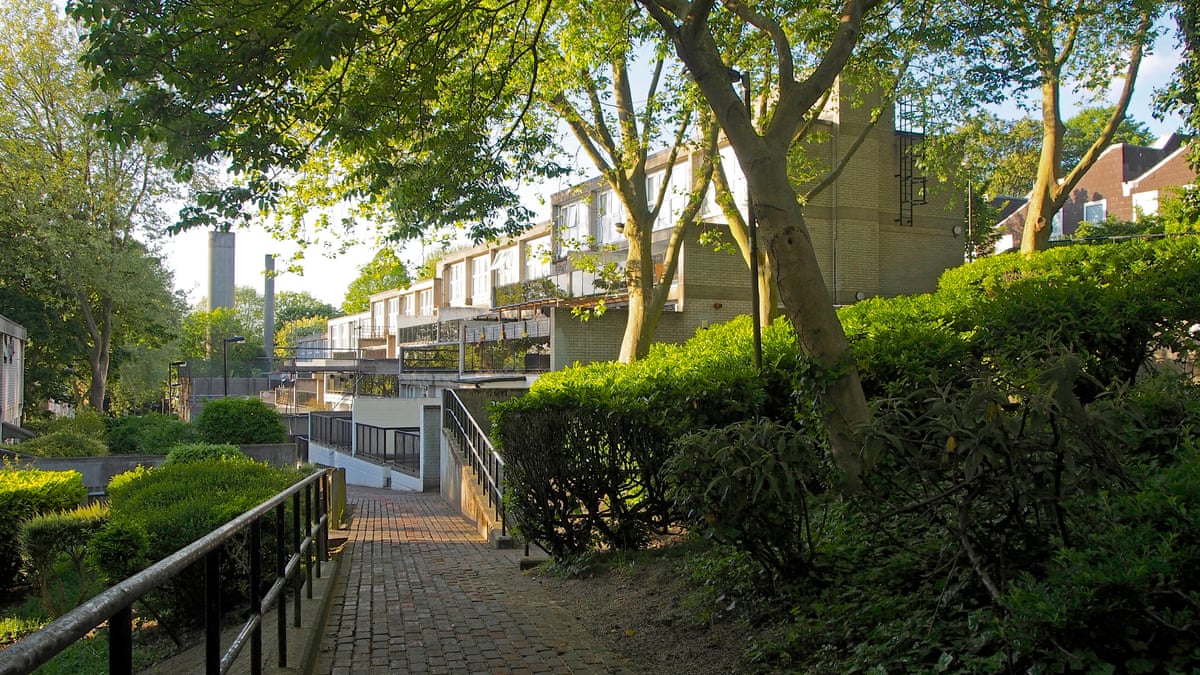
Central Hill, designed by Rosemary Stjernstedt at a time when women were uncommon in social housing design, occupies a sloping site near Crystal Palace. The scheme was engineered to maximise natural daylight for residents across the development.
What happens to the estates now?
According to Lambeth council's housing strategy, comprehensive redevelopment of Central Hill and Cressingham Gardens has been deemed financially unviable. The council's revised approach will focus on maintaining existing homes, returning empty properties to productive use, and delivering genuinely affordable housing while respecting the architectural heritage of both estates. This decision also removes Knights Walk and Trinity Rise from the New Homes Hexagon Portfolio, as redevelopment plans for those sites have also been branded unviable.
Martin Abrams, the Green leader of Lambeth, stated:
This is a decisive moment for Central Hill and Cressingham Gardens. It recognises the relentless work of my colleagues in securing the future for these communities without demolition. We can now focus on investing in residents' homes and bringing empty properties back into use.
Pete Elliott, the cabinet member for housing, added:
For over 12 years, we have fought for a better future for Central Hill and Cressingham Gardens. These proposals end years of uncertainty and put the focus where it belongs: repairing homes, supporting communities and filling empty properties.
What is the timeline for these changes?
Residents are scheduled to receive formal notification and estate updates before the Lambeth Cabinet meeting on 21 October 2026, when the proposals are due for consideration. Following that decision, the council has indicated that further details on its New Homes Programme, including reviews of remaining sites and plans for new council and social housing, will be released later in 2026.
How long have these estates been under threat?
Cressingham Gardens has faced demolition proposals since 2012, when an earlier scheme proposed demolishing its 306 homes and rebuilding with 252 additional units. The prolonged uncertainty affected both tenants and leaseholders across both estates. In 2024, Lambeth abandoned plans for the developer Mace to oversee Central Hill's demolition and reconstruction, announcing instead that it would manage the estate's future through Homes for Lambeth.
Key Facts
- Cressingham Gardens and Central Hill, both designed in the 1960s by Lambeth architects, have been saved from demolition following a change in council control in May 2026.
- The previous Labour administration pursued demolition; the new Green-led council opposes it and plans to reverse the decision at a cabinet meeting on 21 October 2026.
- A review by former civil service head Sir Bob Kerslake found that redevelopment would create minimal additional social rent homes and that resident trust in the council was exceptionally low.
- The council's new strategy prioritises maintaining existing homes, returning empty properties to use, and respecting the estates' architectural heritage rather than comprehensive redevelopment.
- Cressingham Gardens has faced demolition threats since 2012, subjecting residents to over a decade of uncertainty about their homes.