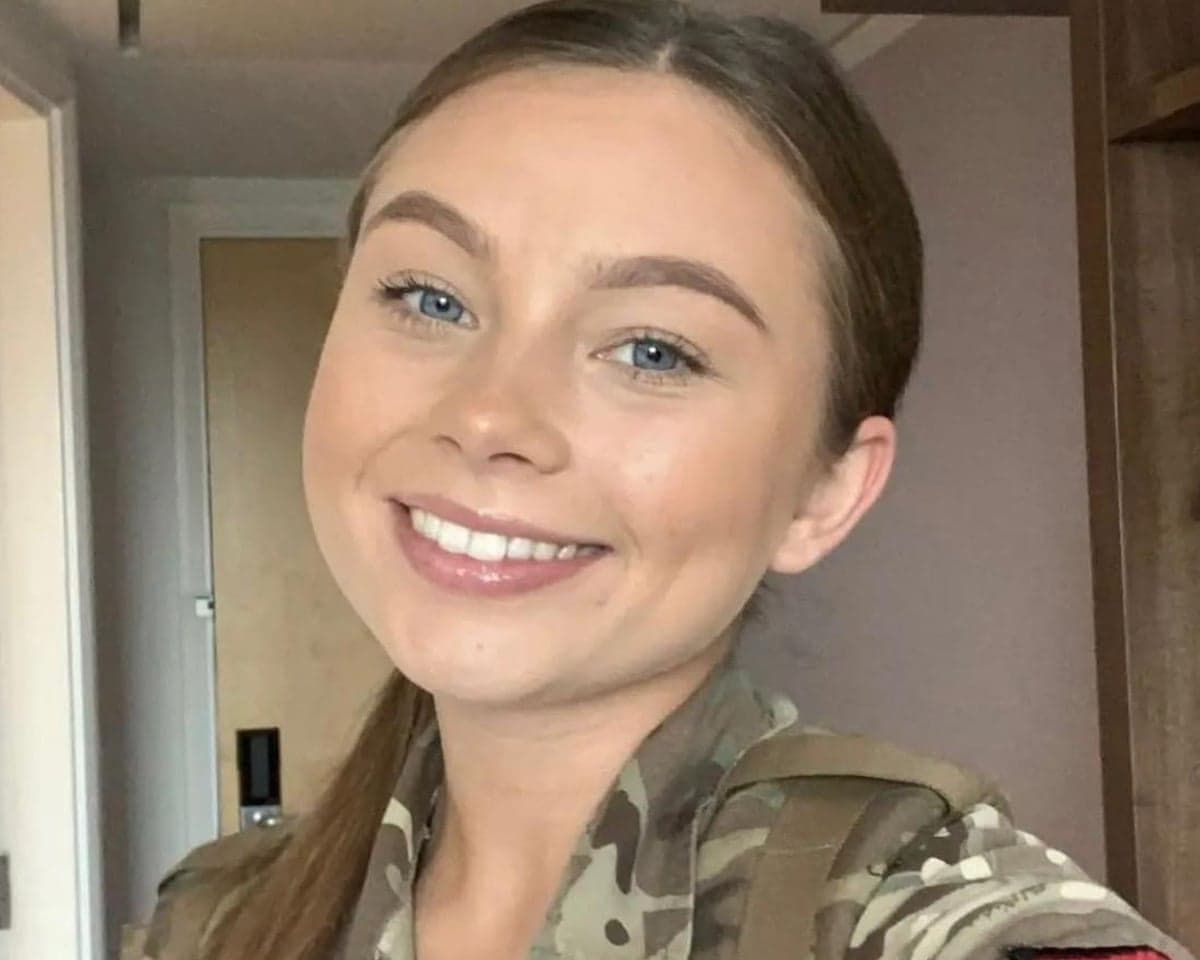
The family of Gunner Jaysley Beck, a 19-year-old soldier who took her own life following a sexual assault, has expressed deep concern that the collapse of a court martial against two senior officers could deter other young service personnel from coming forward with complaints. On 16 September 2026, Col Samantha Shepherd and Maj James Hook were formally found not guilty after a judge ruled there was insufficient evidence to continue the proceedings at the Military Court Centre at Catterick Garrison in North Yorkshire.
The prosecution had contended that Shepherd deliberately minimised Beck's allegations when reporting them, ensuring they would not trigger an investigation by military police, and that Hook had dismissed the teenager's complaints, suspecting she was fabricating them to exit a training exercise. However, the case unravelled when a key witness—an officer to whom Shepherd had reported Beck's case—gave evidence that did not support the prosecution's claim that Shepherd had lied.
In his ruling, Assistant Judge Advocate General Edward Legard told the board: "The Crown has concluded that there is insufficient evidence upon which you can safely convict Colonel Shepherd of the charge she faces." He also determined there was no case to answer regarding Hook, describing the evidence as "inconsistent, vague and tenuous."
Beck was discovered dead at barracks in Wiltshire in December 2021, five months after being sexually assaulted by a superior officer during a training exercise. A coroner subsequently found that the Army's mishandling of Beck's sexual assault and harassment complaints contributed to her death and exposed "systemic failings."
What the family said about the verdict
In a statement, Beck's relatives acknowledged the acquittals but stressed that institutional failures identified in earlier investigations remained valid. They said the outcome marked "the end of a long and very sad journey for Jaysley and for our family," adding that "nothing was ever going to bring Jaysley back."

The family drew attention to what they described as a damaging culture within the armed forces. They noted that during the trial, the court heard evidence that senior soldiers making unwanted advances toward junior colleagues was routine, questioning what such testimony revealed about institutional attitudes.
"The experiences of our daughter in the British army – and the outcome today – do not fill us with optimism that young women being preyed upon by their seniors will feel confident coming forward."
Beck's relatives expressed particular anguish over Hook's initial response to her complaint.
"It continues to cause us enormous pain to know that one of the first people who Jaysley spoke to just thought she was making up a serious allegation to get out of exercise. We can never forgive that."
What the defence said
Derek Johashen, representing Shepherd, stated that his client remained deeply affected by Beck's death.
"Col Shepherd remains absolutely devastated about Gunner Beck's passing. She believed Gunner Beck, took her complaint seriously, listened to her and cared."
What systemic failures were identified?
Prior investigations had already established serious shortcomings in how the Army handled Beck's case. In a 2023 Army report, investigators concluded that the correct reporting process was not followed and that key details were omitted from the discipline advice. The Defence Serious Crime Command was established following Beck's death to address such failures.
What changes have been made?
Defence Secretary Wes Streeting acknowledged that significant reforms had been introduced since Beck's death but stressed that further work remained necessary.
"I will continue to drive the changes needed to ensure every voice is heard."
Brig Melissa Emmett, head of the Army Personnel Services Group, stated:
"We are determined to build a culture founded on respect, trust and accountability."
Key Facts
- The court martial board, which consisted of an Air Commodore, a Royal Navy captain and an Army colonel, heard the case at Catterick Garrison in North Yorkshire.
- Beck was sexually assaulted by a superior officer during a training exercise and died five months later in December 2021.
- A coroner's investigation found systemic failings in how the Army handled her complaints contributed to her death.
- The prosecution withdrew the case against Shepherd after a key witness's evidence contradicted allegations she had lied about Beck's complaint.
- Beck's family expressed concern that the trial's collapse and evidence of normalised harassment could discourage other young service personnel from reporting assault.