The Conservative Party has announced plans to eliminate Disability Living Allowance (DLA) payments to families of children with "milder cases" of behavioural disorders, learning difficulties or ADHD, claiming the move would save £2.8bn annually. According to BBC News, the policy forms part of a broader welfare reform package designed to reduce spending by £36bn across the entire benefits system.
Under the Conservative proposal, only children with the most severe conditions—representing approximately 30% of current cases—would retain cash payments. The remaining 70% would lose direct financial support but would instead access assistance through mental health services and family hubs, into which the party has committed £1bn in investment. The changes would affect new claims and reassessments, though those with physical disabilities would remain exempt from the restrictions.
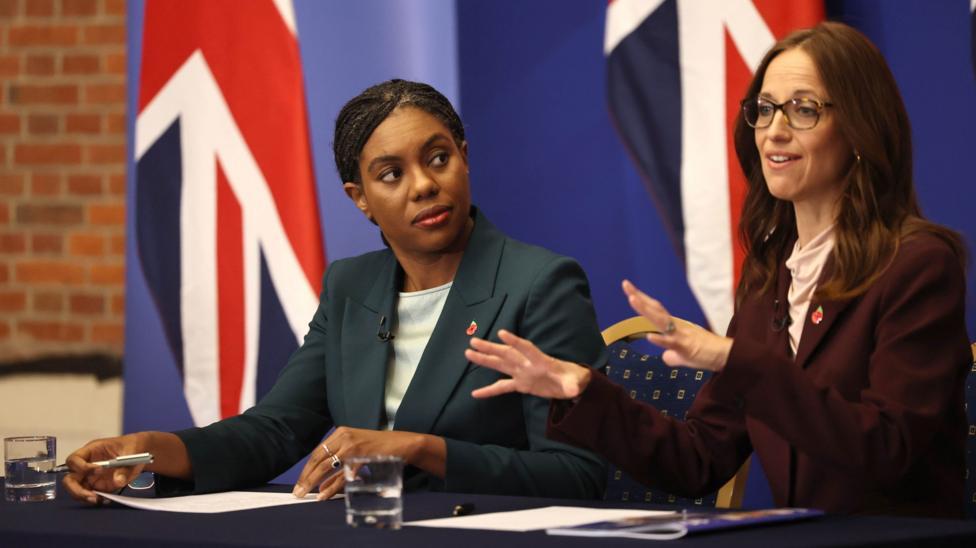
Shadow work and pensions secretary Helen Whately framed the policy as preventing children from being placed on a "conveyor belt" towards prolonged welfare dependency. She argued that the current system creates perverse incentives that discourage work and self-sufficiency among young people facing behavioural or neurodevelopmental challenges.
DLA for children currently allows parents to claim between £30.30 and £194.60 per week to offset the additional costs associated with raising a disabled child. Eligibility requires that the child either has difficulty with mobility or requires more care than a child of the same age without a disability.
The Conservatives cite government statistics demonstrating rapid growth in child DLA claims, which increased from 521,476 in 2020 to 914,000—a figure the party describes as the "fastest growing benefit in the UK's welfare system." Policy Exchange analysis estimated that child DLA spending had reached £5.3bn annually, representing a 231% increase from pre-pandemic levels, with 86% of claimants reporting learning difficulties, behavioural disorders or hyperkinetic syndrome. The Office for Budget Responsibility has forecast that spending on child health and disability benefits, including DLA and Universal Credit, would rise from £7.1bn in 2026 to £10.5bn by 2030 without policy intervention.
Labour has condemned the proposal as a "charter for homelessness and human misery that would push people into hardship and end up costing the state more." A Labour Party spokesperson argued that the Conservatives themselves designed and implemented the benefit system now driving large numbers of people to be signed off, and that the party is instead committed to tackling the collapse in face-to-face assessments, introducing personalised employment support for sick and disabled people, and spreading opportunity through the Youth Guarantee.
The Child Poverty Action Group warned that the proposals would "take the UK back to the dark ages, causing the biggest overnight increase in child poverty since records began." Liberal Democrat Treasury spokesperson Daisy Cooper linked the policy to broader Conservative economic failures, stating: "Until the Conservatives face up to the damage their botched Brexit deal has done, they will remain an out-of-touch, anti-growth, anti-business party, and it will be disabled people and children growing up in poverty who will pay the price."
What other welfare cuts are the Conservatives proposing?
The DLA restrictions form one component of a comprehensive welfare reform agenda. The party plans to save £13.7bn through changes to sickness and disability benefits, including restricting payments to claimants with "milder mental health issues and neurodiversity conditions such as anxiety, depression and ADHD." An additional £9.5bn would be recovered by making it harder for foreign nationals to claim benefits, while £4.5bn would come from reducing local housing allowance payments. The party also proposes reintroducing the two-child benefit cap, which would generate £3.1bn in savings.
The broader welfare package also includes proposals to halve employer National Insurance contributions for workers aged 21–24, according to Politics.co.uk, alongside the creation of a "Get To Work" programme and lifting the apprenticeship funding cap. These measures reflect the Conservative strategy of combining welfare reductions with employment incentives.
How does the Conservative approach differ from Labour's position?
The Labour government has indicated a desire to reduce the benefits bill but has not announced a specific timetable for reductions. The party's welfare strategy emphasises tackling systemic issues rather than restricting eligibility, focusing on improving face-to-face assessments and providing personalised employment support. Labour has positioned itself as addressing the root causes of welfare dependency rather than cutting support to vulnerable groups.
Conservative leader Kemi Badenoch defended the policy by highlighting examples of individuals with serious disabilities who contribute meaningfully to society and the economy.
"The reality is that millions of people can and do contribute to our economy, to their families, to their communities even when they face serious challenges. Double amputees run marathons. People who are housebound do wonderful creative work from home. People with autism run some of the biggest tech companies in the world. If you tell a young person that their ADHD means they are defective and will never amount to anything, that mindset is likely to be more destructive to their future than the condition itself."
Badenoch's framing suggests that the Conservative position views current benefit levels as potentially undermining motivation and self-belief among young people with neurodevelopmental conditions, rather than as necessary financial support for families managing additional care costs.
What government reviews will shape future welfare policy?
Two significant reviews are expected to influence the direction of welfare policy. The Timms disability-benefits review, co-chaired by Minister Sir Stephen Timms, and Alan Milburn's review of young people not in education, employment and training were scheduled for publication in November 2026. These reviews will provide additional evidence and recommendations that may inform both Conservative and Labour approaches to welfare reform.
Whately suggested that Milburn's review would "roll the pitch for more welfare spending," implying that the Conservative Party anticipates the review will recommend increased investment rather than restrictions. She stated: "We're in no question and no doubt that you can make savings from welfare—it's just that Labour doesn't want to do that."

The debate over child DLA reflects broader tensions in welfare policy between fiscal sustainability and support for vulnerable families. The Conservative proposal assumes that alternative service provision through mental health services and family hubs can adequately replace direct cash payments, while critics argue that removing financial support will deepen child poverty and place additional strain on already stretched public services.