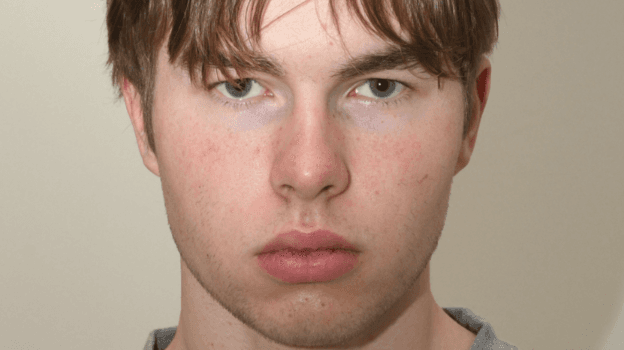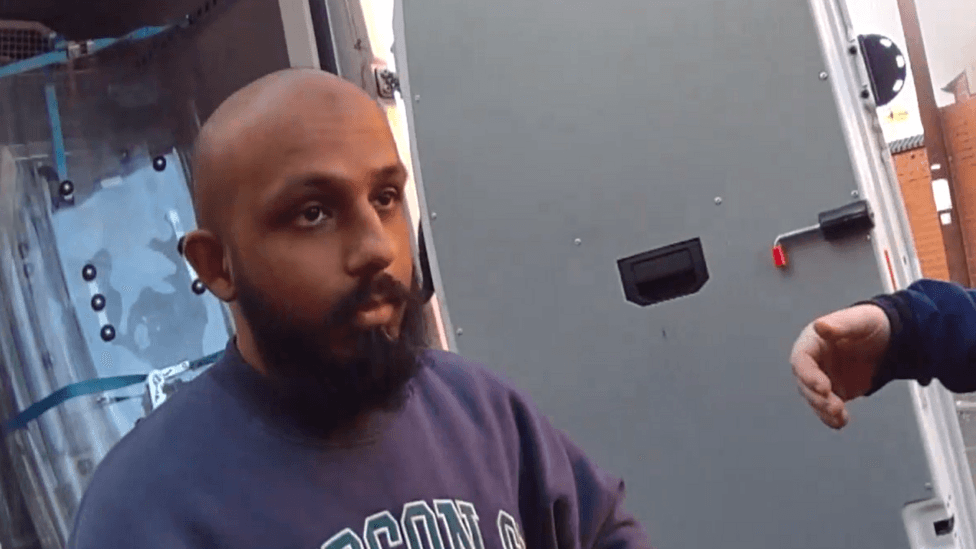
A former supply teacher has been sentenced to six years in prison after admitting to photographing more than 100 schoolgirls without their knowledge and using artificial intelligence to create sexualised fake images from their social media pictures. Abusali Rahman, 37, from Salford, pleaded guilty to 21 offences at Bolton Crown Court on 28 May 2026 and was sentenced on 15 October 2026, according to reporting on the case. His offending spanned multiple schools across Greater Manchester, targeting girls aged 13 to 16.
Rahman qualified as a teacher in July 2023 after studying at Manchester Metropolitan University and subsequently worked as a supply teacher at 25 schools across north-west England. The offending began by December 2023 and continued until his arrest in June 2025, according to local news coverage.
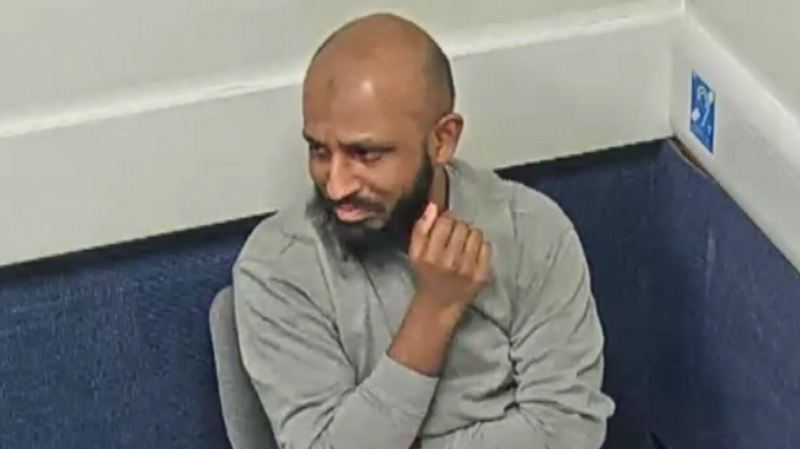
How did he carry out the abuse?
Rahman used an iPhone concealed in his top pocket to secretly photograph pupils during lessons and followed girls walking upstairs to capture upskirt photographs at the schools where he worked. The 15 identified victims attended seven secondary schools in Bolton, Bury and Salford, with 12 of them subsequently identified by police.
Beyond the covert photography, Rahman used pupils' personal information to locate their social media profiles and then employed artificial intelligence technology to generate sexualised images of them. Some of these fabricated images were posted on X, where one of his accounts had approximately 1,000 followers. He also researched how to take photographs without detection and investigated where to purchase spy cameras.
Investigators discovered electronic files containing female pupils' names and addresses that Rahman had compiled to locate photographs of them online. His phone searches revealed inquiries about creating AI images and potential legal defences for teachers making images of children.
What images were found?
Officers discovered child sexual abuse material totalling 263 images across multiple severity categories. According to reporting from the investigation, police found 226 Category C, 25 Category B and 12 Category A child sexual abuse images on his devices. Some of the upskirt photographs were taken in classrooms and school corridors, representing a systematic abuse of his position within school environments.
How was he caught?
Rahman's activities came to light when the mother of one victim was scrolling on X and discovered an image of her daughter in school uniform positioned next to graphic sexual material. This discovery prompted parents to raise concerns about images of pupils circulating on social media, leading to his arrest in June 2025. He was arrested again in December 2025 after police gathered further evidence of child sexual abuse images on his devices.
What impact did this have on victims?
The court heard that one girl whose social media photograph had been misused felt embarrassed and "weirded out", while another experienced feelings of being "disgusted and upset". As some of the girls were undergoing GCSE examinations at the time of discovery, detectives left it to individual parents to decide whether to inform their children they had been victims of Rahman's activities.
The parents or s of identified victims and the affected schools have been informed of the offending. An NSPCC spokesperson described Rahman's offending as deeply distressing for the children and families affected, noting that young people contacting its Childline service about indecent images often report feeling afraid, ashamed and uncertain about where to seek help.
What were the specific charges?
The 21 offences to which Rahman pleaded guilty comprised 12 counts of taking indecent photographs of children, four of publishing obscene material, three of making indecent images, one of distributing an indecent image, and one voyeurism offence involving equipment beneath clothing, according to court records.
What did the court say?
Jailing Rahman at Bolton Crown Court, Judge Kenderik Horne emphasised the gravity of his breach of trust. "You abused that trust," the judge told him, referring to the access his teaching position had provided to pupils and classrooms.
Abusali Rahman abused his position as a teacher to capture images of children without their knowledge in a school environment where they were entitled to feel safe.
These words came from senior crown prosecutor Alexandra Mann, who described Rahman's offending as a "gross breach of trust". Rahman made no comment during his police interview.
His defence counsel, Emma Kehoe, argued that it was not the prosecution's case that Rahman had become a teacher specifically to target schoolgirls. "He found himself out of control and unable to stop," she told the court.
What restrictions have been imposed?
In addition to his six-year custodial sentence, Rahman was placed on the sex offenders register indefinitely. He was also given a 20-year Sexual Harm Prevention Order that bans him from working in schools, significantly restricting his future employment prospects.
What are the broader concerns?
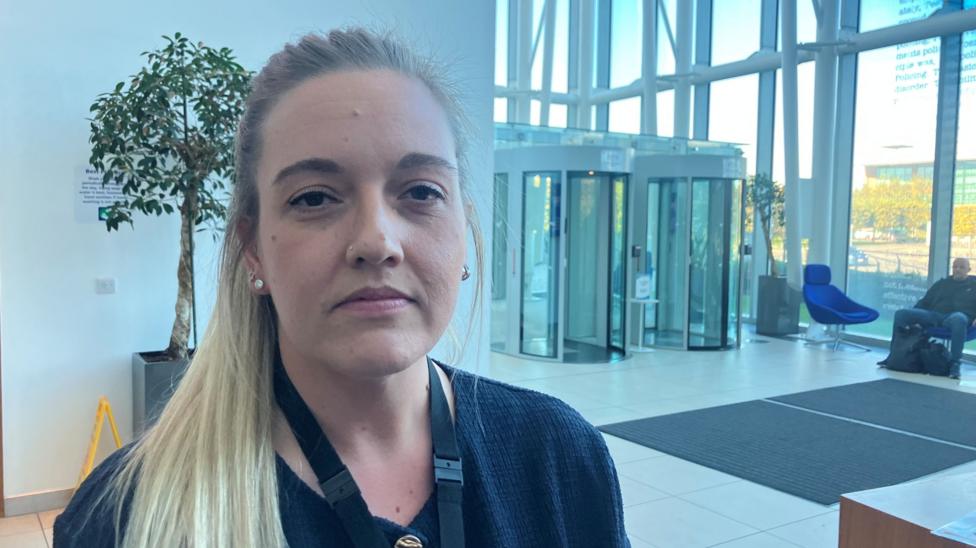
Detective Constable Lisa McGaffin, who investigated the case for Greater Manchester Police, highlighted that criminals were exploiting rapid developments in artificial intelligence technology. She noted that the emergence of unregulated platforms made such offending increasingly difficult for police to tackle.
The NSPCC called for stronger action from technology companies, the government and Ofcom to prevent sexualised deepfake images of children being created and shared online. The case underscores the intersection of traditional child protection concerns with emerging technological threats that enable new forms of abuse.
Key Facts
- Rahman pleaded guilty to 21 offences on 28 May 2026 and was sentenced to six years on 15 October 2026
- He targeted 15 girls aged 13 to 16 across seven secondary schools in Bolton, Bury and Salford
- Police discovered 263 child sexual abuse images on his devices, including 226 Category C, 25 Category B and 12 Category A images
- He was placed on the sex offenders register and given a 20-year Sexual Harm Prevention Order banning him from working in schools
- The offending began in December 2023 and continued until his arrest in June 2025