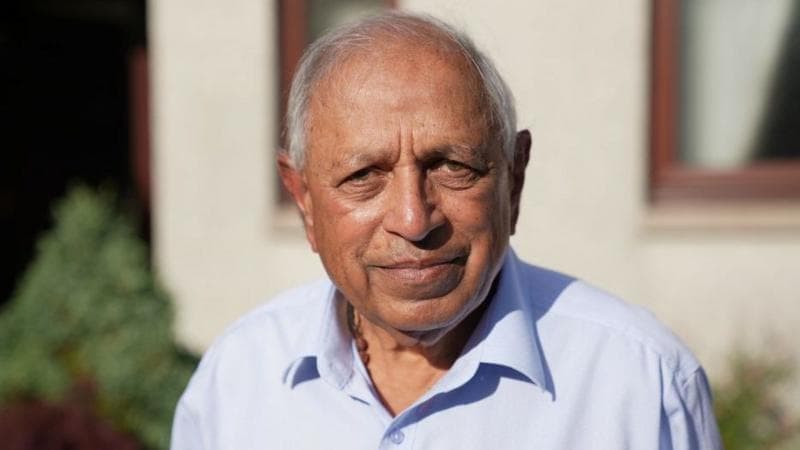
Pushp Vaid was one of only two survivors when a Chinook helicopter plunged into the North Sea off Shetland on 6 November 1986, killing 43 passengers and two crew members. Now 85, the captain has reflected on the disaster that remains the UK's worst helicopter accident, describing the moment he realised he had escaped when 45 others had not.
According to BBC News, Vaid has used artificial intelligence to recreate the sequence of events that led to the catastrophic failure.
I just could not grasp how 45 people couldn't make it, and two of us were able to come out of it,he said of his survival.
The aircraft, registered G-BWFC and operated by British International Helicopters, was returning from the Brent field with 47 people on board when disaster struck during its approach to Sumburgh. The failed component was a modified bevel ring gear in the forward transmission, and the AAIB identified inadequate testing of the modification and failure to maintain a stringent inspection programme as underlying causes.
What did the captain experience during the descent?
Vaid recalls 6 November 1986 as a
beautifulday with calm weather at Sumburgh. As the Chinook began its approach and started to descend, he heard a
whiningnoise that grew progressively louder. The crew initially believed it was a minor issue, perhaps a heater malfunction, but the sound continued to intensify without sounding immediately dangerous.
Then came what Vaid describes as an
almighty bang.
What had happened was the front gear had broken,he explained.
And the noise that was coming was the gear breaking up. Once the gear was breaking up, the rotors were getting closer to each other. And the rotors hit each other.
The consequences were catastrophic.
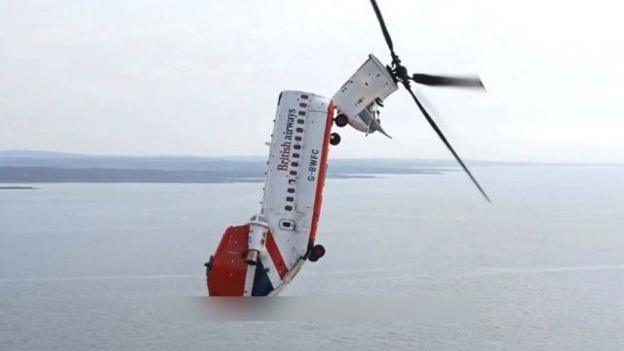
Once the rotors hit each other, the rear rotor parted from the helicopter and disappeared. So the helicopter, which is going along, suddenly is looking vertically up. So next thing I could see the sky in front of me. We were going at 100 knots, it became zero knots.The rotor struck the windscreen, sending fragments flying into the cockpit.
The cockpit did a flip and it broke from the main cabin, but the floor was still attached, so when it hit the water the rear part of the helicopter took the impact.
How did the survivors escape?
Vaid did not feel the impact as the helicopter entered the water.
I didn't feel going into the water at all. And then we went underwater. I swam through it and I reached the top. When I reached the top there was so much wreckage everywhere.He knew that a rescue helicopter conducting a training exercise in the area would respond to the emergency, so he remained calm despite being surrounded by debris in the cold North Sea.
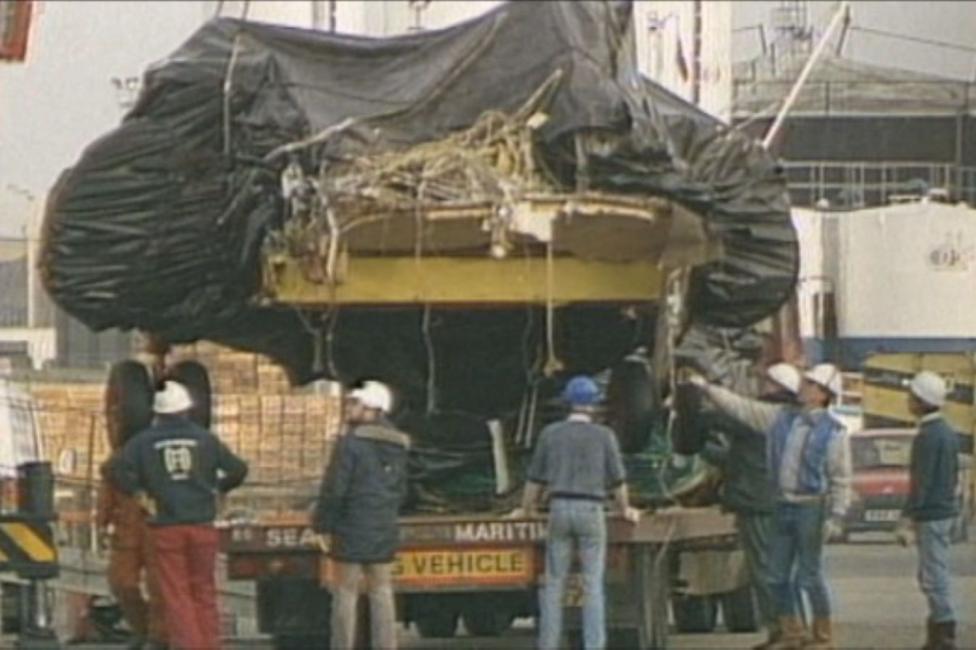
The other survivor was Shell technician trainee Eric Morrans, aged 20; both survivors were reported to have suffered back injuries and exposure. They were picked up by the rescue helicopter and treated in hospital in Lerwick before being transferred to Aberdeen.
What was the historical context of the crash?
The Chinook, built by Boeing in the United States, had enjoyed a relatively good safety record before the 1986 disaster. The aircraft first flew in 1961, and a military version was used by British forces during the 1982 Falkland Islands War. Before the Shetland crash, the deadliest helicopter accident in the UK had occurred in 1983, when 20 people died in the sea off the Isles of Scilly.
The accident highlighted serious concerns, particularly from trades unions, about the safety of North Sea flights. The crash investigation had lasting consequences for the aviation industry. The crash investigation helped spur development of helicopter health and usage monitoring systems, which can track dynamic component performance.
How has the survivor processed the tragedy?
Vaid has spent the past four decades coming to terms with his survival.
The first year I used to feel guilty that I was alive and 45 people were not alive,he said. However, he has come to understand that the disaster resulted from technical failure rather than any error by the crew.
But of course the fault was technical and the crew could have done nothing at all. It was very sad.
In recent years, Vaid has decided to share his story more widely.
I keep telling my story, but it's difficult to make people understand what I'm talking about and I thought I can make a visual story,he explained.
When I saw some programmes made by AI that were so fantastic, I said there's no reason why I can't do it. That's one of the reasons I wanted to make the video - it's my way of paying my respect to the people who died.
A special service will be held in Aberdeen to mark the 40th anniversary of the accident. Vaid, who lives in Westhill, Aberdeenshire, continues to reflect on the disaster and the inexplicable fortune that allowed him to survive when so many others perished.