

Six decades after the Aberfan disaster, people who lived through it and those affected by more recent tragedies such as the Manchester Arena bombing say they continue to encounter what one official calls a "disgraceful" struggle to obtain adequate support.
Cindy Butts, the independent public advocate for England and Wales, argues that Britain's failure to properly assist people during their darkest moments amounts to a systemic problem rather than isolated incidents.
I think it's a real stain on our society that we don't help people... at the worst time of their lives.
Jeff Edwards, who as a child was the final survivor pulled from his classroom after a coal tip engulfed a primary school in Aberfan, says that while his physical wounds mended, the psychological damage never fully healed. He believes the support available to victims has improved too little since the tragedy.
The 1966 disaster killed 116 children and 28 adults after a colliery spoil tip collapsed onto Pantglas Junior School, and Edwards says its aftermath continues to shape his daily life. He was eight years old at the time and recalls regaining consciousness trapped under rubble with a dead classmate's body pressed against his shoulder.
Lots of the children in my class died, so effectively all my friends had gone.
The psychological injuries really had the greatest burden upon us.
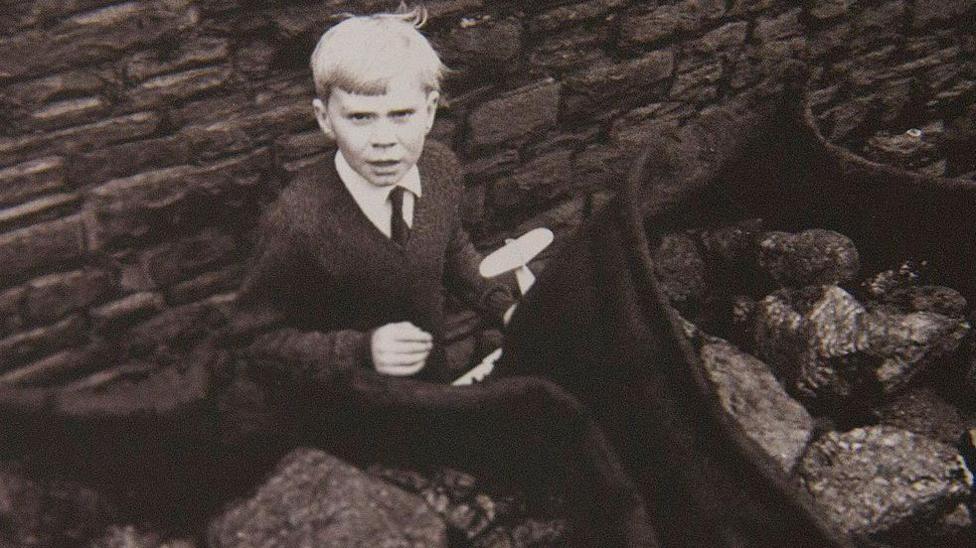
Nearly sixty years later, Edwards says the trauma can resurface without warning. A recent earthquake in Venezuela triggered vivid, unwelcome memories of the disaster.
You can actually smell the coal dust in your nostrils. It really brings your brain back to that place.
It brings so much emotion back that it really knocks you for six and you go into a really deep depression.
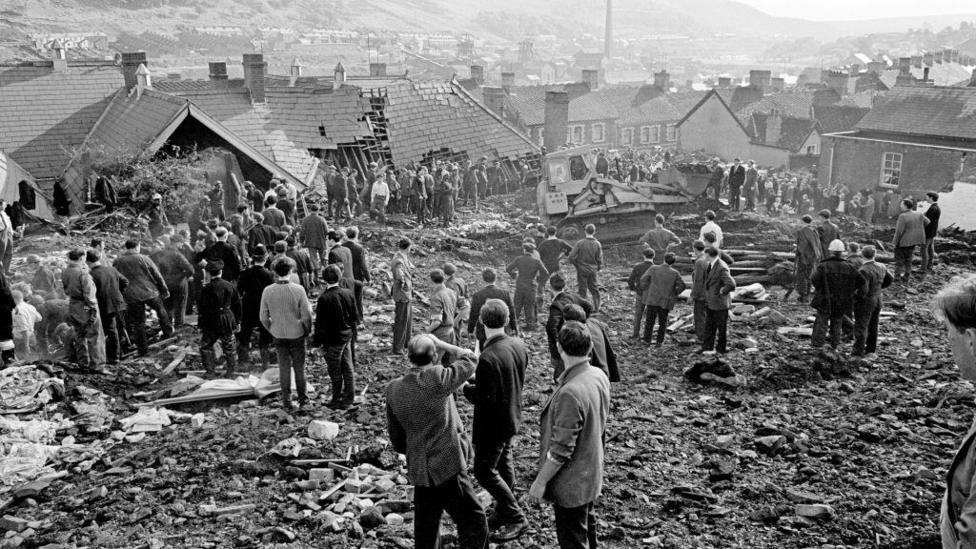
What went wrong in the response to Aberfan?
An official inquiry concluded that the National Coal Board bore responsibility for the disaster, yet survivors and bereaved families say they have endured decades of further injustice. Funds from the public disaster appeal were diverted to pay for clearing the remaining coal tips overlooking the village, compensation was capped, and survivors were subjected to repeated medical assessments. Psychological support, meanwhile, was almost non-existent.
Edwards remembers being advised by a psychologist to picture birthday parties whenever nightmares struck him — advice that rang hollow given that many of the children who once attended those parties had died in the disaster. He says survivors were largely left to support one another.
There was no help. It was basically self-help.
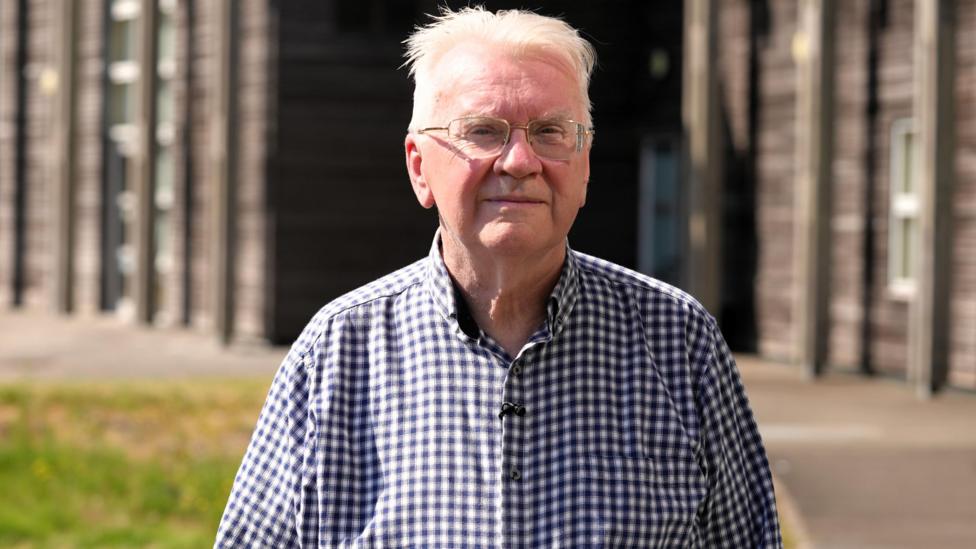
Although he acknowledges that awareness of trauma has grown considerably since 1966, Edwards maintains that the support on offer remains insufficient, especially over the long term.
Mental health services within the NHS are a Cinderella service.
How does this compare with more recent attacks?
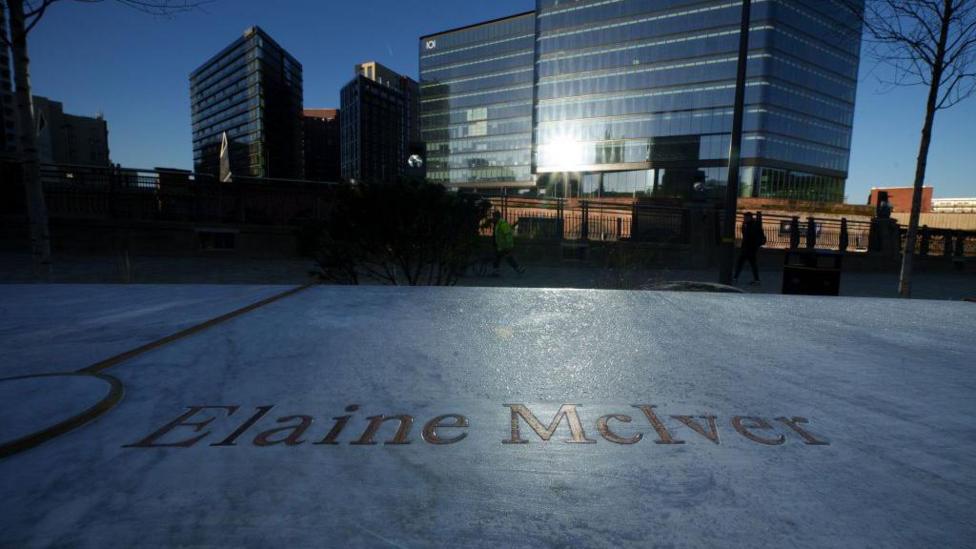
Paul Price, who survived the 2017 bombing at Manchester Arena but lost his partner Elaine McIver in the attack, says he recognises the same frustrations Edwards describes. Price sustained life-altering injuries, spent two weeks in a coma and remained hospitalised for nine months, during which he had to relearn how to walk, eat and dress. He says that once he was discharged, he felt entirely on his own.
I came out of hospital nine months later to nothing.
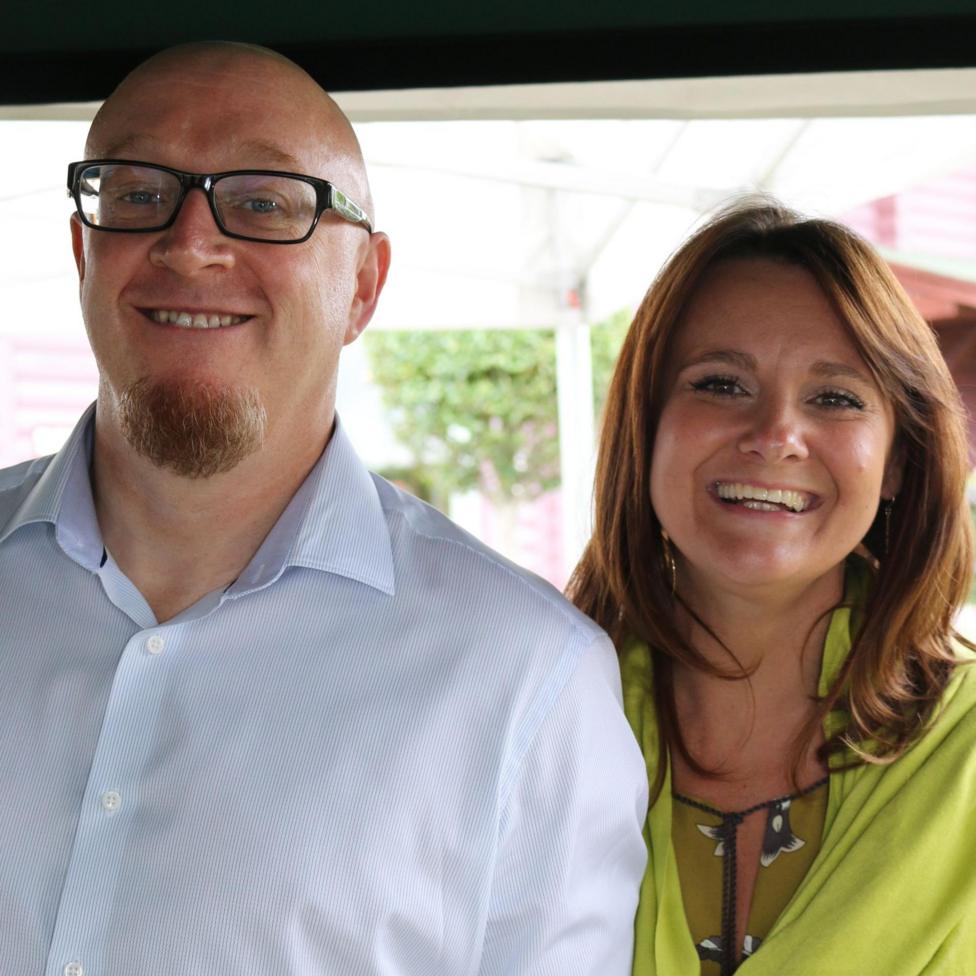

Unable to return to work, Price relied on his savings to fund rehabilitation and physiotherapy. He eventually received compensation through the Criminal Injuries Compensation Authority, but only following years of paperwork, medical evidence requests and repeated assessments.
It was dehumanising, it was humiliating.
It made me feel like they didn't believe me.
According to Price, many fellow survivors abandoned their compensation claims altogether because the process itself proved too distressing.
If something happened tomorrow, people would still go through what I've come through. It shouldn't be like that.
Why do lawyers say victims are being failed?
Terry Wilcox, Price's solicitor, who has also worked on cases connected to the Hillsborough disaster, says meaningful reform has been too slow in coming. He describes lawyers being forced to take on roles far beyond their profession simply to get clients the help they needed.
We had to become social workers, we had to become care providers.
Wilcox says some Manchester Arena survivors ended up destitute after losing their income, with solicitors frequently left to arrange support that should have come from government bodies.
That should not be the role of the solicitor.
Without a fundamental change, it's going to happen time and time again.
He also criticised lengthy delays within the compensation system, noting that even uncomplicated claims can take years to resolve, leaving victims feeling as though they are "banging your head against the brick wall".
Both Wilcox and Edwards see a recurring pattern linking Aberfan and Hillsborough to more recent scandals involving the Post Office and infected blood, in which repeated official promises to learn lessons have been followed by fresh complaints that victims are left fighting alone.
This pattern of institutional failure has echoed in other recent tragedies. Earlier this year, the Home Secretary acknowledged fundamental public service failures that contributed to the July 2024 Southport attack, in which three young girls were killed, promising urgent reform.
The legacy of Aberfan itself continues to resonate well beyond the immediate survivors. Efforts to preserve personal testimonies from the disaster have continued, including a family's donation of belongings and artefacts to a national museum in Wales, while intergenerational connections forged by the tragedy persist, illustrated by one survivor's reunion with the great-grandson of the man who rescued him during a recent school visit.
What has the government said?
A Ministry of Justice spokesperson, whose department oversees the Criminal Injuries Compensation Authority, said victims need access to "financial compensation as well as practical, emotional and therapeutic support" and insisted the department had made "every effort to communicate with them sensitively and accurately" throughout the claims process.
The spokesperson added that the taxpayer-funded compensation scheme paid out more than £180m last year to support survivors of violent crime, including those affected by terror attacks, and that a new support hub had been established to help victims and survivors of terrorism submit their own applications.
What needs to change?
Butts, whose role as Independent Public Advocate was established following campaigning by Hillsborough families, says too many bereaved relatives are still forced to become campaigners, investigators and experts merely to uncover the truth about what happened to their loved ones.
The fact that we keep having these repeated issues over and over again, that is absolutely a stain on our society.
Part of the reason why we're not learning those lessons is because we haven't got a proper way of tracking what those lessons are.
She describes it as a "really sad fact" that victims and their families are effectively compelled to hold the system's "feet to the fire" in the pursuit of truth and justice.
The burden of seeking truth and justice should rest on the system. It should never rest on those families.
Key Facts
- The Aberfan disaster in October 1966 killed 116 children and 28 adults when a colliery spoil tip collapsed onto Pantglas Junior School.
- Jeff Edwards, the last child pulled alive from the wreckage, says he received no meaningful psychological support afterwards.
- Paul Price survived the 2017 Manchester Arena bombing but lost his partner, Elaine McIver, and spent nine months in hospital.
- The Criminal Injuries Compensation Authority paid out more than £180m last year, according to the Ministry of Justice.
- Independent Public Advocate Cindy Butts says victims should not have to fight the system to secure truth and justice.


