Daily Risks for Shop Workers
Helen Edwards, like many others, begins her day preparing to go to work, uncertain if she will be safe upon arrival. Employed in a retail environment, she frequently encounters shoplifters or individuals exhibiting anti-social behaviour, sometimes multiple times daily.
Incidents range from stolen goods being thrown at her to verbal abuse, experiences that leave her and fellow shop employees feeling like "second-class citizens." She remarked on the frequency of police involvement and incident reporting.
"It seems that constantly we're phoning the police or writing up incident reports,"
Edwards is among thousands of retail workers across Northern Ireland who regularly face threats from shoplifting and anti-social conduct.
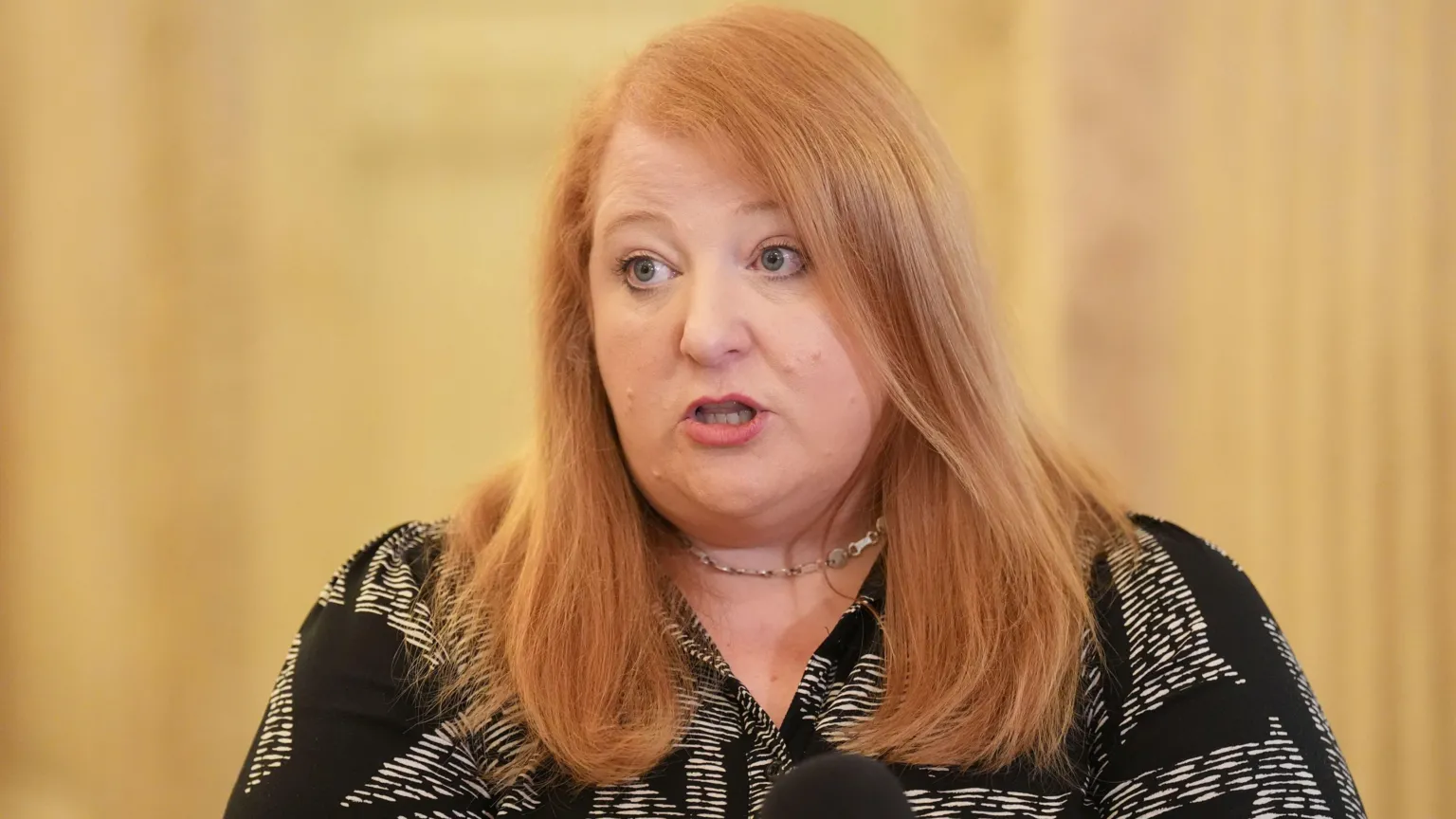
A new Sentencing Bill, introduced to the Stormont assembly in March by Justice Minister Naomi Long, proposes making assaulting public-facing workers a specific offence.
"We're only doing our jobs," Edwards continued. "We don't deserve to be shouted at like that."
'We don't stop them... our safety comes first'
As a representative of the Union of Shop, Distributive and Allied Workers (USDAW), Edwards highlighted the negative impact on morale and self-esteem.
"It's not very good for your self-esteem," she said. "It's not very good for anybody's morale."
She emphasized that staff do not confront offenders due to prioritizing their own safety.
"We don't approach them, we don't stop them because our safety comes first."
Edwards noted an increase in aggressiveness from perpetrators, including confrontations outside the workplace.
"It was scary when somebody accosts you outside your work."
She added that within the workplace, employees feel braver due to the support of colleagues.
Industry Response to Abuse
Neil Johnston, director of the Northern Ireland Retail Consortium (NIRC), condemned the abuse of shopworkers as "completely unacceptable." He expressed optimism that the Sentencing Bill would empower businesses to take stronger action.
"We'll be able to publicize that and reinforce the message that it is not acceptable to abuse retail or any other public-facing workers."
"Hopefully we will see convictions and examples set."

New Legislation to Enhance Worker Protection
The Department of Justice (DoJ), in partnership with the Northern Ireland Policing Board, allocates £4.25 million annually to Policing and Community Safety Partnerships.

Current laws already allow prosecution of individuals who assault retail workers. However, a spokesperson explained that the new legislation was proposed by the minister due to rising concerns about assaults on various public-serving workers.
The bill designates assaulting a person performing a public duty or delivering a public service as an offence with increased maximum penalties.
Additionally, it introduces a statutory aggravator to ensure that the victim's role in delivering a public service is acknowledged during sentencing.
Business Initiatives to Enhance Safety
Johnston reported that many of the NIRC's 100 members in Northern Ireland consider staff abuse a significant issue. Some Belfast-based businesses have joined the Business Crime Reduction Partnership (BCRP) initiative to combat crime.
This initiative provides access to an app that allows businesses to report incidents and receive crime alerts from other areas.
Damien Corr, manager of the Cathedral Quarter Business Improvement District, explained that the app helps identify adult repeat offenders to other businesses and facilitates reporting to police via the non-emergency number.
Corr noted that delays in the non-emergency 101 call system motivated the app's creation.
"When you're a busy business person running a shop or a pub, time is money,"
he said, adding that he believes additional police resources are necessary.
"People had lost confidence and the police were frustrated by that as well."
Police Perspective and Multi-Agency Approach
Police Service of Northern Ireland (PSNI) Superintendent Hagan acknowledged concerns regarding non-emergency call wait times.
"While there can be delays during periods of high demand, emergency calls continue to be prioritised and answered quickly.
We would also encourage people to use online reporting where appropriate, particularly for non-emergency matters."
Superintendent Cunningham from the PSNI's business crime team emphasized the force's commitment to ensuring staff safety.
"Every day, we work with retailers and local communities to tackle shoplifting and assaults across Northern Ireland.
We conduct targeted policing activity in high-risk retail areas to deter offenders and provide reassurance to staff.
This is not just a policing issue," Cunningham said. "It requires a multi-agency approach to ensure Northern Ireland's retail sector remains safe for workers and shoppers alike."