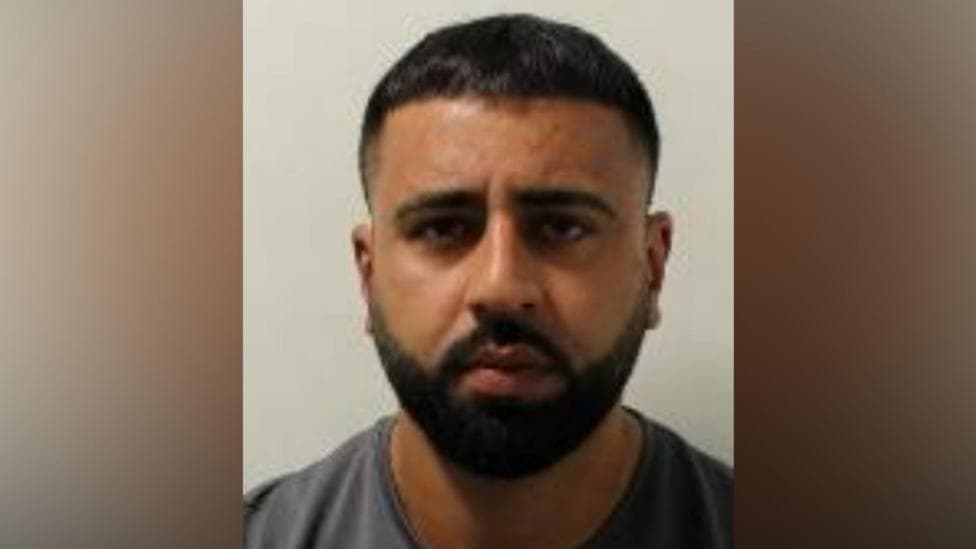
Victims and their families experienced a "gross failure" by the court system when a sex offender was repeatedly bailed to his home overlooking the playground he had targeted, according to London's victims' commissioner.
Zafer Dogan, 32, from Enfield in north London, was sentenced on 24 September 2026 at Wood Green Crown Court to two years and four months in prison. He had pleaded guilty to three counts of making indecent images of a child, according to reporting on the case, which included 900 category C images, 294 category B images and 653 category A images.
Dogan had taken more than 5,000 photographs from his bedroom window that overlooked a playground before using artificial intelligence software to alter some of them into sexually explicit material.
Andrea Simon, the victims' commissioner, said the case demonstrated systemic failures in how the justice system prioritises victim protection.
I think victims and their families were grossly failed by the decision to allow this paedophile to return to an address where he was overlooking a playground near to his victims.
Simon highlighted the contradiction between law enforcement opposition and judicial decisions.
The case [shows that] the justice system just does not centre victims. To know that the police and prosecutors opposed bail multiple times, but nevertheless, he was returned to the community, is an indication that the capacity pressures on prisons are not being balanced with the impacts that that's having on victims' lives.

The Metropolitan Police confirmed that Dogan had been bailed back to his home address while awaiting sentencing, and that officers and the Crown Prosecution Service had requested a bail hearing on 7 September 2026 at Wood Green Crown Court. Following that hearing, sentencing was brought forward to reduce ongoing risk.
One victim's family was forced to relocate into temporary accommodation because Dogan remained at his Enfield flat during the bail period, according to reporting on the case.
We seem to be lurching from one crisis to another, and victim safety and their rights seem to be put to one side, as the justice system struggles.
Simon's assessment was supported by Sir Mark Rowley, London's policing commissioner, who described the bail decision as
unfathomable.
How are bail decisions made?
Remand and bail decisions are made by independent judges or magistrates, not by police or prosecutors, meaning that even when law enforcement opposes release, courts retain the authority to grant bail. A government spokesperson stated that the law was clear that bail
should only be used where necessary and proportionate, including to protect victims.
What are the wider concerns?
Simon's comments reflect broader concerns about the balance between prison capacity constraints and victim safety.
To know that the police and prosecutors opposed bail multiple times, but nevertheless, he was returned to the community, is an indication that the capacity pressures on prisons are not being balanced with the impacts that that's having on victims' lives.The case has prompted calls for a multi-agency review to examine how such decisions are made and whether victim protection receives adequate weight in the process.
Key Facts
- Zafer Dogan, 32, from Enfield, was sentenced on 24 September 2026 to two years and four months for creating indecent images of children using AI software
- He had taken over 5,000 photographs from his bedroom window overlooking a playground before using artificial intelligence to alter some into sexually explicit material
- Police and prosecutors opposed bail on multiple occasions, yet the court repeatedly allowed him to return to his home address near his victims
- One victim's family was displaced from their home and forced into temporary accommodation as a result of the bail decision
- London's victims' commissioner and policing commissioner have both criticised the bail decisions as failures to prioritise victim safety