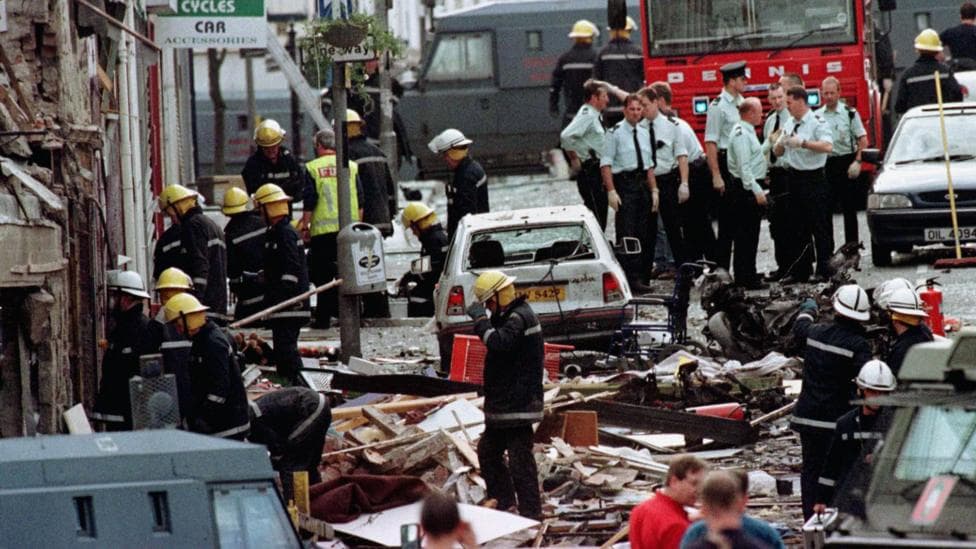
The 1998 Omagh bombing claimed 29 lives, including a pregnant woman carrying twins, on a busy Saturday afternoon. A senior police officer who was brought in to examine the investigation has now told an official inquiry that the attack might have been averted if established procedures had been followed correctly.
Merseyside Deputy Chief Constable Michael Tonge QPM, appointed by the Policing Board in 2002 to oversee the investigation, described his initial assessment of the inquiry's state as "quite a shock". He presented evidence to the Omagh bombing inquiry on Thursday, detailing systemic failures in how information was managed and analysed.
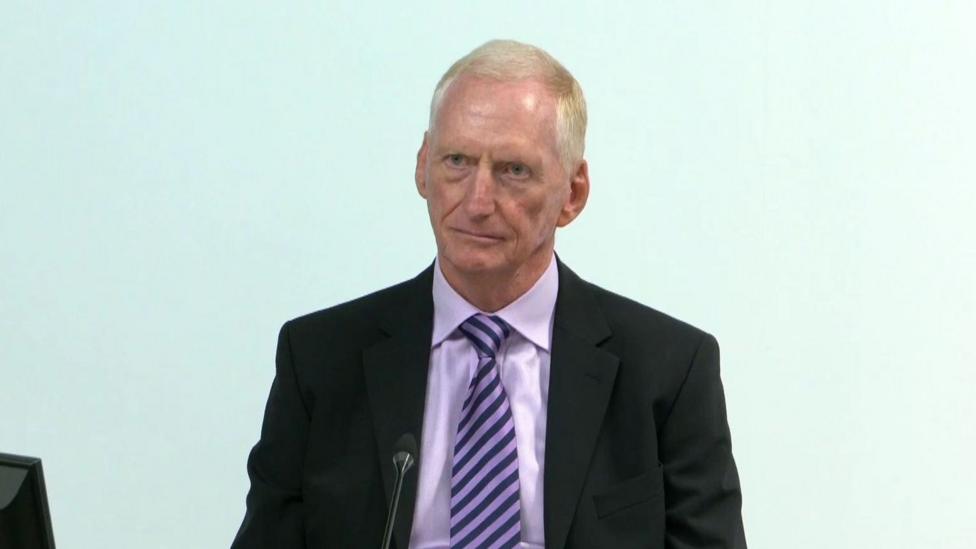
Tonge highlighted a critical failure: police did not identify connections between a series of attacks that occurred throughout 1998, even before the bombing took place. He explained that these incidents shared recognisable patterns, yet linkages were never established. "I mean I was probably shocked—shocked is not too strong a word," he told the inquiry. "You would expect that Northern Ireland, given its history and the scale of the troubles, would examine connections between these types of offences. That such analysis did not appear to have happened was a significant concern."
According to a BBC News report from 13 October, PSNI Detective Chief Inspector Neil McGuinness told the inquiry that deficiencies in data entry and procedural compliance may have resulted in overlooked investigative opportunities. The inquiry counsel also noted that 14 people had been connected to evidential activity in the days surrounding and on the day of the bombing.
Could earlier intervention have stopped the attack?
Tonge was direct about the preventability question.
"There's a fair chance that the core group of individuals involved could have been interviewed at the very least or charged with linked previous incidents before Omagh,"he stated. This assessment suggests that had investigators properly connected the pattern of earlier attacks, key suspects might have been detained or questioned before 15 August 1998.
The investigation's primary tool was HOLMES—the Home Office Large Major Enquiry System—a database designed to manage large-scale inquiries. However, Tonge found it had been operated in a way that severely limited its effectiveness.
"We were quite... not alarmed but concerned to see the state of the HOLMES inquiry, given it consumed a hell of a lot of information, but the way it had been run a lot of that information was very difficult to access."
What went wrong with the investigation system?
Multiple procedural and staffing problems undermined the inquiry from the start. Tonge identified several critical issues: the HOLMES control room was staffed by untrained personnel; officers assigned to key roles lacked the appropriate rank or background for their responsibilities; and the Major Incident Room Standard Administrative Procedures (MIRSAP) were not consistently followed.
The RUC's data recording system was not used to its full potential.
"HOLMES was a real operational tool to take the investigation forward,"Tonge explained,
"but lack of training in how to use it meant information was hard to find."He used an analogy to illustrate the problem:
"If you imagine the HOLMES database on the Omagh inquiry a bit like a haystack if you are looking for needles in a haystack, the way it was constructed the information was put in there didn't allow you to try and make some of the linkages you would normally find."
According to reporting from earlier this month, the incident room initially operated on a paper-based system before data was transferred into HOLMES. Computer capability and officers' familiarity with computer systems were limited at the time, further hampering the investigation's effectiveness.
"So we found that a major issue, non-compliance with administrative procedures, untrained staff, role corruption—it really made it very difficult to use that in the way it was designed to be used."
What did the Policing Board review conclude?
After Tonge presented his findings to the Policing Board in 2003, he expressed optimism about the investigation's prospects.
"I was very positive with where we had left this inquiry, a very good chance that people would be placed before the court to account for their conduct in this matter."His review had aimed to reset the investigation and apply proper procedures going forward.
What warning was missed before the bombing?
The inquiry also examined a critical piece of intelligence that was never properly acted upon. A handwritten document detailing a warning received at Finner army camp in County Donegal on 14 August 1998—the day before the bombing—was presented to the inquiry for the first time.
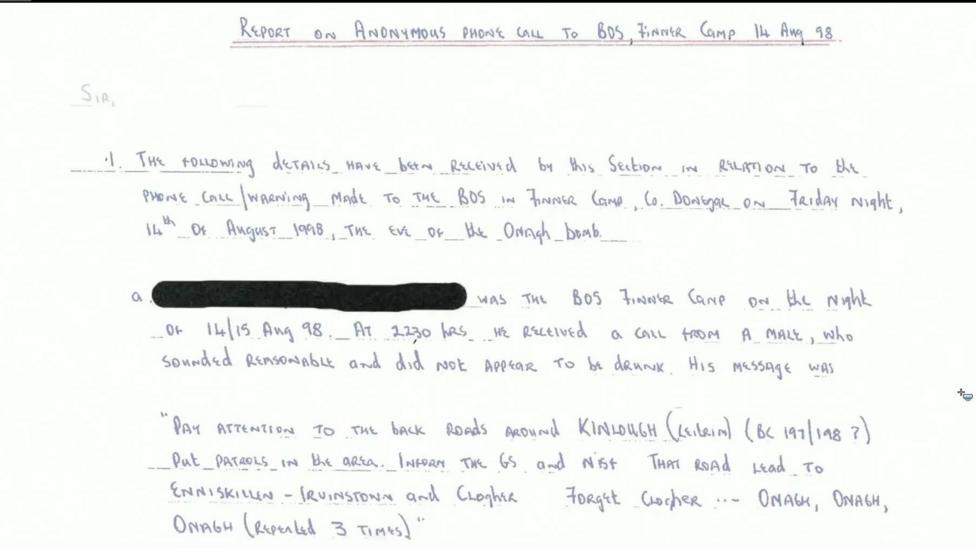
The document recorded that a caller had telephoned the camp at 22:30 hours with a specific message:
"Pay attention to the back roads around Kinlough. Put patrols in the area. Inform the GS and NISF. That road lead to Enniskillen, Irvinestown and Clogher. Forget Clogher, Omagh, Omagh, Omagh."
Former Police Ombudsman Baroness Nuala O'Loan, who continued giving evidence to the inquiry on Thursday, stated that she was never informed of this warning. Had she been, she would have regarded it as highly significant.
"It was very relevant to what we were investigating, we obviously had no jurisdiction over anybody in the Republic of Ireland, nor did we have any jurisdiction over the military, but apart from that, yes, of course it was relevant. And where had you been able to put it together with other intelligence it might have been particularly relevant."
What other warnings did police receive?
The inquiry also examined a warning call received by Omagh RUC on 4 August 1993—five years before the bombing. On Wednesday, Baroness O'Loan had criticised the police response to that warning, describing their decision to dismiss it as "bizarre and absurd". When police counsel presented a note claiming to outline actions taken in response, Baroness O'Loan disputed that such measures had actually been implemented.
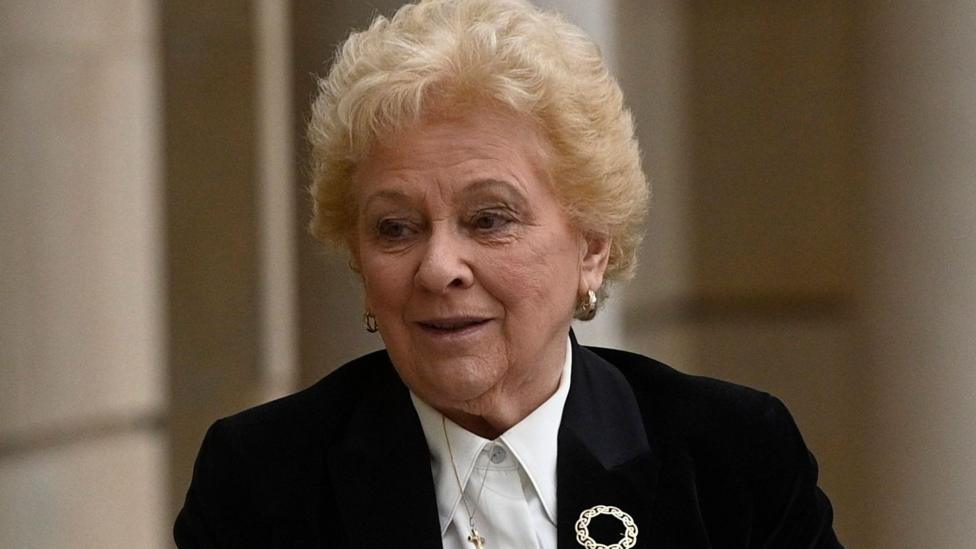
"An assertion of this nature is not sufficient to persuade me that something occurred and there should have been documentation which under-pinned this which would have convinced me this had been done. It would be variety of documentation and I have seen no such evidence which leads me to the view that I find it difficult to accept that it did happen."
PSNI counsel also questioned her recollection of a meeting with then Chief Constable Sir Ronnie Flanagan. However, Baroness O'Loan produced handwritten notes she had made immediately after the meeting.
"Immediately after (the meeting) I came out I sat in my car seat I was distressed and thought I needed to write this down."The inquiry counsel confirmed that her recollection, supported by contemporaneous documentation, was accurate.
What happens next in the inquiry?
The inquiry continues to examine whether UK state authorities could have prevented the bombing. According to the inquiry's witness timetable, Errol Thompson and Michael Tonge are scheduled to give evidence on 15 October 2026, with proceedings beginning at 10am unless the timetable indicates otherwise.
Key Facts
- The Omagh bombing on 15 August 1998 killed 29 people, including a pregnant woman expecting twins
- A senior police officer appointed to review the investigation concluded there was a "fair chance" the attack could have been prevented had proper procedures been followed
- Police failed to link a pattern of attacks throughout 1998, missing opportunities to interview or charge suspects before the bombing
- The HOLMES database system was poorly managed, with untrained staff and non-compliance with administrative procedures limiting its effectiveness
- A warning received at an army camp the day before the bombing, specifically mentioning Omagh, was never communicated to the police investigation