Scottish government ministers have rejected revised proposals for a golf course development at Coul Links in Sutherland for the second time, overturning approval granted by Highland Council. According to BBC News, the decision follows an earlier refusal in 2020 and reflects concerns that the scheme would cause significant harm to nationally and internationally protected habitats and wildlife.
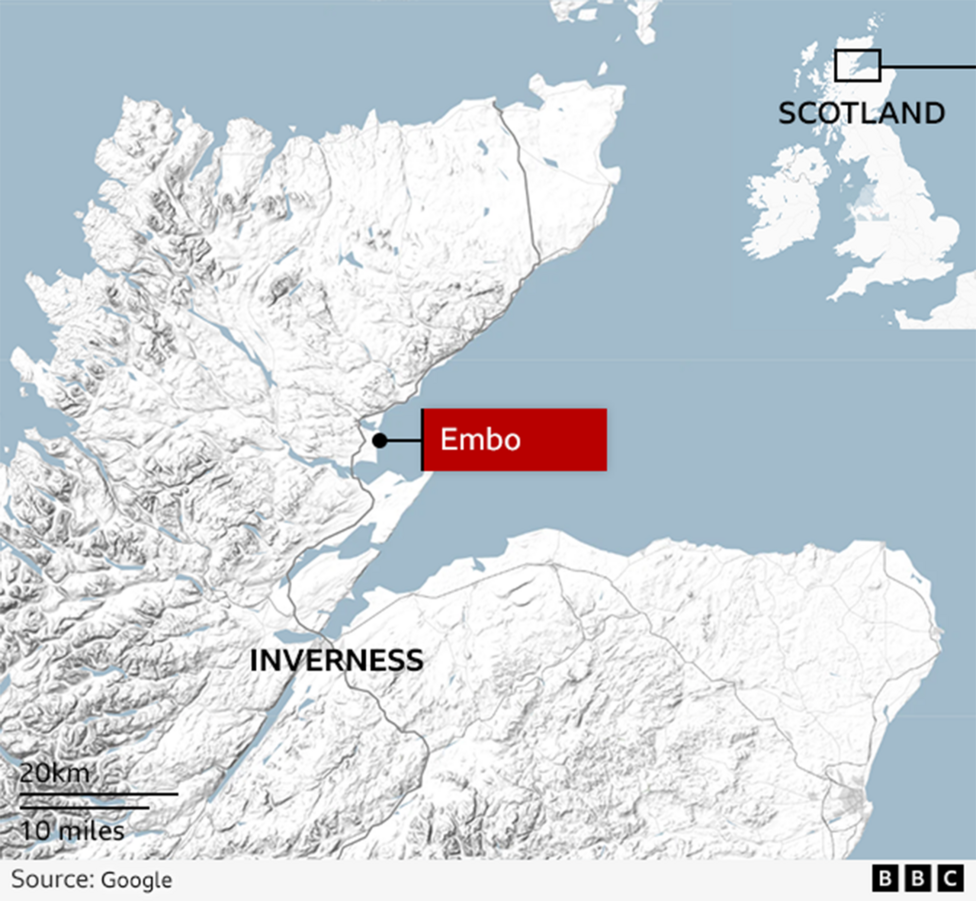
The development at Embo, near Dornoch, would have comprised an 18-hole golf course, practice facilities, parking and conversion of existing buildings into a clubhouse and pro shop. Ministers determined that the revised application, which Highland Council had backed three years earlier, would damage exceptional ecological sites despite potential economic benefits to the rural area.
Government reporters David Buylla and Stuart West concluded that the proposal was contrary to the development plan overall and that no material considerations justified permission. They advised that any approval would have required conditions and a satisfactory habitat regulations appraisal, neither of which the applicant had adequately addressed.
Why did ministers reject the plan?
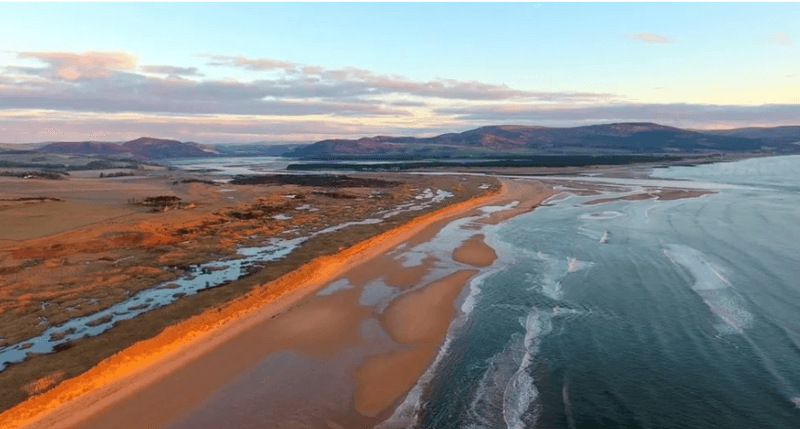
The Coul Links dune system was identified as having "exceptional importance" with a range and quality of habitat types that "may be unparalleled within Scotland." The assessment found that development would cause significant harm to the links even under the best-case scenario for managing and reducing its impact. Particular concern centred on effects to the Dornoch Firth and Loch Fleet Ramsar site, a wetland area designated as internationally important.
NatureScot, the government's nature conservation body, had consistently argued that the applicant failed to provide sufficient evidence demonstrating the development would avoid harming the Ramsar site. The official report noted that concerns regarding "habitat loss, habitat fragmentation and ecological connectivity remained" unresolved throughout the application process.
Environmental organisations including RSPB Scotland and Ramblers Scotland had raised objections to the scheme. Ramblers Scotland director Brendan Paddy welcomed the rejection, stating that up to seven holes would have crossed the John o' Groats Trail, walkers' access would have been impacted by greens and fairways, and "the pleasure of enjoying the natural dune landscape would have been lost forever."
What did the developers argue?
Communities for Coul, the group behind the proposal, described the rejection as a "huge blow for the area." The organisation had contended that the golf course would deliver investment, jobs and environmental management funding to a region experiencing population decline among working-age residents.
Director Gordon Sutherland stated:
"Our plans offered a real opportunity to restore and sustainably protect the Coul Links site, while also creating lasting economic benefits and new employment opportunities in an area that is being decimated by the continuing loss of working-age population."
Landowner Edward Abel Smith expressed frustration at the outcome, saying he was "absolutely gutted" and that a golf course would have been "transformational for the area." He challenged conservation organisations to demonstrate their commitment to the site:
"During this planning application, many organisations put time, resources and money into stopping the development. As they seem to find Coul Links such an important site, I look forward to seeing them now come forward to arrest its continuing degradation with time, resources and, of course, money."
What is the history of this proposal?
The original golf course plans were led by US businessman Todd Warnock and secured planning permission from Highland Council in 2018. Scottish ministers then called in the application for further scrutiny, and following a public inquiry in 2020, the government refused permission. Reporters cited potential damage to dune habitats, juniper, birds and invertebrates, concluding that economic benefits did not outweigh the environmental risks.
The revised proposal was submitted after the initial rejection, and Highland Council approved it in 2021. However, Scottish ministers took over the decision in February 2024 because of concerns about its impact on protected wildlife sites and to assess its potential economic benefits against environmental harm.
What happens next?
The applicant and opponents had until 17 August 2026 to submit further arguments and evidence before Scottish ministers finalised their decision, agreeing with government reporters that the environmental harm outweighs the potential socio-economic benefits and that the proposal conflicts with planning policy. The rejection marks the end of this iteration of the scheme, though the landowner and developers may consider further options for the site.