

People accused of the most serious crimes in Scotland could wait almost three times as long for a High Court trial by 2028, according to new forecasts from the Scottish Courts and Tribunals Service (SCTS). The average wait between an accused's first pleading diet hearing and trial is projected to rise from around 50 weeks now to 135 weeks by 2028-29, driven largely by a sharp increase in prosecutions for serious sexual offences, domestic abuse and organised crime.
SCTS chief executive Malcolm Graham said the number of High Court indictments served by the Crown Office is expected to exceed 2,700 this year, compared with 935 in 2023/24. He said the surge reflects both rising offending and greater willingness within the justice system to pursue cases.
Around 70% of the cases that come to trial in the High Court are serious sexual offences and that has increased hugely over a very small number of years.
In some regards it's a huge success that society and the agencies involved are able to tackle the scourge that our society faces.
But the system needs to be prepared to deal with that
This rise in prosecutions follows a broader pattern already documented elsewhere: sexual crimes in Scotland reached their highest levels since 1971 in 2025-26, up 10% year-on-year, alongside a 23% rise in domestic abuse offences, with officials warning that many survivors still do not report incidents to police.
What is driving the delays?
The backlog stems from a combination of rising case volumes and structural strain on the court system. SCTS figures show 990 High Court trials were called in 2025/26, a volume that Graham said the current infrastructure struggles to absorb given the pace of new indictments.
It doesn't serve people's needs if there's uncertainty.
If there's a length of time between when a crime is committed and when a case comes to trial, or when it's concluded in some other way, the longer that is, then the more impact that has on victims.
There is some evidence that having an extended period [makes it] far more likely for victims and witnesses not to be able to fully engage in the process for all sorts of different reasons.
According to fresh modelling published by the Scottish Courts and Tribunals Service on 19 August 2026, the median journey from a police report being made to a High Court verdict being delivered stood at 123 weeks in 2024-25, underscoring how delays compound at multiple stages of the process, not only at the court stage itself.

How is the court system trying to keep up?
The High Court currently operates from 10 locations across Scotland, but capacity is being expanded to help absorb the rising caseload. Four additional Sheriff Courts — in Airdrie, Dunfermline, Edinburgh and Glasgow — are due to begin hosting High Court hearings, which SCTS says will lift daily trial capacity to 26, up from 16 at the start of the decade.
According to an update from the Scottish Courts and Tribunals Service, this expansion is now scheduled to begin in January 2027. Despite the coming rise in demand, SCTS says overall average waiting times have already fallen from 45 weeks in 2022/23 to around 30 weeks currently, a reduction officials attribute to earlier efficiency measures.
What would modernisation cost, and why is it needed?
Graham said SCTS needs roughly £62m over five years to overhaul court processes and reform how criminal cases are managed, pointing to a lack of shared digital infrastructure across the justice system.

We haven't got joined up data systems. We haven't got digital systems that are shared across the organisations from the police to the Crown to the courts to criminal justice social workers.
We're able to put in place much more efficient ways of transferring information that rely on modern technology and not on paper-based systems.
I don't think it's a stretch to say that the fundamental processes that underpin how criminal courts are run, still look like they might have looked like around about 100 years ago.
Legal professionals have echoed the call for modernisation. Tony Lenehan KC, vice dean of the Faculty of Advocates, described how his own working practices have shifted with digital tools.
I have made the transition from carting dozens of kilos or hundreds of kilos of papers to cases into court for big cases to just carrying my laptop.
The more we move towards everything being accessible in a digital way, it streamlines everything.
That's going to have benefits right across the system.
Who is most affected by the delays?
Lenehan said timely access to trial is a fundamental legal right, and warned that lengthy backlogs are having a direct impact on the more than 2,000 people currently held on remand in Scotland's prisons, who have not yet been convicted of any offence.
There will be people who are spending time on remand just about equivalent to the sentence that they're going to get if they're convicted - and these are people who are presumed to be innocent.
People should only be deprived of their liberty where it's absolutely essential and for as short a period as possible.
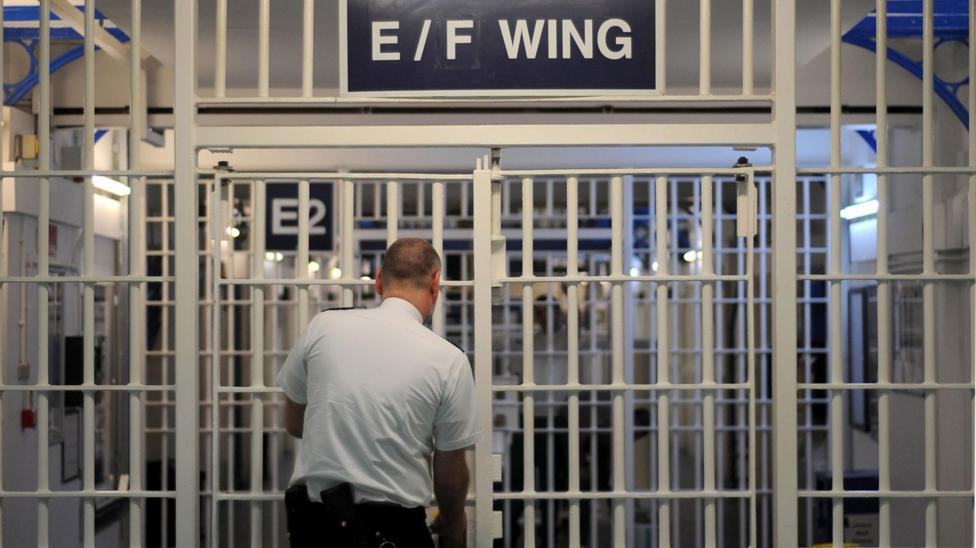
Pressure on the prison estate has already prompted policy action. The Scottish government has separately proposed reforms aimed at reducing overcrowding, including earlier release for some inmates and increased capacity, amid record incarceration levels partly linked to remand numbers.
The Scottish Prison Service said the current population, including those on remand, was placing the system under severe strain.
We need a safe and sustainable prison population, including those on remand, to ensure we can fully support those in our care, reduce the risk of reoffending, and help build the safer communities we all want to see.
How has the backlog changed over time?
Court backlogs have proven persistent despite earlier optimism. An Audit Scotland review found that outstanding scheduled criminal trials had fallen to 13,268 by the end of 2025/26, according to a briefing published by Audit Scotland, though it noted that waiting times remained well above pre-pandemic levels. An earlier parliamentary briefing had projected that the High Court backlog would clear entirely by March 2026, a timetable that has since slipped considerably given the current forecasts.
Victim Support Scotland welcomed the planned expansion of High Court capacity. Chief executive Debbie Adams said an increase in trial capacity was a step in the right direction.
One delay has a knock-on effect for the entire justice process, so anything that can be done to help reduce the time victims spend waiting is welcome.
What is the Scottish government doing about it?
Justice Secretary Neil Gray told Radio Scotland's Breakfast programme that overall court backlogs had reduced due to improved information and evidence-sharing under the summary case management process, which has cut the number of trials reaching sheriff courts.
I recognise the substantial challenge there is in the High Court space.
That's where I'll be working with Malcolm Graham as well as colleagues across government on where we can take forward the similar processes that have been so successful in the summary case management process in order to see those potential delays ameliorated or mitigated.
The Scottish government has committed to investing £11.6bn across the justice system between 2026-27 and 2028-29. A government spokesperson said reforms were necessary to modernise services and reduce duplication across the system.
What happens next?
The four additional Sheriff Court venues in Airdrie, Dunfermline, Edinburgh and Glasgow are due to begin hearing High Court cases from January 2027, according to the Scottish Courts and Tribunals Service, bringing total daily trial capacity to 26. Officials are also working on expanding digital evidence-sharing systems and enabling police officers and expert witnesses to give evidence remotely, measures intended to ease pressure on the court calendar as case volumes continue to rise.
Key Facts
- Court-stage waits between pleading diet and trial are forecast to rise from around 50 weeks to 135 weeks by 2028-29.
- High Court indictments are expected to exceed 2,700 this year, up from 935 in 2023/24.
- The median time from police report to High Court verdict was 123 weeks in 2024-25.
- Four extra Sheriff Court venues will begin hearing High Court cases from January 2027, lifting daily capacity to 26 trials.
- More than 2,000 people are currently held on remand in Scotland's prisons awaiting trial.


