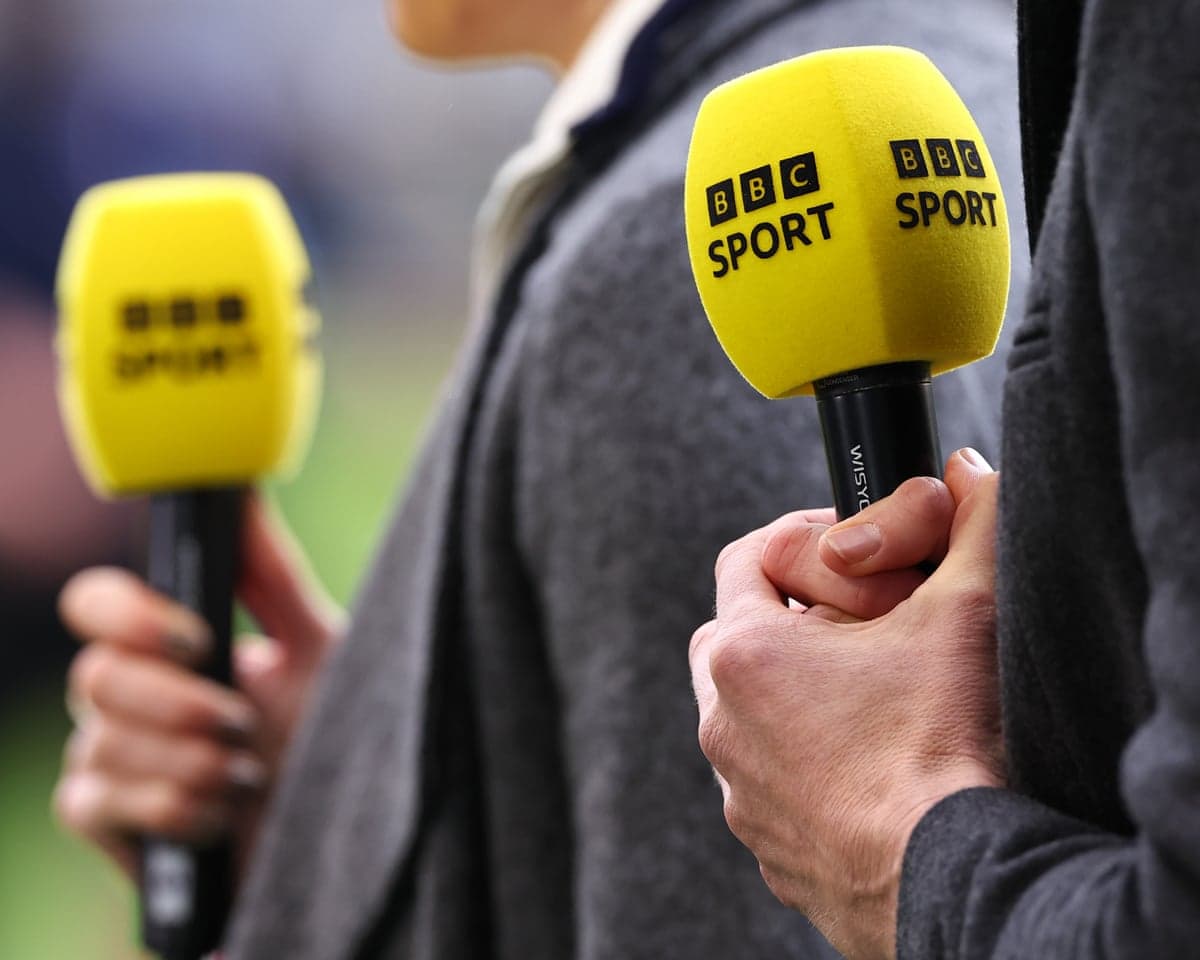
The corporation's move toward online platforms and football-focused content is dividing staff and raising concerns about whether the BBC is abandoning its traditional role as a broad-based public service broadcaster.
Earlier this month, the BBC dispatched Umir Irfan, its football tactics correspondent, to conduct an interview with England captain Harry Kane. Rather than focusing on tournament prospects or Champions League ambitions—the type of content that would have formed a standard television news package in previous years—Irfan questioned Kane about his positioning and goal-scoring patterns. The resulting piece appeared on the BBC's new football YouTube channel, accompanied by tactical analysis, graphics and heat maps.
The Kane interview exemplifies the strategy being pursued by Alex Kay-Jelski, director of . Brought in from the written media sector with a mandate to modernise the broadcaster's sports coverage, Kay-Jelski has fundamentally reshaped how the corporation approaches sports journalism.
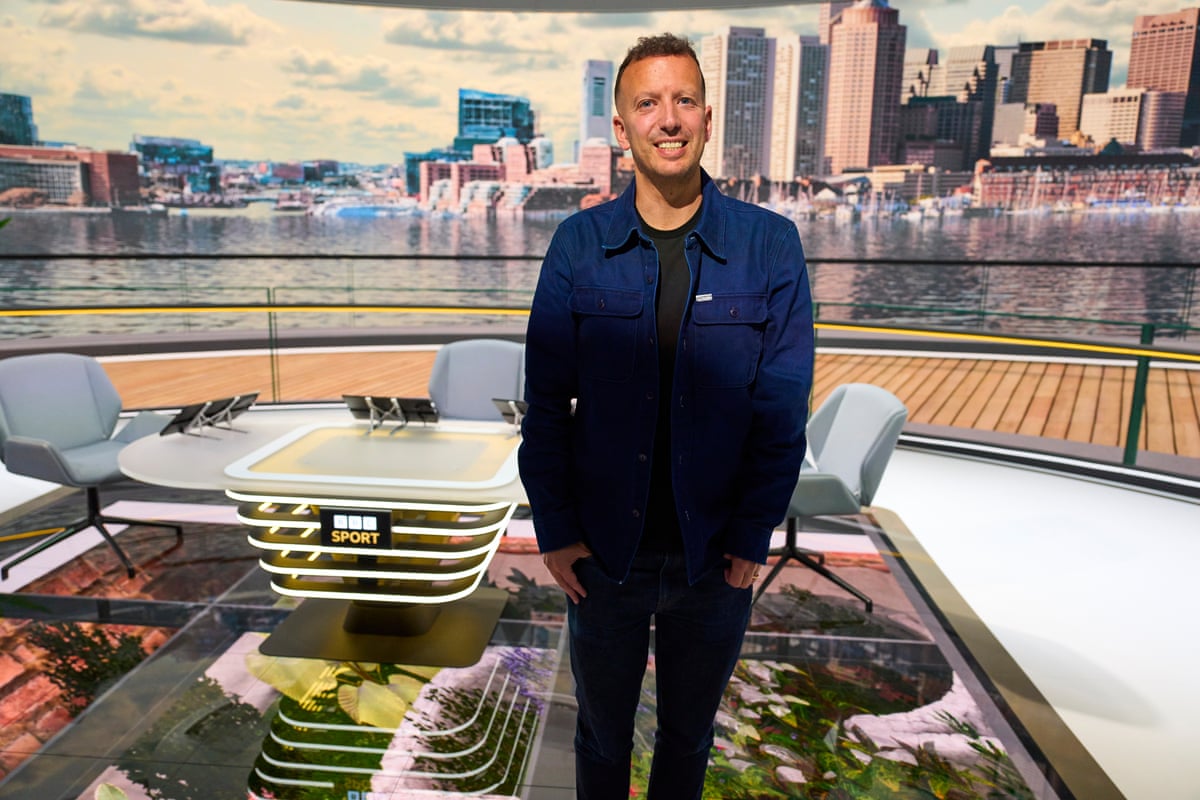
However, the BBC's decision to cut lunchtime and overnight sports bulletins from the channel has intensified internal tensions about Kay-Jelski's direction. According to reporting on the cuts, the removal of these bulletins includes approximately seven journalist positions, four of them senior roles. The broader restructuring involves 41 roles being scrapped across with a savings target of £2.6 million, with an additional 36 jobs going in further cuts announced separately.
The cuts have crystallised a fundamental philosophical divide within . One insider described the split: "Many staff at have grown up in the tradition of public service broadcasting. Many people now running haven't. Maybe that's good, maybe that's bad. But it's a fundamental divide."
What is driving the digital transformation?
When Kay-Jelski took the role in 2024 at age 40, his appointment surprised many. Despite serving as editor-in-chief of The Athletic, a digital outlet for dedicated sports fans, he was not a traditional broadcaster. His mandate was explicit: with social media providing instant access to action and results, BBC leadership wanted journalists to focus on the corporation's website and app—assets that had become the primary destination for many sports fans.
During his initial months, Kay-Jelski reoriented the department's priorities. The emphasis shifted from creating sports packages for general audiences to competing with commercial rivals for scoops and analysis, particularly in football. The corporation hired specialist journalists and dedicated club correspondents serving the global fanbases of Manchester United, Manchester City, Liverpool and Arsenal. Kay-Jelski has since expanded into TikTok and YouTube coverage, with the BBC's new football YouTube channel acquiring 100,000 rs in just four months.
This transformation reflects broader changes at the BBC. Director general Matt Brittin, formerly of Google, has signalled that some channels and radio stations "may well" have to close as audiences increasingly consume content on demand. These shifts are part of the BBC's wider savings plan of £500 million and workforce reductions of up to 10 per cent by 2028.
How are staff responding to the changes?
While 41 roles are being eliminated, five new positions include an executive editor of digital video, a short-form video producer and two social media producers—a staffing pattern that underscores the strategic pivot.

Inside , views are mixed. Few dispute that change is necessary amid the media industry's digital revolution. The disagreement centres on the pace and prioritisation of Kay-Jelski's approach. Some staff worry about an excessive concentration on Premier League football, driven by the online engagement it generates. An internal Q&A distributed to staff this week included the question: "Are we sacrificing coverage of a breadth of sports to focus more on football?" The BBC's response stated that football remains the most popular sport in the country, and that on television the corporation produces more hours of snooker than football, while covering more than 20 different sports annually on radio.
Shrinking budgets have nonetheless resulted in the loss of traditional coverage of minority sports. The Commonwealth Games, Ski Sunday, the boat race and the World Indoor Bowls have all been sacrificed. In April 2026, the BBC scrapped Football Focus after 52 years, a decision the corporation attributed to changing audience behaviour and a shift toward digital and social platforms.
Some insiders have expressed concern about Kay-Jelski's management style, describing him as "dismissive" and prone to sending abrupt emails or limiting discussion. Others countered that these characterisations were subjective, noting that Kay-Jelski had made unpopular but necessary decisions. One source familiar with the department said "the mood has been bleak."
What are the broader concerns about 's future?
The transformation has made Kay-Jelski a target for critics. One publication recently described him as a man with a "disdain for tradition." Yet the real debate extends beyond personalities to fundamental questions about the BBC's purpose.
Staff documents circulated this week outlined a model focused on "live hits on the highest impact stories." Many employees fear this approach will continue to pull the BBC toward a commercial model built around football and what performs well online, leaving both minority sports and older television viewers behind.
Supporters of Kay-Jelski's approach dispute this characterisation, pointing to the protection of flagship shows like Match of the Day as evidence that the BBC is not abandoning broadcast television. They argue the corporation continues to bring a broad range of sport to the widest possible audience.
Yet sincere concerns persist among staff. One insider observed: " is galloping towards an algorithm-dominated editorial policy at a quicker pace than other parts of the BBC. The rights and wrongs of this can be debated. But concern from staff should not be written off as simple laziness or recalcitrance. Far from it. If the algorithm is everything, then who does that exclude?"
What happens next?
Matt Brittin is scheduled to appear in an interview over the weekend in which he will expand on the prospect of closing some BBC services. The BBC is expected to continue announcing further service and staffing cuts as it works toward its savings targets, with reports suggesting network closures could be announced as early as next week.
The cuts represent a critical moment for the BBC. The corporation faces a choice between maintaining its traditional role as a comprehensive public service broadcaster or accelerating its transformation into a digital-first organisation optimised for engagement metrics and online platforms. That decision will determine not only the future of but also what the BBC itself means to audiences in the years ahead.