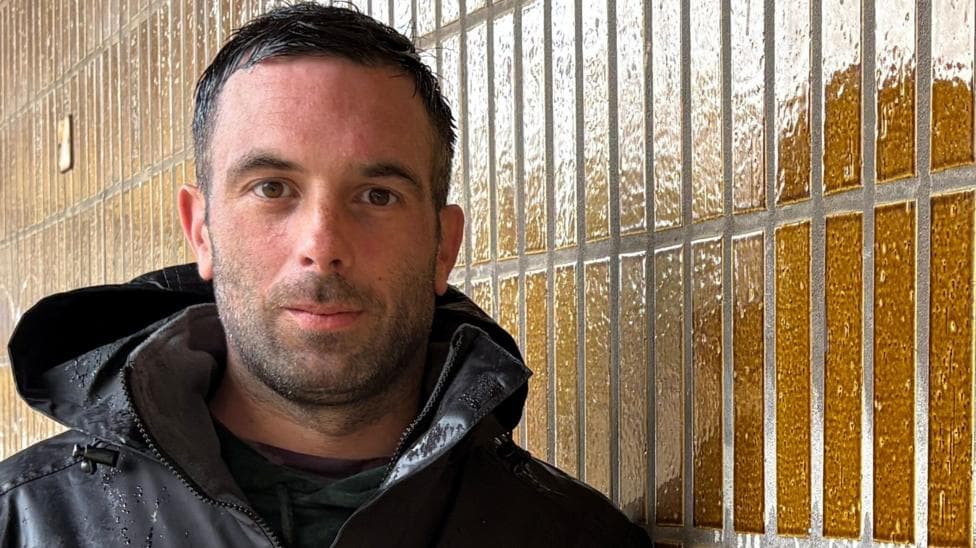
Bill Lewis describes life on the streets as lonely, destitute and tough. That experience informs his scepticism about whether the government will succeed in its stated goal of ending rough sleeping.
"I doubt that's going to happen,"he reflects.
Prime Minister Andy Burnham has launched a
"national drive"to stop people living in tents or shop doorways, with plans to offer them
"a route off the streets by Christmas."Ministers have pledged extra support beyond housing. But frontline workers say it may not be sufficient.
"It's not just a housing issue,"Lewis says.
"Getting everybody off the street – great, it's fine – but the problems don't end there."
From the streets to outreach work
Lewis, then 34, became homeless at the end of October 2017 and was living in a tent in gardens near St Paul's church in Harlow, Essex, during severe winter snowstorms. He attributes his homelessness partly to cocaine use, which he employed to sustain himself through night shifts working as a picker-packer in a warehouse.
"I was using the cocaine to get me through the shift and then I wasn't sleeping during the day. It was just this cycle – my life was a mess, it really was."
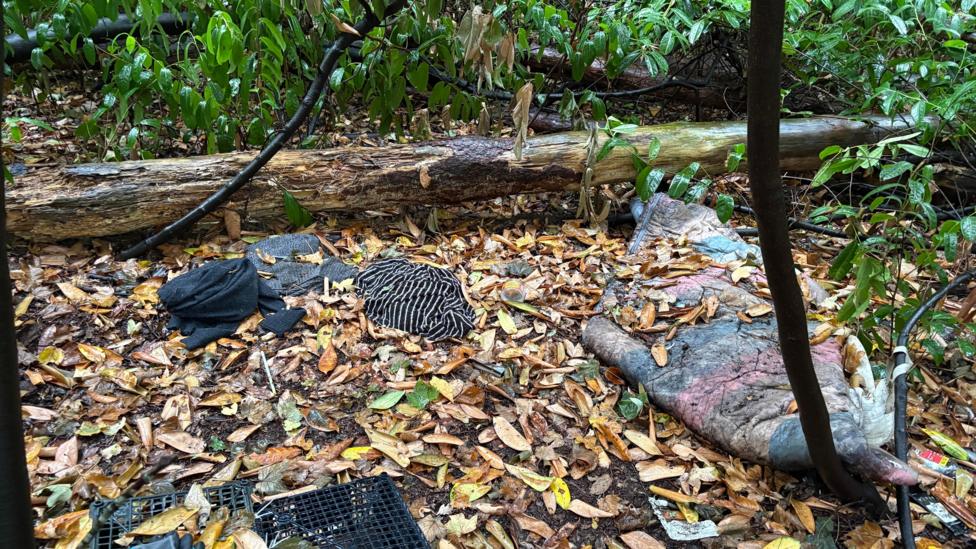
With support from Streets2Homes, a charity working with homeless people in Harlow, he briefly left the streets by mid-December. However, on New Year's Eve he relapsed and spent the following three months struggling with addiction. He returned to rough sleeping between March and July 2018, moving his tent regularly to avoid detection.
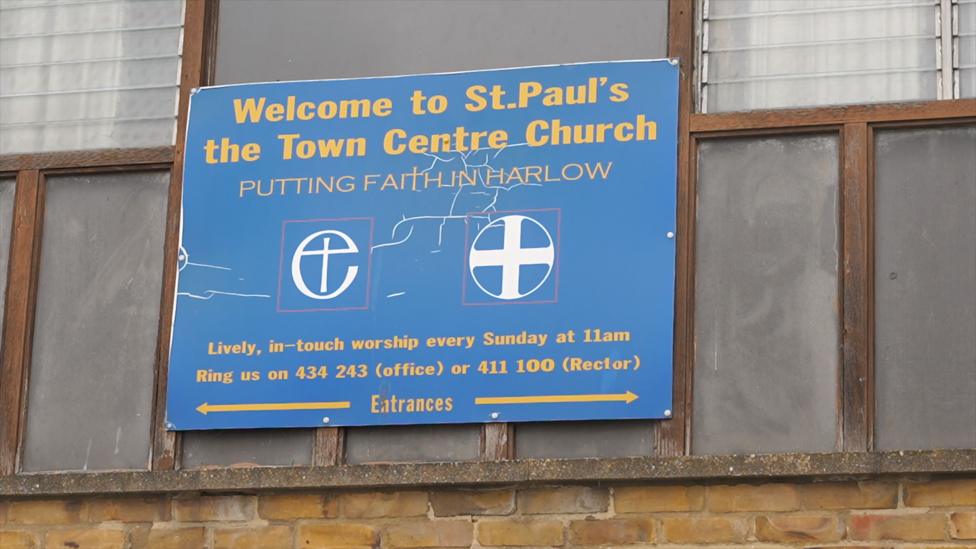
Lewis, now 43, credits the charity and his faith for keeping him off the streets and drug-free. He now works for Streets2Homes as an outreach project worker, supporting others experiencing homelessness.
Why housing alone is insufficient
Lewis and his colleagues are encountering increasing numbers of people with severe and complex needs. He emphasises that these individuals require
"the right kind of accommodation"combined with
"ongoing, intensive support."Without such comprehensive provision, he warns,
"within six months, they're going to be failing their tenancy and back on the streets again."
"So it's all very well and good saying 'yeah we're going to get all these people off the streets' – and you know I'd love to see that – but what's next after that?"
Kerrie Eastman, who has managed Streets2Homes since 2010 and previously worked in the probation service, oversees support for rough sleepers in the town. When she spoke to BBC Politics East, her team was monitoring 31 people sleeping rough.
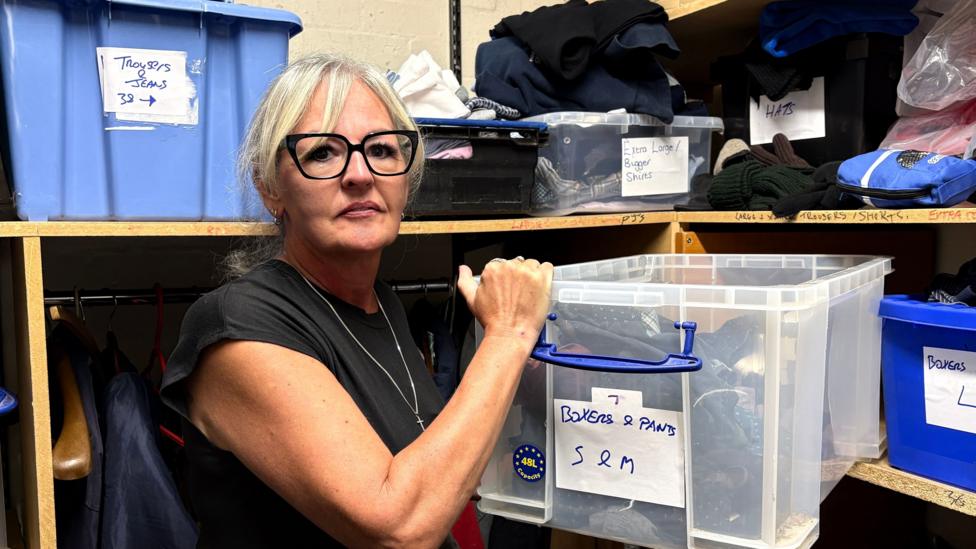
"They're the ones that are actually sleeping under the stars – not sofa surfing or in caravans or anything, they're actually rough sleeping,"she explains. That figure represents a
"high number, even for us"and
"has been creeping up."
According to Streets2Homes data, the average nightly number of rough sleepers in Harlow in the 12 months to the end of July 2026 was 30% higher than the previous year.

The housing affordability crisis in Harlow
Eastman identifies the cost of living crisis and the gap between local housing allowance and actual rents as key drivers of rough sleeping in the area. The local housing allowance in Harlow stands at £451.34 per month for private shared accommodation and £810 for a one-bedroom home. However, shared rooms in the town typically rent for around £730 per month. According to the Office for National Statistics, the average rent for a one-bedroom home in Harlow reached £1,021 in July 2026.
This affordability gap means the charity finds it
"more and more difficult to house people."
What Streets2Homes is doing
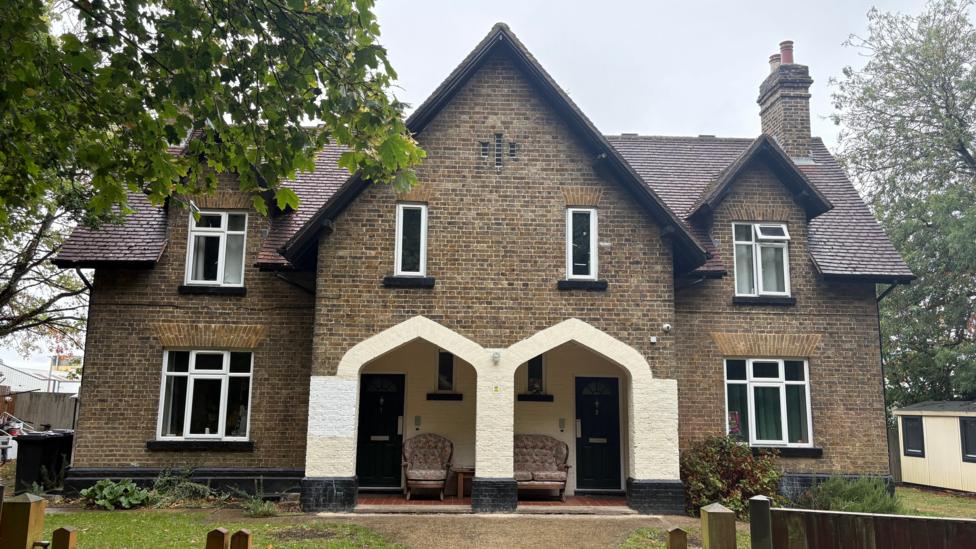
Beyond offering interest-free deposit loans, Streets2Homes operates nine bedrooms across two Victorian cottages in Harlow. A support worker is present from 09:00 to 00:00, with someone on call overnight. In the seven years the charity has occupied the cottages, only five residents have returned to the streets.
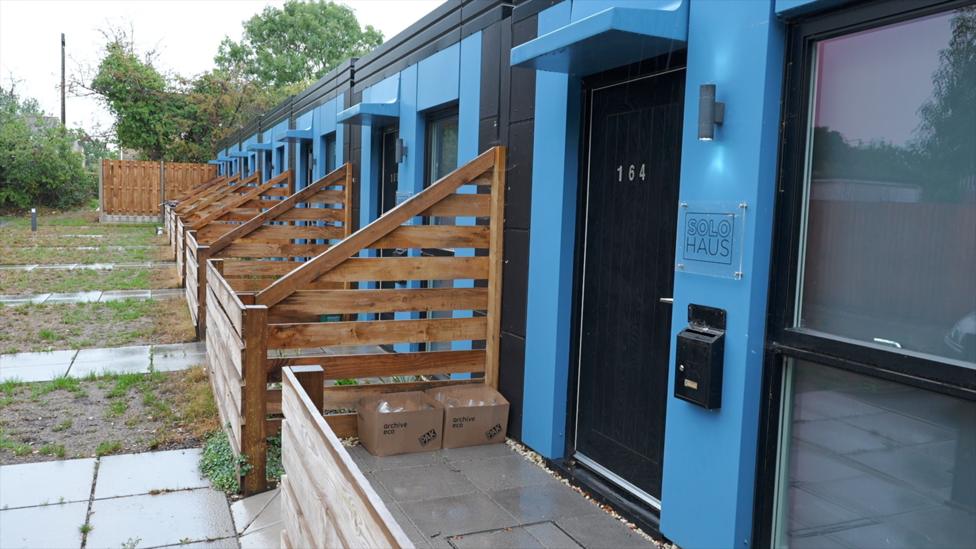
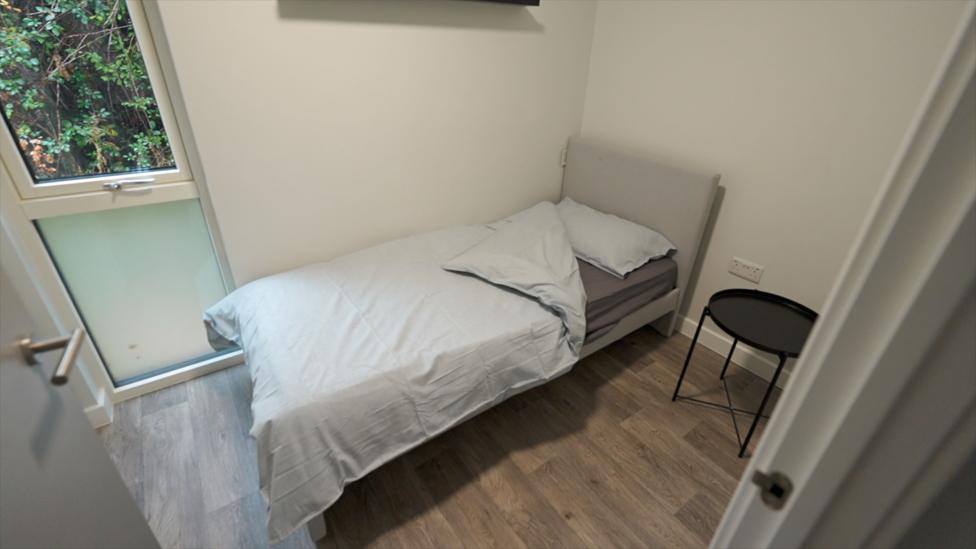
In June 2026, the charity received eight one-bedroom modular pods as a gift from the Hill Group, an Essex-based developer, expanding its accommodation capacity.
Eastman expresses enthusiasm about Burnham's commitment to ending rough sleeping but warns that those with
"complex needs and chaotic lifestyles"require more support than current provision offers.
"They need more than organisations like us and what we're offering now. We don't have the resources. You need mental health nurses – they need mental health support, they need so much more. It's not just about putting a roof over someone's head."
Government funding and broader initiatives
The government has committed £442 million in additional funding over three years to help end rough sleeping in England. According to Shelter's analysis of the Rough Sleeping Programme, the initiative aims to provide settled homes with intensive support for more than 1,000 people over the next three years.
The government's broader homelessness strategy allocates £3.5 billion for homelessness prevention and rough sleeping services from 2026/27 to 2028/29, including nearly £2 billion through a new consolidated grant. Additionally, over £50 million has been allocated to a new Ending Homelessness in Communities Fund for voluntary, community and faith organisations with annual income below £5 million, running from 2026 to 2029.
A significant policy change occurred on 29 June 2026, when the Vagrancy Act was repealed, ending the criminalisation of rough sleeping and begging in England after nearly two centuries. The government stated the money would provide
"emergency accommodation to end the need for rough sleeping,"as well as
"practical help with housing, health and other needs, helping people build a more stable future."
The Long-Term Rough Sleeping Innovation Programme is also operating from April 2026 to 2029 across London and 27 other local areas to support people with complex needs.
Local political support and scepticism
Harlow's Labour MP, Chris Vince, previously worked for Streets2Homes as a project outreach worker. He describes Burnham's target as ambitious but achievable, noting that
"We saw during the pandemic it is possible to get people off the streets and in accommodation very quickly."
However, Vince has emphasised to Housing Secretary Angela Rayner that the scheme must include
"additional support."He stresses that
"It's absolutely about that housing-first approach of getting people housed, but it's also about that support we provide as well."
What happens next
The next quarterly rough sleeping publication, covering data up to September 2026, is scheduled for 26 November 2026. The new homelessness plan and related grants will be delivered across 2026/27 to 2028/29, with funding allocated over that three-year period. National rough sleeping estimates from autumn 2025 put the number of people sleeping rough in England at 4,793 on a single night, though statutory homelessness remains elevated, with 14,690 households having their main homelessness duty come to an end between January and March 2026, representing an 11.5% year-on-year increase.