

Six wolfdogs rescued from a neglectful home in Grangemouth are now settled and healthy in their new environments, the Scottish SPCA has confirmed. Their former owner, Graham McQuet, was fined £2,000 and banned from keeping animals for five years after a court found he had effectively abandoned the animals, one of which developed a friction wound from wearing an electric shock collar. The update was released to coincide with this year's International Wolf Day.
Five of the wolfdogs now live at The Little Zoo, a charity based in Wiltshire, while the sixth has been successfully domesticated and rehomed with a family. The animals were removed from McQuet's property back in 2022, and the Scottish SPCA says their transformation since then has been dramatic.
What did inspectors find at the property?
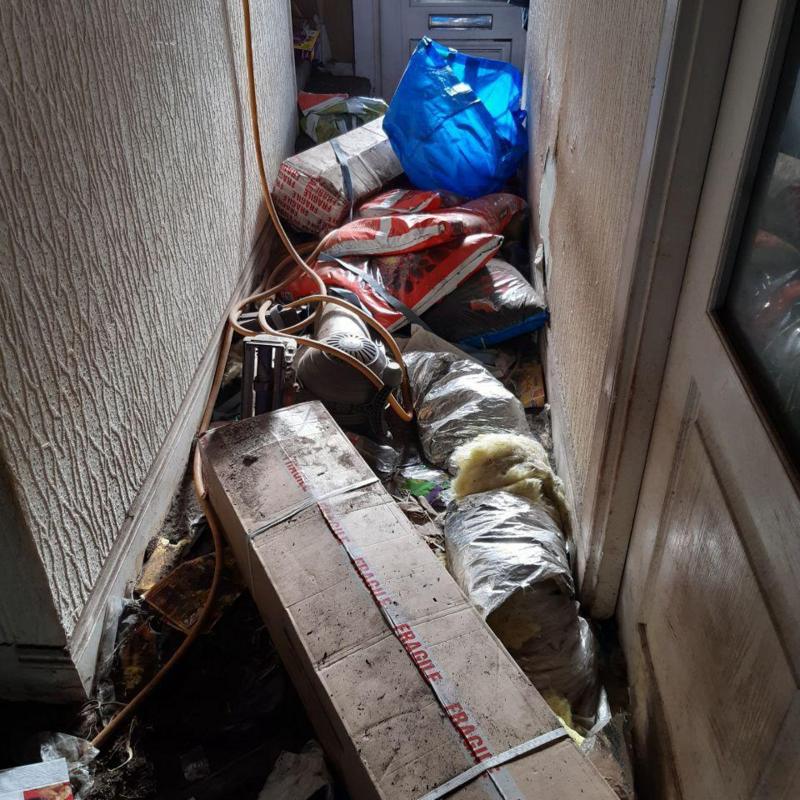
When a Scottish SPCA inspector visited the house, every wolfdog on site was found wearing a shock collar, and their behaviour suggested they were being "controlled rather than trained". The property itself was described as being in an extremely poor state, with the animals kept in kennels too small for their needs.
According to a separate national broadcaster's report, a neighbour described one kennel as filthy with urine and faeces, and said the animals had no access to food or water at points. The same report states that seven wolfdogs were involved in the case, and that McQuet's conduct is understood to have taken place between October 2019 and November 2022 — details that go beyond the six-animal timeline given in the original Scottish SPCA account.
Before officers could execute a police warrant to fully search the premises, McQuet voluntarily surrendered the wolfdogs to The Little Zoo. The charity says it then spent "months and months of patience" slowly building a safe, predictable routine for animals that arrived deeply traumatised.
How did the case come to light?
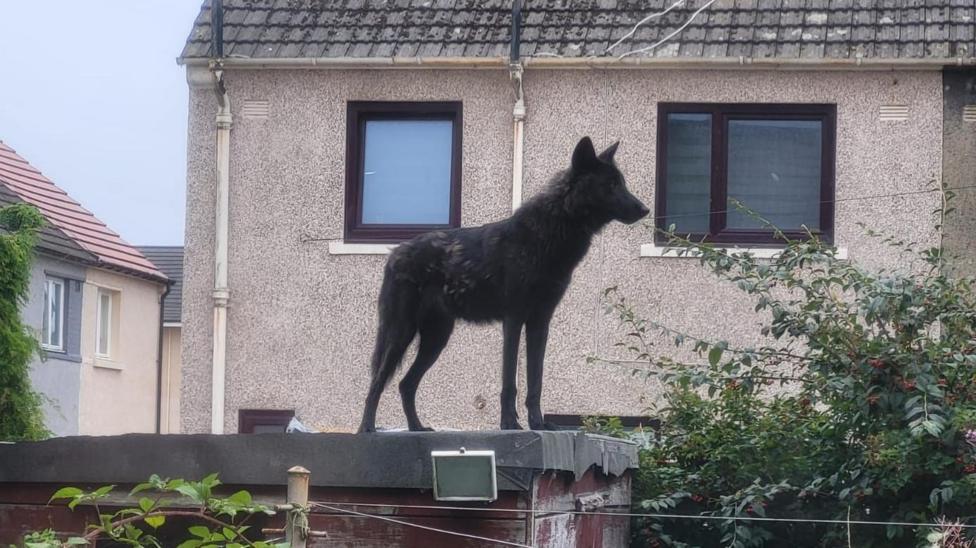
The situation was exposed after one of the wolfdogs chewed through the roof of its kennel and escaped. Neighbours, who had already reported hearing the animals fighting and howling whenever McQuet was absent, contacted the Scottish SPCA after witnessing the escape.
The Little Zoo, which specialises in caring for exotic animals, said the wolfdogs arrived "severely underweight, unsocialised and terrified". Since then, it says they have received the consistent care needed to recover.

How are the wolfdogs doing now?
The animals are now housed at Wolves of Wiltshire, a facility within The Little Zoo's sanctuary grounds, where staff say they have learned to trust that food and safety are no longer scarce.
They had to learn that food no longer needed to be fought over - that it would arrive every day and that even those who had previously missed out would always have enough to eat.
Staff say they worked to understand each wolfdog's individual personality in order to build trust gradually. The charity stresses that despite their progress, the animals remain essentially wild and continue to live as wolves rather than domestic pets.
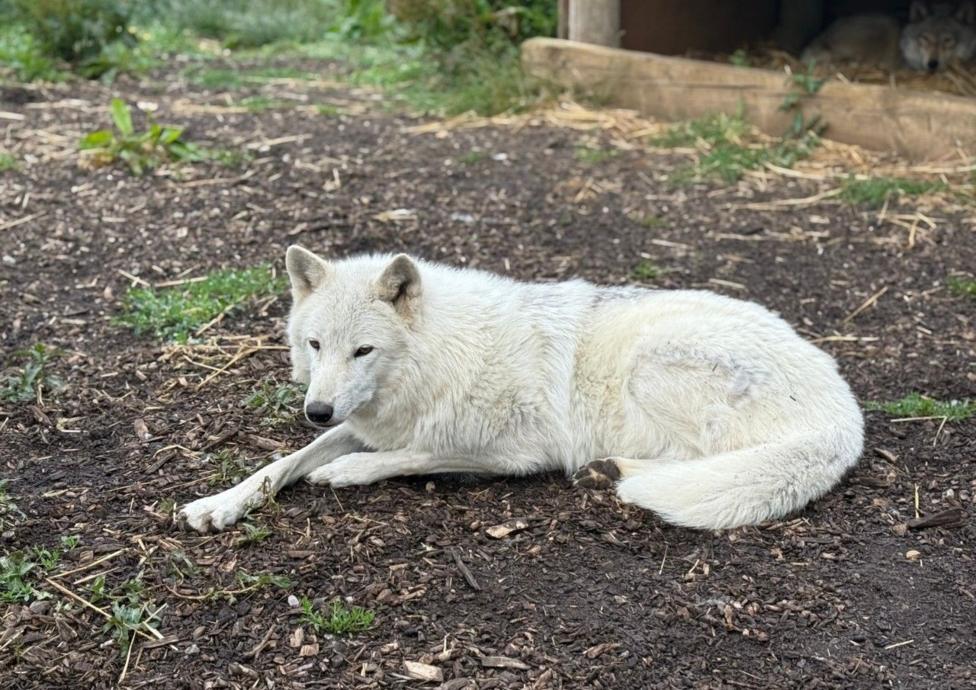
Almost four years on, we are incredibly proud of how far they have come and of the relationships they - and we - have formed here. Their terrible start in life is now behind them, and their future is a positive one.
The sixth wolfdog, the one deemed sufficiently domesticated to be rehomed, is said to be flourishing with its new family.
He goes everywhere with us, is treated so well, sleeps in our bed, and we love him to bits.
The national broadcaster's report also notes that The Little Zoo incurred significant expenses in caring for the animals following their rescue, underlining the scale of rehabilitation required.
What did the court hear about conditions at the property?
Falkirk Sheriff Court was told in March that Scottish SPCA investigators found little clean water available for the wolfdogs, forcing them to drink from a leaking outdoor tap in McQuet's garden — a detail corroborated by the national broadcaster's separate reporting on the case.
One animal died after severing its leg while trapped in a cage and bleeding out. McQuet placed the body in a freezer and disposed of the severed leg in a wheelie bin, where it was later discovered bearing chew marks, indicating it had been gnawed by another animal after death. McQuet repeatedly refused Scottish SPCA officers entry to fully assess the property.
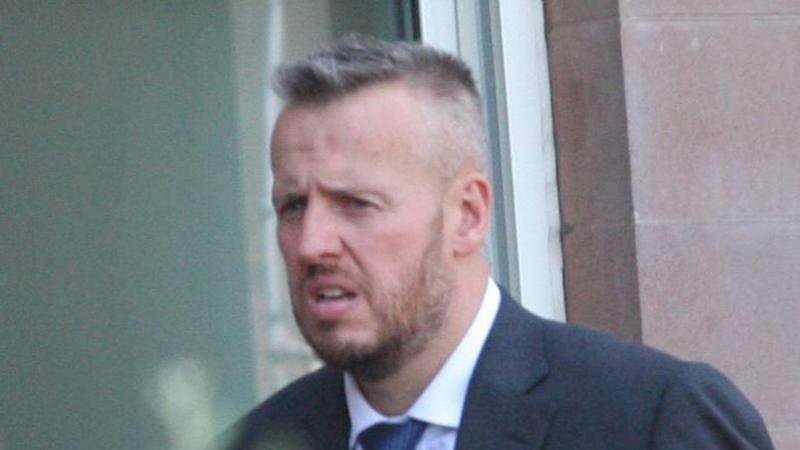
Our earlier coverage detailed how McQuet was banned from keeping animals following the original neglect findings in his Grangemouth garden. The national broadcaster's report additionally notes that McQuet avoided a prison sentence despite the severity of the case, receiving instead the five-year ownership ban.
What is the Scottish SPCA calling for next?
The charity has renewed its call for a national animal offenders register to be incorporated into existing intelligence systems, arguing this would help authorities monitor individuals with previous convictions for animal cruelty and potentially prevent similar cases.
Key Facts
- Graham McQuet was fined £2,000 and banned from keeping animals for five years in March.
- Five wolfdogs now live at The Little Zoo in Wiltshire; a sixth was rehomed as a domesticated pet.
- A separate report states seven wolfdogs were involved, with the neglect occurring between October 2019 and November 2022.
- One wolfdog died after severing its leg in a cage; the animal's body and severed limb were later found improperly discarded.
- The Scottish SPCA is calling for a national animal offenders register.


