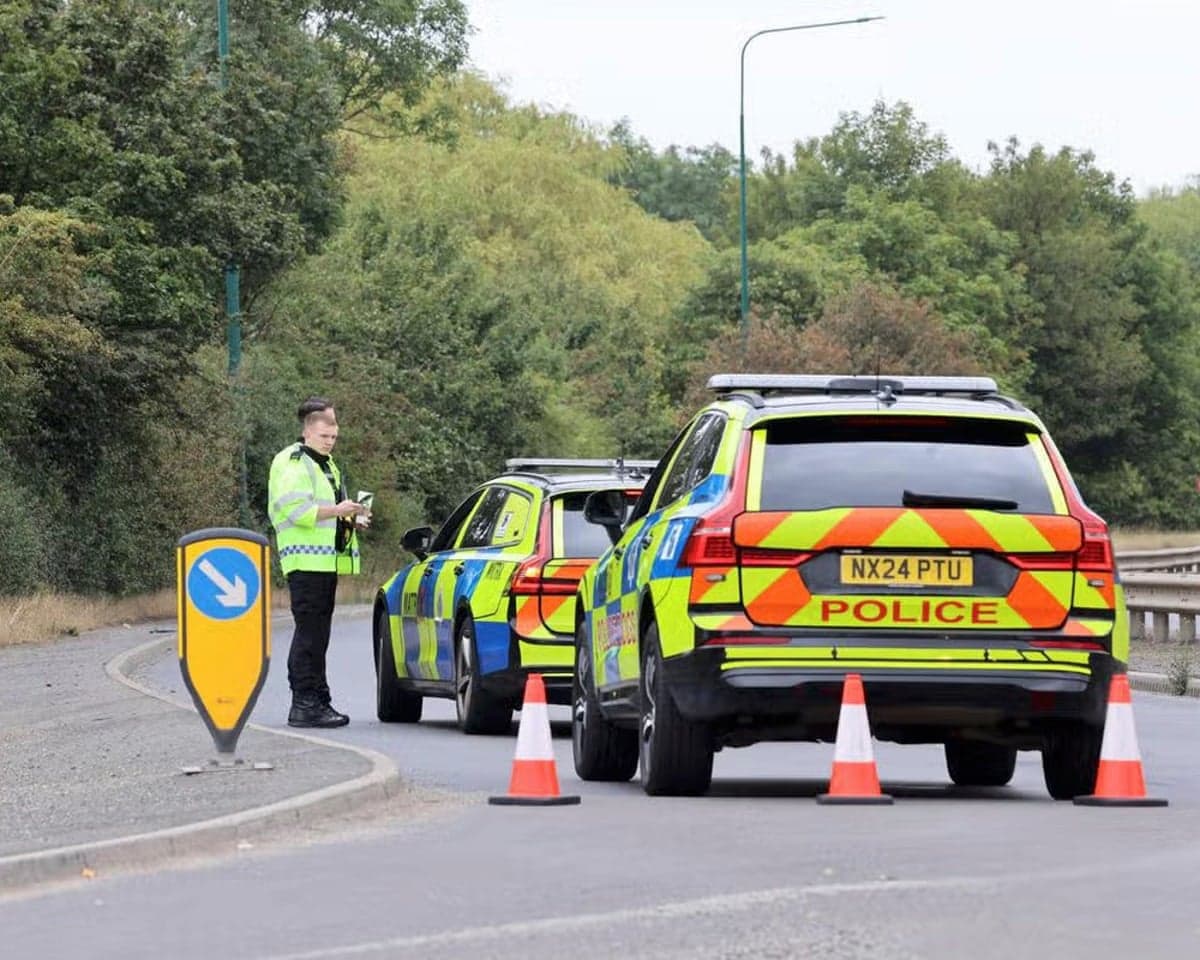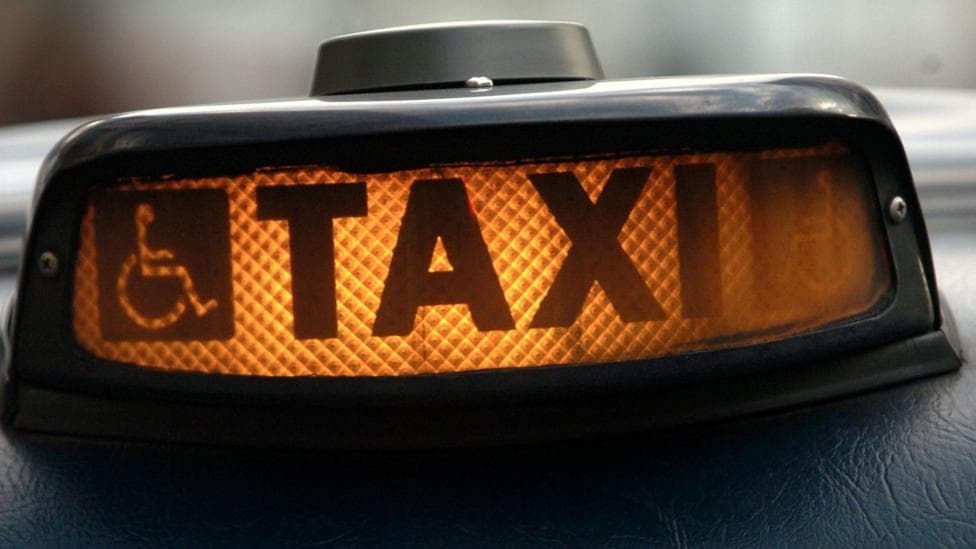
Drivers operating hackney carriages in North Tyneside are pushing the local council to approve an 8% increase in fares, citing mounting pressure from fuel prices and the broader cost of living crisis affecting their business operations.
The North Tyneside Hackney Carriage Association (NTHCA) has formally requested that North Tyneside Council implement the rise, which would result in an average fare of £5.52 for a three-mile journey. The proposal applies only to hackney carriages—vehicles that can be hailed on the street or collected from a taxi rank—and does not affect pre-booked private hire services.
The NTHCA's case rests on two main pillars: the escalating cost of vehicle fuel and the rising expense of replacement parts and maintenance. These operational pressures have intensified significantly for the sector, which has already experienced considerable financial strain. According to local reporting on 21 August 2026, the trade is framing the request as a necessary response to worsening business conditions.
Beyond the headline fare adjustment, the association has also proposed increases to ancillary charges. Fines for car theft would rise from £125 to £130, while charges for transporting dogs and other animals—with the exception of registered service dogs—would increase from £3 to £4.
What are councillors saying about the proposal?
Not all members of North Tyneside Council are convinced by the scale of the increase. Labour councillor John O'Shea has expressed reservations, arguing that the council should pursue a more moderate path that balances the needs of both the taxi trade and residents already struggling with their own financial pressures.
I just don't think we have got the right balance. I notice that the taxi trade has had significant uplifts in fuel and insurance and things like that, so they've been suffering for a little while.

O'Shea acknowledged the genuine difficulties facing drivers but stressed that many North Tyneside residents are equally vulnerable to economic hardship.
I notice that the taxi trade has had significant uplifts in fuel and insurance and things like that, so they've been suffering for a little while.He called for a different approach to the problem.
My suggestion to the director of public health is to look at a balanced arrangement, not the 8% that has been suggested.
Councillors have raised particular concerns about how a substantial fare rise might affect elderly residents in the borough, who often depend on taxi services for essential journeys.
What is the wider context for transport costs?
The North Tyneside request arrives amid a broader pattern of transport fare pressures across the UK. North Tyneside Council's taxi tariff page confirms that an earlier increase in hackney carriage fares took effect on Monday 11 November 2024, meaning this would represent a second significant adjustment in less than two years. Similar fare increase requests have emerged in other parts of England, with Worcester Council approving taxi fare increases amid rising fuel and operational costs, though those changes also faced concerns over reduced demand and broader industry impact.
The taxi sector's cost pressures reflect wider inflationary trends. Fuel prices have been a particular flashpoint for transport operators; fuel price surges have severely impacted UK coach firms and taxi drivers, prompting industry leaders to seek government support. By contrast, other transport modes have received different policy treatment: single bus fares across England will be capped at £2 from January under a £454m scheme, offering passengers in that sector some protection from rising costs.
What happens next?
The fare proposal remains pending approval from the director of public health. Once that sign-off is obtained, the proposal must be made public for a statutory consultation period of at least 14 days, during which residents and other stakeholders can lodge formal objections. The outcome of that consultation process will determine whether the increase proceeds in its current form, is modified, or is rejected entirely.
Key Facts
- The proposed 8% fare increase would bring the average cost of a three-mile hackney carriage journey to £5.52
- The increase applies only to hackney carriages hailed on the street or at taxi ranks, not pre-booked private hire vehicles
- Ancillary charges would also rise, including car theft fines (£125 to £130) and animal transport fees (£3 to £4)
- Councillor John O'Shea has called for a more moderate increase that better balances the needs of drivers and residents
- The proposal requires director of public health approval before entering a mandatory 14-day public consultation period