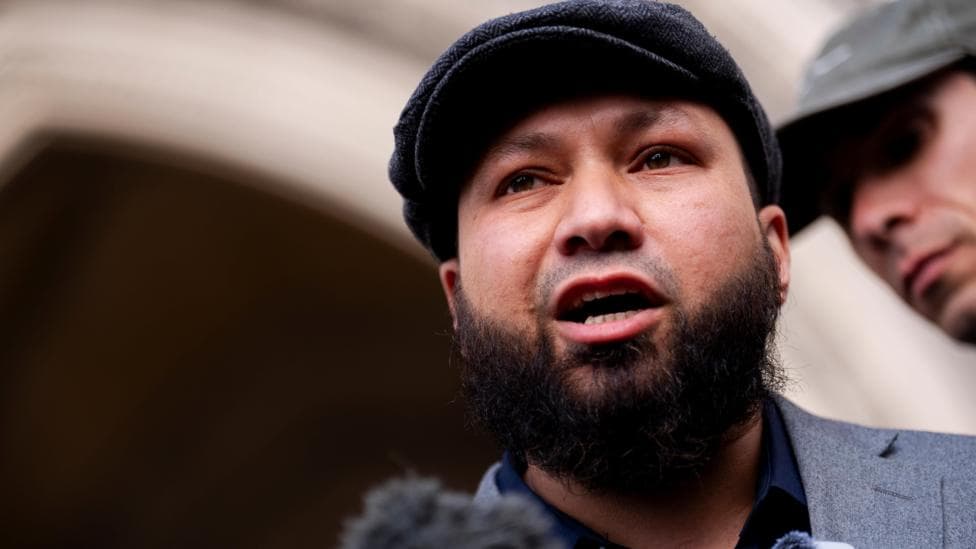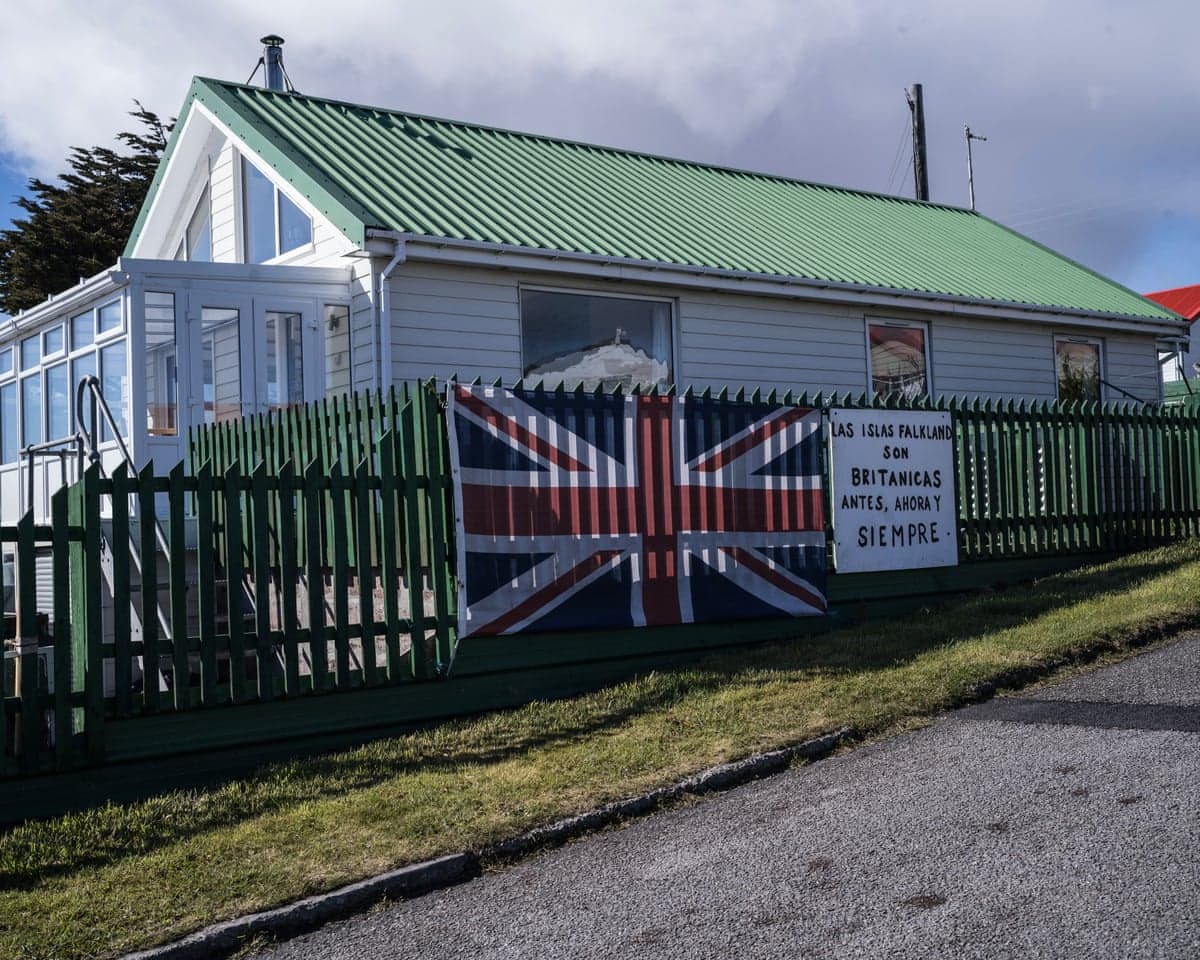
Santiago Caputo, chief adviser to Argentina's president Javier Milei, has used the election of Sagal Abdi-Wali to the UK parliament as evidence of what he characterises as Britain's Islamisation, arguing that Argentina must seize control of the Falkland Islands to prevent regional interference by an Islamic state. Milei amplified Caputo's remarks on social media, intensifying a dispute over the South Atlantic territory that officials say has reached levels unseen since the 1982 war. The intervention marks a significant escalation in Argentina's campaign against British sovereignty over the islands, which lie 300 miles off the South American coast.
Caputo, who has advised Milei since 2021 and is playing a key role in Argentina's Falklands strategy, posted on X that the United Kingdom, once
"the cradle of modern western civilisation,"now posed a threat to the west. He continued:
"Seeing the United Kingdom being colonised by Islam is not only an imminent risk to the cause of the west as a whole, but also a historical tragedy for those of us who defend the ideas of liberty."
Caputo's statement was prompted by a video shared by Argentine commentator Javier Negre showing Abdi-Wali, Labour's newly elected MP for Holborn and St Pancras in London, taking her parliamentary oath on the Koran. Abdi-Wali, a former child refugee from Somalia, won her seat this month, defeating the Green party leader Zack Polanski, and took her place in parliament on Monday. Negre's accompanying commentary claimed:
"Here is a Somali Muslim woman taking her oath of office on the Qur'an in the English parliament. She has taken the seat formerly held by Prime Minister Keir Starmer. Islam is steadily gaining more power in the country."

Why is Argentina escalating its Falklands campaign?
Caputo framed Argentina's claim to the islands as a western cause, writing that
"the strategic geopolitical importance the south Atlantic will assume in the coming decades"meant the region could not be allowed to fall under the influence of what he termed an Islamic state. He concluded:
"Reclaiming the Malvinas is not merely a national cause, it is a cause for the west."Argentina has long sought sovereignty over the territory, which it calls Las Malvinas, and the current government under Milei has intensified pressure through multiple channels.
Milei has sought to criminalise executives involved in the Falkland Islands' emerging oil industry and has threatened to target the fishing sector that underpins the islands' economy. The dispute has now escalated beyond economic measures: according to reporting from a major news agency, Argentina has filed a request with the International Tribunal for the Law of the Sea to halt development of the Sea Lion oil project, a $2.2 billion Israeli-British venture that the UK says lies on the Falklands' continental shelf and is lawfully regulated by the islands' elected government.
How serious is the current tension?
The intensity of Argentina's pressure over the Falklands has reached levels that UK officials say have not been witnessed since the 1982 war, which followed an invasion ordered by then-dictator General Leopoldo Galtieri. Last month, Milei told the United Nations General Assembly that the islands were under
"illegal foreign occupation"and suggested Argentina might
"take matters into our own hands."The 74-day conflict in 1982 resulted in the surrender of Argentine forces and claimed 649 Argentine military lives, 255 British military personnel, and three Falkland Islanders.
This week, UK Labour politician Andy Burnham restated Britain's position that it would respect the wishes of the 3,600 islanders to remain British. The government has also announced its intention to protect the interests of businesses operating in the Falklands. According to reporting from a financial news outlet, UK Foreign Office minister Uma Kumaran stated that the government would engage with the tribunal process and would not tolerate what she described as Argentina's economic coercion of the islanders.
A national broadcaster's investigation revealed that the Foreign Office had contacted Interpol seeking assurance that the law enforcement agency would not respond favourably to requests for the detention of individuals working in the Falklands, reflecting concerns about potential Argentine attempts to target those involved in the islands' economy.
What do islanders want?
The Falkland Islands' population has consistently expressed its preference to remain under British sovereignty. In a 2013 referendum, 99.8 per cent of residents voted to retain the territory's status as a British overseas territory, demonstrating overwhelming support for the current arrangement.
What happens next?
The International Tribunal for the Law of the Sea will now consider Argentina's request for provisional measures to halt the Sea Lion project. According to statements from UK officials, the UK maintains that Argentina's filing does not itself invalidate licences or require oil activity to cease pending the tribunal's decision. The outcome of this legal challenge will likely shape the trajectory of the broader dispute over sovereignty and resource development in the South Atlantic.
Key Facts
- Santiago Caputo, adviser to President Milei, cited the election of a Muslim MP as justification for Argentina reclaiming the Falkland Islands
- Argentina has escalated its campaign by requesting the International Tribunal for the Law of the Sea halt the $2.2 billion Sea Lion oil project
- The 1982 Falklands War between Argentina and Britain lasted 74 days and resulted in over 900 deaths
- In a 2013 referendum, 99.8 per cent of Falkland Islanders voted to remain British
- UK officials say current Argentine pressure over the islands is at its highest level since the 1982 conflict