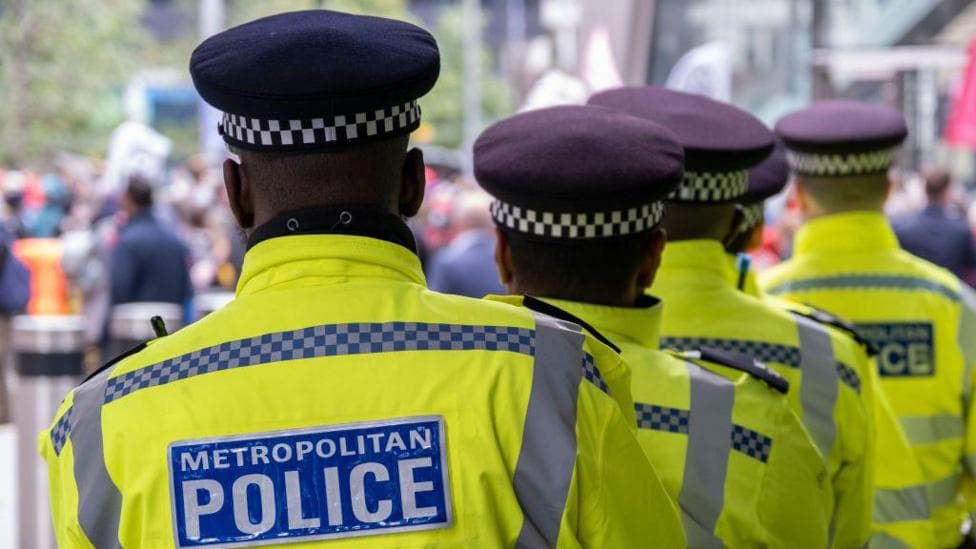
The Metropolitan Police should abandon its approach of criminalising women engaged in street sex work, serving officers have told the BBC, following a series of grave failings exposed by the case of serial offender Simon Levy.
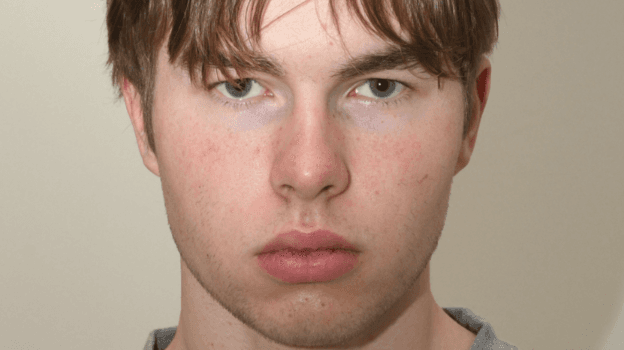
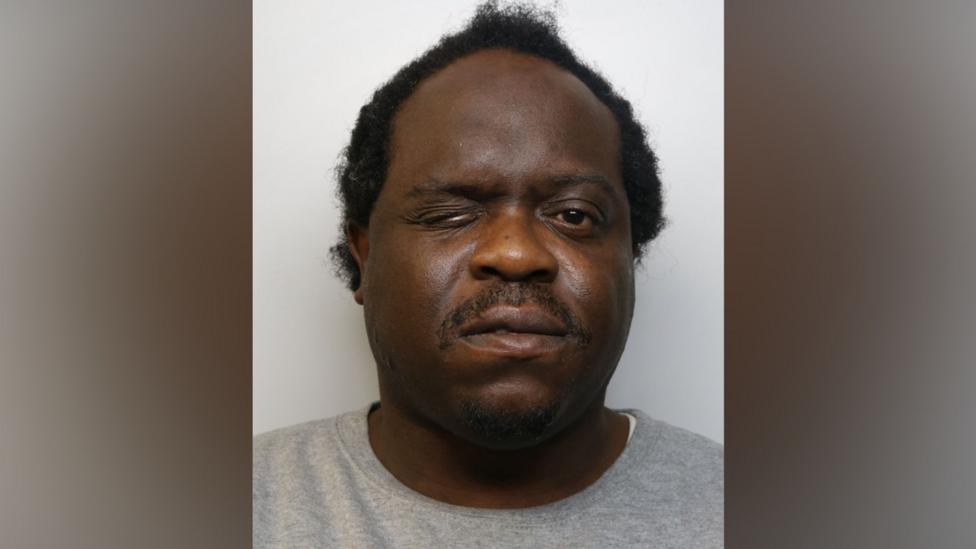
Levy, a registered sex offender, murdered two women and raped another—all of whom were vulnerable and sometimes involved in street-based sex work—due to multiple institutional failures across the police and criminal justice system. On 12 August, Levy was sentenced to a whole-life order, meaning he will never be released. The Met commissioner described the handling of his case as a "whole system failing."
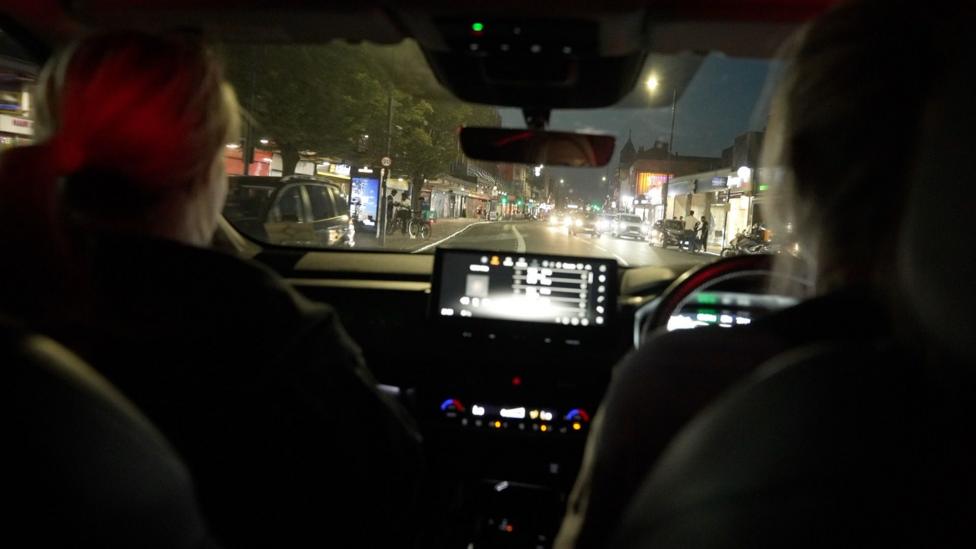
In response, the Met is now piloting a new two-officer female team in north London designed to build trust with street sex workers and encourage them to report crimes perpetrated against them. The initiative represents an acknowledgement that the force's previous strategy had driven vulnerable women away from seeking police protection.
The tension between policing street sex work and protecting those involved has long troubled the force. While sex work itself is legal in the UK (excluding Northern Ireland), related activities—including soliciting for clients in public places, working collectively, brothel keeping, pimping and advertising services—remain illegal. Street sex workers have frequently been targeted by police using anti-social behaviour powers, creating a climate in which many women fear arrest more than they trust officers to investigate violence against them.
How Levy evaded justice despite multiple warnings
Levy, from Tottenham, sexually assaulted women at random on London's public transport network and elsewhere. He now has convictions for attacking 13 women he encountered on the Tube and trains, at music events and even in prison. He also deliberately targeted vulnerable women involved in street sex work.
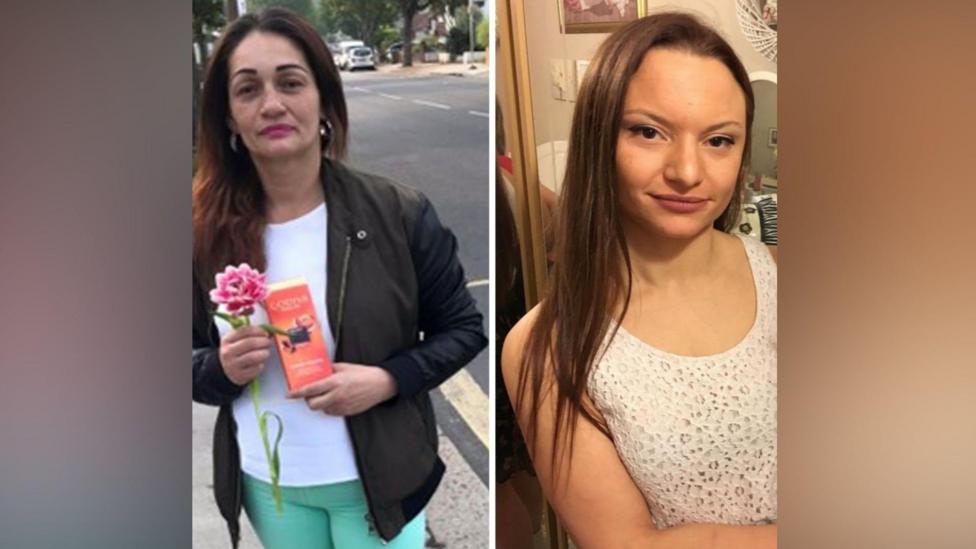
He killed Carmenza Valencia-Trujillo in March 2025 and Sheryl Wilkins five months later. Prior to their murders, Levy had raped a third woman in January 2025. That rape survivor reported the attack to police while being arrested by Met officers for allegedly breaching a community banning order. However, the Met failed to properly engage with her account and eventually closed the rape case without pursuing charges. The case was only reopened after Levy murdered Valencia-Trujillo and Wilkins in the same section of a car park where he had raped the surviving victim.
The rape survivor later stated in a formal account that
"nobody ever listened to me"and that the police officers who interviewed her had treated her
"like a child."The Met and the Crown Prosecution Service have since apologised for a series of decisions that allowed Levy to remain at large.
According to further reporting on the case, the Met did not seek a CPS charging decision over Valencia-Trujillo's death until after Wilkins had been killed. Additionally, two Met officers are under investigation over an August 2024 decision to downgrade Levy's risk rating from high to medium. The Independent Office for Police Conduct is investigating how Levy was managed from his first conviction in September 2021 until his arrest in September 2025.
What is Operation Amicus?
The BBC accompanied the two plain-clothed female officers who operate the Met's new scheme, Operation Amicus. They described encountering endemic levels of male violence against the women they have engaged with, drawn from a cohort of 80 women in the area identified as involved in street-based sex work.
"Every single one has reported something,"one of the officers said,
"whether they've been raped, they've been punched - they've been attacked in some way, shape or form."
The officers, whom the BBC agreed not to name, explained that several women have been too frightened to report abuse to police. Some women
"expect to be raped and sexually assaulted by customers - it's just become the norm, so [they think] what is the point in reporting [it],"according to one officer. The new team is working to help women formally report crimes and to demonstrate that they will be taken seriously.
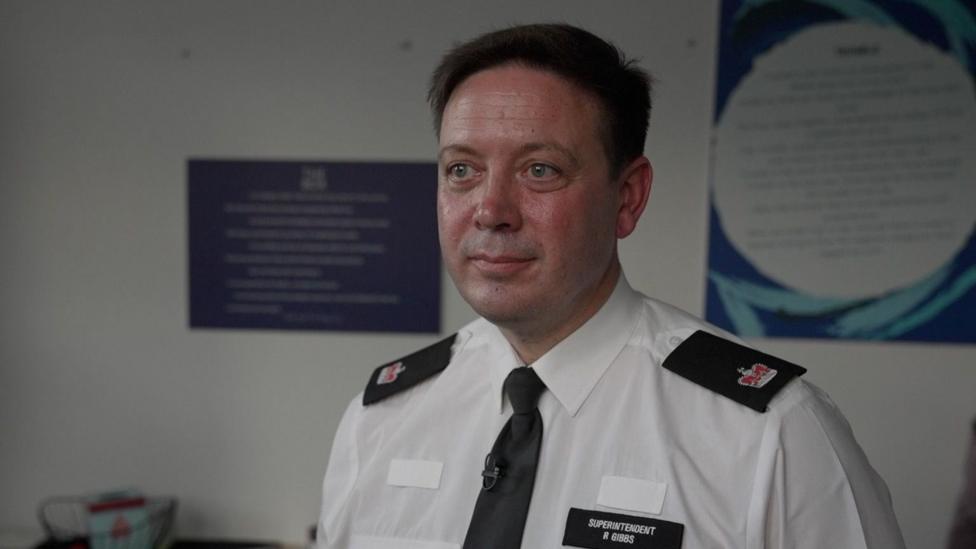
Superintendent Rob Gibbs said the initiative represents
"an acknowledgement that we needed to change the way in which we were working"and move away from criminalising sex work. He noted that
"women get stuck in the criminal justice system"for minor offences, which
"leads to more sex working and actually we need to break that cycle."Gibbs added that women involved in street-based sex work experience violence at the
"most harsh end of violence against women and girls."
How victims describe their fear of police
The BBC met a woman identified as Alice to protect her identity. She described how most women she knows who are homeless and engage in sex work in Tottenham have not reported assaults due to fear of police and potential arrest. Two men attacked her in separate incidents during the year, including one who violently assaulted her after she refused his money and declined to provide sexual services.
"I was scared to contact the police,"Alice said.
"When I went to the hospital I begged the doctors, 'please don't phone the police because I'll get arrested'."
Alice first encountered the Met's female sex-worker liaison team after being attacked by another man while asleep in a lift to her mother's apartment.
"They came and said, 'look, we're not here to arrest you, get you in trouble, we're here to support you',"she recalled.
What impact has the new team had?
The Met reports that the new team has already improved safeguarding and increased reports of rape and sexual offences. The force also states that the initiative has improved information sharing to identify
"the most dangerous perpetrators of violence against women and girls."
However, the English Collective of Prostitutes (ECP), which advocates for decriminalisation of sex workers, has raised concerns based on historical patterns. Laura Watson, a caseworker for the ECP, noted that previous police clear-up operations targeting organised crime in London and across the country have resulted in a longstanding pattern of police prioritising prosecution of sex workers rather than investigating male violence against them.
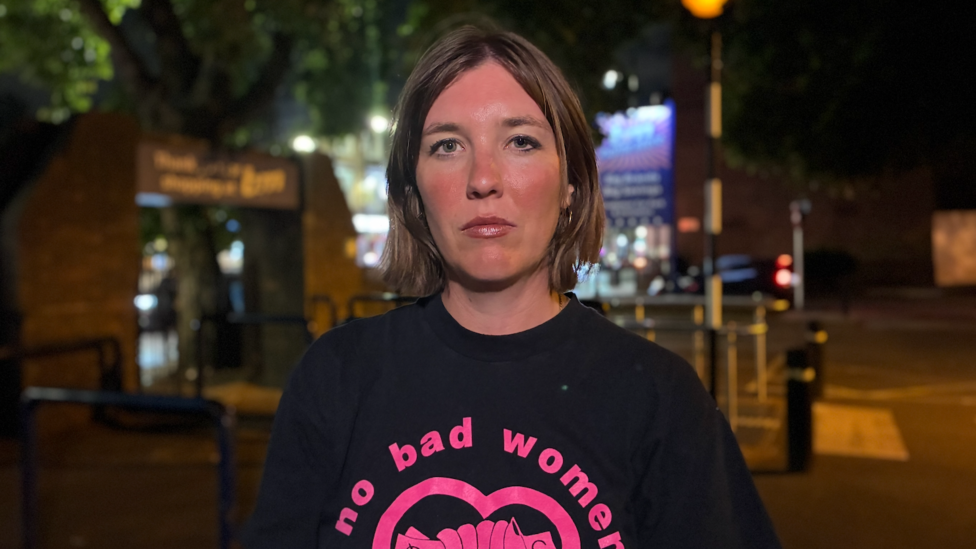
Watson described a
"very intense and aggressive police crackdown"in north London that had led to
"quite aggressive arrests of women"in Enfield and Haringey. She explained that
"in some cases, closure zones and antisocial behaviour orders which banned women from entire areas in some cases"resulted in
"mass criminalisation because women were breaching those orders."Watson added that
"women really describe absolute terror from the police, running up and down the road, running away from the police."She emphasised that most street sex workers are
"mothers working to feed themselves and their children."
What do experts say about liaison teams?
Professor Kate Brown from the University of York, whose research examines policing interventions with sex workers, cautioned that creating such teams is not automatically a solution.
"Our research shows that sex work liaison officers can make a real difference to safety and access to justice, but only when they are designed and delivered in the right way,"she said. Her research centre is collaborating with 12 police forces out of 43 in England and Wales to safely implement sex worker liaison teams.
However, Brown stressed that these teams
"cannot fix a system that continues to police and criminalise sex workers"and that
"decriminalisation is the best way to deliver safety and justice"for them. The Met has stated that if the team proves
"successful in improving confidence within the community,"the approach would be
"rolled out across the force."
A Home Office spokesperson said:
"Our commitment to halving violence against women and girls within a decade includes tackling the serious exploitation and abuse associated with prostitution. We expect the police to treat all victims of offences with dignity, and every investigation to be conducted thoroughly. We also continue to work with NGOs and charities to ensure women and girls at risk of sexual exploitation are protected."
What happens next?
The Independent Office for Police Conduct investigation into Levy's case remains ongoing. The inquiry is examining whether action could have prevented his reoffending and whether officers followed relevant policies, procedures and training. British Transport Police has already acknowledged failings in its handling of investigations into Levy's transport-related assaults; two officers were moved to other roles as a result.
Key Facts:
- Simon Levy was sentenced to a whole-life order on 12 August for murdering Carmenza Valencia-Trujillo and Sheryl Wilkins and raping a third woman, all of whom were vulnerable and sometimes involved in street sex work.
- The Met is piloting Operation Amicus, a two-officer female team in north London, to build trust with street sex workers and encourage crime reporting.
- A rape survivor told police about her attack while being arrested for breaching a community banning order; the Met closed the case without pursuing charges, only reopening it after Levy's murders.
- The English Collective of Prostitutes warns that previous police crackdowns have prioritised prosecuting sex workers over investigating male violence against them.
- Experts argue that liaison teams can improve safety only when properly designed, and that decriminalisation offers the best path to justice for sex workers.