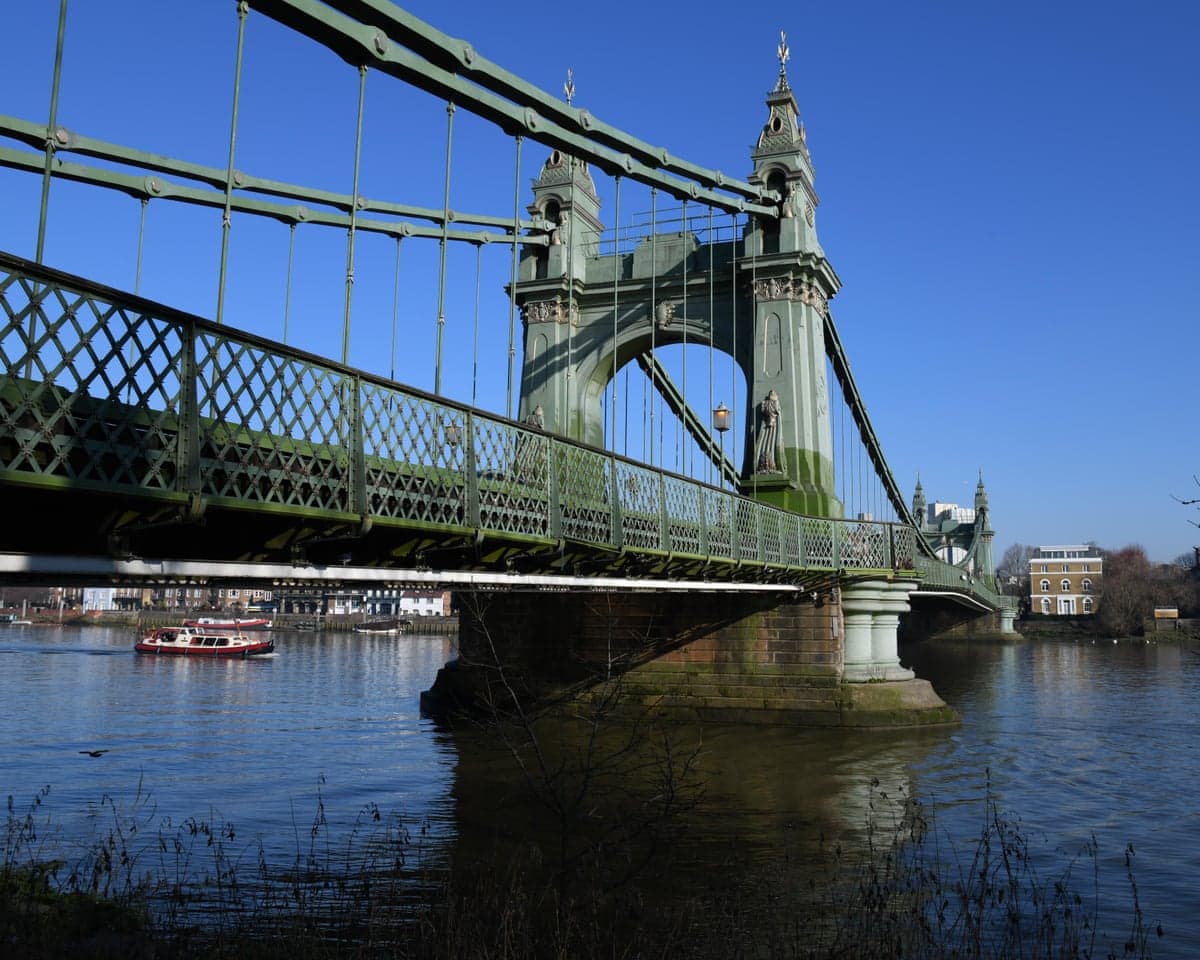
Readers have responded to Simon Jenkins's proposal to replace Hammersmith Bridge with a new structure that would restore motor traffic, offering contrasting views on how the Grade II* listed crossing should be repaired and used. According to The Guardian, the debate centres on whether the bridge should be rebuilt to accommodate vehicles or maintained as a pedestrian and cycling route.
Dr Richard Carter of Putney argues that Jenkins's position contradicts his own record as a defender of national heritage. Carter contends that reopening the bridge to motor traffic would serve little purpose, given that between 12,000 and 15,000 people already use it daily on foot and by bicycle. He points out that more than half of households in Hammersmith and Fulham lack car access, and the area benefits from strong public transport connections. Carter also notes that the environmental and health costs of increased motor traffic—particularly air pollution—should push policy toward reducing car dependency rather than accommodating more vehicles.
Carter references a proposal from the Barnes Hammersmith Electric Light Transit group to deploy driverless electric pod vehicles for those unable to walk across the bridge. He emphasises that the cost of replacing a listed structure would be enormous and questions whether any credible business case exists for spending such sums merely to enable additional car journeys.
What does the council's current plan involve?
Hammersmith and Fulham Council has moved away from full restoration for motor traffic. According to BBC News, the council has shelved plans to restore the bridge for motor vehicles, citing an estimated £300 million cost, and is instead pursuing a phased repair proposal. Construction Magazine reports that a £128.05 million phased-repair funding bid would prioritise critical structural elements while keeping the bridge available to pedestrians, cyclists and river traffic. The council's bid seeks £120.35 million from the Department for Transport, with £4.5 million identified as a local-authority contribution and £3.2 million from another source.
Repair work beneath the bridge has begun, with navigation restrictions in place from 5 October to 2 December 2026. A contract for the next stage of works is planned for award in spring 2027, with that stage expected to take approximately three years.
Why has the bridge been closed to traffic?
The bridge was closed to motor traffic in April 2019 after micro-fractures were discovered in its cast-iron pedestals. A heatwave-related increase in a fracture led to its full closure in August 2020. A 2021 funding settlement envisaged the council, Transport for London (TfL) and the Department for Transport each paying a third of the costs, but the rising estimate for full restoration has complicated that arrangement. The council says it is owed £22.9 million toward costs already incurred: £16.51 million from TfL and £6.42 million from the Department for Transport, though TfL disputes responsibility for cost overruns.
What arguments support keeping the bridge traffic-free?
Charles Campion, chair of Barnes Hammersmith Electric Light Transit, disputes Jenkins's claim that a growing body of opinion favours replacement. Campion states that the settled local preference has moved toward building on the bridge's success as an active travel crossing. He notes that thanks to £55 million of investment by the council, the bridge has found a successful new purpose, with 15,000 people daily walking and wheeling across its reopened main carriageway.
Campion highlights that traffic on neighbouring bridges and the wider road network is down compared with before the bridge closed to motor vehicles, while Barnes's local economy is booming, aided by the electric bike revolution. He argues there is no credible business case for spending hundreds of millions to bring back polluting, dangerous and exclusionary through traffic. With the mayor targeting a 27 percent reduction in car traffic by 2030, Campion contends the priority must be to build on the bridge's success as a pedestrian and cycling route, not undo it.
Community-led Barnes Hammersmith Electric Light Transit is working with Ohmio UK and partners to deliver a vision of lightweight, autonomous electric shuttles to fill the public transport gap and ensure all residents can cross comfortably and safely.
What is the case for restoring motor traffic?
Julian Heddy of East Sheen argues that London authorities have failed to replace the bridge over seven years, a situation he contends no other European capital would tolerate. He asserts that the closure has created permanent traffic chaos along the Upper Richmond Road and severe congestion on Putney High Street during rush hour. Heddy criticises what he calls the British obsession with heritage projects, suggesting that a temporary bridge capable of carrying traffic could have been built years ago. He contends that citizens are obliged to walk or pedal across the bridge for the sake of what he describes as misplaced nostalgia for Victorian engineering.
What is the City Bridge Foundation's role?
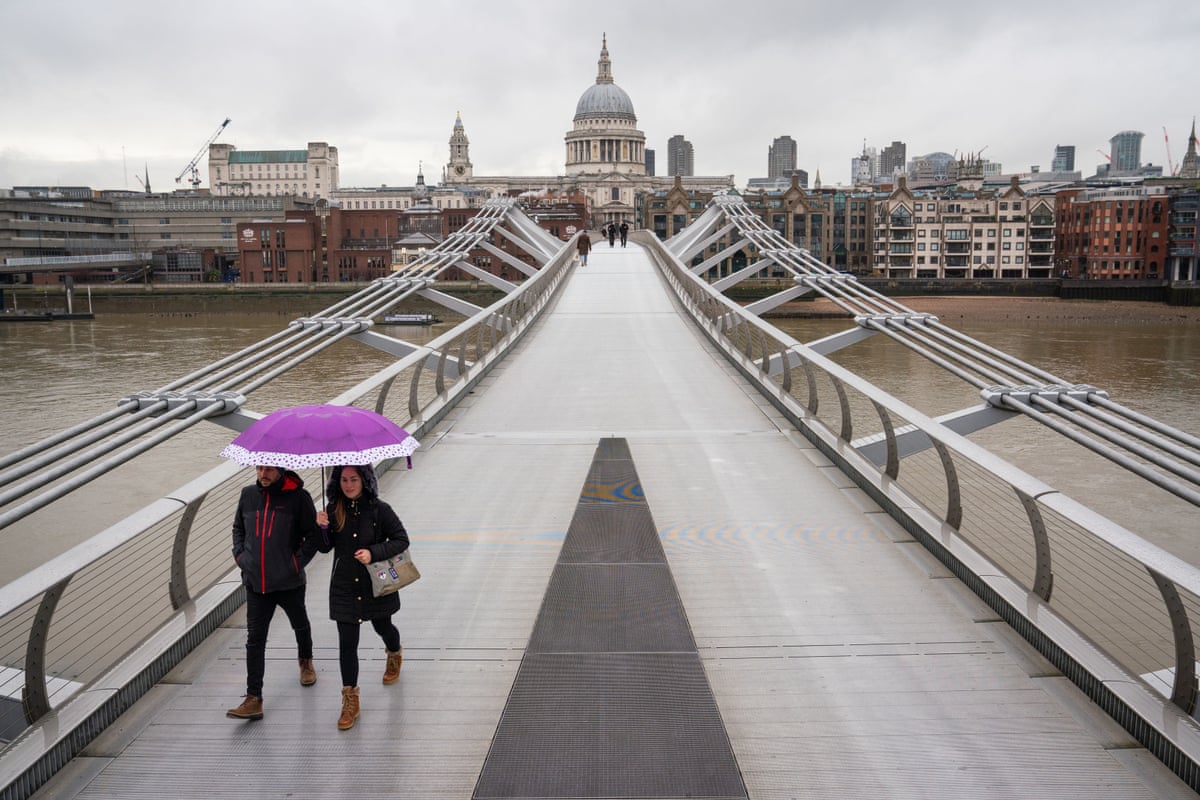
Paul Martinelli, chairman of the City Bridge Foundation, clarifies his organisation's position and responsibilities. The foundation maintains five Thames bridges—Tower, London, Southwark, Millennium and Blackfriars—spanning centuries of engineering history. Their upkeep requires sustained investment, demonstrated by the current £15 million Blackfriars Bridge refurbishment, which involves repairing more than 2,000 cast-iron balusters and repainting the entire structure.
Martinelli explains that the foundation's endowment exists to meet these responsibilities in perpetuity and is not a general fund for London's infrastructure. While the foundation makes grants to charities tackling inequality and disadvantage across London where funds are available, these are made for charitable purposes and governed by legal and regulatory arrangements. The foundation cannot redirect these funds to pay for the restoration or replacement of a bridge outside its remit. Martinelli acknowledges the importance of London's bridges to those who rely on them daily but notes that other Thames crossings are the responsibility of other organisations.
What happens next?
The Department for Transport's autumn 2026 decision on the Structures Fund represents the next funding milestone for the phased repair proposal. Successful schemes must be completed by 31 March 2030. The outcome of this funding decision will determine whether the council's £128.05 million phased-repair bid proceeds and at what pace the next stage of structural work can begin.