

Glasgow City Council is preparing to introduce a new pay and grading structure that would leave roughly 11% of its workforce worse off financially, even as the move is designed to finally resolve a long-running equal pay dispute. Unions warn that some staff could lose as much as £10,000 a year under the plan, while the council says nearly two-thirds of employees stand to gain. Councillors are due to vote on the proposals this week, with a wider committee decision now scheduled for later in the year.
The dispute dates back to a workforce pay review introduced in 2006, when women in roles such as cleaning and catering were found to have been paid up to £3 an hour less than staff in male-dominated jobs like refuse collection. The council previously paid out around £770m to settle claims linked to that discrepancy.
What is changing under the new pay structure?
The council has completed a job evaluation exercise that scored every role and slotted each into one of 12 pay grades, forming the basis of new terms and conditions due to be phased in from 4 April 2026. According to the council, about 63% of its roughly 24,000 staff would see their pay improve, 26% would notice little or no change, and 11% would see a reduction.
Where the new grading would leave staff earning above the maximum of their assigned grade — cases the council calls "red circles" — pay protection will apply for six months, meaning the reduced salary would not actually take effect until October 2027.
The council leader, Susan Aitken, described the process behind the proposals as demanding, saying:
"very conscious that while this process is the end of a decades-long fight for equality for many of our staff, a smaller number are going to find it difficult."
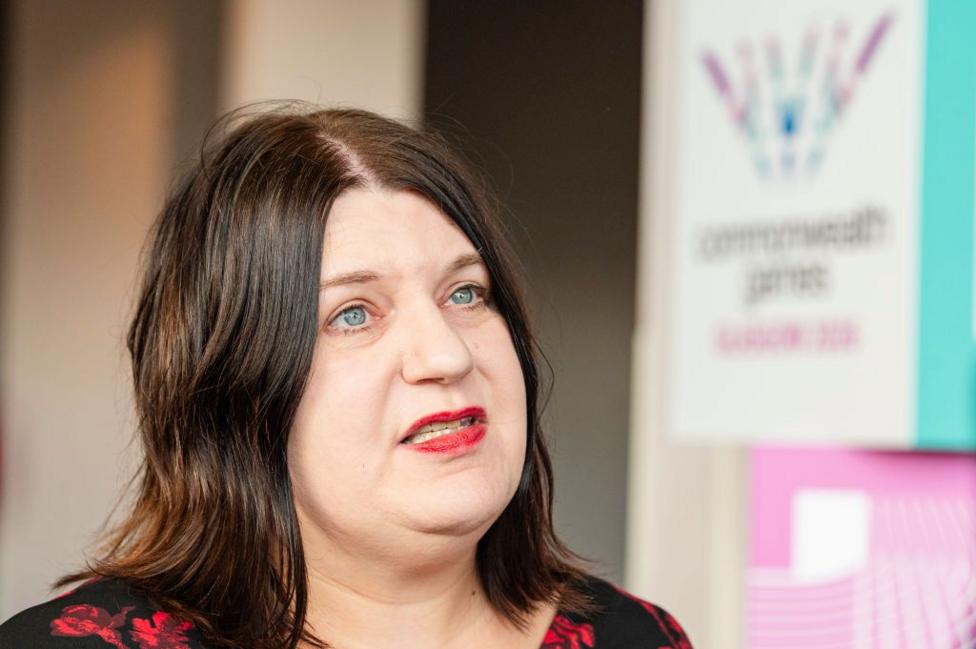
She acknowledged the toll this would take on some workers, adding that the changes were nonetheless necessary to close the pay gap permanently:
"a very real and very personal impact"
Why are unions objecting to the plan?
A joint response from several trade unions cautioned that the losses facing certain staff would be severe, stating:
"The scale of losses for certain groups of workers is unacceptable."
The unions said women make up 60% of those in the "red circle" group facing pay cuts, and that some employees stand to lose more than £10,000 annually. They also argued that most of those affected are already in lower-paid council jobs. Beyond the scale of the cuts, the unions raised objections to the phased rollout of the scheme and to the proposed rates for overtime pay, saying they were "firmly opposed" to both elements as currently drafted.

The council has said it will "explore every possible mitigation" for employees who lose out financially, though it has not detailed what specific measures that might involve.
How did the dispute originally arise?
The roots of the case lie in the Workforce Pay and Benefits Review brought in during 2006 under a Labour-led administration. In 2017, two rulings by the Court of Session found that elements of that review had discriminated against women workers by systematically undervaluing female-dominated roles.
By January 2018, with the council then under SNP control, the authority announced it would negotiate a settlement covering thousands of equal pay claims stemming from the pay gap. Delays in reaching that settlement triggered strike action by thousands of council workers later that year. By 2022, around 19,000 cases had been resolved, with the council paying out £770m to cover the gap between the initial 2018 agreement and the eventual rollout of a new pay and grading system.
Reflecting on that period, Aitken said the scale of the challenge was unlike anything the council had previously undertaken:
"This has been one of the most complex and challenging projects this or any other council has ever embarked on – and I'm incredibly grateful, not only for all of the hard work that has gone into getting us to this point, but for the resilience and the patience that so many of our women have shown over a number of years."
"It hasn't been an easy road and it has taken longer than any of us would have liked, but this is their moment."
She also said she had inherited a council leadership that had previously tried to avoid confronting the issue directly, warning that continuing to delay a negotiated settlement would have carried severe consequences:
"the consequences of not stepping forward to negotiate in good faith would have been catastrophic."
What does the wider audit process show?
According to the Accounts Commission, pay modelling covering roughly 19,000 individuals began in early 2026, alongside separate data-gathering for around 1,300 employees whose roles are considered unique within the council structure, as detailed in a watchdog report. The same report notes that a Memorandum of Understanding signed in May 2023 means no fresh equal pay claims against the council will be pursued until 2027, and that the council has committed to implementing the new structure from April 2027 at the latest, before further liabilities could arise.
A council update from Glasgow Life, published on 24 June 2026, said more than 19,000 colleagues would be matched to appropriate roles during the ongoing "matching phase" of the programme, according to the council's own briefing. That update also indicated that consultations with trade unions were well advanced, with a formal recommendation expected to go before councillors later in the summer.
What happens next?
Councillors are set to vote on the proposed scheme at a meeting this Thursday, and if approved, trade union members will then be balloted on whether to accept the terms. Separately, the equal pay programme is scheduled to return to the City Administration Committee on 20 August 2026 for further consideration of the pay and grading structure, according to the council's committee agenda. The council's current target remains implementation of the new system in April 2027, alongside plans to introduce a revised system of allowances and a standardised approach to public holidays across the workforce.
Key Facts
- Around 24,000 council workers would move to new terms and conditions, with 11% facing pay cuts, 63% gaining and 26% seeing little change.
- Unions say some employees in the affected group could lose more than £10,000 a year, with women making up 60% of that group.
- The council previously paid roughly £770m to settle equal pay claims tied to a 2006 pay review.
- A committee vote on the new structure is scheduled for 20 August 2026, with implementation targeted for April 2027.
- A 2023 agreement means no new equal pay claims will be pursued against the council until 2027.


