Eritrea, an east African nation, confronts potential visa penalties from the United Kingdom following its decision to halt cooperation on the deportation of rejected asylum seekers and individuals convicted of crimes. The country is widely regarded as one of the world's most secretive and repressive states, characterised by arbitrary detention and stringent limitations on freedom of expression, opinion and religious practice.
Positioned in the Horn of Africa and sharing borders with Sudan, Ethiopia and Djibouti, Eritrea achieved statehood after breaking away from Ethiopia in 1993 following a three-decade armed conflict. The nation remains under authoritarian rule by Isaias Afwerki, who commanded separatist forces to victory against Ethiopian troops in 1991 and assumed the presidency upon independence.
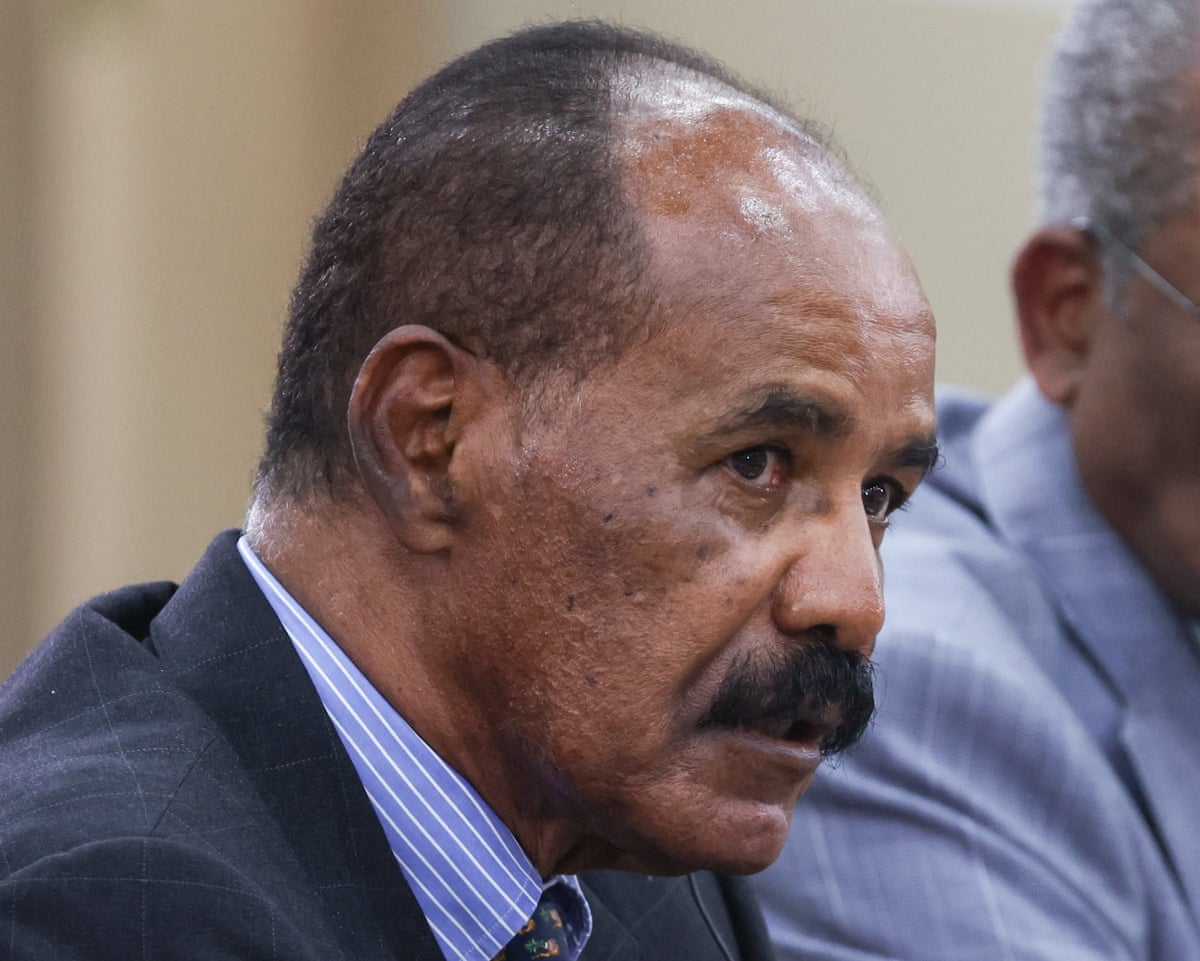
Since taking office, Afwerki has maintained continuous leadership and serves as head of the People's Front for Democracy and Justice, Eritrea's sole authorised political organisation. The country has never conducted a national election throughout its independent existence—a span now exceeding three decades. Although a constitution received approval from the constituent assembly in 1997, implementation has remained stalled for nearly 30 years.
Why has Eritrea become a focus of UK policy?
Eritreans represented the largest single nationality arriving by small boat to the United Kingdom during the 12 months ending June 2026. According to House of Commons Library data, they accounted for 18% of all small-boat arrivals during that period. Earlier in 2026, Eritrea abruptly terminated its arrangement with the UK concerning the acceptance of deportees. In response, Home Secretary Shabana Mahmood announced on Thursday that all Eritreans would face visa restrictions unless the government agreed to receive more rejected asylum seekers and convicted offenders.
The scale of the returns challenge remains significant. According to available figures, just over 100 Eritrean rejected asylum seekers were deported, representing fewer than 4% of the 2,626 Eritreans whose asylum applications were rejected over the preceding four years. From 15 October, the UK implemented initial measures: Eritrean officials and VIPs lost access to expedited visa processing, and Eritrean diplomats now require authorisation to travel beyond 60 kilometres from London.
What is Eritrea's political system?
Eritrea operates under a system that permits no meaningful democratic participation. The government dissolved all independent newspapers in 2001 following publication of an open letter by senior ruling party figures demanding constitutional implementation and the holding of elections. Since that crackdown, the state has maintained strict control over all media outlets and public discourse.
How does Eritrea's military conscription system function?
The nation maintains a heavily militarised structure centred on compulsory national service. Students must attend a military training facility during their final year of secondary education, where they receive military instruction and political indoctrination before assignment to either military units or civilian national service positions. These assignments frequently extend for many years, sometimes spanning decades.
The combination of repressive governance and indefinite military conscription has driven substantial emigration. Approximately one-third of the Eritrean-born population now resides outside the country, having fled to escape severe penalties for military evasion, desertion or escape.
What is Eritrea's economic approach?
The nation has constructed its political, economic and social framework around a doctrine of self-reliance, deliberately refusing international development assistance. This isolationist stance has shaped the country's relationship with the global community and limited external influence over its internal policies.
What is significant about Eritrea's capital and geography?
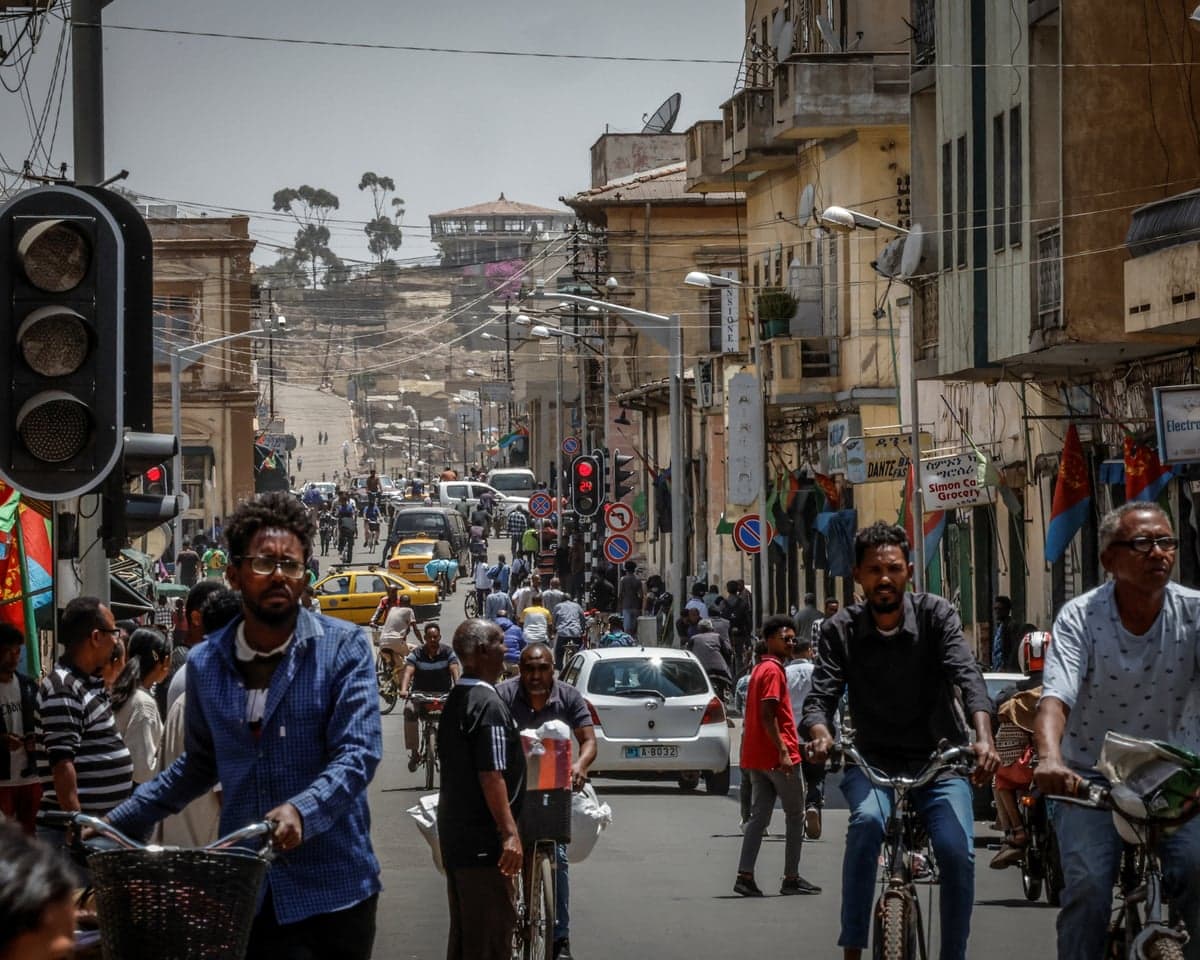
Asmara, the capital, was designated a world heritage site in 2017. The United Nations Educational, Scientific and Cultural Organisation recognised it as "an exceptional example of early modernist urbanism at the beginning of the 20th century and its application in an African context." The city retains architectural features from the Italian colonial period and the early-to-mid twentieth century, reflecting its history as an Italian colony.
Eritrea's extensive Red Sea coastline, stretching 1,388 miles, grants it a strategically important position along the Red Sea corridor. The population is predominantly composed of the Tigrinya ethnic group, though the nation encompasses multiple ethnic communities.
What is the current situation with Ethiopia?
Eritrea has attracted heightened international attention in recent weeks due to escalating tensions with Ethiopia. The two nations have exchanged accusations of military aggression. Ethiopia has asserted that Eritrean troops advanced up to 60 kilometres into Ethiopia's northern Tigray region, a claim Eritrea characterises as fabricated to manufacture justification for armed conflict.
The tension stems from ongoing hostilities between Ethiopian government forces and the Tigray People's Liberation Front, an armed opposition movement operating in Tigray, which shares a border with Eritrea. Ethiopia has alleged that Eritrea provides military support to the TPLF, an assertion Eritrea has categorically rejected. On Tuesday, Ethiopian forces captured Zalambessa, a border town that had been held by Tigrayan rebel forces.
What happens next in the UK visa dispute?
The Home Office stated it had invested months in attempting to resolve the returns disagreement through private channels before announcing the restrictions. The UK government has indicated that Eritrea must demonstrate rapid improvement in cooperation on deportations or risk a complete visa suspension. However, no specific deadline for that final decision has been made public. The government has not announced a deadline for determining whether to proceed with a total visa shutdown.
This escalation follows a November 2025 announcement in which the Home Office signalled its readiness to suspend visa access for countries declining to cooperate with the return of their nationals.