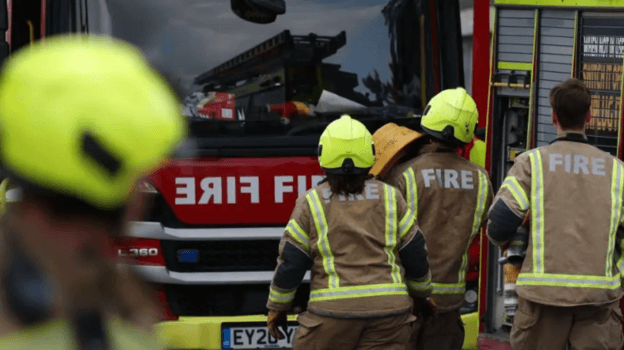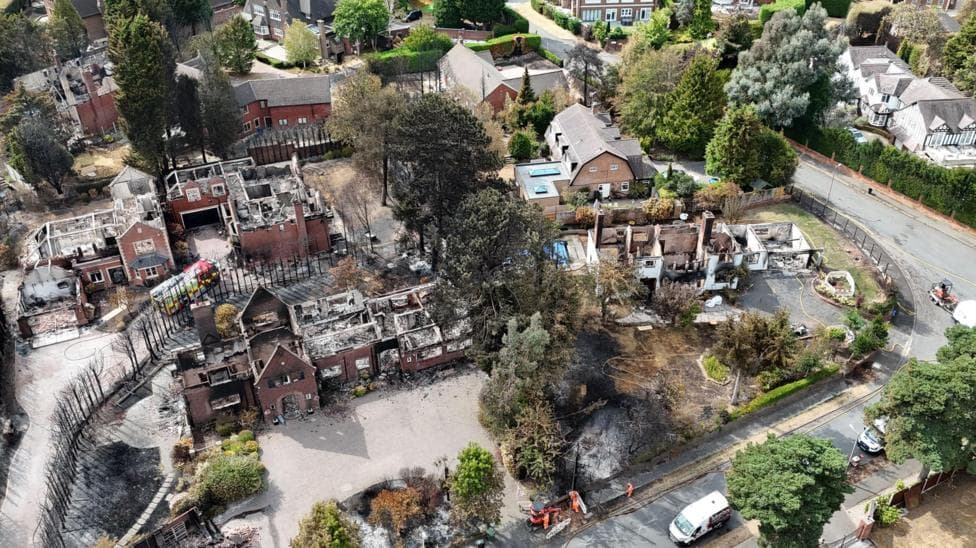
A succession of major wildfires swept across the West Midlands on 13 August 2026, the hottest day of the year, destroying dozens of homes and forcing emergency call handlers to redirect thousands of reports to services more than 100 miles away. The scale of the crisis exposed critical gaps in firefighting resources and sparked urgent calls for government intervention to prevent similar catastrophes.
When Michael Morgan saw flames advancing along a road in Stourbridge, he pulled over to dial 999. To his astonishment, his call was answered not by local firefighters but by staff from London Fire Brigade, operating from their control room in the capital. As the emergency unfolded across the region on 13 August, the sheer volume of incoming calls—more than 1,100 in a single day according to West Midlands Fire Service—forced the service to activate mutual aid agreements with neighbouring brigades. In total, London Fire Brigade fielded 754 calls in support of West Midlands Fire Service and Staffordshire Fire Service as part of national arrangements.
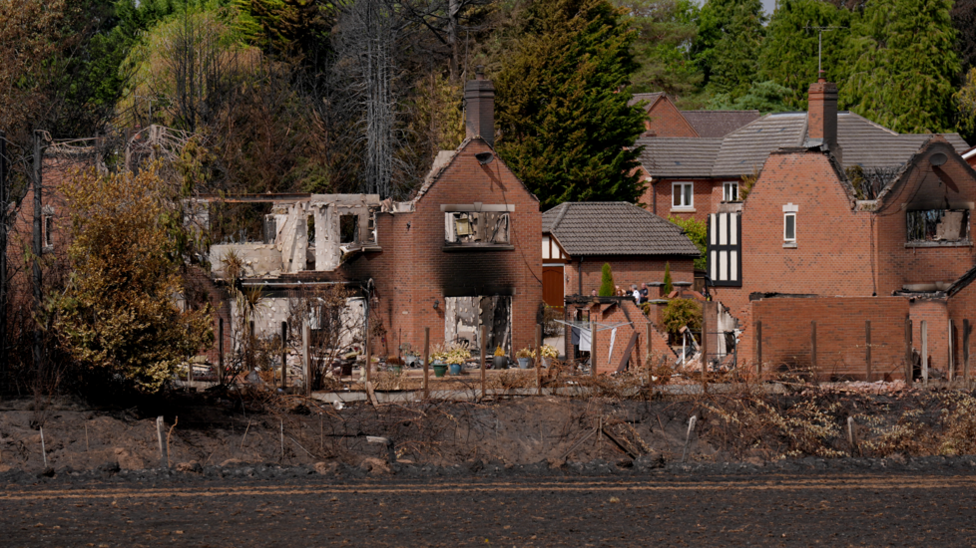
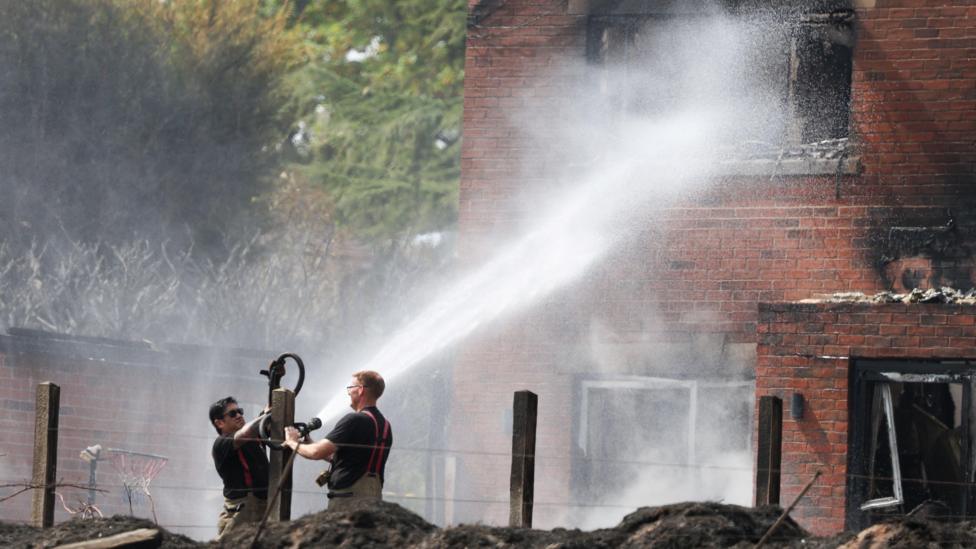
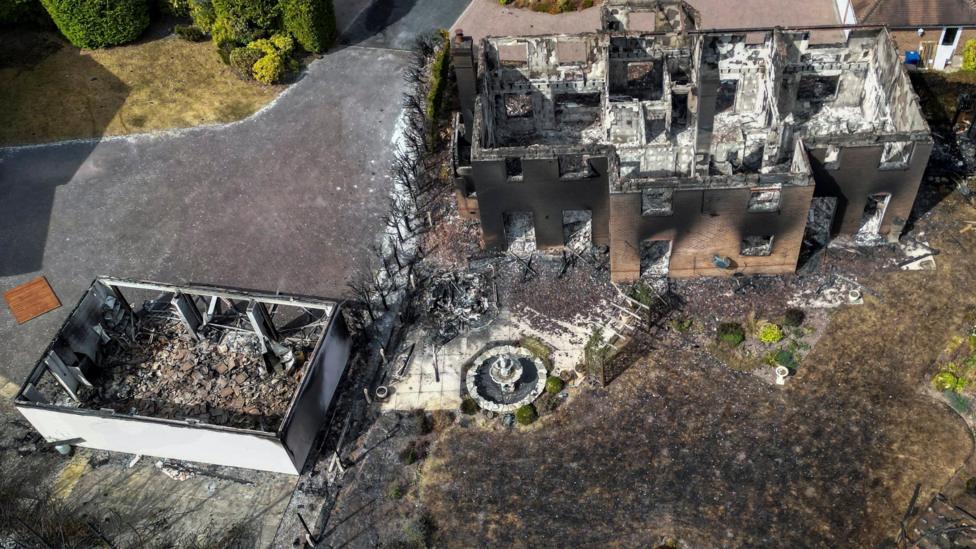
The Stourbridge wildfire proved particularly devastating. Nineteen homes were completely destroyed and another 18 damaged in the blaze, which tore through the town during record-breaking heat. Across the wider region, the damage extended far beyond Stourbridge: approximately a dozen homes were lost in Birmingham, four in Stoke-on-Trent, three in Pershore, Worcestershire, and three in Willenhall, near Wolverhampton. The West Midlands ambulance service treated 68 people for injuries, with 25 requiring hospitalisation.
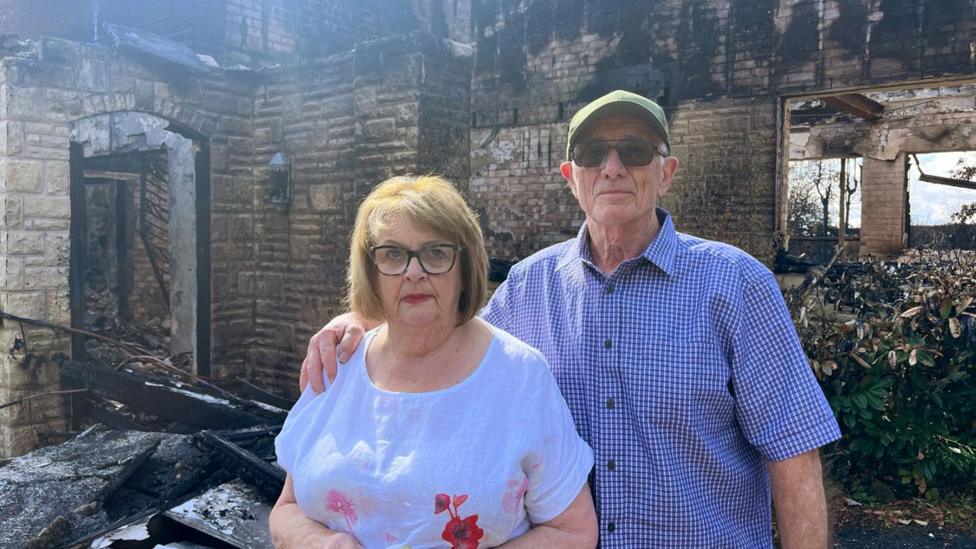
Loxie and Robin Williams, who lost their home of 26 years in Stourbridge, struggled to articulate the scale of their loss. For many residents, the experience was traumatic and sudden. One firefighter with 23 years of service told colleagues he had never witnessed anything comparable in his career, describing it as miraculous that no lives were lost.
We have not stopped - no food, no rest, it's onto the next [fire],he recounted, capturing the relentless pressure crews faced throughout the day.
West Midlands Fire Service's chief fire officer, Simon Tuhill, acknowledged the unprecedented nature of the crisis in an open letter.
For hours on end, our people responded to multiple major fires simultaneously,he wrote.
I have heard countless accounts of the physical and emotional toll on our crews, control staff and many of our partners.The service later confirmed that the Stourbridge fire had been brought under control, though investigations into the cause remained ongoing.
What caused the fires?
The causes of most wildfires remain under investigation, though authorities confirmed that a disposable barbecue sparked the blaze in Stoke-on-Trent. The tinder-dry conditions across the drought-affected West Midlands created ideal circumstances for rapid fire spread. In response to the crisis, the government temporarily banned the sale of disposable barbecues on the same day as the fires.
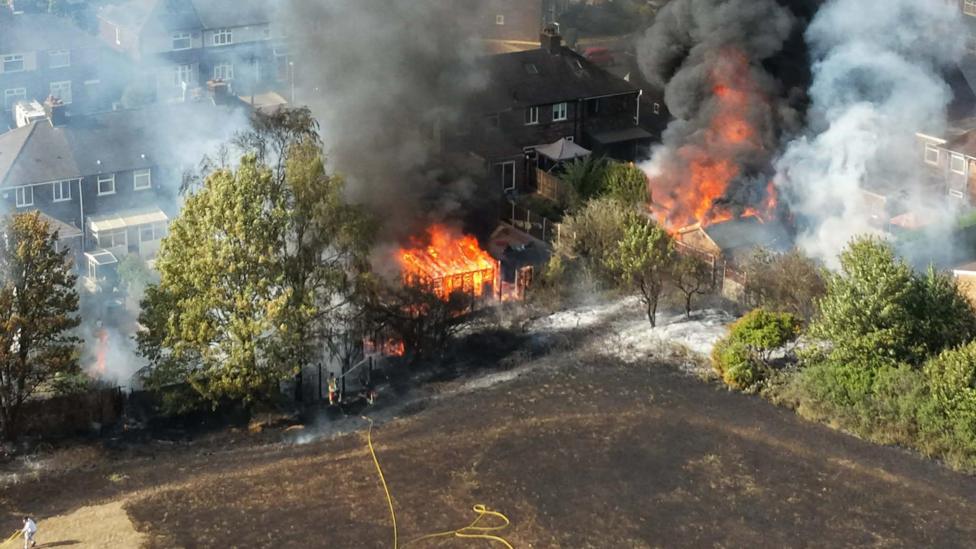
West Midlands Police opened a public appeal for information and requested mobile phone footage to help establish how the Stourbridge fire originated. Several cordons remained in place in Stourbridge as the investigation continued.
Why did emergency services struggle to cope?
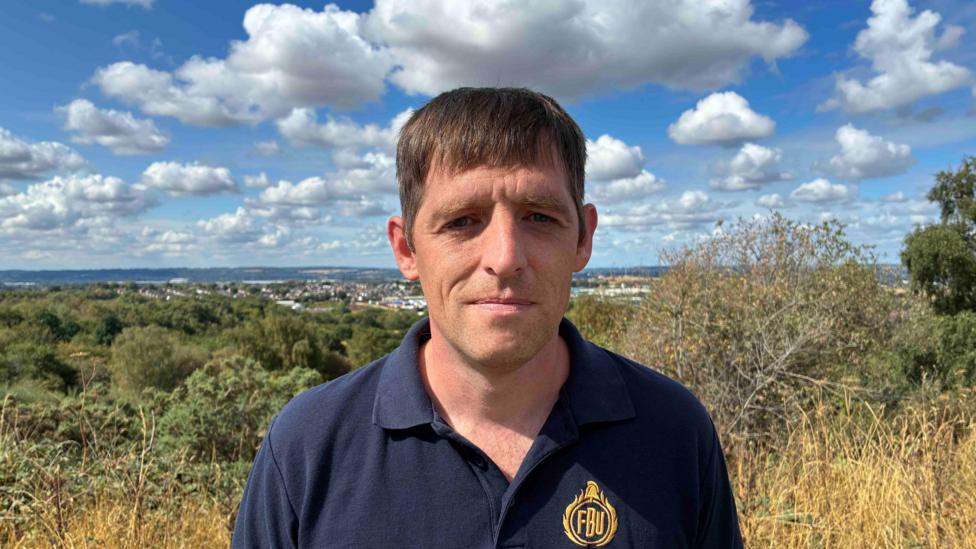
The crisis exposed long-standing resource shortages in the fire service. Martin Starkey, regional chair of the Fire Brigades Union for the West Midlands, attributed the service's vulnerability to years of decline.
The fire and rescue service for many years now, since 2008, has faced a decline in firefighters [and] appliance availability,he said.
I would like to see more firefighters so that fire crews aren't stuck on incidents as long as they are at the minute, and investment in the equipment both that we wear and what we use to fight these fires.
The statistics underscore the severity of the staffing crisis. Across the UK, there were 20% fewer firefighters employed in 2025 compared to 2010. The West Midlands experienced an even steeper decline, with a quarter fewer firefighters in 2025 than 15 years earlier. Staffordshire Fire Service saw a drop of 27.2% over the same period.
Response times suffered as a result. In Willenhall, resident Bob Musson reported that it took crews more than an hour and a half to arrive after he called 999, during which time the fire spread rapidly and approached nearby houses. Starkey warned that such massive wildfires requiring enormous resources left fire engines unavailable for routine emergencies elsewhere, with firefighters remaining tied to incidents for extended periods.
Starkey expressed frustration that the government had not adequately prepared despite previous similar events.
People have used the word unprecedented. I think it's unprecedented in the sense of it happened to many fire and rescue services at the same time,he told reporters.
But if we go back to 2022 and 2018, again we saw hot weather where fire and rescue services struggled.
On 19 July 2022, London Fire Brigade fielded more than 2,400 calls, with 740 relating to wildfires, including a fire in Wennington that destroyed 16 homes. A subsequent investigation revealed that firefighter shortages meant 39 fire engines were unavailable to help tackle those blazes. The pattern repeated itself four years later.
What are fire service leaders calling for?
Starkey said he had been
gobsmackedby the scale of simultaneous blazes across the region and called for urgent government action.
There should be more pre-planning involved on a national scale to assist fire and rescue services when they are stretched,he argued.
Investment from the government first and foremostwas essential, he added.
The Fire Brigades Union contended that the country's fire and rescue service was
stretched to breaking point, with climate change creating more extreme wildfires and severe weather while deep cuts over more than a decade had hollowed out the service. Starkey concluded that firefighters needed
more firefighters, better equipment, better PPE (personal protective equipment)to have
a fighting chanceagainst future disasters.
How is the government responding?
The Prime Minister visited Stourbridge on 14 August 2026, the day after the fire ravaged homes and gardens. Speaking to reporters, he highlighted that other countries possess aerial firefighting resources and announced that the government would commission firefighting planes to tackle future wildfires.
That obviously wasn't available [in Stourbridge], but it will be available elsewhere, and it would have made a difference,he said, with Greater Manchester Mayor Andy Burnham adding his support for the proposal.
Phil Garrigan, chair of the National Fire Chiefs Council, noted that UK fire services relied on the cooperation of landowners to access local water sources. However, he indicated that aerial support
is something we are in extensive dialogue aboutas services consider
investment in firefighting capabilities.
On the same day as the fires, the government appointed Baroness Blake as fire minister and temporarily banned disposable barbecues from being sold. The Ministry for Housing, Communities and Local Government stated:
Our thoughts are with the families and communities affected by the devastating Staffordshire wildfires. We pay tribute to the firefighters and emergency responders who have worked tirelessly in challenging conditions to keep people safe. Alongside the £97 million investment announced in June to strengthen national fire resilience capabilities, ministers are working on an emergency funding package to support fire and rescue services facing the greatest pressure.
The Staffordshire Police and Fire Commissioner was contacted for comment but declined to respond.
What happens next?
West Midlands Police's major incident portal remains open for witnesses and digital evidence related to the Stourbridge fires. Members of the public can continue to submit information by calling 101 and quoting log 3046 of 13 August 2026. The investigation into how the fires started is ongoing, with particular focus on the Stourbridge blaze, which caused the most extensive damage across the region.