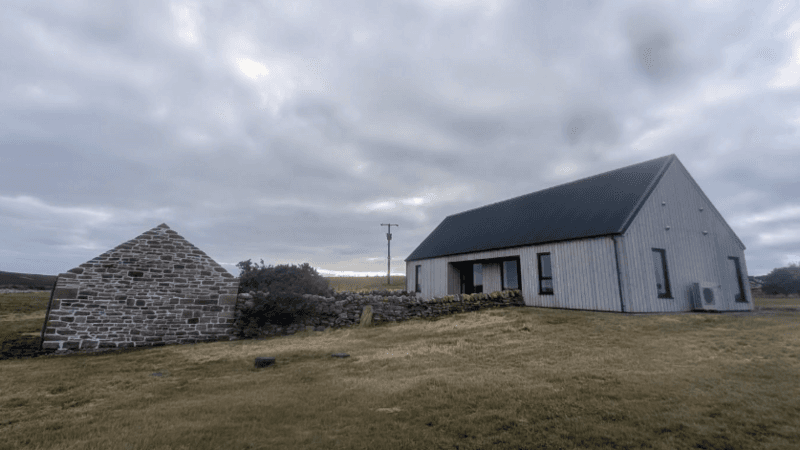
The Orkney island of Eday stretches eight miles long and two miles wide, yet is home to just 120 people. Despite its modest size, the island maintains its own community shop, a ferry terminal and an airfield colloquially known as a "London airport." But the islanders face an urgent challenge: they need new families to fill their school, staff their fire station and provide care for their ageing population.
That opportunity may be arriving. A social media post about two newly completed affordable homes on the island attracted millions of views, sparking unprecedented interest from potential residents seeking a different way of life.
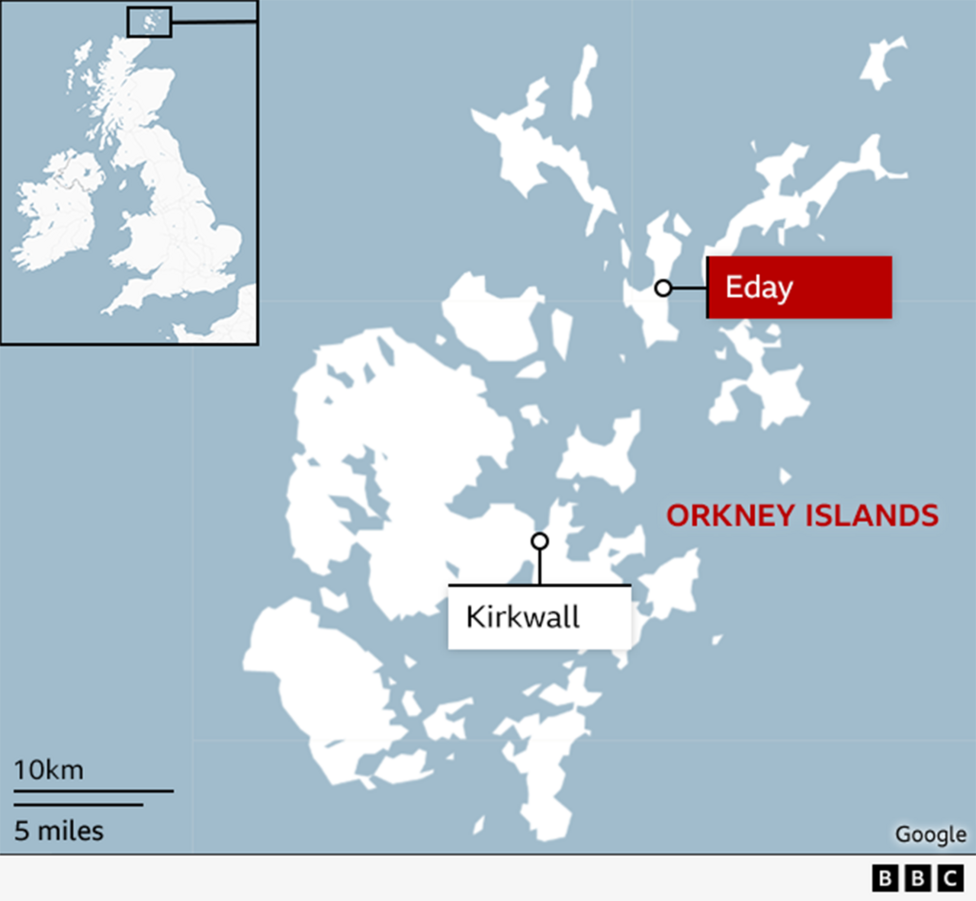
Eday is one of 17 inhabited islands within the Orkney archipelago. The island's development trust has just finished constructing two three-bedroom houses now available to rent at £550 per month. The response to their availability has astonished local officials. After a post on a national broadcaster's social media channel, the announcement generated millions of views and thousands of enthusiastic comments.
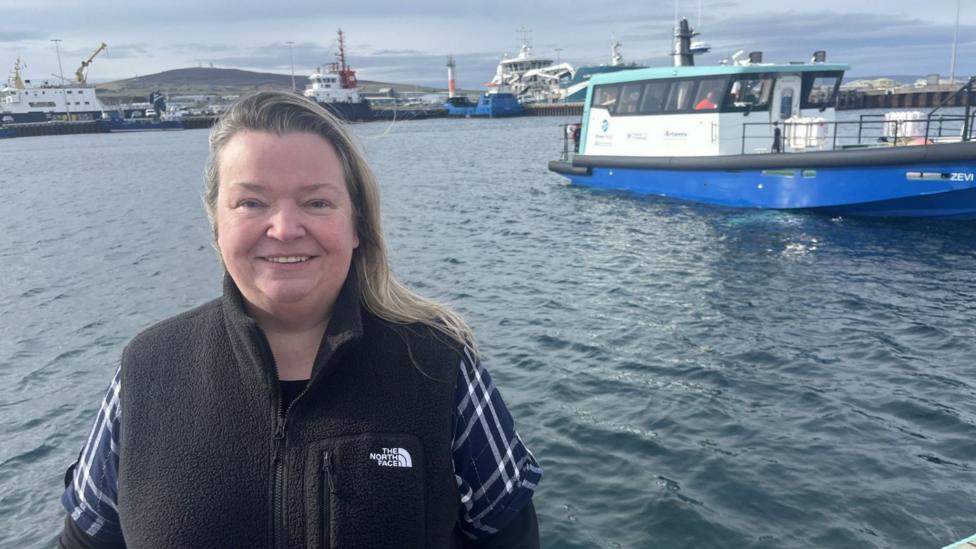
Local councillor Mellissa Thomson expressed her surprise at the scale of engagement.
"I'm absolutely amazed. I was looking at the post seeing the views and comments climbing up and up and up. I never expected this reaction, but I'm delighted to see this much interest in our island. We need people and this could help."
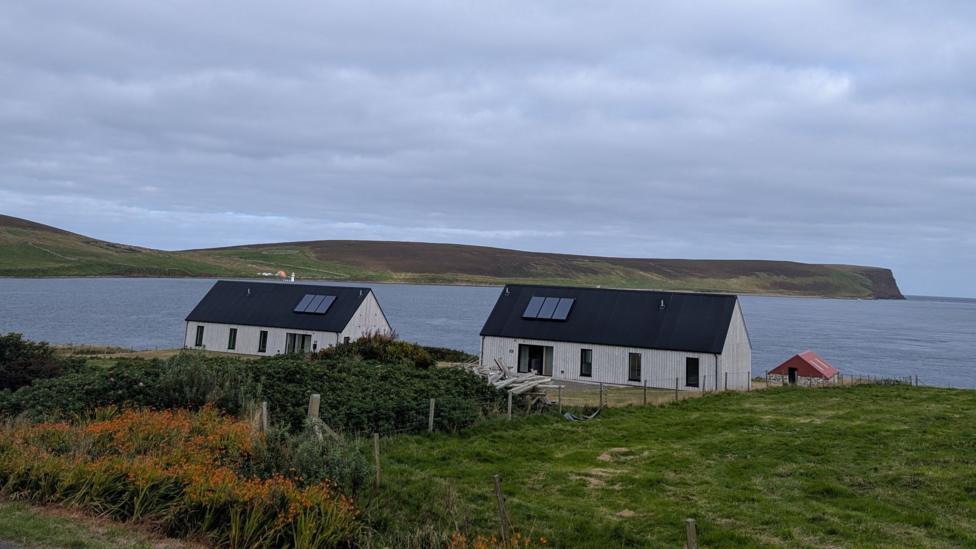
The appeal of island living in a picturesque setting has clearly resonated widely. Eday is home to otters, snowy owls and provides excellent viewing opportunities for killer whales, which regularly visit Orkney waters. Social media responses ranged from straightforward applications—"Where do I apply?" and "Sign me up now!"—to more reflective comments like "If only I was 30 years younger…" Others posed practical questions: "I would definitely need a cow and some chickens," "Is there wifi?" and simply "where is this?"
Thomson addressed these concerns directly.
"Of course we have internet here in Eday, and people do proper jobs working from home. It's also possible to do lots of small jobs here. You could be working in the community shop for a couple of hours in the morning, and then at the airport in the afternoon. That's how island communities get by."

What does Eday really need?
While remote work and flexible employment are possible, the island's most pressing needs are far more specific.
"But what we really need are carers who can help look after our old folk so they don't have to leave. And able-bodied people fit enough to join our island fire brigade. We do not have fire cover at the moment and the Scottish Fire and Rescue Service says it's up to the community to supply the volunteer firefighters required to bring it back."
The housing initiative represents the culmination of years of strategic investment. According to Scottish Government records, the Eday Partnership acquired eight acres of land with several buildings, including two empty houses, and received £320,000 of Scottish Government Rural Islands Housing Fund support in summer 2023 to develop affordable rented housing. The partnership had also previously secured £225,380 from the Scottish Land Fund in 2023 to purchase a house for affordable housing as part of an ambitious housing programme.
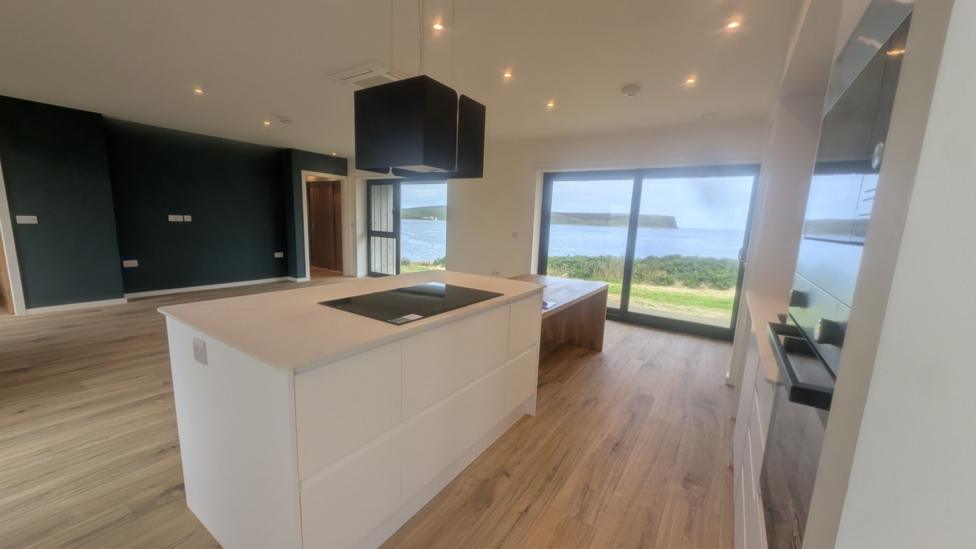
How will tenants be selected?
The properties are being officially advertised by the Orkney Islands Property Company, which will shortlist candidates for the community trust to evaluate. The selection process prioritises community fit over other factors.
"As part of our allocation policy, we are operating a points system so we can select tenants who are the best fit for the community. Three-bedroom houses won't be let to single people. We will be looking at the gaps in our community and prioritise applications from people who can fill them. We need people, but we really need workers and we need school-age children."
This targeted approach reflects a broader strategy for island sustainability. According to Orkney Council material, Eday's community housing efforts extend beyond residential properties to include an upgraded community shop, a ranger role and a market garden. A 2026 community profile still describes the island as having a population of approximately 150 and "all the facilities a small community needs," including regular transport links, a health practice and a thriving primary school.
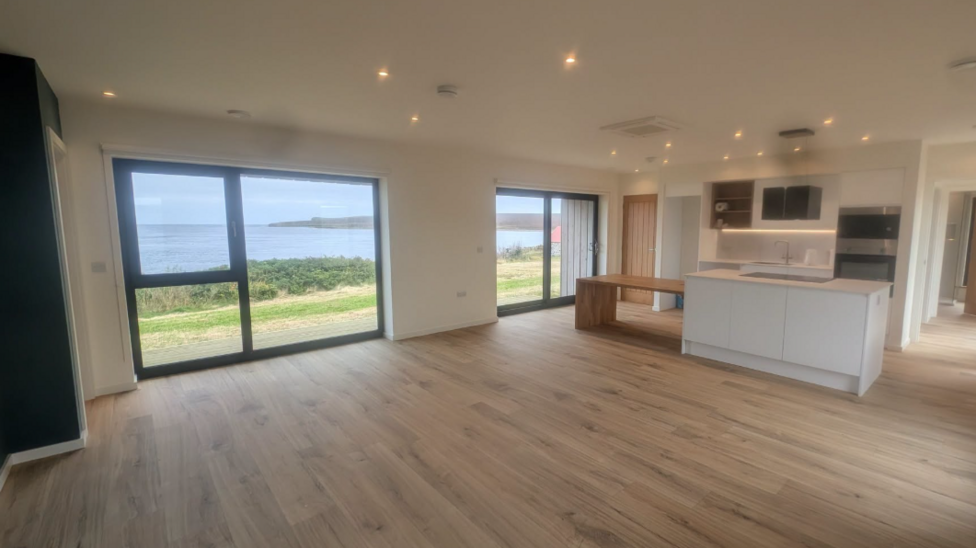
What comes next for Eday?
The two completed homes represent only the first phase of the island's housing expansion. According to government records, a further three-bedroom home was being refurbished for long-term affordable rent, with completion expected by spring 2026. This ongoing development signals that the island's leadership views housing as essential infrastructure for attracting and retaining the working-age families and skilled workers the community desperately requires.
The viral attention to Eday's housing offer has provided an unexpected platform for the island to articulate its needs. Whether the interest translates into actual applications from carers, firefighters and families with school-age children will determine whether this moment of social media visibility becomes a turning point for the island's future.