

Brian Low, a 65-year-old retired groundsman, was shot dead on 17 February 2024 while walking his dog on a remote path near Aberfeldy in Highland Perthshire. Police initially treated his death as non-suspicious, and it took several days before a post-mortem confirmed he had died from gunshot wounds. His former colleague, retired gamekeeper David Campbell, was later convicted of murder and jailed for life with a minimum term of 19 years.
Low's dog, Millie, was found beside his body on Leafy Lane. One of the first officers at the scene told the murder trial that he initially believed Low's injuries were consistent with a fall sustained while out walking.
What did police initially believe had happened?
Detectives on the scene did not immediately suspect foul play, despite the presence of blood on Low's hands and face. Shotgun pellets had already fallen from the body bag by the time his body was formally examined, yet the case was not treated as suspicious for several days.
Jurors at the trial were shown graphic photographs of Low lying on the path, his face marked with blood and dark residue. His brother, Douglas Low, described the images as deeply disturbing.
I was so angry and so sad at the same time.
The pictures were so horrific I barely kept my breakfast down. I can't imagine why someone would say that's a medical event.
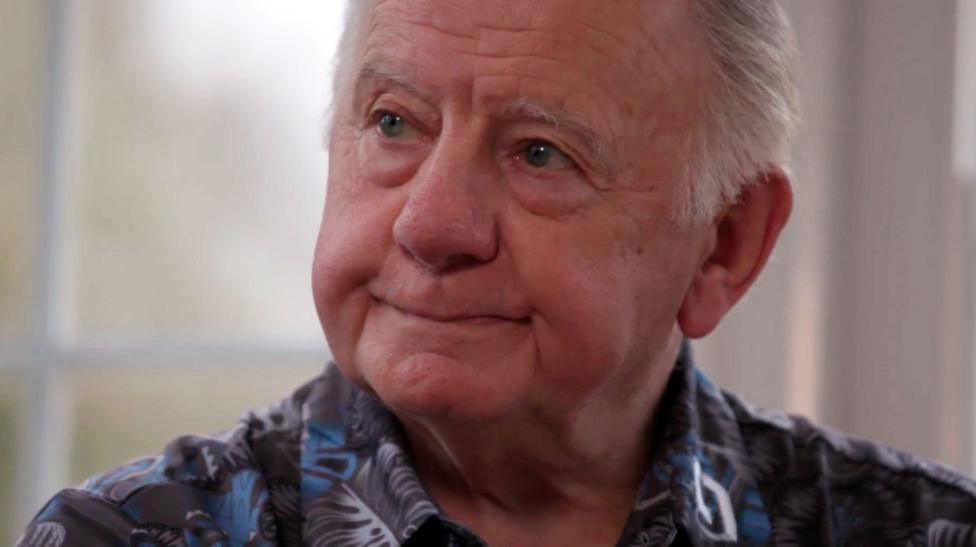
Brian's niece, Jacqui Low, said she found it difficult to comprehend how the wounds were missed.
It just seems incredible that they didn't see the marks on his face, the shot.
A subsequent post-mortem revealed that Low's clothing had been perforated with holes and that he had suffered around 30 pellet injuries. Separate reporting on the case, cited by a national broadcaster's coverage of the trial, indicated Low was shot from a distance of roughly 19 to 45 metres.
How badly did the delay affect the investigation?
Because the death was not initially classed as suspicious, a cordon was not placed around the scene until 23 February 2024 - six days after Low's body had been discovered. A formal murder inquiry was not launched until ten days after the discovery.
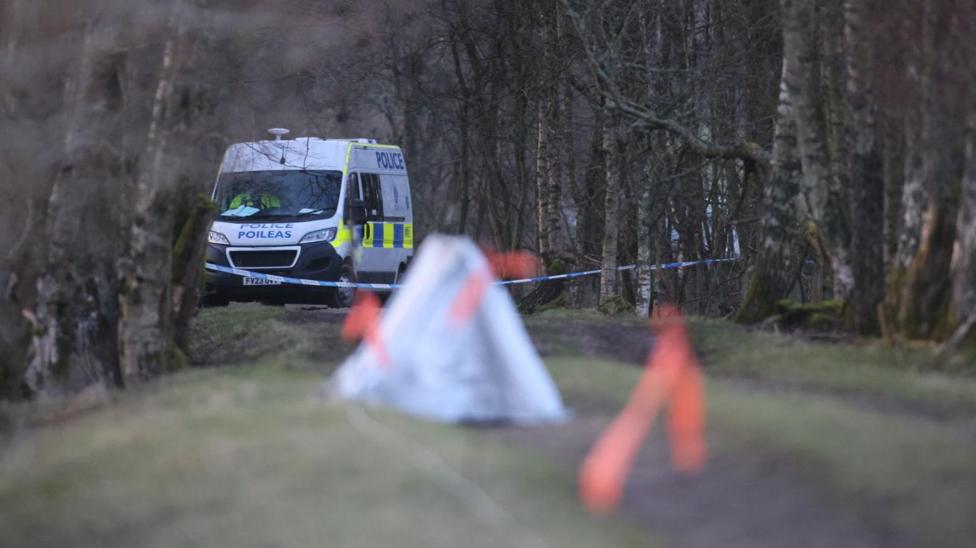
Detective Chief Inspector Martin MacDougall, of the Major Investigation Team, acknowledged the potential cost of the delay.
When you have that delay, a number of things go through your mind of what we could potentially have lost evidentially. Footprints in the soil, tyre tracks, CCTV.
A press conference held in the days that followed saw MacDougall and colleague Commander Greg Burns questioned closely over the errors. One detective involved in the case admitted to filmmakers that intense media scrutiny had put the force under pressure.
We're kind of a wee bit on the back foot.
How did police build the case against David Campbell?
Over the following months, officers interviewed 800 witnesses and reviewed 2,400 hours of CCTV footage drawn from 56 cameras, according to the original account of the investigation. A statement issued by Police Scotland, however, put the scale of the inquiry slightly differently, saying detectives took around 1,000 statements and visited nearly 500 properties while reviewing the same volume of 2,400 hours of footage, as reported by Police Scotland's own account of the case.

Because potential forensic opportunities may have been lost during the delay before the cordon was established, prosecutors built a circumstantial case, drawing together smaller pieces of evidence to demonstrate that Campbell held a grudge against Low dating back decades. The two men had worked together for more than 20 years at the nearby Edradynate Estate, where Campbell had served as head gamekeeper.
What was the relationship between Campbell and Low?
Local farmer Sally Crystal, who had known Campbell since the 1987 shooting season, described him as once highly respected and skilled at running a shoot, but said his standing changed over time.
David started really misbehaving, the family (who ran Edradynate) started mistrusting him.
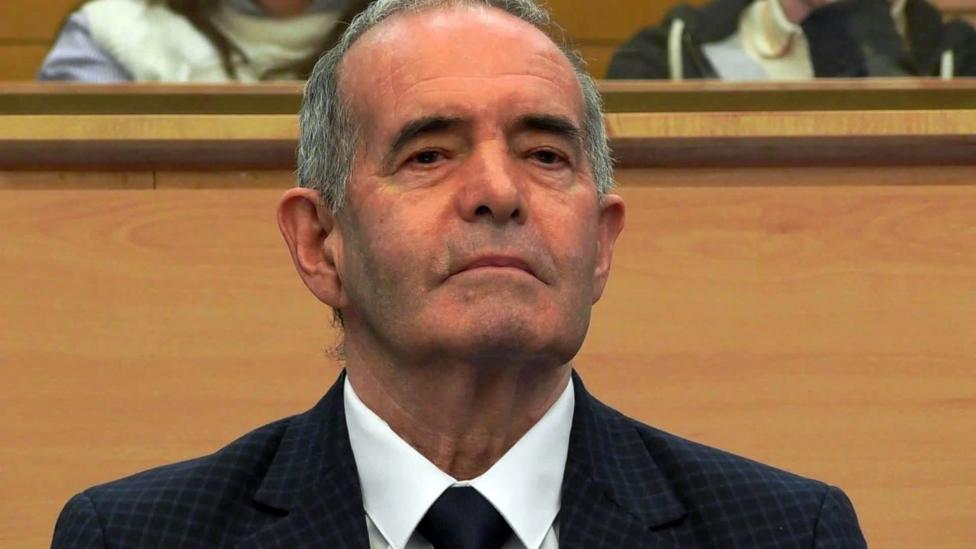
Crystal told the trial that tension between Campbell and Low grew over the years.
At first it wasn't noticeable, but as time went on there was a coldness. On at least one occasion I had been talking to Brian in the morning and David walked past me. He turned to me, angry because I was slightly late that morning and I'd still had time to talk to Brian. He walked away and he said I (expletive) loathe that man. I hate him.
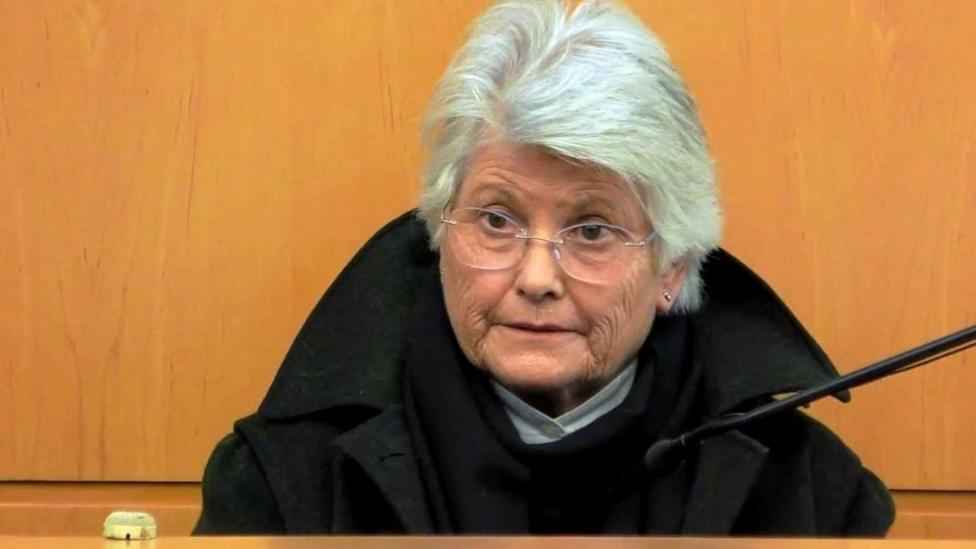
Pam Curran, who had been Low's partner for 22 years, said he was universally well-liked.
I don't think he had a bad bone in his body.
Douglas Low echoed that sentiment, saying he had never imagined his brother had any enemies.
Who would want to harm Brian? He was the nicest, kindest person you could ever imagine.
The trial nonetheless heard evidence of long-standing animosity between the two men. Campbell had suspected Low of planting items discovered during a raid on his then-home on the estate, which followed allegations of bird poisoning. Campbell was removed from his post at Edradynate in early 2017 after more than three decades there, and told the court he had not been in contact with Low since that year, only learning he had left the estate when he saw it reported on television.
Curran told the trial that the fallout between the men had been serious.
I knew they had a fall-out, a serious one because Dave was being investigated for poisoning birds of prey and it had happened more than once. And whatever Brian had said to the police really angered Dave and they had a right set-to. Brian wouldn't tell me the ins and outs of it, but I knew it was bad. Brian was really upset by it.
Defence advocate Tony Lenehan KC pointed out during the trial that the two men had lived near one another for seven years after Campbell left the estate without any apparent incident.
How did Campbell plan the killing?
On the morning of Friday 16 February 2024, prosecutors said Campbell began preparing his plan. He covered the CCTV camera at the rear of his home with duct tape that morning and did not remove it until the evening. According to the broadcaster's report on the trial, prosecutors also highlighted that Campbell had disabled the CCTV camera at his residence in the period before the killing.
Footage showed a figure the prosecution identified as Campbell cycling through Aberfeldy on a distinctive bicycle in the direction of the murder scene. A witness told the trial that Campbell later asked a bicycle repair shop to change the tyres.
Police also obtained CCTV from a nearby farm showing a horse becoming


