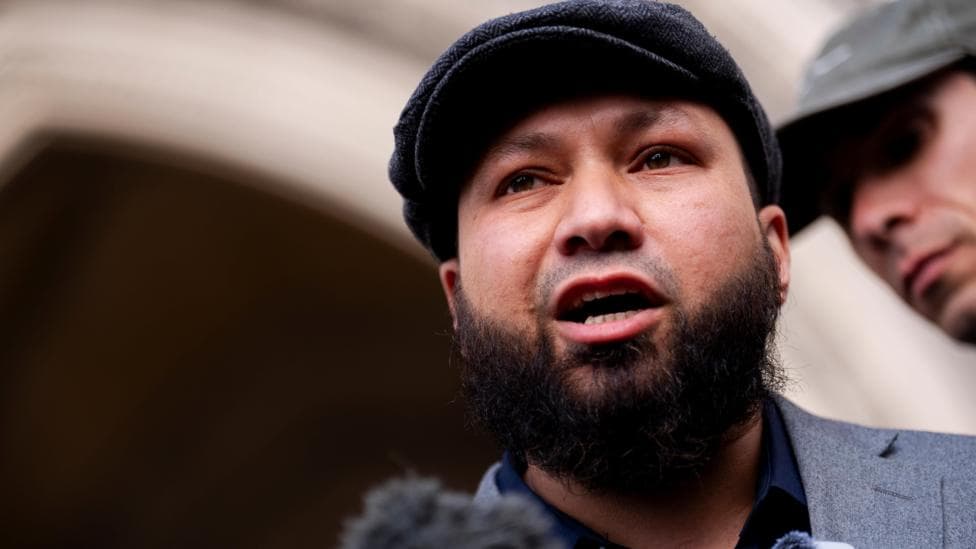
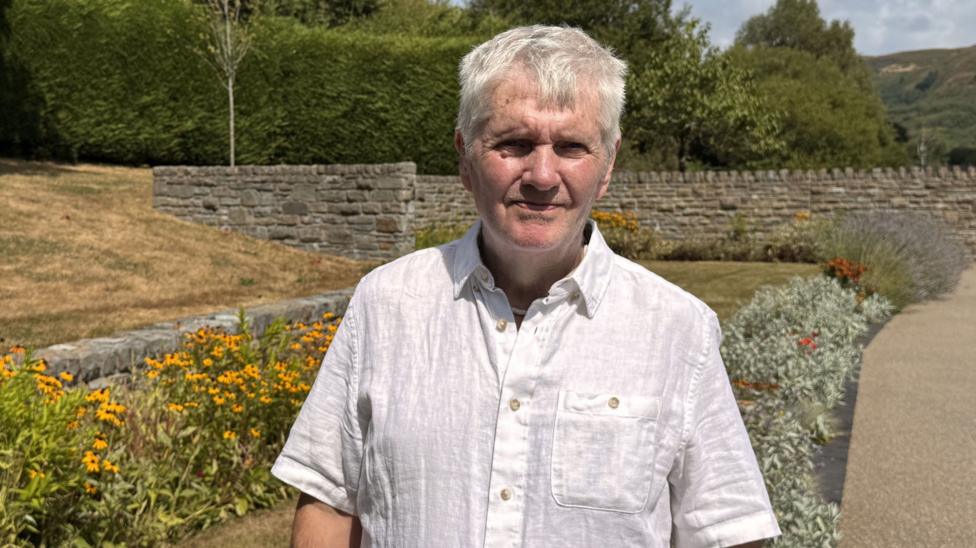
Paul Harries was six years old when a catastrophic coal tip collapse engulfed Pantglas Junior School in the village of Aberfan on 21 October 1966. He was one of five children found alive beneath the body of Nansi Williams, the school's dinner lady, who died protecting them from the avalanche of slurry and debris. Now 66, Harries has spoken publicly for the first time about the woman he credits with saving his life and the lives of four other children.
The disaster claimed 144 lives in total, including 116 children, on what was meant to be the last day of school before the half-term holiday. The collapse occurred just minutes after lessons began, when a colliery waste tip above the village gave way without warning.
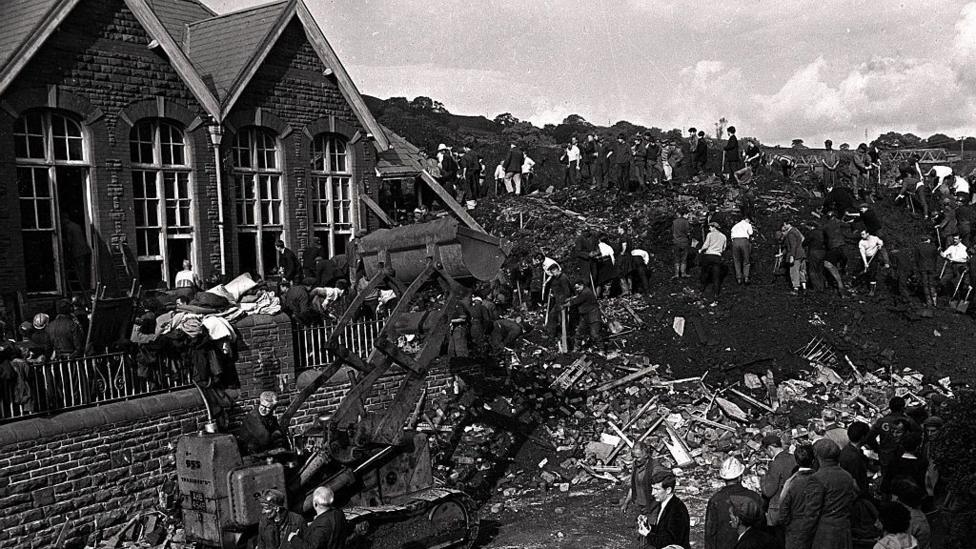
Harries had walked from the infant school to the junior school hall to pay a shilling for his dinner when the disaster struck. He was standing with Nansi, who was collecting money from him and four other children, when the building collapsed around them.
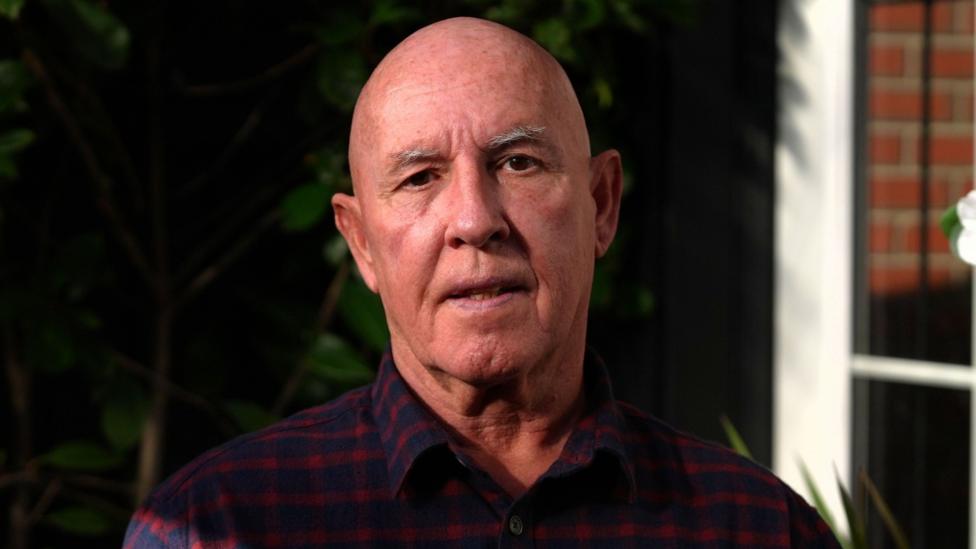
"If it hadn't been for Nansi Williams, then instead of 116 children dying that morning it would have been 121,"Harries said.
"It would have been us. One hundred percent."
Harries cannot recall the moment of collapse, but he remembers being excavated from the rubble.
"I was rushed straight to hospital with the other four children that were buried with me."It was only later, when his parents explained what had happened, that he learned of Nansi's extraordinary courage.
"They said 'your dinner lady died protecting you five children'."
When rescuers discovered the group, Nansi remained shielding the children.
"Apparently she was holding as much of us as she could, and trying to get us under a table,"Harries recalled.
"She gave everything to give us a future, and she lost everything. Nansi Williams was a hero. A true hero. My hero."
The reason Harries is speaking about his experience now is deeply personal.
"The only reason I'm speaking about it now is because Nansi's story needs to be told and recognised for what she has done,"he explained.
Who was Nansi Williams?
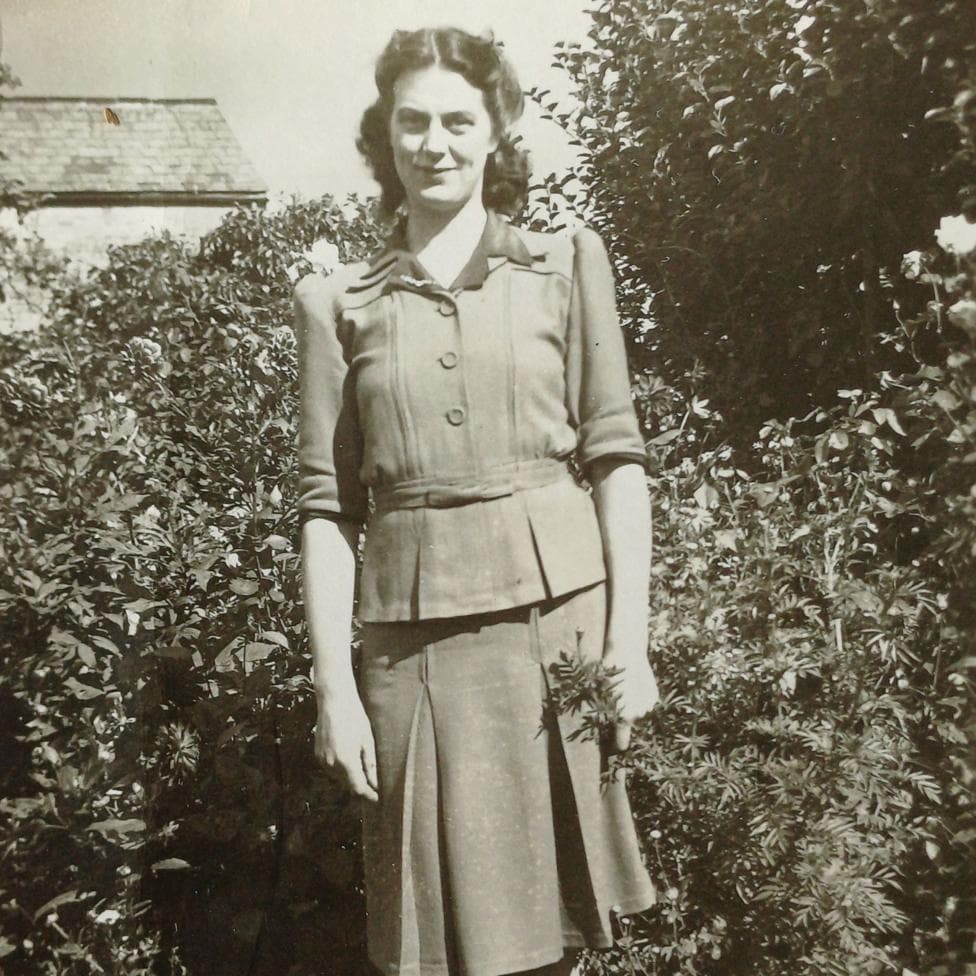
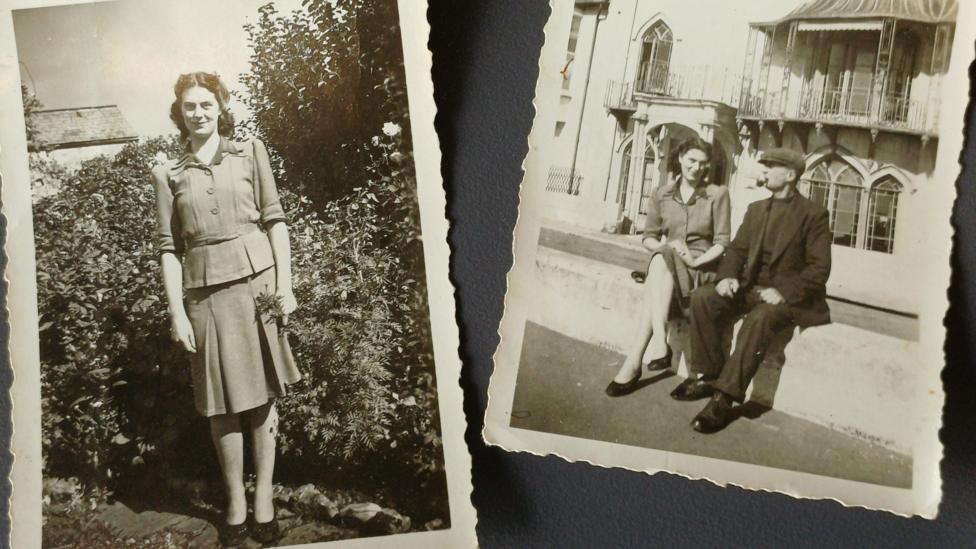
Nansi Williams, who was 44 at the time of the disaster, had grown up in Aberfan and was a familiar and beloved figure to generations of children at the school. She worked as both a dinner lady and playground supervisor, roles that brought her into daily contact with the pupils.
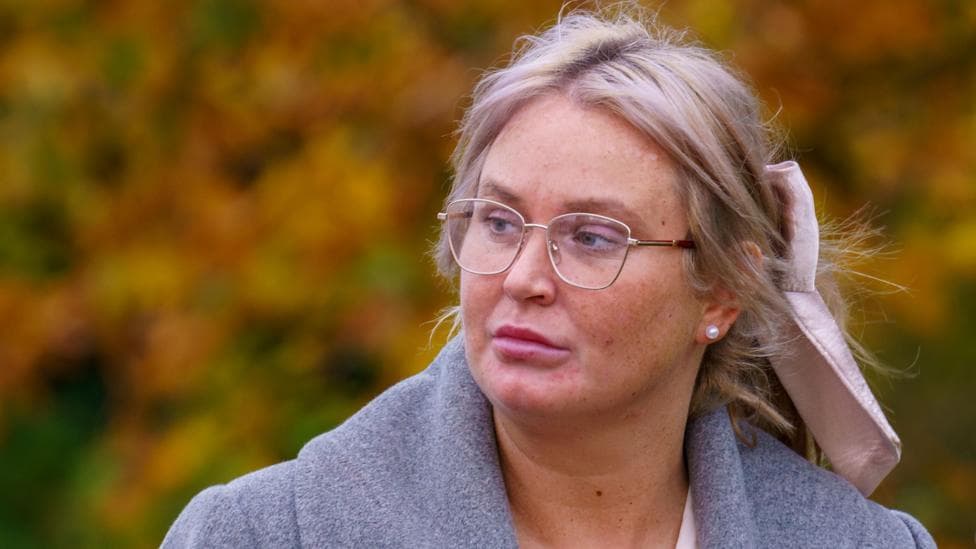
Another former pupil, Janett Bickley, remembered Nansi with warmth and affection.
"Oh, Nansi was lovely,"she said.
"My mother and Nansi were friends. If you were lucky you could hold her hand in the yard at break time."Bickley recalled the pride she felt walking around the playground thinking
"I'm holding Nansi's hand today."
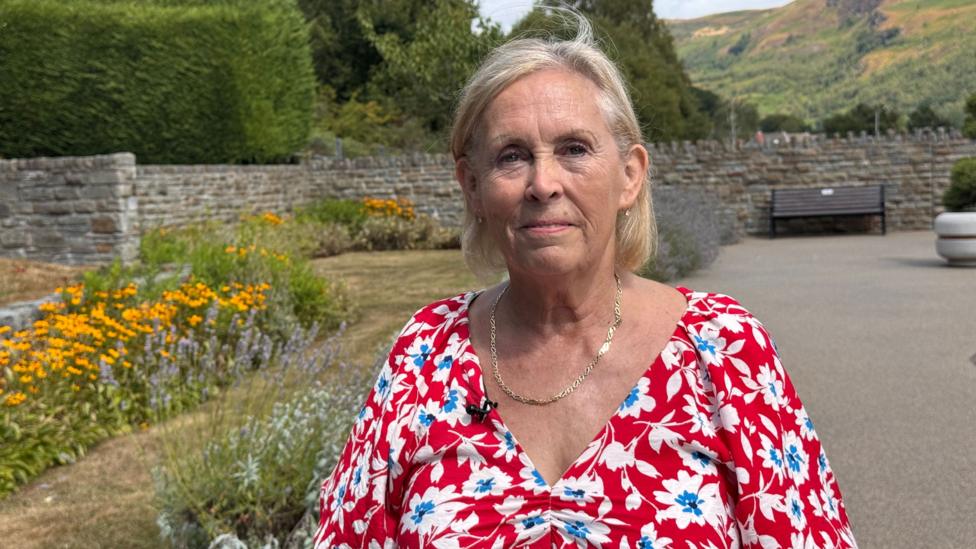
Like many pupils, Bickley remembered Nansi collecting dinner money and leading children to lunch. When asked about Nansi's actions on the day of the disaster, Bickley said
"She was trying to protect children."She believed Nansi went far beyond what duty required.
"I think Nansi went way, way beyond what she needed to do,"Bickley reflected.
"She could have saved her own life. She cared more for the children."
How did the disaster happen?
The infant school, located separately from the junior school, was entirely spared by the collapse. Harries noted the element of chance that determined who survived.
"The infant school was totally missed by the tips,"he said.
"So it was only by chance that we were not in the infant school, which was safe. We were in the junior school which caught the brunt of it."
The disaster occurred at 9:15 in the morning, when the colliery waste tip, saturated by heavy rain and underground springs, lost structural integrity and collapsed. The slurry engulfed the school building, burying children and staff under tonnes of debris and coal waste.
Why is Nansi being honoured now?
As the 60th anniversary of the disaster approaches, Nansi Williams will be commemorated with a purple plaque, a scheme that celebrates women who have made important contributions to their communities in Wales or demonstrated exceptional courage. This will be Wales' 27th Purple Plaque, recognising women's contributions to Welsh history.
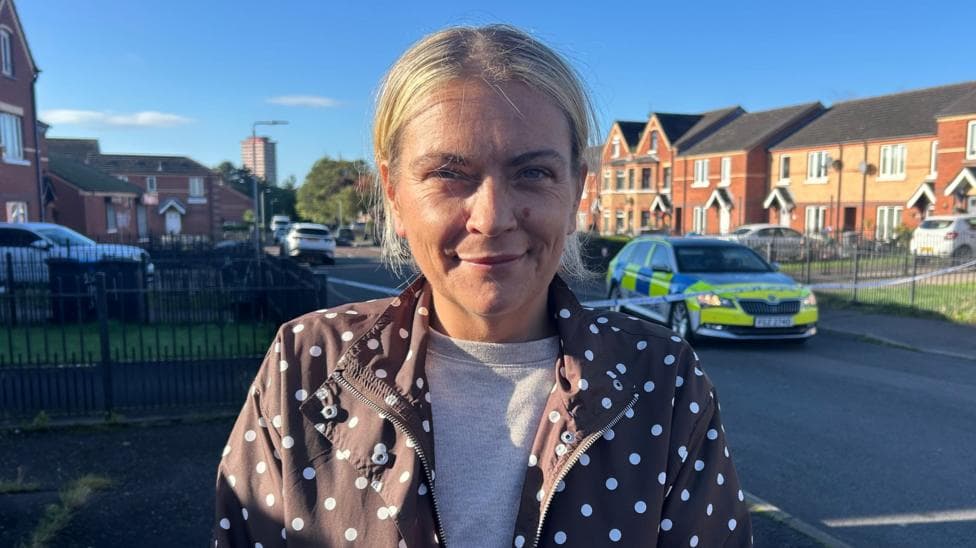
Nansi's godson, Dai Powell, has led a long campaign for greater recognition of her heroism.
"My ultimate hero. No-one will ever touch her,"he said.
"We'd all like to think we'd do the same thing, but until it happens we don't really know. Her heroism is just unbelievable."
Rhian Connick, secretary of the Purple Plaque Committee, emphasised Nansi's selflessness.
"She didn't think of herself at all, she just thought of the children,"Connick said. The plaque will be positioned near the cemetery in Aberfan, ensuring that future generations can learn about her story.
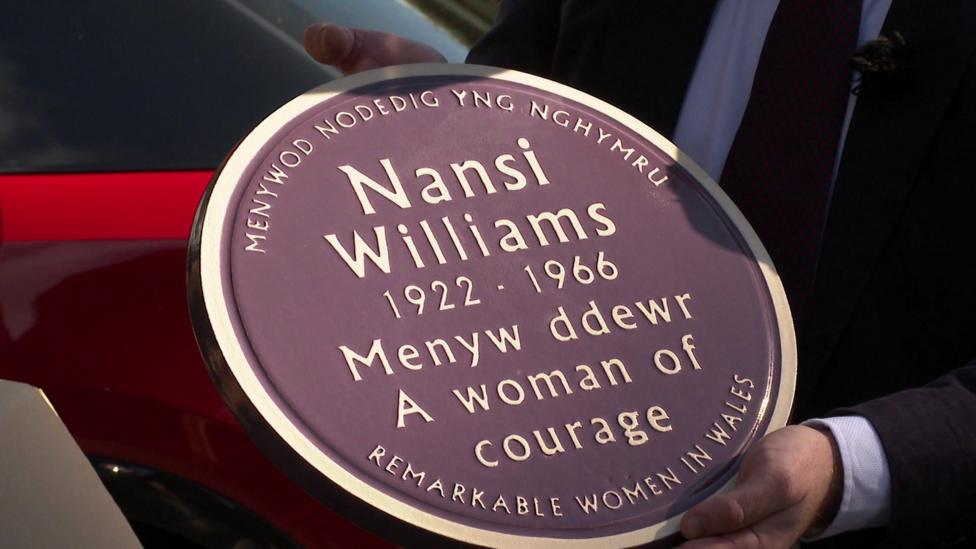
For Harries, the plaque represents a permanent tribute to someone whose actions saved not only his life but the lives of his descendants.
"Every year I go straight to Nansi's grave and put flowers there,"he said.
"My family know the story of Nansi because if it hadn't been for her, they wouldn't be here today. There would be no son, no grandchildren. People can look at it and read it, and find out about her story."
What happens next?
The 60th anniversary of the disaster will be marked with significant ceremonial recognition. On 21 October, the King, Queen and Prince of Wales are scheduled to visit the memorial garden and community centre, continuing a tradition of royal remembrance. The King and Prince will lay wreaths, while the Queen will place a posy. Prince William is also scheduled to unveil an Aberfan Memorial Tree at Ynysowen Community Primary School during the anniversary visit.
This follows the late Queen Elizabeth, who visited Aberfan eight times throughout her reign, beginning eight days after the disaster following a mass funeral. The purple plaque honouring Nansi Williams will be unveiled later in the month as part of the anniversary commemorations.
Beyond the ceremonial events, a new educational and heritage project has launched to mark the 60th anniversary, using an immersive learning experience to help preserve the disaster's history. The Aberfan Memorial Garden now occupies the site of the former Pantglas Junior School, serving as a permanent place of remembrance for the community.
Key Facts
- On 21 October 1966, a coal tip collapse engulfed Pantglas Junior School, killing 144 people, including 116 children
- Nansi Williams, a 44-year-old dinner lady, died shielding five children from the disaster, saving their lives
- Paul Harries, now 66, was one of the five children protected by Nansi and is speaking publicly about her heroism for the first time
- Nansi will be honoured with a purple plaque, Wales' 27th, recognising women's exceptional contributions and courage
- The King, Queen and Prince of Wales will visit Aberfan on 21 October to mark the 60th anniversary