

A colony of 26 Humboldt penguins at Paradise Park in Hayle, Cornwall, is now being fed sardines caught roughly 10 miles (16km) away, after a chance conversation with a local fisherman ended the park's reliance on imported frozen fish. The wildlife sanctuary is sourcing between two and three tonnes of sardines annually from fisherman Tom Lambourn, replacing sprats that had previously been shipped in from the Netherlands.
According to Paradise Park's own website, the sanctuary sits on Cornwall's north coast in Hayle and now features the local sardine arrangement prominently in its public messaging, as detailed on the park's homepage.
How did the switch to local sardines come about?
The change followed a casual exchange between Lambourn and park staff. The fisherman had visited Paradise Park and overheard a keeper remark that the penguins were particularly fond of sardines, prompting him to offer his own catch as a solution.
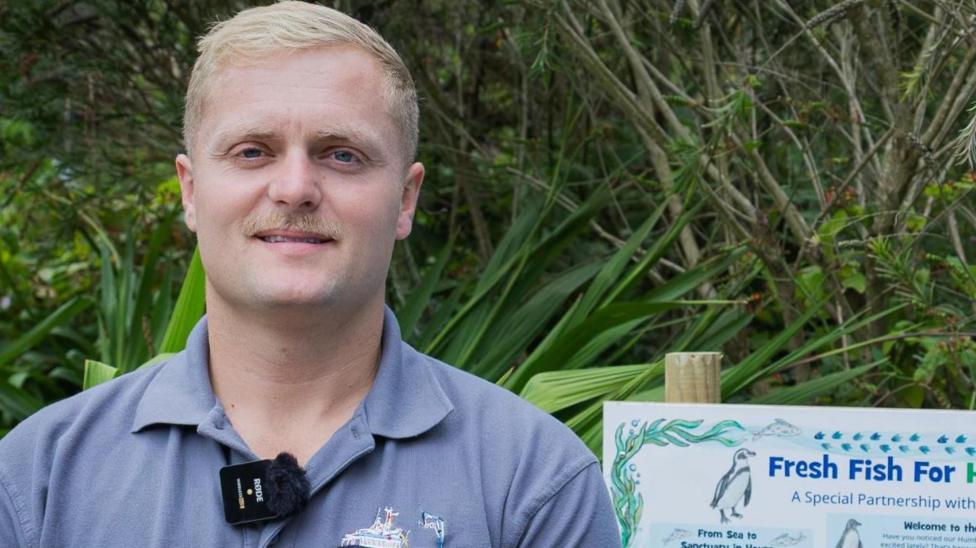
When I heard the penguins loved sardines but that the park thought they couldn't get them, I thought: 'Well, I might be able to help with that.'
Lambourn described the arrangement as a natural fit between local supply and local demand, adding that the birds clearly appreciated the quality of the fish.
It's great to see a local catch being used locally. They've got excellent taste.
Why had the penguins lost access to local fish?
The birds had been fed sardines for years before the supply chain broke down. That earlier arrangement ended when the park's long-established local supplier retired, forcing staff to turn to imported frozen sprats as a substitute until Lambourn's offer restored a home-grown option.

Who is benefiting from the new diet, and what has been said about it?
Among the penguins enjoying the switch is Spneb, a 38-year-old bird believed to be the world's oldest Humboldt penguin. She recently celebrated her birthday with a meal built around her favourite food, Cornish sardines. Separately, according to Paradise Park's own account of the celebration, Spneb's 38th birthday was marked on 16 April 2026 with an ice cake packed with Cornish sardines, and the page credits a separate supplier, Falfish, with providing the fish for that occasion — a detail that sits alongside, though does not necessarily match, the park's description of Lambourn as its main local sardine source.
David Woolcock, curator at Paradise Park, welcomed the return to a local supply chain.
It's a great example of how a simple conversation can lead to a really positive change. The sardines are caught just a short distance away and the penguins absolutely love them.
Gus Caslake, Seafish industry engagement manager for South West England and chair of the Cornish Sardine Management Association, said the arrangement benefited both the fishery and the environment.
This is a brilliant example of a local catch staying local, reducing the need to transport fish long distances and showcasing the quality of the Cornish sardine.
What else can visitors learn about the penguins?
Paradise Park has installed a new information board next to the penguin pool, created in partnership with Cornish sardine fishermen, to explain the birds' diet to visitors. For those wanting to see the penguins eat in person, publicly listed feeding times at the sanctuary are 11:00am and 2:30pm daily, according to a Cornwall tourism guide, which also notes that Paradise Park is home to more than 130 bird species and that penguin feeding has long been a core part of the visitor experience there.
How has the story been received beyond local coverage?
The local-sardine initiative has continued to attract attention beyond initial reporting. An August 2026 press release highlighted the same story, indicating the park and its partners were actively promoting the switch to wider audiences, according to a published press release. Separately, a children's news service reported in April 2026 that Spneb had been recognised as the world's oldest known Humboldt penguin, placing the park's colony within a broader conservation context, as noted by a youth-focused news report.
What happens next?
Paradise Park intends to keep the local sardine story central to its public messaging, directing visitors to learn more about the penguins' switch to home-caught fish, according to the park's own website. With daily feeding sessions continuing through the summer, the Cornish sardine supply is expected to remain a regular feature of keeper talks and public feeding demonstrations at the sanctuary.
Key Facts
- Paradise Park in Hayle now sources two to three tonnes of sardines a year from local fisherman Tom Lambourn, caught about 10 miles away.
- The park's 26 Humboldt penguins previously relied on imported frozen sprats from the Netherlands after their earlier local supplier retired.
- Spneb, believed to be the world's oldest Humboldt penguin at 38, marked her birthday with a Cornish sardine meal; a park page dates this to 16 April 2026 and names Falfish as the supplier for that event.
- Public feeding times at the park are listed as 11:00am and 2:30pm daily.
- A new information board beside the penguin pool, made with Cornish sardine fishermen, now explains the birds' diet to visitors.


