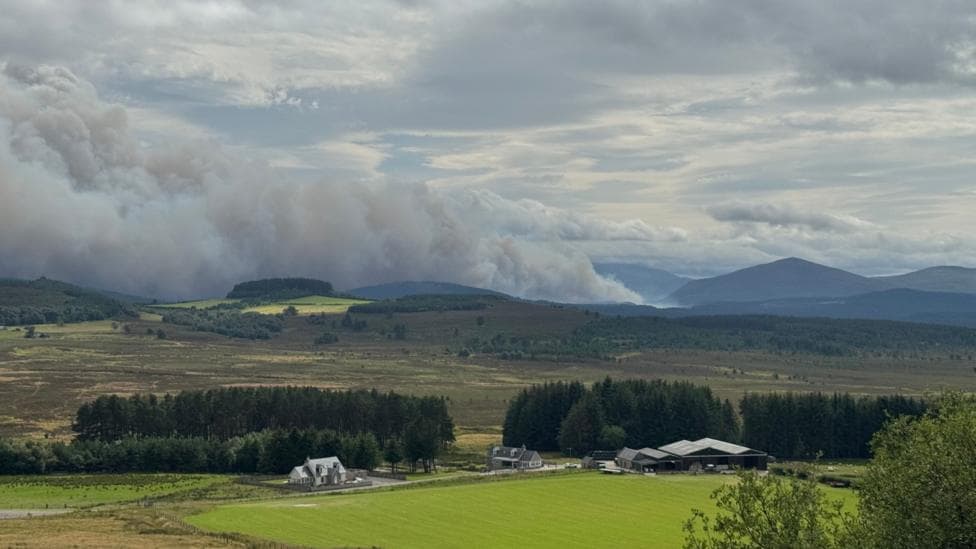
Crofters and farmers across the Cairngorms are demanding that a comprehensive strategy to prevent and manage moorland fires be developed and implemented within six months, following the second major summer wildfire to strike the UK's largest national park in consecutive years.
The call came during a public meeting held in Aviemore on Friday, attended by more than 300 local residents, land managers and representatives from the agricultural community. The gathering, organised by Cairngorms Crofters and Farmers, brought together Agriculture Minister Jim Fairlie and a senior officer from the Scottish Fire and Rescue Service (SFRS) to discuss the response to the recent blaze and future prevention measures.
The demand for action follows a devastating wildfire that erupted in the Glenmore area on 15 July and burned for nearly five weeks. The fire consumed approximately 10 square miles (25 square kilometres) of moorland and forestry, with damage characterised as "apocalyptic" by observers. According to reporting on the royal visit to the area, the Glenmore blaze burned about 3,300 hectares. A major incident was declared on day 10, prompting the evacuation of residents and businesses from Nethy Bridge.
More than 500 firefighters, alongside gamekeepers and land managers, were deployed to tackle the blaze over its five-week duration.
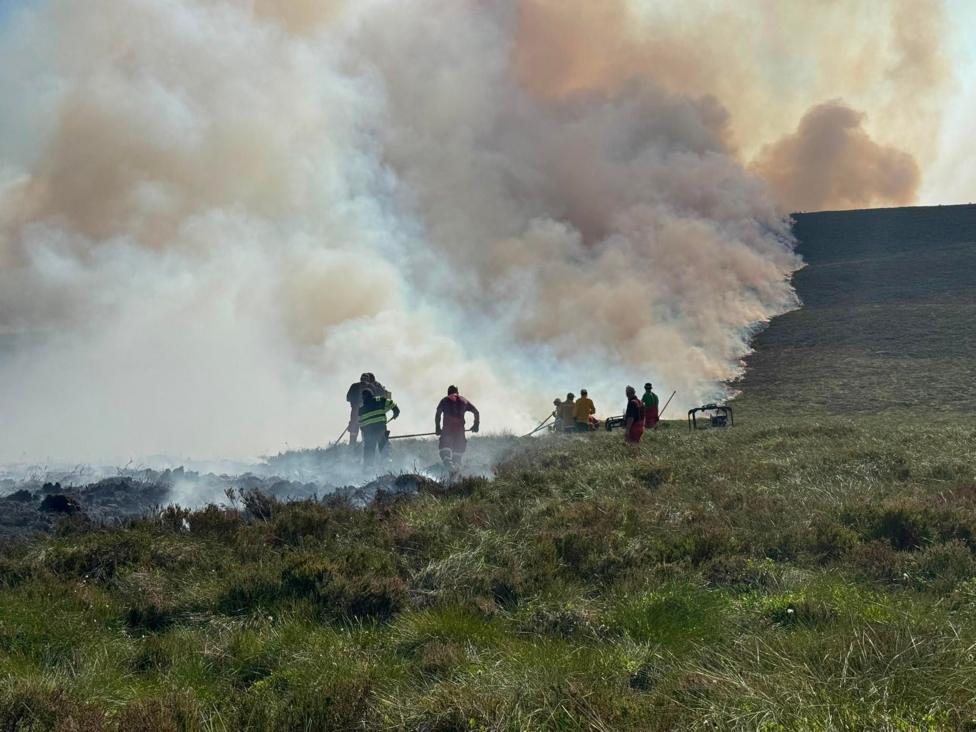
Highland Council has already agreed to write to the Scottish government requesting an independent review of the incident and the emergency response. This action reflects growing concerns among the local community about the speed and effectiveness of the initial firefighting effort.
What assurances were given at the meeting?
Robert MacDonald, chairman of Cairngorms Crofters and Farmers, reported that officials provided reassurances about future preparedness.
We were assured that they were making all the efforts possible to put protocols in place and that they hoped to have systems going forward that would enable them to bring fires like this under control a lot quicker and a lot more efficiently, he said following the Friday gathering.

SFRS deputy assistant chief officer Kenny Barbour acknowledged the importance of capturing community perspectives on the incident.
I would like to thank everyone who attended the meeting to share their insights, which will be captured in the formal debrief to ensure learnings are identified, he stated.
We will of course reflect on the findings to ensure we continue to enhance our operational response in the future.
Barbour confirmed that the fire service is actively developing a new long-term wildfire strategy and pledged enhanced partnership working.
We are committed to enhancing partnership working to meet future challenges and build resilience in our communities, he added.
What wider policy changes are underway?
The Cairngorms incident has prompted broader action at national and local levels. In August, Scotland's chief fire officer called for a more formal and prevention-focused approach to wildfire management to protect lives. According to parliamentary records, the Cairngorms wildfire strategy work now includes a national action plan comprising 31 actions structured around prevention, preparedness and response.
The Scottish government has also introduced new fire-prevention byelaws for the Cairngorms National Park that ban fires and barbecues in public places from 1 April to 30 September each year unless lawful authority is granted. These measures form part of a wider integrated wildfire management plan for the park.
Recovery efforts are progressing in parallel with prevention planning. More than £500,000 has been distributed through the Scottish government's Cairngorms Fire Recovery Fund, which is administered by Highland Council. To date, 14 grants have been awarded to affected businesses. According to environmental monitoring reports, officials are developing a recovery plan for the burned areas, with recovery timelines expected to vary depending on how deeply the fire penetrated peat and felled woodland.
What happens next?
The formal debrief into the wildfire will feed into the development of the Scottish Fire and Rescue Service's new long-term wildfire strategy. The Cairngorms integrated wildfire management plan work is ongoing, with the park authority indicating that preparation had already begun before the summer fire. The fire-prevention byelaws are set to operate annually between 1 April and 30 September, establishing a recurring framework for wildfire prevention measures across the national park.
Key Facts:
- The Glenmore wildfire burned for nearly five weeks starting on 15 July, destroying approximately 10 square miles of moorland and forestry
- More than 500 firefighters, gamekeepers and land managers were involved in the response
- Crofters and farmers are demanding a comprehensive wildfire management plan within six months
- The Scottish Fire and Rescue Service is developing a new long-term wildfire strategy informed by a formal debrief
- Fire-prevention byelaws banning fires and barbecues in public places will operate from 1 April to 30 September each year