Reform UK's Welsh operation endured an extraordinary seven days that began with the party's leader facing criminal allegations, continued with a high-profile defection, and concluded with a race to appoint his successor. The tumultuous sequence of events tested the party's unity just four months after it emerged as the largest opposition force in the Senedd following May's election.
"It's been challenging but we've come through it,"said Llŷr Powell, Reform's chief whip in the Senedd, as he reflected on the period that would reshape the party's Welsh leadership.
How the crisis began
The upheaval started on Sunday when Dan Thomas, who had led Reform to 34 seats in the May election, appeared as a guest on the BBC's Politics Wales programme at the corporation's Cardiff offices. Later that same day, he was arrested on suspicion of assault and controlling or coercive behaviour. According to police reports, the arrested man was a 45-year-old from the Aberbargoed area. Thomas was released on bail pending further enquiries.
Thomas issued a statement saying he had been
"released without charge"and had
"done nothing wrong"."However, the arrest remained largely unknown to the wider party until journalists began investigating on Monday evening, the same time senior Reform figures in Wales learned of the situation. A small number of people at Reform's London headquarters, including party leader Nigel Farage, had already been informed.
The party's initial response
On Tuesday morning, Reform's Senedd members gathered for their weekly group meeting. With speculation spreading rapidly, confusion gripped the gathering. Thomas was absent, and while members were not given full details, they were warned the party faced
"a tough few days"."The party announced that Thomas would not attend First Minister's Questions that day and would be replaced by his deputy, Helen Jenner, citing
"personal reasons"for his absence.
As the day progressed, it became clear the story would break publicly. A legal letter sent by a Reform barrister to media organisations proved insufficient to prevent coverage. After BBC Wales and other outlets secured confirmation of the arrest, the party moved to act. Thomas sent a WhatsApp message to his Senedd members—some of whom were in the chamber at the time—explaining the situation. He then announced his resignation as leader, though he remained a Reform member for Casnewydd Islwyn.
According to his resignation statement, Thomas said he wanted to avoid
"the coming headlines"becoming a distraction from the Senedd team's work. Farage sent a message of support to the Welsh Reform group following the announcement.
The unexpected defection
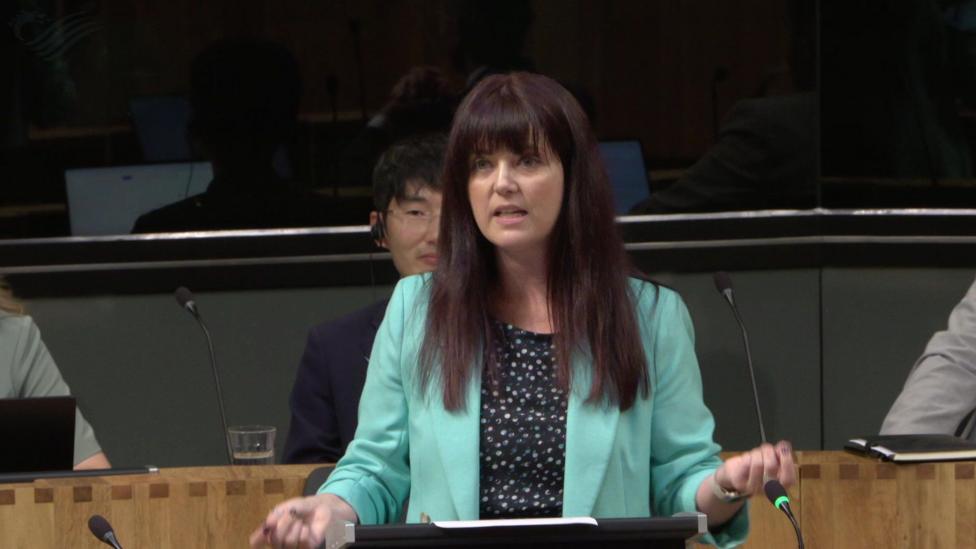
Within hours of Thomas's resignation, a second bombshell struck. Sarah Cooper-Lesadd, the Reform member for Pen-y-bont Bro Morgannwg, announced she was defecting to Plaid Cymru. Reform learned of the move only after BBC Wales requested a response to the story. Moments before the announcement, Cooper-Lesadd had been sitting on the Reform benches and was scheduled to speak for the party in the chamber.

Most of Plaid Cymru's members—including some government ministers—had been informed of the defection plan only at their group meeting earlier that day. The move required approval from Plaid's group, and some members sought assurances that Cooper-Lesadd fully understood the implications of joining the party. The defection was approved with the necessary two-thirds majority, though not unanimously.
At a hastily arranged news conference in the Senedd, Cooper-Lesadd described her switch as following
"a period of reflection and deliberation"and said she had found
"the right political home"."She stated that her departure reflected Reform's
"hostile approach to vulnerable groups"."The party and Plaid declined to specify when the defection talks began, only that the process had extended over
"a while"and she had been on a
"journey"."Cooper-Lesadd insisted the move was entirely unconnected to Thomas's arrest.
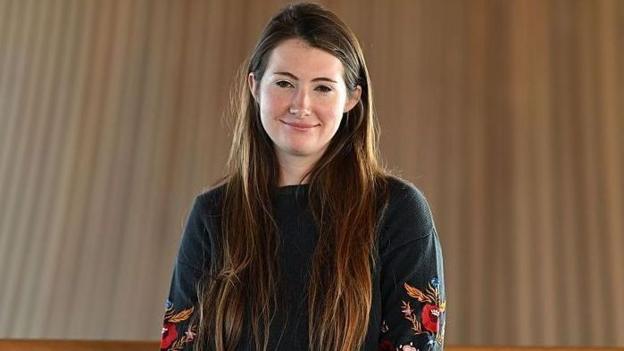
The defection brought Plaid Cymru to 44 Senedd members, strengthening its position as the second-largest group. The timing raised fresh questions about the Welsh electoral system, which requires voters to back a party rather than an individual candidate. Jess Blair from the Electoral Reform Society noted that while defections were
"nothing new","the Welsh voting system created an
"accountability gap"."She called for the review mechanism built into the electoral system to be activated, stating:
"what we need now is to really see that review take place."
The leadership succession
By Wednesday, Reform's focus shifted to appointing a new leader. A party official from London attended a meeting with the Senedd members to explain the selection process, with Dan Thomas also present. Various names circulated as potential successors, with James Evans emerging as an obvious contender.
When Evans announced he would make a media statement, reporters gathered expectantly. However, he declared:
"Having consulted with my family...I will not be putting my name forward","despite acknowledging that
"a majority"of the party's members backed him to take over.
By Thursday morning, Helen Jenner appeared increasingly likely to become the next leader. While Reform UK's London leadership has not formally intervened in the process, sources indicated there have been
"signals"that Jenner—a long-standing Farage ally dating to the UKIP era—would be viewed favourably at headquarters. Confirmation of her appointment was expected by Monday.
What happens next
Thomas remains on bail pending further police enquiries. The party is moving forward with Jenner's expected appointment as leader, marking the beginning of a new chapter for Reform's Welsh operation. Powell expressed optimism about the party's direction, saying:
"I feel we're more united than ever. For us it's a new start next week and that's what we're building on."
The crisis has left Reform facing questions about its internal stability and governance, particularly given the rapid succession of events and the defection of a sitting member just months into the new Senedd term.