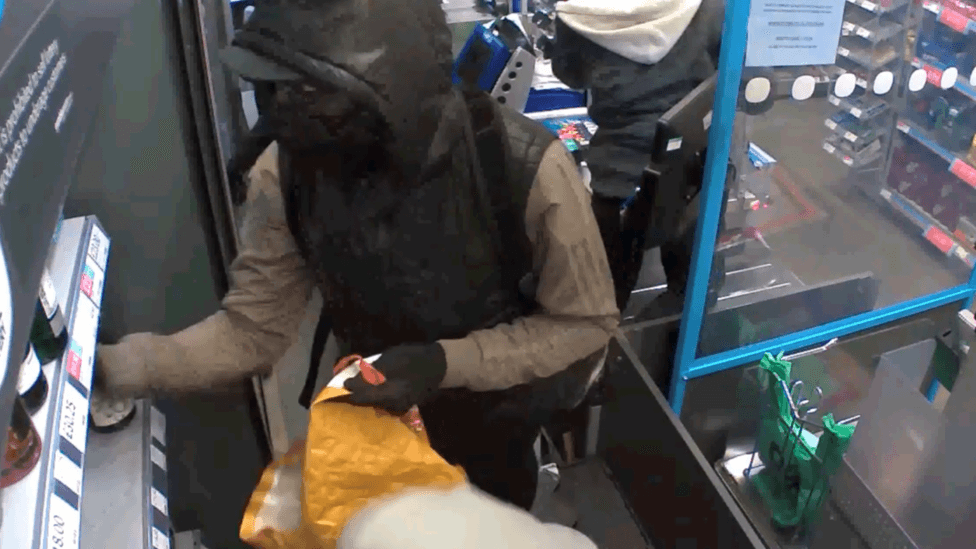
Shop workers across Scotland are reporting alarming levels of violence and organised theft, with criminals wielding weapons including harpoon guns, machetes and knives as they target high-value products in coordinated raids. According to BBC News, reported shoplifting incidents have surged from 24,877 in 2021-2022 to 56,920 in 2025-2026, representing a 129% increase over four years. Retailers describe a shift from opportunistic theft to systematic "stealing to order", where criminal gangs target specific high-value items such as energy drinks and baby powder that can be resold for profit.
The scale of the problem extends beyond the figures reported to police. The Scottish Government's recorded-crime figures show 53,369 shoplifting crimes in 2025–26, up 19% from the previous year and the highest level since 1971. A survey by the Scottish Grocers' Federation found that 99.6% of responding retailers reported shoplifting occurred daily, with the average store losing an estimated £10,431 annually to theft.
How are gangs operating?
Criminal groups are clearing entire shelves using sacks, backpacks and wheelie bins, often working in large, coordinated teams. Kate McCrae, retail operations director at Co-op, explained the deliberate nature of these raids:
It's not like 'I'm in this aisle by chance, I'm going to take all these biscuits'. It's like, 'I'm in for energy drinks or I'm here to get detergent'. It's stealing to order.
Many of the thieves arrive armed with weapons.
We've seen weapons - guns, machetes, knives. There have also been some extremes where we've had a harpoon gun, for example. You can't even imagine that situation.McCrae described the terror experienced by staff members confronted by armed raiders:
You're busy doing your work, dealing with the customers, dealing with the community, and then from nowhere someone jumps over the counter. That's terrifying. The staff are trapped in a space and somebody is threatening them… threatening their life.
One Co-op employee was hospitalised after being struck in the face with a fire extinguisher during a theft incident. Amjid Bashir, owner of the Newsbox convenience store on Queen Street in Glasgow, has witnessed gangs of children as young as nine storming his shop.
We get mobs of schoolchildren coming in and storming the shop. They'll come in mob-handed, maybe 10, 15, sometimes 20 of them, and masked up.


What impact is this having on workers?
Retail staff face constant threats of verbal and physical abuse. Stephanie Karté, chief executive of Stirling-based Retailers Against Crime, stressed that the human cost extends far beyond financial losses:
Retail crime is no longer solely a business issue. While the financial losses are significant, the human cost is equally important. The emotional and psychological effects on retail workers can be long-lasting. Nobody should go to work fearing they may be threatened, assaulted or intimidated simply for doing their job.

What measures are retailers taking?
Co-op has implemented security measures including placing wine in locked cabinets and using GPS-tagging on steaks to deter theft. The company reports that these steps, combined with closer collaboration with police, have reduced retail crime in their stores by 20%. However, such measures represent a significant operational burden for retailers already struggling with rising losses.
What is police Scotland doing?
Inspector Emma Wright from Police Scotland's Retail Crime Taskforce described the organised nature of modern shoplifting:
What we're seeing now is shoplifting on a much more organised scale. Groups who sometimes exploit vulnerable people, young people, to steal for them and then sell on those goods at profit.
The Retail Crime Taskforce, launched in April 2025 with £3 million in Scottish Government funding, has made significant progress in its first year. The taskforce reported 3,671 shoplifting charges and detections, 508 charges under the Protection of Workers (Scotland) Act, and 807 arrests in its first year. Wright noted that rising reported incidents partly reflect increased confidence among retailers to report crimes to police:
We're seeing retailers have more confidence to report to the police. They're pleased with the response they're getting so they're reporting more offences, but we've also made it easier to report.
Technological innovation is also playing a role in tackling the problem. In other parts of the UK, shopkeepers have begun using new police apps to report theft and coordinate community responses, helping to double prosecution rates for shoplifting crimes from 16% to 31% since June 2026.
What happens next?
Edinburgh Southern MSP Daniel Johnson is convening a retail-crime summit at Holyrood on 13 November, bringing together police, unions, retailers, trade groups and the Scottish Government to coordinate a comprehensive response to the crisis. Police Scotland has announced that year two of the taskforce will introduce an online form for retailers to report shoplifting incidents where there is no immediate threat or safety risk. The Scottish Government has committed a further £3 million annually for three years to continue the Retail Crime Taskforce's work in prevention, enforcement, protection and preparedness.
Key Facts
- Shoplifting incidents in Scotland rose 129% in four years, from 24,877 in 2021-2022 to 56,920 in 2025-2026
- Criminal gangs are targeting high-value products such as energy drinks and baby powder for resale, often arriving armed with weapons including machetes, knives and harpoon guns
- A Scottish Grocers' Federation survey found 99.6% of retailers experience daily shoplifting, with average annual losses of £10,431 per store
- Police Scotland's Retail Crime Taskforce made 807 arrests and secured 3,671 shoplifting charges in its first year of operation
- The Scottish Government is committing £3 million annually for three years to continue tackling organised retail crime